
 Visualizar na parede
 Compartilhar
 Compartilhar
 Detalhes
 Guia
Guia

 Baixar imagem
 Semelhantes
 Raio X
 Ver diaporama
 Perguntas e Respostas
 Estatísticas
Selected Details after Ingres II

- 34.0 x 23.0 cm


 Ler mais
A obra de arte exibida nesta página é protegida por leis de direitos autorais, o que significa que não podemos criar ou vender legalmente uma reprodução idêntica. Esta proteção é aplicada por meio de acordos internacionais, tais como a Convenção de Berna e pelas leis nacionais, incluindo as estabelecidas por Lei de Direitos Autorais dos EUA - Título 17.
Este método cumpre plenamente as regulamentações de direitos autorais, pois não envolve a cópia ou duplicação da obra protegida. Em vez disso, trata-se de uma reinterpretação criativa — uma nova pintura que é influenciada pela original, mas não idêntica a ela.
Giclée / Impressão de Arte
Impressão giclée ou em tela de qualidade de museu, com produção rápida e opções flexíveis de acabamento. ( Comprar pintura feita à mão Alternar para Imagem Digital)




P118B €10

P118H €10

P118W €10

P438Z €10

P508JH €12

P508YH €12

P805H €10

P805Z €10

P919BZ €10

P919G €10

P919XJ €10

P959ZH €10

P968JZ €12

W106C €8

W218G €10

W218JH €8

W218Y €10

W307PJ €10

W316G €10

W316PJ €8

W316Y €10

W398PJ €8

W4111J €10

W500HY €15

W500JH €15

W692G €12

W849H €8

W940BG €15

W953PJ €8




Escolha entre os nossos tamanhos pré-definidos que respeitam as proporções originais da obra de arte.

Insira a largura e a altura desejadas para se ajustarem à sua moldura ou parede. Uma impressão pode ser apenas cortada, nunca ampliada além da imagem original; portanto, um tamanho com proporções diferentes resultará na perda de parte da imagem. Enviamos uma maquete digital para sua aprovação antes de realizarmos a impressão. A imagem exibida nesta página não mostra o corte real — apenas a maquete o faz.
Entrega mundial () em 2 semanas, em vez das 4/5 semanas padrão. (3 Novembro)

Envio expresso gratuito para todo o mundo

Tela de Linho de Alta Qualidade

Seguro de transporte completo

Garantia de Reembolso de Impostos Alfandegários

Garantia de Fidelidade Cromática

Política de Devolução em 100 Dias (Apenas para Defeitos)

Garantia de reembolso de 100%

Oferta de desconto por quantidade
 A opção de vidro está disponível apenas para tamanhos inferiores a 110 cm

Selected Details after Ingres II
Giclée / Impressão de Arte
Tamanho da Reprodução
-


Preço Total
€ 72
A Delicate Exploration of Intimacy: Marcel Duchamp’s ‘Selected Details after Ingres II’
Created in 1968, during the final year of his prolific life, ‘Selected Details after Ingres II’ is a deceptively simple yet profoundly resonant work by the groundbreaking artist Marcel Duchamp. This black and white line drawing offers a quiet contemplation on the human form and the complexities of connection.
Subject & Composition
The artwork depicts two nude figures locked in an intimate embrace. The composition is tightly focused, centering entirely on their intertwined bodies against a stark, undefined background. Duchamp deliberately avoids any suggestion of setting or narrative context, directing the viewer’s attention solely to the physical and emotional interaction between the pair. Their forms are not idealized but rendered with a sensitive realism that emphasizes vulnerability and closeness.
Style & Technique
Executed with delicate precision using what appears to be pen or pencil, ‘Selected Details after Ingres II’ showcases Duchamp's mastery of line. The absence of shading or dramatic contrast creates a flat, almost graphic quality. This stylistic choice echoes early 20th-century figurative drawing and hints at influences from Expressionism in its simplification of form and focus on emotional impact. The work is characterized by its economy of means – Duchamp achieves remarkable expressiveness with minimal visual elements.
Historical Context & Artistic Lineage
The title itself provides a crucial key to understanding the artwork. It references Jean-Auguste-Dominique Ingres, a 19th-century master of Neoclassical painting renowned for his precise and idealized depictions of the nude. Duchamp’s work is not a direct copy or homage but rather a playful *deconstruction* of Ingres' aesthetic. He strips away the academic polish and sensual idealization, presenting instead a more raw and psychologically complex portrayal of intimacy. This act aligns with Duchamp’s broader artistic project – challenging conventional notions of art and beauty.
Symbolism & Emotional Resonance
While Duchamp often resisted definitive interpretations of his work, ‘Selected Details after Ingres II’ evokes a sense of longing and quiet sadness. The figures' embrace feels both protective and melancholic. The lack of facial detail encourages viewers to project their own emotions onto the scene. It is a study in human connection stripped bare, revealing its inherent tenderness and fragility. The deliberate ambiguity invites contemplation on themes of love, loss, and the ephemeral nature of physical intimacy.
Collecting & Interior Design
For collectors: This work represents a fascinating late-period exploration by one of the 20th century’s most influential artists. Its relatively small size (34 x 23 cm) makes it an accessible entry point into Duchamp's oeuvre.
- Its monochromatic palette and minimalist aesthetic make it incredibly versatile for a variety of interior styles.
- It pairs well with modern or contemporary furnishings, adding a touch of intellectual sophistication to any space.
- Consider framing the artwork simply, allowing the delicate lines and emotional weight of the image to take center stage.
‘Selected Details after Ingres II’ is more than just a drawing; it's an invitation to reflect on the enduring mysteries of human connection. It’s a piece that rewards close viewing and offers new insights with each encounter.
Perguntas e Respostas
Como faço para baixar a imagem de "Selected Details after Ingres II", de Marcel Duchamp?
"Selected Details after Ingres II", de Marcel Duchamp pode ser descarregado na página de Download da obra, como download de imagem digital em alta resolução.
Que harmonia de cores apresenta "Selected Details after Ingres II", de Marcel Duchamp?
As cores de "Selected Details after Ingres II", de Marcel Duchamp apresentam uma harmonia Unified Palette. A harmonia descreve como as cores se relacionam entre si.
As cores de "Selected Details after Ingres II", de Marcel Duchamp são saturadas ou suaves?
A paleta de "Selected Details after Ingres II" possui uma saturação Muted.
Biografia do Artista
Um Espírito Revolucionário: A Vida e a Arte de Marcel Duchamp
Marcel Duchamp, nascido Henri-Robert-Marcel Duchamp em 1887, em Blainville-Crevon, Normandia, foi muito mais do que um artista; ele foi um provocador filosófico que alterou fundamentalmente o curso da arte moderna. Sua vida inicial, embora aparentemente convencional – nutrida no seio de uma família que apreciava a expressão artística, com ambos os irmãos seguindo carreiras bem-sucedidas como artistas – prenunciava o iconoclasmo que estava por vir. Duchamp buscou inicialmente uma formação formal, dominando técnicas tradicionais e experimentando estilos pós-impressionistas. No entanto, essa base acadêmica não serviu como um fim em si mesma, mas como um trampolim para questionar a própria natureza da arte, seu propósito e sua definição. Ele não se contentava apenas em retratar o mundo; ele buscava desafiar a forma como o percebemos e o que constitui o valor artístico. Essa curiosidade intelectual inquieta tornaria-se a característica definidora de sua carreira prolífica.Do Cubismo ao Dadaísmo: Uma Rejeição à Convenção
A jornada artística de Duchamp foi marcada por uma evolução constante, um desprendimento deliberado das normas estabelecidas. Seu envolvimento inicial com o Cubismo, evidente em obras como Retrato de Jogadores de Xadrez (1911), demonstrou um interesse por formas fragmentadas e múltiplas perspectivas – um afastamento da representação tradicional. Contudo, ele rapidamente foi além das preocupações puramente estéticas, reconhecendo que simplesmente reorganizar elementos visuais não era suficiente para abordar as questões mais profundas que o inquietavam. Os horrores da Primeira Guerra Mundial alimentaram esse descontentamento, levando Duchamp a abraçar o Dadaísmo, um movimento nascido do desilusão e de uma rejeição à lógica, à razão e aos valores artísticos tradicionais. Foi dentro da estrutura dadaísta que Duchamp verdadeiramente começou a desmantelar as noções convencionais de arte. Ele não estava interessado em criar objetos belos; ele queria provocar o pensamento, desafiar suposições e expor a arbitrariedade do julgamento estético. Este período testemunhou o nascimento de sua inovação mais radical: o "readymade".Os Readymades e a Subversão da Arte
A introdução dos readymades – objetos manufaturados comuns, selecionados e apresentados como arte – foi a contribuição mais significativa de Duchamp para o século XX. Estes não eram simplesmente objetos encontrados; eram atos deliberados de subversão artística. Ao pegar um item cotidiano, como um urinol (Fonte, 1917), assiná-lo como “R. Mutt” e submetê-lo a uma exposição de arte, Duchamp desafiou a própria definição de habilidade e autoria artística. Seria a mão do artista que criava a obra, ou seria a ideia do artista? Esta questão tornou-se central em sua prática e lançou as bases para a Arte Conceitual. Outros readymades notáveis, como L.H.O.O.Q. (1919), uma reprodução em cartão-postal da Mona Lisa desfigurada com um bigode e cavanhaque, foram críticas lúdicas, porém incisivas, da história da arte e dos ícones culturais estabelecidos. Estas obras não tinham o intuito de serem admiradas por suas qualidades estéticas; elas pretendiam provocar debates e forçar os espectadores a reconsiderarem suas noções preconcebidas sobre o que constitui a arte. Duchamp acreditava que a arte deveria residir na mente, e não meramente no olhar.Legado e Influência Duradoura
O impacto de Marcel Duchamp nas gerações subsequentes de artistas é imensurável. Ele alterou fundamentalmente nossa compreensão da arte, abrindo caminho para movimentos como a Arte Conceitual, o Minimalismo, a Pop Art e tantos outros. Sua ênfase na ideia do artista – o conceito por trás da obra – sobre suas qualidades estéticas continua a inspirar artistas hoje.- Cubismo: Exploração inicial de formas fraturadas e representação espacial.
- Dadaísmo: Rejeição da lógica, da razão e dos valores artísticos tradicionais em resposta à Primeira Guerra Mundial.
- Arte Conceitual: Ênfase na ideia por trás da obra de arte em vez de suas qualidades estéticas.
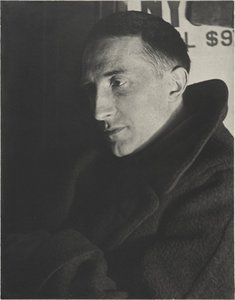
Marcel Duchamp
1887 - 1968 , França
Dados Rápidos
- Artistic Movement Or Style:
- Cubismo
- Dadaísmo
- Artists Or Movements Influenced By This Artist: ['Minimalismo']
- Date Of Birth: 28 Jul 1887 Blainville
- Date Of Death: 2 Oct 1968
- Full Name: Marcel Duchamp Henri-Robert-Marcel
- Nationality: Francês-Americano
- Notable Artworks:
- Fonte
- L.H.O.O.Q.
- Grande Cristal
- Place Of Birth: Normandia França
Artigos Relacionados

As 10 Pinturas Mais Famosas Dominadas pelo Preto: Arte, História e Decoração
Descubra as 10 pinturas mais icônicas dominadas pelo preto! Explore a história, técnica e emoção por trás de obras-primas do Romantismo, Realismo e Expressionismo. Encontre reproduções de arte exclusivas na OriginalUniqueArt.com.

Shadow & Soul: Why Black & White Photography Remains the Ultimate Power Move in Modern Art
Discover why black & white photography remains a powerful force in contemporary art. Explore the impact of light, shadow, and texture through a visual journey of monochrome mastery and learn how to elevate your space with timeless grayscale aesthetics.

Os 10 Quadros Mais Famosos Dominados pelo Branco: Arte e Decoração
Descubra os 10 quadros mais famosos dominados pelo branco, de Monet a Kandinsky! Explore a história da arte, técnicas e o poder da paleta neutra. Encontre reproduções de alta qualidade para sua decoração em OriginalUniqueArt.com.
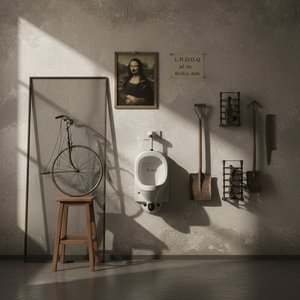
Marcel Duchamp: Challenging Conventions & Redefining Art in the 20th Century
Explore the revolutionary art of Marcel Duchamp! Discover how his Dadaist readymades challenged artistic conventions & redefined modern art. A deep dive into 'Fountain', conceptual shifts, and his lasting impact.

Monochrome Visions: Exploring the Aesthetic & Historical Significance of Black & White Photography
Explore the rich history & artistic power of black and white photography. From early techniques to iconic masters like Ansel Adams, discover why monochrome continues to captivate art lovers today. Expert insights for collectors.


