

 Visualizar em escala
 Enviar
 Compartilhar
 Ver detalhes
 Guia de Obras do Aluno

 Baixar imagem
 Semelhantes
 Raio X
 Apresentação de slides
 Estatísticas
O Grande Circo
 Óleo sobre tela
- Arte de Parede
- Surrealist Expressionism
 1968
1968- Modernismo
 169.0 x 160.0 cm
 Ver mais
A obra de arte exibida nesta página é protegida por leis de direitos autorais, o que significa que não podemos criar ou vender legalmente uma reprodução idêntica. Esta proteção é aplicada por meio de acordos internacionais, tais como a Convenção de Berna e pelas leis nacionais, incluindo as estabelecidas por Lei de Direitos Autorais dos EUA - Título 17.
Este método cumpre plenamente as regulamentações de direitos autorais, pois não envolve a cópia ou duplicação da obra protegida. Em vez disso, trata-se de uma reinterpretação criativa — uma nova pintura que é influenciada pela original, mas não idêntica a ela.
Giclée / Impressão de Arte
Impressão giclée ou em tela de qualidade de museu, com produção rápida e opções flexíveis de acabamento. ( Encomendar reprodução pintada à mão Ver Imagem Digital)




P118B €10

P118H €10

P118W €10

P438Z €10

P508JH €12

P508YH €12

P805H €10

P805Z €10

P919BZ €10

P919G €10

P919XJ €10

P959ZH €10

P968JZ €12

W106C €8

W218G €10

W218JH €8

W218Y €10

W307PJ €10

W316G €10

W316PJ €8

W316Y €10

W398PJ €8

W4111J €10

W500HY €15

W500JH €15

W692G €12

W849H €8

W940BG €15

W953PJ €8




Escolha entre os nossos tamanhos pré-definidos que respeitam as proporções originais da obra de arte.

Digite a largura e a altura de que necessita, para se ajustar à sua moldura ou à sua parede. Uma impressão só pode ser cortada, nunca ampliada além da imagem original, pelo que um tamanho com uma proporção diferente perderá parte da imagem. Enviamos-lhe uma maquete digital para aprovação antes de imprimirmos qualquer coisa. A imagem apresentada nesta página não mostra o corte real — apenas a maquete o faz.
Entrega mundial () em 2 semanas, em vez das 4/5 semanas padrão. (21 Outubro)

Envio expresso gratuito para todo o mundo

Tela de Linho Premium

Seguro de transporte total

Garantia de Reembolso de Impostos Alfandegários

Garantia de Fidelidade de Cor

Política de Devolução em 100 Dias (Apenas para Defeitos)

Garantia de reembolso de 100%

Desconto para múltiplas unidades
 A opção de vidro está disponível apenas para tamanhos inferiores a 110 cm

O Grande Circo
Giclée / Impressão de Arte
Dimensões da Reprodução
-


Preço Total
€ 70
A Sinfonia Surrealista da Memória: Decifrando *O Grande Circo* de Marc Chagall
Marc Chagall's *O Grande Circo*, pintado em 1968, transcende uma mera representação teatral; é uma explosão vibrante de memória, fantasia e a iconografia profundamente pessoal do artista. Esta fascinante pintura a óleo (169 x 160 cm) convida o espectador a entrar num universo onde a realidade dobra-se à vontade da imaginação, consolidando Chagall como um mestre da arte moderna. Uma obra que permanece relevante até hoje, inspirando artistas e amantes da beleza em todo o mundo.Um Palco para a Alma: Tema e Composição
A pintura irrompe com atividade frenética. No seu núcleo, uma figura feminina dominante – frequentemente interpretada como uma representação de Bella, esposa amada pelo artista – captura imediatamente o olhar do observador, cercada por um elenco rodopiante de acrobatas, animais (destacando-se majestosamente uma elefanta) e espectadores. A composição desafia as convenções da perspectiva tradicional; em vez disso, figuras flutuam e entrelaçam-se, criando uma sensação dinâmica de movimento e alegria caótica. Pássaros povoam a tela, símbolos de liberdade e aspiração espiritual, voando entre o reino terrestre do circo e algo além das fronteiras da realidade. Múltiplas narrativas se desenrolam simultaneamente, exigindo múltiplas visitas para apreciar plenamente os detalhes intrincados desta composição complexa.Surrealismo Infundido em Memória: Estilo e Técnica
*O Grande Circo* exemplifica a singular mistura de estilos característica de Chagall. Embora frequentemente categorizado como Surrealista devido à sua qualidade onírica e às oposições ilógicas, a pintura revela traços de Cubismo na fragmentação das formas e nas estruturas geométricas subjacentes – uma homenagem às suas primeiras explorações artísticas. Chagall emprega uma técnica marcante pela aplicação audaciosa de cores saturadas com pinceladas largas e expressivas, utilizando impasto—aplicação espessa de tinta—para adicionar textura e profundidade à obra, intensificando sua qualidade tátil. O efeito geral não busca uma representação precisa, mas sim transmitir emoção e evocar um senso de maravilha, como se estivéssemos testemunhando um sonho feito realidade. É uma celebração da liberdade artística e da capacidade humana de criar mundos imaginários.Contexto Histórico e Influências: Uma Vida Pintada em Sonhos
Nascido em Belarus para uma família judaica, Marc Chagall (1887-1985) foi profundamente influenciado pela cultura e pelas experiências de sua infância hassídica judaica. Sua vida testemunhou os turbulentos acontecimentos do século XX, mas sua arte permaneceu firme na crença na força da imaginação – uma imagem que permanece inspiradora para artistas e amantes da beleza em todo o mundo. Vitebsk, cidade onde Chagall passou seus primeiros anos, tornou-se um ponto de referência emocional em seu universo artístico, um tema recorrente representado por figuras voadoras, animais fantásticos e as cores vibrantes das paisagens lembradas. Esta cidade única, marcada pela coexistência de igrejas ortodoxas russas e mercados judaicos movimentados, moldou uma sensibilidade estética que desafiou qualquer categorização fácil ao longo de sua extensa carreira artística. Sua obra é um testemunho da capacidade humana de transformar experiências pessoais em obras de arte universais.Simbolismo e Impacto Emocional: Uma Jornada para Além da Superfície
Cada elemento da pintura carrega consigo uma carga simbólica significativa. O elefante, por exemplo, representa força e sabedoria – atributos que Chagall valorizava profundamente. As figuras humanas são retratadas com expressões diversas, refletindo uma gama de emoções como alegria, ansiedade e melancolia. Esta combinação de elementos visuais e emocionais convida o espectador a uma jornada para além da superfície estética, convidando-o a contemplar questões existenciais e a explorar os limites da percepção humana. *O Grande Circo* permanece um símbolo da beleza surrealista e da capacidade artística de capturar o espírito do tempo – uma obra que continua a inspirar artistas e amantes da arte em todo o mundo.Perguntas e Respostas
"O Grande Circo", de Marc Chagall, está em domínio público? E por quê?
O status de direitos autorais de "O Grande Circo" - ainda protegido por direitos autorais - decorre do falecimento do artista em 1985.
Onde posso encontrar um guia para "O Grande Circo"?
Uma página de Guia está disponível para "O Grande Circo" de Marc Chagall: uma ficha informativa imprimível sobre a obra, projetada para estudantes e uso em sala de aula.
"O Grande Circo" possui uma prévia em realidade aumentada?
Você pode visualizar "O Grande Circo" de Marc Chagall na sua própria parede através da página de Visualização em RA da obra, utilizando realidade aumentada em um dispositivo compatível.
Biografia do Artista
A Life Painted in Dreams: The World of Marc Chagall
Marc Chagall, born Moishe Shagal in 1887 in the small Belarussian town of Liozna near Vitebsk, wasn’t merely a painter; he was a poet of color, a weaver of dreams, and a chronicler of memory. His life, spanning nearly a century, mirrored the tumultuous currents of the 20th century, yet his art remained steadfastly rooted in a deeply personal vision—one infused with the folklore of his Hasidic Jewish upbringing and an unwavering belief in the power of imagination. Vitebsk itself was more than just a birthplace; it became the emotional core of his artistic universe, a recurring motif populated by flying figures, whimsical animals, and the vibrant hues of remembered landscapes. The town’s unique blend of cultures—Russian Orthodox churches alongside bustling Jewish marketplaces—forged an aesthetic sensibility that would defy easy categorization throughout his long career. Though he sought formal training first with a local sign painter and later in St. Petersburg under Léon Bakst, and then in Paris at the Académie de la Grande Chaumière, Chagall never fully embraced any single artistic movement. He absorbed elements of Cubism, Symbolism, and Fauvism, but always filtered them through his own intensely personal lens, creating a style that was uniquely, unmistakably Chagall.Early Influences and Artistic Beginnings
Chagall’s formative years were marked by the traditions of Vitebsk’s Jewish community—a vibrant tapestry woven with religious rituals, folk tales, and ancestral memories. These influences profoundly shaped his artistic sensibility, informing his use of symbolism and his fascination with biblical narratives. His initial training encompassed practical skills honed in the craft of sign painting, followed by a more structured education at St. Petersburg Academy of Art under Léon Bakst, where he encountered the avant-garde spirit of Russian Symbolism. However, Chagall’s artistic path diverged from conventional academic pursuits. He prioritized experimentation and intuition over technical precision, rejecting rigid stylistic constraints in favor of expressive freedom. Paintings like I and the Village (1911) exemplify this approach—a deliberate departure from realistic representation that prioritizes emotional resonance and evocative imagery. The fragmented composition captures not just a landscape but also the artist’s subjective experience of place and time, foreshadowing his signature style.The Symbolist Vision: Color and Emotion
Chagall's artistic language quickly developed into one characterized by bold color palettes and emotionally charged imagery. He eschewed naturalistic hues in favor of vibrant shades—deep blues, fiery reds, luminous yellows—that conveyed feeling rather than factual accuracy. Figures appear to float or dance across the canvas, defying gravity and logic, creating a dreamlike atmosphere that invites viewers into his inner world. This stylistic technique wasn’t merely decorative; it was integral to Chagall's artistic philosophy—a conviction that art should transcend mere imitation of reality and capture the essence of human experience. Recurring motifs—flying figures, musical instruments, animals—became emblems of Chagall’s worldview, reflecting his spiritual beliefs and his fascination with folklore. These symbols weren’t presented in a didactic manner but rather interwoven into complex compositions that demanded contemplation and interpretation.The Revolution and Vitebsk Revisited
The Russian Revolution dramatically altered Chagall's life trajectory, returning him to Vitebsk—the town that had nurtured his artistic imagination since childhood. During this period, he actively participated in cultural initiatives aimed at revitalizing Jewish identity and fostering artistic creativity. He established an art school alongside Aleksandr Rodchenko, attracting young artists from across Russia who embraced the avant-garde spirit of the era. However, Chagall’s engagement with Soviet culture was fraught with tensions—a clash between his artistic vision and the ideological imperatives of the regime. Despite these challenges, he continued to produce groundbreaking works that explored themes of exile, faith, and human dignity.International Recognition and Artistic Legacy
Chagall's reputation soared internationally after World War II, attracting commissions from prominent patrons and securing exhibitions in major museums around the globe. He relocated to Paris in 1940, where he remained until his death in 1985—a period marked by prolific artistic output and profound personal reflection. His monumental stained glass windows for the Hadassah Hebrew University Medical Center synagogue in Jerusalem stand as a testament to his enduring influence on Jewish culture and spirituality. Furthermore, his paintings like Over Vitebsk (1920-1922) and White Crucifixion (1938) continue to resonate with audiences worldwide—powerful expressions of emotion and imagination that transcend cultural boundaries. Chagall’s legacy extends beyond his artistic creations; it resides in the enduring power of his vision—a vision that celebrates love, memory, and the boundless possibilities of the human spirit. He left behind a body of work that is both deeply personal and universally accessible, inviting viewers to lose themselves in a world painted with dreams and illuminated by hope.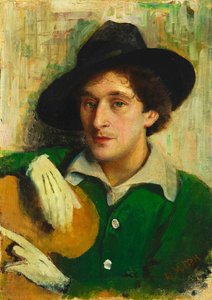
Marc Chagall
1887 - 1985 , Belarus
Informações Rápidas
- Artistic Movement Or Style: Cubismo, Surrealismo
- Artists Or Movements Influenced By This Artist:
- Surrealismo
- Modern artistas
- Artists Who Influenced This Artist:
- Bakst
- Delaunay
- Borovikovsky
- Date Of Birth: 6 julho 1887
- Date Of Death: 28 março 1985
- Full Name: Marc Chagall
- Nationality: Russo-Francês
- Notable Artworks:
- I e a Vila
- Sobre Vitebsk
- Place Of Birth: Liozna, Bielorrússia
Artigos Relacionados

O Legado Duradouro da Pintura a Óleo sobre Tela: Técnica, História e Prática Contemporânea
Explore a história e as técnicas da pintura a óleo com especialistas. Descubra os mestres, materiais essenciais e o futuro desta arte atemporal. Reproduções de qualidade museológica.

The Enduring Legacy of Oil on Canvas: Technique, History & Aesthetic Impact
Explore the rich history & techniques of oil painting – from Renaissance masters to Impressionism. Discover pigments, layering methods, and why this timeless medium endures. Expert insights for artists & art enthusiasts.
Transforme Sua Arte Digital em Óleo Autêntico e Ganhe Royalties com Produção Rápida e Qualidade de Museu
Descubra como transformar sua arte digital em óleo pintado à mão com qualidade de museu e royalties automáticos. OriginalUniqueArt oferece produção rápida, garantia 100% satisfação e consultoria especializada para colecionadores exigentes.

The Enduring Power of Painting: A Historical & Contemporary Exploration of Form and Emotion
Explore the rich history & enduring techniques of oil painting with OriginalUniqueArt. Discover masterpieces, learn about art collecting, and find authentic handmade reproductions crafted by skilled artists.

Oil on Canvas: A Historical & Technical Exploration of a Timeless Artistic Medium
Explore the rich history & enduring techniques of oil painting on canvas. Discover the science behind its longevity, conservation practices, and contemporary relevance. Expert insights for art enthusiasts.


