Naive Art / Primitivism · 1980
Circus (Marc Chagall, 1980)
Marc Chagall (1887–1985) criou Circus. Data de 1980. Pertence ao movimento Naive Art / Primitivism. É feito em Óleo sobre tela. Mede 100 × 81 cm.
- 1980
- Óleo sobre tela
- 100 × 81 cm

 Visualizar na parede

 Pintura a Óleo Feita à Mão
 Compartilhar
 Compartilhar
 Ficha técnica


 Baixar imagem
 Semelhantes
 Raio X
 Ver diaporama
 Perguntas e Respostas

 Estatísticas
Circus, em resumo
- Título
- Circus
- Artista
- Marc Chagall (1887–1985)
- Artista nascido em
- Liozna, Bielorrússia
- Data
- 1980
- Técnica
- Óleo sobre tela
- Dimensões
- 100 × 81 cm
- Movimento
- Naive Art / Primitivism
- Período
- Alta Idade Média
O que Circus retrata?
A Dreamscape Unveiled: Exploring Marc Chagall’s “Circus”
Marc Chagall's "Circus," painted in 1980, isn’t merely a depiction of a traveling show; it’s an immersion into a world where reality and fantasy intertwine, a testament to the artist’s lifelong fascination with folklore, memory, and the boundless possibilities of imagination. Created during a period when Chagall was deeply engaged with Naïve Art – a style he embraced for its directness and vibrant emotionality – this canvas pulsates with an almost childlike wonder, inviting viewers into a joyous, slightly surreal spectacle.
The painting immediately captivates with its riot of color. Chagall employs a palette that’s both exuberant and deeply personal—bold reds, yellows, blues, and greens dance across the canvas, reminiscent of stained glass windows and the vibrant hues found in his native Vitebsk. This isn't a realistic portrayal; rather, it’s an emotional landscape rendered through color, conveying a sense of heightened excitement and dreamlike atmosphere. The composition is dynamic, overflowing with figures and animals – a testament to Chagall’s love for theatricality and the inherent drama of performance.
The Language of Naïve Art
“Circus” firmly establishes itself within the realm of Naive Art, also known as Primitivism. This movement, characterized by its unpretentious simplicity and direct emotional expression, deliberately eschews academic conventions in favor of a raw, unfiltered approach. Chagall’s use of this style is particularly evident in the flattened perspective, simplified forms, and lack of meticulous detail. Unlike traditional representational art, “Circus” prioritizes feeling over precise observation. The figures are not rendered with anatomical accuracy but rather as symbolic representations of emotions and experiences – a deliberate choice that amplifies the painting’s dreamlike quality.
Notice how the figures seem to float within the space, defying gravity and creating a sense of ethereal movement. This is a hallmark of Naïve Art, where spatial relationships are often dictated by emotional resonance rather than strict geometric rules. The use of bold outlines further emphasizes this stylistic choice, lending the painting an almost hand-painted quality – as if it were created directly from the artist’s subconscious.
Symbolism and Narrative
Beyond its aesthetic qualities, “Circus” is rich in symbolic meaning. The elephant, prominently positioned in the center of the composition, isn't simply a circus animal; it embodies strength, wisdom, and perhaps even a touch of mystery. The dancing couple on stage represents love, joy, and connection – themes that were central to Chagall’s own life and work. The scattered figures around the perimeter suggest a broader community gathered to witness this spectacle, highlighting the communal aspect of circus traditions.
Chagall frequently drew inspiration from Jewish folklore and religious imagery, and these influences are subtly woven into “Circus.” The vibrant colors and fantastical elements evoke biblical scenes, while the figures’ expressions and gestures hint at stories passed down through generations. The painting can be interpreted as a celebration of life, community, and the enduring power of imagination – themes that resonate deeply within Chagall's artistic vision.
A Timeless Appeal
“Circus” transcends its subject matter to offer a poignant reflection on the human condition. In an increasingly complex and often overwhelming world, this painting serves as a reminder of the simple joys and moments of wonder that can be found in everyday life. It’s a celebration of childhood innocence, communal spirit, and the power of dreams – qualities that continue to hold profound appeal for audiences today.
Reproductions of “Circus” offer a remarkable opportunity to bring this captivating artwork into your home or office. OriginalUniqueArt's hand-painted reproductions faithfully capture the vibrancy and emotional depth of Chagall’s original, allowing you to experience the magic of his dreamlike world firsthand. Whether as a statement piece in a contemporary space or a nostalgic touch in a traditional setting, “Circus” is sure to spark conversation and evoke a sense of wonder for years to come.
Imagens em alta resolução de Circus

Protegido por direitos de autor: estes ficheiros são para referência pessoal e não constituem uma licença de republicação.
Marc Chagall, Circus (1980).
Marc Chagall (1887–1985), Circus, 1980, óleo sobre tela. Imagem: OriginalUniqueArt.com.
Perguntas sobre Circus respondidas
Em que ano foi criada a obra "Circus", de Marc Chagall?
"Circus" data de 1980. A data situa a obra na carreira de Marc Chagall e em sua época.
Qual técnica foi utilizada em "Circus", de Marc Chagall?
A técnica de "Circus", de Marc Chagall é Óleo sobre tela. As reproduções visam reproduzir a aparência desta técnica.
Quais são as dimensões de "Circus", de Marc Chagall na vida real?
A obra original "Circus", de Marc Chagall mede 100 x 81 cm.
A imagem de "Circus", de Marc Chagall pode ser reproduzida livremente?
Informação de direitos autorais para "Circus", de Marc Chagall: a obra está em ainda protegido por direitos autorais. Isso determina se reproduções da imagem podem ser feitas livremente.
A qual artista "Circus" é atribuída?
"Circus" é atribuída a Marc Chagall.
A qual estilo pertence "Circus"?
"Circus", de Marc Chagall pertence ao movimento Naive Art / Primitivism. Este movimento fornece o contexto estilístico da obra.
A que fase da trajetória de Marc Chagall "Circus" pertence?
"Circus" pertence ao Late Period da carreira de Marc Chagall. Esta classificação relaciona a obra ao desenvolvimento do artista.
Qual era a idade de Marc Chagall ao criar "Circus" em 1980?
Marc Chagall tinha 93 anos quando criou "Circus" em 1980. A idade é calculada a partir do ano de nascimento do artista, 1887.
"Circus", de Marc Chagall, está em domínio público? E por quê?
"Circus", de Marc Chagall está em ainda protegido por direitos autorais. O período de direitos autorais conta a partir do falecimento do artista, ocorrido em 1985.
Sobre o artista, Marc Chagall
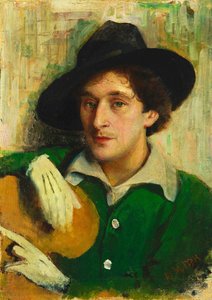
1887–1985, Bielorrússia
Marc Chagall
Vida Inicial, Família e Formação Marc Chagall chega ao mundo em 7 de julho de 1887, em Vitebsk, no Império Russo, nascido como Moishe Segal. Ele é o primeiro de nove filhos de uma modesta família judaica. Sua vida é definida pelos ritmos do trabalho e do pequeno comércio; seu pai, Khatskel Segal, trabalha como conservador de arenque em um armazém, enquanto sua mãe, Feïga-Ita Tchernina, administra uma pequena mercearia. Estes primeiros anos estão enraizados nas texturas específicas de uma cidade provincial, onde os limites de seu mundo são moldados pelas necessidades de um numeroso lar e pelas tradições de sua comunidade.
Também de Marc Chagall
 Eu e a Aldeia1911
 Crucificação Branca1938
 O Aniversário1915
 Sobre a cidade1918
Ensaios sobre Circus
 Belarusian artworks of the 1950sMarc Chagall used 1950s surrealism to navigate the tension between Socialist Realism and personal folklore. Compare ten significant works.
 Dreaming in Color: The 25 Most Iconic Masterpieces by Marc ChagallVitebsk in 1911 shaped the visual language of Marc Chagall. Read about 25 works including I and the Village and The Birthday from 1915.
 Belarusian artworks of the 1960sIn 1966, Marc Chagall painted Abraham and Three Angels, using a red cloth to symbolize life and love amidst a landscape of dreamlike symbol…