Surrealism
Self-Portrait (Man Ray)
Man Ray (1890–1976) criou Self-Portrait. Pertence ao movimento Surrealism. É feito em Black and White Photography.
- Black and White Photography

 Pintura a Óleo Feita à Mão
 Compartilhar
 Compartilhar
 Ficha técnica


 Baixar imagem
 Semelhantes
 Ver diaporama
 Perguntas e Respostas

 Estatísticas
Self-Portrait, em resumo
- Título
- Self-Portrait
- Artista
- Man Ray (1890–1976)
- Artista nascido em
- Philadelphia, Estados Unidos da América
- Técnica
- Black and White Photography
- Movimento
- Surrealism
- Período
- Modern
- Tema
- man, double bass, musical instrument, face, torso, black and white
O que Self-Portrait retrata?
Identification of the Self-Portrait by Man Ray
In this black and white photograph, titled Self-Portrait, the artist Man Ray presents a deliberate act of self-representation. Rather than a conventional likeness, the image captures a moment of visual playfulness and absurdity. It is a work that explores the boundaries of identity through a surrealist lens, moving beyond simple documentation to offer something far more complex.
The subject is Man Ray himself, positioned in an unconventional arrangement alongside a double bass. This composition creates a dreamlike effect, where the instrument appears to emerge directly from his head. The monochromatic palette relies on a range of gray tones, from deep blacks to bright whites, to define the forms of the artist and the instrument. It is a quiet, unsettling encounter with the artist's own image.
Composition and Visual Elements
The composition centers on the artist's face and upper torso, creating an immediate and intimate encounter. This central focus is disrupted by the verticality of a double bass, which is juxtaposed with the figure in an unexpected manner. The instrument appears to be emerging directly from his head, a visual choice that introduces a sense of absurdity and playfulness to the arrangement. This unexpected connection between the human form and the musical object challenges the viewer's expectations of a traditional portrait.
A monochromatic color palette defines the visual field, relying entirely on a range of gray tones from deep blacks to bright whites. This limited spectrum emphasizes the interplay of textures and the structural lines present in the frame. The sharp edges of the double bass and the contours of the face provide a sense of geometric order, while the slightly angled perspective lends a dynamic quality to the scene. The layering of the subject in the foreground against a receding, plain background creates a subtle sense of depth within this surreal arrangement.
Technique and Artistic Medium
This work is a photographic study, executed as a silver gelatin print on paper. The process relies on the precise application of photographic chemicals to develop the image captured on film. Through the use of a camera, the artist has moved beyond simple documentation to embrace a style that is distinctly photographic, yet deeply experimental. The monochromatic palette relies on a controlled range of gray tones, from deep blacks to bright whites, to define the forms of the subject and the instrument.
The technical approach here is rooted in the radical experimentation characteristic of the Dada and Surrealist movements. Rather than adhering to the traditional constraints of the medium, the artist employs methods that challenge the viewer's perception of reality. The interplay of light and shadow is used to create a sense of the uncanny, blurring the lines between the tangible object and the dreamlike composition. This specific use of the medium allows for a structural clarity that emphasizes the sharp edges of the double bass against the softer contours of the human form.
Interpretations and Symbolic Meanings
This work functions as a visual representation of an evolving identity. By presenting himself in such an unconventional manner, the artist uses the image to signal a departure from his original name and origins. It is a deliberate act of self-fashioning, where the subject matter moves beyond a simple likeness to explore themes of transformation. The presence of the double bass emerging from the head suggests a blurring of the boundaries between the human form and the inanimate object, inviting an exploration of the subconscious mind.
There is a profound sense of experimentation here, signaling a commitment to artistic freedom. The composition rejects the traditional constraints of portraiture to favor a more dreamlike, irrational state of being. The direct gaze of the subject is particularly striking; it challenges the viewer's role in the act of observation, forcing a confrontation with one's own perceptions. Rather than merely being seen, the subject actively engages with the observer, suggesting that identity is a fluid construct shaped by experience and self-awareness rather than a fixed entity.
Artistic Movements and Styles
This photographic portrait is deeply rooted in the aesthetics of early Modernism. It reflects a period of intense experimentation where the boundaries of traditional representation began to dissolve. By moving away from the rigid constraints of academic realism, the work embraces a more fluid approach to the human form and its relationship to objects. The composition suggests a departure from the expected, favoring a visual language that prioritizes the psychological over the purely literal.
The work is closely associated with the Dada movement, characterized by its rebellious spirit and its tendency to challenge established artistic norms. There is a sense of playfulness and absurdity here, a hallmark of the Dadaist impulse to disrupt conventional perception. This irreverence allows for the unexpected juxtaposition of the artist and the double bass, creating a scene that feels both structured and nonsensical. It is a quiet defiance of the logic one might expect from a standard portrait.
Furthermore, the image belongs to the Surrealist movement. It leans into the exploration of the subconscious and the irrational, presenting a vision that feels more like a dream than a documented reality. The way the instrument appears to emerge from the subject's head speaks to the Surrealist interest in transformation and the uncanny. It captures a moment of psychological depth, where the internal state of the individual is projected outward through a distorted, dreamlike lens.
Imagens em alta resolução de Self-Portrait
Protected by copyright: these files are for personal reference, not a licence to republish.
Man Ray, Self-Portrait.
Perguntas sobre Self-Portrait respondidas
Qual técnica foi utilizada em "Self-Portrait", de Man Ray?
A técnica de "Self-Portrait", de Man Ray é Black and White Photography. As reproduções visam reproduzir a aparência desta técnica.
O que "Self-Portrait", de Man Ray retrata?
"Self-Portrait", de Man Ray retrata: man, double bass, musical instrument, face, torso, black and white, monochrome.
"Self-Portrait", de Man Ray está em domínio público?
"Self-Portrait", de Man Ray está em ainda protegido por direitos autorais. Este status determina como a imagem da obra pode ser reproduzida.
Quem é o artista por trás de "Self-Portrait"?
O artista por trás de "Self-Portrait" é Man Ray. A obra está catalogada sob o nome de Man Ray.
A qual movimento artístico pertence "Self-Portrait", de Man Ray?
"Self-Portrait" é uma obra do Surrealism. O movimento indica a tradição artística da qual a obra faz parte.
Qual é a situação dos direitos autorais de "Self-Portrait", de Man Ray?
"Self-Portrait", de Man Ray, está em ainda protegido por direitos autorais. Os termos de direitos autorais são calculados a partir do falecimento do artista, e Man Ray faleceu em 1976.
O que "Self-Portrait" compartilha com o restante da obra de Man Ray?
"Self-Portrait" compartilha com as outras obras de Man Ray o seu estilo Surrealism e os temas recorrentes: dada and surrealism, identity and transformation, experimental photography, avant-garde movement.
"Self-Portrait" é típico do que Man Ray costumava criar?
Os temas recorrentes de Man Ray incluem dada and surrealism, identity and transformation, experimental photography, avant-garde movement; "Self-Portrait" foca em man, double bass, musical instrument, face, torso, black and white, monochrome.
Sobre o artista, Man Ray

1890–1976, Estados Unidos da América
Man Ray
A Life Illuminated by Shadows Emmanuel Radnitzky, a name that would eventually transform into Man Ray, was born in Philadelphia in 1890 to Russian Jewish immigrant parents, Melach “Max” Radnitzky and Manya “Minnie” Radnitsky (née Lourie or Luria). His early life, steeped in the vibrant energy of New York City, proved formative, exposing him to a burgeoning artistic landscape and instilling within him a lifelong fascination with experimentation. He wasn’t destined for a conventional path; his family's background, marked by both financial struggles and a strong sense of social justice – evident through their involvement with anarchist ideals – fostered an environment where questioning established norms was not just tolerated but actively encouraged. His father, a tailor, and his mother, a seamstress, instilled in him a deep appreciation for craftsmanship and the transformative power of creative labor.
Também de Man Ray
 La Galerie Surréaliste, rue Jacques Callot
 Pisces1938
 Rayograph (The Kiss)1922
 Solarisation1931
Ensaios sobre Self-Portrait
 The Echo of Self: Reflectivity as a Core Theme in Art History & Contemporary PracticeExplore the rich history of self-representation in art, from Renaissance masters to modern innovators. Discover how artists use portraiture…
 Egon Schiele: As 25 Obras-Primas que Definem um Gênio Expressionista | OriginalUniqueArtDescubra as 25 obras-primas de Egon Schiele, o mestre expressionista austríaco. Explore a vida, técnica e simbolismo por trás de seus retra…
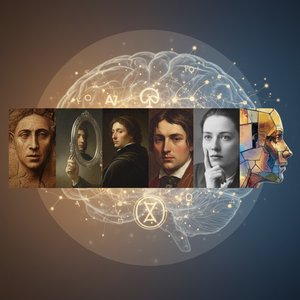 Reflecting the Self: A History of Portraiture & Psychological InsightExplore the fascinating history of self-portraiture from Renaissance masters like Dürer & Rembrandt to modern interpretations. Discover the…