
 Visualizar na parede
 Compartilhar
 Compartilhar
 Detalhes
 Guia
Guia

 Baixar imagem
 Semelhantes
 Raio X
 Ver diaporama
 Perguntas e Respostas
 Estatísticas
A la baignade au fleuve Niger

- 43.0 x 41.0 cm


 Ler mais
A obra de arte exibida nesta página é protegida por leis de direitos autorais, o que significa que não podemos criar ou vender legalmente uma reprodução idêntica. Esta proteção é aplicada por meio de acordos internacionais, tais como a Convenção de Berna e pelas leis nacionais, incluindo as estabelecidas por Lei de Direitos Autorais dos EUA - Título 17.
Este método cumpre plenamente as regulamentações de direitos autorais, pois não envolve a cópia ou duplicação da obra protegida. Em vez disso, trata-se de uma reinterpretação criativa — uma nova pintura que é influenciada pela original, mas não idêntica a ela.
Giclée / Impressão de Arte
Impressão giclée ou em tela de qualidade de museu, com produção rápida e opções flexíveis de acabamento. ( Comprar pintura feita à mão Alternar para Imagem Digital)




P118B €10

P118H €10

P118W €10

P438Z €10

P508JH €12

P508YH €12

P805H €10

P805Z €10

P919BZ €10

P919G €10

P919XJ €10

P959ZH €10

P968JZ €12

W106C €8

W218G €10

W218JH €8

W218Y €10

W307PJ €10

W316G €10

W316PJ €8

W316Y €10

W398PJ €8

W4111J €10

W500HY €15

W500JH €15

W692G €12

W849H €8

W940BG €15

W953PJ €8




Escolha entre os nossos tamanhos pré-definidos que respeitam as proporções originais da obra de arte.

Insira a largura e a altura desejadas para se ajustarem à sua moldura ou parede. Uma impressão pode ser apenas cortada, nunca ampliada além da imagem original; portanto, um tamanho com proporções diferentes resultará na perda de parte da imagem. Enviamos uma maquete digital para sua aprovação antes de realizarmos a impressão. A imagem exibida nesta página não mostra o corte real — apenas a maquete o faz.
Entrega mundial () em 2 semanas, em vez das 4/5 semanas padrão. (3 Novembro)

Envio expresso gratuito para todo o mundo

Tela de Linho de Alta Qualidade

Seguro de transporte completo

Garantia de Reembolso de Impostos Alfandegários

Garantia de Fidelidade Cromática

Política de Devolução em 100 Dias (Apenas para Defeitos)

Garantia de reembolso de 100%

Oferta de desconto por quantidade
 A opção de vidro está disponível apenas para tamanhos inferiores a 110 cm

A la baignade au fleuve Niger
Giclée / Impressão de Arte
Tamanho da Reprodução
-


Preço Total
€ 72
A Moment Frozen in Time: Malick Sidibé’s “À la Baignade au Fleuve Niger”
Malick Sidibé's "À la Baignade au Fleuve Niger" (On the Beach of River Niger), a captivating black and white photograph from 1973, isn’t merely a depiction of a riverside gathering; it’s a vibrant snapshot of burgeoning youth culture in post-colonial Bamako, Mali. The image, rendered with Sidibé's signature documentary style – reminiscent of the pioneering work of Malick Sidibé – captures a scene brimming with youthful energy and a subtle defiance against traditional societal constraints. It feels less like a staged portrait and more like a fleeting glimpse into a spontaneous celebration, a testament to the photographer’s ability to freeze a moment of genuine human connection.
The composition immediately draws the eye to a central figure standing confidently, his posture suggesting both authority and openness. Around him, a group of young men – many adorned in distinctive Keffiyeh scarves – are engaged in playful interaction, dancing, flirting, and simply enjoying each other’s company. The arrangement isn't formal; it feels organic, mirroring the unscripted nature of the scene itself. Diagonal lines created by the bodies contribute to a dynamic sense of movement, while horizontal elements define the shoreline and riverbank, providing a grounding stability to the image. The photograph’s power lies in its ability to convey a feeling of immediacy – as if we've stumbled upon this joyful moment unexpectedly.
The Photographer’s Vision: Technique and Context
Sidibé’s technical approach is rooted in traditional black-and-white photography, utilizing a combination of flash for outdoor shots and tungsten lighting within his studio. This deliberate choice reflects his commitment to capturing the essence of the scene without overly manipulating it. The image's grainy texture, characteristic of silver gelatin prints on photographic paper, adds a layer of authenticity and reinforces the documentary feel. It’s a testament to Sidibé’s skill that he manages to imbue such a simple composition with so much visual richness.
Born in 1936 in Sologo, Mali, Malick Sidibé's early life was deeply connected to the rhythms of rural Fulani culture. This experience profoundly shaped his artistic vision, fostering an appreciation for storytelling and a keen eye for capturing the nuances of everyday life. His apprenticeship with photographer Gérard Guillat-G allowed him to hone his craft, but it was in Bamako that Sidibé truly found his voice, documenting the city’s evolving social landscape during a period of significant transformation. The photograph's creation coincided with a shift in Malian society – a move towards greater freedom and self-expression among young people.
Symbolism and Emotional Resonance
The Keffiyeh scarves worn by many of the figures are particularly symbolic, representing both cultural identity and a subtle act of rebellion. These traditional head coverings were often associated with nomadic traditions but here they’re adopted as markers of youthful style and social engagement. The photograph evokes a powerful sense of nostalgia – a longing for simpler times and genuine human connection. It speaks to the universal desire for joy, freedom, and belonging.
Beyond its immediate visual appeal, “À la Baignade au Fleuve Niger” offers a poignant commentary on the transition from traditional values to modern aspirations. The photograph captures a moment of liberation – a young generation embracing new possibilities while retaining their cultural roots. It’s a reminder that even in times of rapid change, the fundamental human need for connection and celebration endures.
A Legacy Preserved: Reproduction and Appreciation
Reproduced with meticulous attention to detail, this artwork offers a remarkable opportunity to bring Sidibé's evocative vision into any space. The original’s rich textures and tonal range are faithfully recreated in high-quality reproductions, ensuring that the photograph retains its emotional impact. Whether displayed as a statement piece or incorporated into a broader collection of African art, “À la Baignade au Fleuve Niger” serves as a powerful reminder of Malick Sidibé's enduring legacy – a testament to his ability to capture the heart and soul of a nation through the lens of his camera.
Perguntas e Respostas
Qual uso e espaço são recomendados para "A la baignade au fleuve Niger", de Malick Sidibé?
"A la baignade au fleuve Niger" é sugerida para Statement, e o espaço recomendado é um(a) Living Room.
Quanta luz as cores de "A la baignade au fleuve Niger" parecem refletir?
"A la baignade au fleuve Niger", de Malick Sidibé possui uma luminância Luminous. A luminância descreve quanta luz as cores parecem refletir.
Quais são as dimensões de "A la baignade au fleuve Niger", de Malick Sidibé na vida real?
As dimensões registradas de "A la baignade au fleuve Niger", de Malick Sidibé são 43 x 41 cm. Reproduções podem ser encomendadas em outros tamanhos, mantendo as mesmas proporções.
Biografia do Artista
A Chronicler of Joy: The Life and Legacy of Malick Sidibé
Malick Sidibé emerged from the rural heartland of Mali to become one of Africa’s most celebrated photographers, a visual poet who captured a nation in transition with an unparalleled eye for intimacy and dynamism. Born in 1936 in Sologo, his early life was deeply rooted in traditional Malian existence – tending animals, working the land, far removed from the bustling urban center of Bamako. This formative period instilled within him a profound connection to his cultural heritage, a sensibility that would profoundly shape his artistic vision. A pivotal moment arrived when he was selected by the village chief to attend school in Yanfolila, an opportunity that opened doors to education and ignited a nascent passion for art. His talent for drawing quickly became apparent, leading to commissions for official events and ultimately securing his acceptance into the Institut National des Arts de Bamako. It was there he encountered Gérard Guillat-Guignard, a French photographer who served as his mentor, guiding him through the technical intricacies of the medium not through formal instruction, but through observation and practical experience – a method that prioritized capturing life as it unfolded, rather than staging contrived scenes.Bamako in Bloom: Documenting a Generation
In 1952, Sidibé relocated to Bamako, a city undergoing rapid transformation as Mali approached independence. He began his formal photographic training under Guillat-Guignard at the Gégé la Pellicule photo service boutique in 1955, honing his skills before acquiring his first camera, a Brownie Flash, in 1956. By 1957, he had established Studio Malick, becoming an integral part of Bamako’s social landscape. Sidibé didn't merely document the city; he immersed himself within it, drawn to the vibrant youth culture that was blossoming in the wake of colonial rule. His lens focused on a diverse range of subjects: sporting events brimming with youthful energy, lively beach gatherings filled with laughter and camaraderie, pulsating nightclubs where music and dance reigned supreme, and intimate moments of courtship – scenes that collectively encapsulated a generation’s newfound freedoms and aspirations. He deliberately avoided the formality of traditional studio portraiture, preferring instead to capture his subjects in candid moments, amidst the energetic backdrop of Bamako's social life. This approach resulted in striking black-and-white images imbued with an immediacy and authenticity that resonated deeply within Malian society and would eventually captivate audiences worldwide. The spirit of this era – a blend of tradition and modernity, hope and uncertainty – is powerfully conveyed through his photographs.Style and Substance: A Unique Photographic Vision
Sidibé’s artistic style is characterized by a remarkable blend of technical skill and empathetic observation. His early training in drawing profoundly influenced his approach to portraiture; he carefully considered composition, posing subjects not for static representation but to convey a sense of life and movement. He possessed an innate ability to connect with his subjects, fostering a relaxed atmosphere that allowed their personalities to shine through – a key element in the success of his work. This intimacy is palpable in his photographs, creating a powerful connection between the viewer and those depicted. A recurring theme throughout his work is the celebration of post-colonial joy and the burgeoning youth culture of Mali during the 1960s and 70s. Music played an integral role in this era, and Sidibé’s images frequently depict scenes of dancing and revelry, capturing the liberating spirit of a generation embracing newfound freedoms. His photographs are inextricably linked to music – not merely as a backdrop, but as a driving force that united people and expressed their collective identity. Nuit de Noël (Christmas Eve), perhaps his most iconic image, exemplifies this perfectly: a smiling couple lost in dance, radiating an infectious energy that transcends cultural boundaries. The use of simple props—a brightly colored scarf, a playful hat—adds to the sense of spontaneity and joy.Studio Malick: A Hub of Creativity
Alongside Sidibé’s celebrated documentary photographs of Bamako nightlife, he created iconic portraits within his studio, named ‘Studio Malick,’ which operated in the popular Bagadadji neighborhood. This space wasn't just a photography studio; it was a vibrant social hub – a place where young people gathered to socialize, dance, and express themselves. “The studio was like no other,” he recalled: “It was… relaxed. I did formal family shots, too, but often it was like a party. People would drop by, stay, eat. I slept in the developing room.” The portraits created in Studio Malick reflected the changes that were happening in society. Unlike the official photographs produced during the French colonial era, which were primarily used for identification purposes, Sidibé’s images allowed Malians to represent themselves freely and confidently. He incorporated particular commodities – cars, cameras, radios, or Western clothing – onto his subjects' images, signifying their aspirations and reflecting their position within the evolving social and economic landscape. Photography served as a powerful tool in expressing belonging (whether real or desired) to specific social and economic classes, enabling people to reclaim agency over their own image and construct their identities.International Recognition and Enduring Legacy
Malick Sidibé’s work gained international recognition in the 1990s thanks to the efforts of photographer Françoise Haguier and curator André Magnin, who were dispatched by collector Jean Pigozzi to explore West African art. His photographs began appearing in exhibitions around the globe, garnering critical acclaim and establishing him as a major figure in contemporary photography. He received numerous prestigious awards throughout his career, culminating in the Golden Lion Award for Lifetime Achievement at the Venice Biennale in 2007 – a historic moment that made him both the first photographer and the first African to receive this honor. Other accolades included the Hasselblad Award, the International Center of Photography Infinity Award, and a World Press Photo Award. His work is now held in prominent collections worldwide, including the Contemporary African Art Collection (CAAC), the J. Paul Getty Museum, and the Museum of Modern Art in New York. Sidibé’s influence extends beyond the art world; his distinctive style has been acknowledged in popular culture, most notably inspiring Janet Jackson's 1997 music video "Got 'Til It's Gone," and Inna Modja’s 2015 video for “Tombouctou,” filmed within Studio Malick itself. Malick Sidibé passed away in 2016, leaving behind a profound legacy as one of Mali’s most important photographers and a pivotal figure in the history of African art. His photographs serve as an invaluable visual record of post-colonial Malian society, offering a unique perspective on a period of rapid social and cultural change – a testament to his ability to capture not just images, but also the spirit of a nation.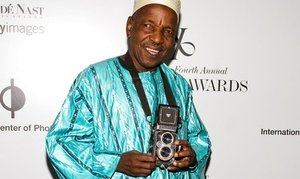
Malick Sidibé
1936 - 2016 , Mali
Dados Rápidos
- Artistic Movement Or Style: Fotografia documental
- Artists Or Movements Influenced By This Artist:
- Inna Modja
- Janet Jackson
- Artists Who Influenced This Artist: ['Gérard Guillat-Guignard']
- Date Of Birth: 1936
- Date Of Death: 2016
- Full Name: Malick Sidibé
- Nationality: Malian
- Notable Artworks:
- Nuit de Noël
- James Brown Fans
- Place Of Birth: Sologo, Mali
Artigos Relacionados

Monochrome Visions: Exploring the Aesthetic & Historical Significance of Black & White Photography
Explore the rich history & artistic power of black and white photography. From early techniques to iconic masters like Ansel Adams, discover why monochrome continues to captivate art lovers today. Expert insights for collectors.

Shadow & Soul: Why Black & White Photography Remains the Ultimate Power Move in Modern Art
Discover why black & white photography remains a powerful force in contemporary art. Explore the impact of light, shadow, and texture through a visual journey of monochrome mastery and learn how to elevate your space with timeless grayscale aesthetics.

Beyond Color: The Timeless Power and Artistry of Black and White Photography
Explore the profound artistry of black and white photography. From the chemistry of gelatin silver to the chiaroscuro of the Old Masters, discover how monochrome captures the eternal essence of light, form, and emotion for the discerning art collector.

Timeless Shadows: The Artistry, History, and Emotional Resonance of Black and White Photography
Explore the profound artistry of black and white photography. From historical mastery to the interplay of light and shadow, discover how monochrome captures timeless emotion and form through a sophisticated lens of art history.

Os 10 Quadros Mais Famosos Dominados pelo Branco: Arte e Decoração
Descubra os 10 quadros mais famosos dominados pelo branco, de Monet a Kandinsky! Explore a história da arte, técnicas e o poder da paleta neutra. Encontre reproduções de alta qualidade para sua decoração em OriginalUniqueArt.com.