Contemporary Fantasy
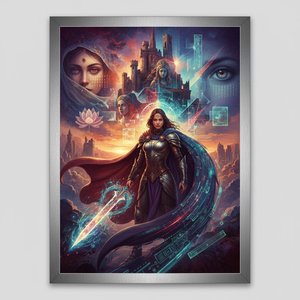
Backcover (Luis Royo)
Luis Royo (1954) criou Backcover. Pertence ao movimento Contemporary Fantasy.

 Visualizar na parede

 Pintura a Óleo Feita à Mão
 Compartilhar
 Compartilhar
 Ficha técnica


 Baixar imagem
 Semelhantes
 Raio X
 Ver diaporama
 Perguntas e Respostas

 Estatísticas
Backcover, em resumo
- Título
- Backcover
- Artista
- Luis Royo (1954)
- Artista nascido em
- Olalla, Espanha
- Movimento
- Contemporary Fantasy
- Tema
- fantasy, nude figure, dark art, digital art, gothic, ethereal
Imagens em alta resolução de Backcover
Protected by copyright: these files are for personal reference, not a licence to republish.
Luis Royo, Backcover.
Perguntas sobre Backcover respondidas
Quais temas aparecem em "Backcover", de Luis Royo?
A imagem de "Backcover", de Luis Royo pode ser reproduzida livremente?
A qual artista "Backcover" é atribuída?
A qual movimento artístico pertence "Backcover", de Luis Royo?
A que fase da trajetória de Luis Royo "Backcover" pertence?
O que "Backcover" compartilha com o restante da obra de Luis Royo?
"Backcover" é típico do que Luis Royo costumava criar?
"Backcover" retrata fantasy, nude figure, dark art, digital art, gothic, ethereal, symbolism, detailed illustration, enquanto os temas recorrentes de Luis Royo são classical & fantasy blend, heavy metal aesthetic, strong female archetype, erotic undertones present, dark, symbolic imagery, royo's signature style, exploring vulnerability". A comparação entre ambos revela como a obra se relaciona com os temas habituais do artista.
Sobre o artista, Luis Royo

1954, Espanha
Luis Royo
A Realm Forged in Imagination: The Life and Art of Luis Royo Born in the serene landscapes of Olalla, Spain, in 1954, Luis Royo emerged as a pivotal figure in fantasy illustration, crafting worlds that pulse with both ethereal beauty and haunting darkness. His journey began not amidst brushes and canvases, but with an early fascination for furniture design – a grounding in form and structure that would subtly inform his later artistic endeavors. However, the burgeoning world of comics soon beckoned, igniting a passion that steered him toward a full-time career in art by 1979. The late 1970s witnessed Royo’s initial forays into publication, with work appearing in influential Spanish magazines like *Comix Rambla Internacional* and *El Vibora*, spaces where he honed his skills and began to develop the distinctive style that would soon captivate a global audience.
Também de Luis Royo
 Caress
 Frankensteins bride first visit to the lab
 Thedaisy
 Dream in year and dreams (2000)
Ensaios sobre Backcover
 Masterpieces of Darkness: The Top 25 Francisco Goya ArtworksExplore 25 iconic Francisco Goya masterpieces, from royal portraits to dark etchings. Discover the full collection online at OriginalUnique…
 Luis Royo: Exploring the Intersection of Fantasy, Feminism & Digital ArtExplore the captivating world of Luis Royo, a pioneer in fantasy & digital art. Discover his signature style, feminist themes, and lasting …
 Masterpieces of Darkness and Light: The 25 Best Artworks by Francisco GoyaJourney through the shadows and light of Francisco Goya’s greatest works. From haunting Black Paintings to royal portraits, explore 25 icon…