

 Visualizar na parede
 Compartilhar
 Compartilhar
 Detalhes
 Guia
Guia

 Baixar imagem
 Semelhantes
 Raio X
 Ver diaporama
 Estatísticas
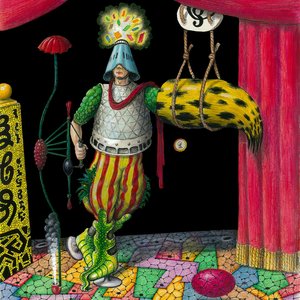
Fish from "Codex Seraphinianus"


 Ler mais
A obra de arte exibida nesta página é protegida por leis de direitos autorais, o que significa que não podemos criar ou vender legalmente uma reprodução idêntica. Esta proteção é aplicada por meio de acordos internacionais, tais como a Convenção de Berna e pelas leis nacionais, incluindo as estabelecidas por Lei de Direitos Autorais dos EUA - Título 17.
Este método cumpre plenamente as regulamentações de direitos autorais, pois não envolve a cópia ou duplicação da obra protegida. Em vez disso, trata-se de uma reinterpretação criativa — uma nova pintura que é influenciada pela original, mas não idêntica a ela.
Giclée / Impressão de Arte
Impressão giclée ou em tela de qualidade de museu, com produção rápida e opções flexíveis de acabamento. ( Comprar pintura feita à mão Alternar para Imagem Digital)




































Escolha entre os nossos tamanhos pré-definidos que respeitam as proporções originais da obra de arte.

Insira a largura e a altura desejadas para se ajustarem à sua moldura ou parede. Uma impressão pode ser apenas cortada, nunca ampliada além da imagem original; portanto, um tamanho com proporções diferentes resultará na perda de parte da imagem. Enviamos uma maquete digital para sua aprovação antes de realizarmos a impressão. A imagem exibida nesta página não mostra o corte real — apenas a maquete o faz.
Entrega mundial () em 2 semanas, em vez das 4/5 semanas padrão. (27 Outubro)

Envio expresso gratuito para todo o mundo

Tela de Linho de Alta Qualidade

Seguro de transporte completo

Garantia de Reembolso de Impostos Alfandegários

Garantia de Fidelidade Cromática

Política de Devolução em 100 Dias (Apenas para Defeitos)

Garantia de reembolso de 100%

Oferta de desconto por quantidade
 A opção de vidro está disponível apenas para tamanhos inferiores a 110 cm

Fish from "Codex Seraphinianus"
Giclée / Impressão de Arte
Tamanho da Reprodução
-


Preço Total
€ 70
Biografia do Artista
O Arquiteto de Reinos Inalcançáveis
Luigi Serafini, nascido em Roma em 1949, ocupa um espaço singular no imaginário contemporâneo, atuando tanto como um arquiteto de estruturas físicas quanto como um cartógrafo de mundos impossíveis. Encontrar sua obra é adentrar um espaço liminar onde as fronteiras entre a realidade e o sonho se dissolvem. Criado dentro de uma linhagem artística, a vida precoce de Serafini foi imersa nas nuances da forma e do design, uma base que mais tarde lhe permitiria construir a ponte entre a lógica rigorosa da arquitetura e o caos fluido da fantasia surrealista. Sua jornada acadêmica pela ETH Zurich e pela Università degli Studi di Milano proporcionou-lhe uma compreensão sofisticada da dinâmica espacial, contudo, sua verdadeira vocação residia na construção de linguagens e símbolos que desafiam as restrientes da compreensão humana.
O momento definidor da carreira de Serafini — e talvez uma das conquistas mais significativas na arte conceitual do final do século XX — é a publicação do Codex Seraphinianus em 1981. Esta obra monumental serve como uma enciclopédia de um mundo inexistente, renderizada através de ilustrações meticulosas feitas à mão e um alfabeto inteiramente inventado. O Codex não é meramente um livro; é uma provocação profunda contra a tirania do significado linguístico. Ao apresentar um sistema de comunicação intencionalmente indecifrável, Serafini força o espectador a abandonar a busca pela tradução literal e, em vez disso, engajar-se com o poder puro e visceral da percepção visual. Dentro de suas páginas, anomalias biológicas, pranchas de moda surrealistas e espécimes botânicos bizarros coexistem em um estado de bela e inquietante harmonia.
Uma Sinfonia de Metalinguagem e Forma
Além das fronteiras enigmáticas de seu famoso códice, a evolução artística de Serafini tem sido marcada por uma busca implacável pela "metalinguagem" — uma forma de comunicar através de objetos que existem fora da semiótica tradicional. Sua prática é caracterizada por uma versatilidade extraordinária, movendo-se perfeitamente da precisão estrutural do design arquitetônico para as texturas lúdicas da escultura cerâmica e a grandeza teatral do cenário de balé. Cada meio serve como um receptáculo para sua fascinação pelo estranho e pelo invisível. Em seus empreendimentos escultóricos, encontra-se uma exploração tátil da forma que espelha as formas orgânicas, porém alienígenas, encontradas em suas ilustrações, criando um universo coeso onde o físico e o imaginário estão inextricavelmente ligados.
O domínio técnico evidente em seu trabalho é nada menos que de tirar o fôlego. Esteja ele renderizando os padrões intrincados e vibrantes de uma prancha de moda alienígena ou esculpindo objetos complexos e multicamadas, há um sentido palpável de detalhe minucioso. Sua habilidade de evocar emoção por meios puramente estéticos — sem o apoio de uma linguagem reconhecível — é o que eleva seu trabalho de mera fantasia para uma profunda investigação filosófica. Ele nos convida a considerar a natureza da existência e a fragilidade de nossos próprios sistemas de compreensão. Através de sua arte, o espectador é encorajado a abraçar o mistério do desconhecido, encontrando beleza nas mesmas coisas que permanecem para sempre além do nosso alcance.
Legado e o Horizonte Infinito
A importância histórica de Luigi Serafini reside em sua capacidade de desafiar a relação fundamental entre o observador e o observado. Em uma era dominada pela rápida troca de informações e pela constante demanda por clareza, Serafini oferece um santuário de ambiguidade. Sua obra permanece como um testemunho do poder duradouro da imaginação e da possibilidade de criar significado através da pura experiência estética. Ele alterou fundamentalmente o cenário do design contemporâneo ao provar que a arte pode operar de forma inteiramente independente de sistemas linguísticos ou culturais estabelecidos.
Hoje, a influência da abordagem visionária de Serafini pode ser vista em várias disciplinas, desde a ilustração surrealista até a tipografia experimental e a instalação conceitual. Seu legado não é encontrado em um único movimento, mas na fascinação duradoura pelo "intraduzível". À medida que continuamos a navegar por um mundo cada vez mais complexo, as paisagens enigmáticas do Codex Seraphinianus e as maravilhas táteis de seus objetos de metalinguagem permanecem vitais, lembrando-nos de que as verdades mais profundas são frequentemente aquelas que não podem ser ditas, apenas sentidas.
Luigi Serafini
1949 - , Itália
Dados Rápidos
- Artistas Que Influenciaram Este Artista:
- Carlo Scarpa
- Franco Maria Ricci
- Data De Nascimento: 4 de agosto de 1949
- Local De Nascimento: Roma, Itália
- Movimento Ou Estilo Artístico: Arte Futurista
- Nacionalidade: Italiano
- Nome Completo: Luigi Serafini
- Obras De Arte Notáveis:
- Codex Seraphinianus
- Cirurgiões do "Codex Seraphinianus"
- Prancha do Codex Seraphinianus