- Início

- Impressão em tela
- luigi prinotto
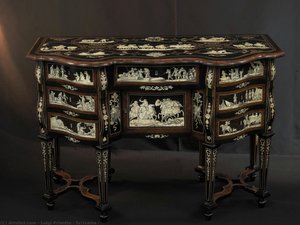
- Escrivania

 Encomendar pintura Comprar imagem em alta resolução
 Enviar
 Compartilhar
 Detalhes da obra
 Adicionar aos favoritos

 Baixar
 Semelhantes
 Raio X
 Slideshow
Escrivania
 Acrílico sobre tela
- Arte de Parede
- Baroque Style
 1730
1730 131.0 x 83.0 cm
 Palácio de Venaria Reale
 Ver mais
Giclê / Impressão de Arte
Impressão giclée ou em tela de qualidade de museu, com produção rápida e opções flexíveis de acabamento.




P118B $10

P118H $10

P118W $10

P438Z $10

P508JH $12

P508YH $12

P805H $10

P805Z $10

P919BZ $10

P919G $10

P919XJ $10

P959ZH $10

P968JZ $12

W106C $8

W218G $10

W218JH $8

W218Y $10

W307PJ $10

W316G $10

W316PJ $8

W316Y $10

W398PJ $8

W4111J $10

W500HY $15

W500JH $15

W692G $12

W849H $8

W940BG $15

W953PJ $8




Escolha entre os nossos tamanhos pré-definidos que respeitam as proporções originais da obra de arte.

Você pode inserir suas próprias dimensões para se ajustar a uma moldura ou espaço específico. Se o tamanho selecionado não corresponder às proporções da imagem original, iremos recortar a obra de arte ou estender a imagem com uma borda espelhada ou preenchimento sólido. Um mockup digital será enviado para sua aprovação antes do início da produção.
Por favor, observe que a visualização na tela não reflete o recorte ou a extensão real. Apenas o mockup mostrará com precisão a composição final.
Embora tamanhos personalizados estejam disponíveis, recomendamos selecionar uma dimensão da lista predefinida para preservar as proporções originais.
Entrega mundial () em 2 semanas, em vez das 4/5 semanas padrão. (22 Julho)

Envio Expresso Gratuito para todo o Mundo

Tela de Linho Premium

Seguro de envio completo

Garantia de Reembolso de Impostos Alfandegários

Garantia de Fidelidade de Cores

Política de Devolução de 60 Dias (Apenas para Defeitos)

Garantia de 100% de Reembolso

Desconto para múltiplas unidades
 A opção de vidro está disponível apenas para tamanhos inferiores a 110 cm

Escrivania
Giclê / Impressão de Arte
Dimensões da Reprodução
-


Preço Total Final
-
Descrição da Obra
Uma Janela para o Século XVIII Italiano: Uma Análise da Obra de Luigi Prinotto – Scrivania
A pintura "Scrivania" do artista italiano Luigi Prinotto, criada em 1730, oferece um olhar fascinante sobre a vida cotidiana e as preocupações estéticas da época barroca romana. Mais do que apenas uma representação de um escritório doméstico, esta obra é um testemunho da influência artística dos Recolletos e da busca pela beleza idealizada que caracterizou o período. A composição da tela captura um ambiente dinâmico onde figuras humanas interagem em torno de uma mesa adornada com elementos como gavetas e um gabinete superior. Uma elefante majestosa ocupa um lugar proeminente à direita, adicionando um elemento inesperado que pode ser interpretado como símbolo de riqueza e poder – características frequentemente presentes nas obras barrocas patrocinadas pela aristocracia romana. O uso habilidoso da luz e sombra, uma marca registrada pelo artista, cria profundidade e drama na cena, evocando a maestria dos grandes mestres italianos como Caravaggio e Rembrandt. A pintura reflete o espírito religioso do artista, Claude François (Frère Luc), que após um acidente quase fatal em uma torre de igreja, jurou dedicar sua vida à ordem franciscana. Sua formação inicial sob Simon Vouet, um pintor manierista renomado em Paris, proporcionou-lhe uma base sólida para explorar as técnicas inovadoras da escola romana e absorver o legado artístico dos artistas anteriores. Prinotto demonstra uma profunda compreensão da estética barroca, buscando transmitir emoções e ideias através de uma composição equilibrada e detalhada. A obra é considerada um exemplo significativo do estilo barroco romano, que buscava expressar fervor religioso e celebrar a grandeza humana em contraste com o equilíbrio clássico anterior. Além disso, "Scrivania" exemplifica como artistas da época utilizavam símbolos para transmitir mensagens específicas sobre valores morais e religiosos. O elefante, por exemplo, pode representar força espiritual e conhecimento erudito – conceitos importantes na cultura intelectual do século XVIII. Para aqueles que apreciam a arte barroca ou desejam adicionar uma obra de arte sofisticada à decoração residencial, uma reprodução meticulosamente elaborada de "Scrivania" oferece uma oportunidade única para apreciar a beleza e o impacto emocional da pintura original. Uma peça que convida à contemplação e à reflexão sobre os valores humanos em um contexto histórico rico e inspirador.- Artista: Luigi Prinotto
- Ano: 1730
- Estilo: Barroco Romano
- Técnica: Pintura a óleo sobre tela
- Localização: Museu San Luigi dei Francesi, Roma
Biografia do Artista
Claude François (Frère Luc): A Life Painted in Faith and Light
Claude François, more intimately known as Frère Luc – a name bestowed upon him after his dedication to the Recollets order – stands as a compelling figure within 17th-century French art. Born in Amiens around 1614, his early life was marked by a fascination with drawing and an apprenticeship under Simon Vouet, a prominent Mannerist painter in Paris. This initial training provided him with a solid foundation, but it was his subsequent journey to Rome that truly shaped his artistic vision. There, amidst the echoes of the Old Masters, he honed his skills, meticulously copying works by giants like Jacopo Bassano and absorbing their techniques – particularly the masterful use of light and shadow. A pivotal moment in his life occurred during a youthful fall from a church tower; this event, recounted with dramatic detail, became intertwined with a promise to dedicate his life to religious service, solidifying his path towards monasticism.The Recollets and a Journey to New France
In 1670, Claude François embraced the Recoletos (Recollets) order in Châlons-en-Champagne, adopting the moniker Frère Luc. This transition marked a significant shift in his artistic focus, moving away from purely secular commissions and towards devotional works intended to inspire faith. His time within the monastery was not merely one of quiet contemplation; he actively contributed to the embellishment of sacred spaces, notably designing the reconstruction of Quebec’s monastery and seminary – a testament to his practical skills and dedication. However, his artistic spirit extended beyond France's borders, leading him to New France (Canada) in 1670. During his fifteen-month sojourn, Frère Luc produced a series of monumental religious paintings, most notably *La Sainte Famille à la Huronne* (The Holy Family with a Huron Woman), which remains a significant work reflecting the complexities and nuances of early colonial encounters. These canvases served as powerful visual narratives for the burgeoning Catholic community in Quebec City, bridging European artistic traditions with Indigenous perspectives.Style and Influences: A Harmonious Blend
Frère Luc’s artistic style is characterized by a remarkable synthesis of influences – a harmonious blend of Mannerism, Raphael's grace, and the dramatic lighting techniques of Italian masters. His early works, particularly those produced in Rome, demonstrate a clear admiration for Raphael, mirroring his compositional clarity, balanced forms, and refined elegance. However, he wasn’t merely a copyist; he infused these influences with a distinctly French sensibility, employing a softer palette and a more intimate portrayal of figures. The impact of Flemish genre painting, particularly the work of Adriaen Brouwer, is also evident in his depictions of peasant life – scenes rendered with a keen eye for detail, capturing both the humor and the hardship of everyday existence. Furthermore, elements of Caravaggio’s dramatic chiaroscuro are subtly integrated into his compositions, creating a sense of depth and emotional intensity.Notable Works and Legacy
Among Frère Luc's most celebrated works are *L'Assomption de la Vierge* (The Assumption of the Virgin), created at a remarkably young age in Amiens, and his series of paintings for the Jacobin church – including a copy of Bassano’s *Assumption*. His portrait of Saint Augustine presenting a dead child to the Madonna and Child, with a canvas showing his fall into the Somme behind the Virgin, is a poignant example of his ability to imbue religious subjects with personal narrative. His contributions to Quebec City's artistic landscape were particularly significant, establishing a precedent for large-scale devotional paintings that would shape the visual identity of the nascent colony. While often overshadowed by more prominent figures of the era, Claude François (Frère Luc) remains a vital figure in French art history – an artist who seamlessly combined religious devotion with technical mastery and a profound understanding of human experience.Connections to Other Artists
Frère Luc’s artistic journey reveals intriguing connections to other prominent figures of the 17th century. His early training under Simon Vouet, a key figure in the development of French portraiture, laid the groundwork for his subsequent career. The influence of Domenichino, Raphael's student, is also apparent in his meticulous attention to detail and compositional balance. Furthermore, his time in Rome exposed him to the works of Jacopo Bassano, whose dramatic use of light and color profoundly impacted his own style. The echoes of Adriaen Brouwer’s genre paintings are particularly noticeable in his depictions of peasant life, suggesting a shared interest in capturing the realities of everyday existence. Finally, his work with Jean-Marc Nattier during the later years of his career demonstrates a continued engagement with portraiture and a mastery of fashionable artistic trends.
luigi prinotto
1685 - 1780 , Italy
Informações Rápidas
- Artistic Movement Or Style: Baroque
- Artists Or Movements Influenced By This Artist:
- Jacopo Bassano
- Jean-Marc Nattier
- Artists Who Influenced This Artist:
- Simon Vouet
- Raphael
- Date Of Birth: 1614
- Date Of Death: 1685
- Full Name: Claude François (Frère Luc)
- Nationality: French
- Notable Artworks:
- Assumption of the Virgin
- Saint Augustine's Vision
- Place Of Birth: Amiens, France
Artigos Relacionados
Metropolitan Museum of Art: 25 Obras-Primas Essenciais para Amantes da Arte
Descubra as 25 obras-primas do Metropolitan Museum of Art em Nova York! Explore a história de Van Gogh, Monet e outros artistas renomados. Encontre reproduções de arte exclusivas para decorar sua casa com elegância. OriginalUniqueArt.com – Sua fonte de inspiração artística.
25 Obras-Primas do DIA: Arte, História e Decoração Inspiradora em Detroit
Descubra as 25 obras-primas do Detroit Institute of Arts! Explore a história de Van Gogh, Monet e outros artistas icônicos. Encontre reproduções de arte de alta qualidade para decorar sua casa com elegância. OriginalUniqueArt.com: A sua fonte de inspiração artística.
As 25 Obras-Primas do MoMA: Uma Jornada pela Arte Moderna | OriginalUniqueArt
Descubra as 25 obras mais emblemáticas do MoMA, de Van Gogh a Warhol! Explore a história da arte moderna, movimentos como Cubismo e Expressionismo, e encontre reproduções de alta qualidade para decorar sua casa. Inspire-se em Monet, Picasso e Kandinsky. Explore a coleção completa na OriginalUniqueArt.com
Os 25 Tesouros da National Gallery of Art: Arte, História e Decoração Exclusiva
Descubra os 25 tesouros da National Gallery of Art, Washington! Explore a história de Cézanne, Matisse, Picasso e outros mestres. Encontre reproduções de arte exclusivas para decorar sua casa com elegância. Inspire-se e explore a coleção completa em OriginalUniqueArt.com.

James Abbott McNeill Whistler: As 25 Obras-Primas que Definem um Mestre da Arte
Descubra as 25 obras-primas de James Abbott McNeill Whistler, o mestre do Impressionismo e dos 'Nocturnes'. Explore a história por trás de cada pintura, cores e técnicas. Encontre reproduções de arte exclusivas para decorar sua casa com elegância em OriginalUniqueArt.com!