
 Visualizar na parede
 Compartilhar
 Compartilhar
 Detalhes

 Baixar imagem
 Semelhantes
 Raio X
 Slideshow
 Estatísticas
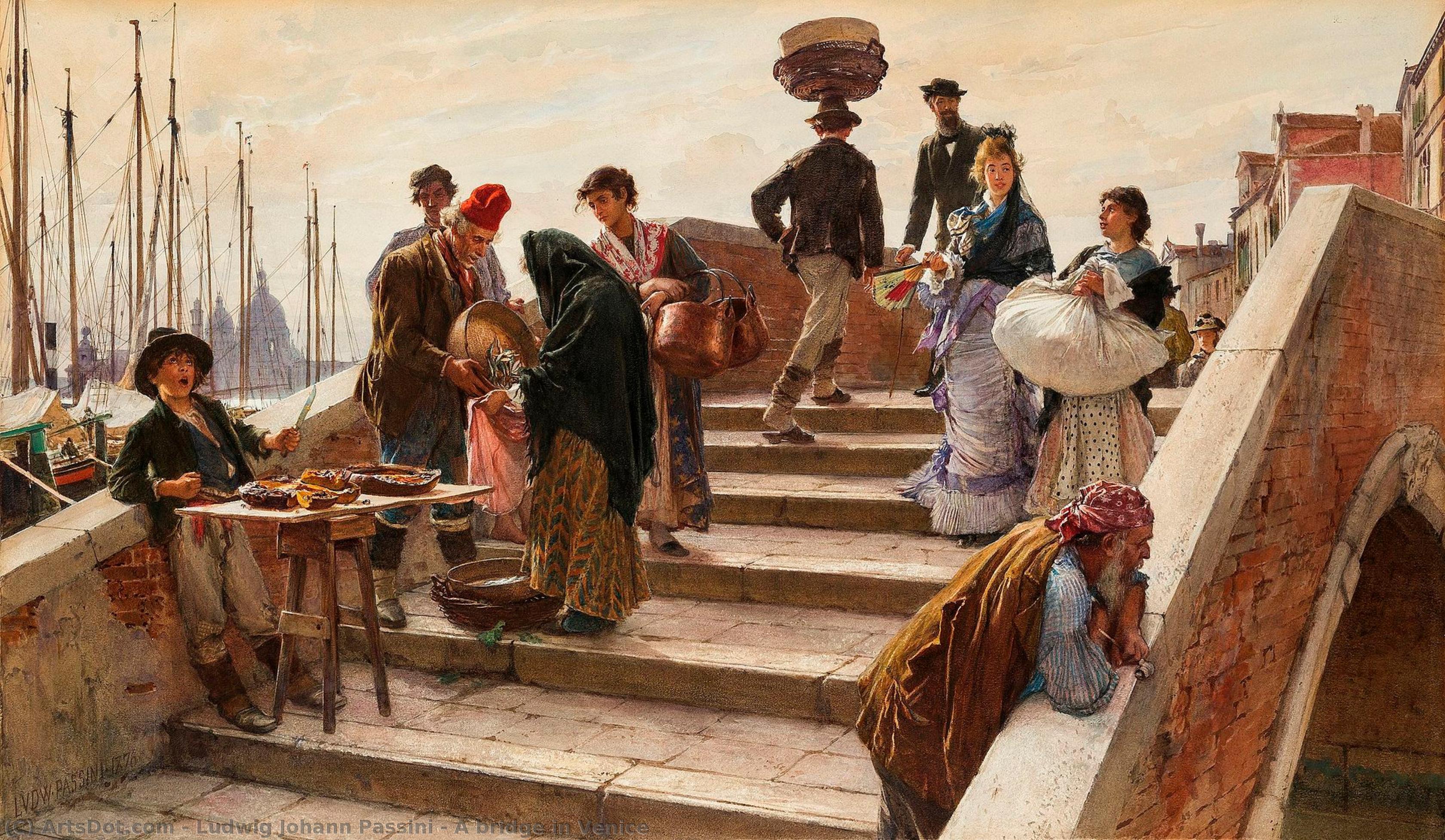
A bridge in Venice


 Ler mais
Adquira uma imagem digital de alta resolução e aprimorada, muito superior à prévia online.
Cada arquivo é meticulosamente preparado por nossos especialistas internos, utilizando ferramentas avançadas e retoques manuais de alta precisão. Garantimos que cada imagem apresente clareza excepcional, fidelidade de cores e detalhes minuciosos.
O arquivo final é entregue por e-mail em até 72 horas, otimizado para uso imediato em ambientes profissionais, editoriais e de impressão. Esta é a mesma qualidade utilizada por estúdios de design de alto nível, editoras e galerias.
Imagem Digital
Baixe um arquivo de alta resolução para exibição pessoal, impressão e projetos criativos. ( Alternar para Impressão Comprar pintura feita à mão)
Incluído em cada compra de imagem digital
Entrega Digital Especializada e Garantida
Ao escolher o OriginalUniqueArt.com, você não está apenas adquirindo uma imagem — você está recebendo uma obra de arte digital profissionalmente aprimorada, elaborada com precisão e com garantia de satisfação. Aqui está tudo o que acompanha seu pedido, automaticamente:

Entrega rápida por e-mail
O seu arquivo de imagem digital em alta resolução será enviado por e-mail em até 72 horas após o pedido — pronto para uso imediato.

Arquivo Digital com IA Otimizado
Sua obra de arte é otimizada profissionalmente por meio de ferramentas avançadas de IA e edição manual, garantindo o máximo de detalhes, clareza e precisão de cores.

Reenvio gratuito vitalício
Apagou ou perdeu o seu ficheiro acidentalmente? Não se preocupe – nós reenviamos para si a qualquer momento, gratuitamente.

Sem Taxas de Importação - Sempre
Desfrute da sua obra de arte instantaneamente, sem taxas alfandegárias, impostos ou custos de entrega — downloads digitais são sempre isentos de taxas.

Garantia de Fidelidade de Cores
Garantimos que sua imagem digital reflita as cores originais com a maior fidelidade possível, utilizando ferramentas profissionais e gerenciamento de cores.

Garantia de Satisfação de 100 Dias
Se não estiver satisfeito com a sua imagem digital, nós a revisaremos ou reembolsaremos 100% dentro de 100 dias — sem perguntas.

Garantia de Reembolso 100%
Não está satisfeito? Receba o reembolso total em até 100 dias após o recebimento do seu arquivo digital — sem perguntas.

Descontos para pedidos em lote
Compre 3 imagens, economize 10% - Compre 5, economize 15% - Compre 10+, economize 20%. Ideal para projetos criativos, galerias e agências.
A Glimpse of Venetian Life: Ludwig Passini's "A Bridge in Venice"
Ludwig Johann Passini’s “A Bridge in Venice,” painted in 1876, offers a captivating snapshot of daily life within the iconic Italian city. This horizontal canvas transports viewers to a bustling scene on one of Venice’s famed bridges, capturing a moment brimming with activity and character. More than just a depiction of architecture, it's a window into the vibrant social fabric of 19th-century Venetian society.
Style & Technique: Realism in Detail
- Artistic Movement: The painting firmly resides within the realm of 19th-century realism. Passini’s meticulous attention to detail, accurate portrayal of figures and settings, and dedication to capturing a specific moment in time are hallmarks of this style.
- Medium & Technique: Executed with oil paints on canvas, the artwork showcases visible brushstrokes that contribute to its textural richness and overall realism. The artist likely employed glazes to achieve subtle color variations and depth within the stone structures and fabrics.
- Compositional Elements: The composition is skillfully organized around a central staircase, acting as a visual pathway drawing the eye into the scene. Figures are strategically placed on both sides of the stairs and at the bridge's top, creating a sense of dynamism and depth. Strong horizontal lines define the bridge and staircase, providing stability, while diagonal lines from the stairs introduce movement.
Historical Context & Venetian Charm
- Setting: Venice in the late 19th century was a thriving hub of trade and culture, attracting visitors from across Europe. Passini’s painting reflects this vibrancy, depicting vendors, locals, and perhaps tourists interacting within the city's unique architectural landscape.
- Artist's Background: Ludwig Johann Passini (1832-1903) was an Austrian narrative and genre painter who settled in Venice, a location that profoundly influenced his artistic output. His work often focused on capturing scenes of everyday life and Venetian culture. He studied under notable artists like Joseph von Führich and Leopold Kupelwieser, honing his skills in observation and detail.
- Cultural Significance: The painting provides valuable insight into the social customs and daily routines of Venice during a period of significant change and modernization. It serves as a visual document of a bygone era, preserving a moment in time for future generations.
Emotional Impact & Symbolic Elements
While not overtly symbolic, "A Bridge in Venice" evokes a powerful sense of nostalgia and charm. The bustling scene suggests a strong sense of community and the vibrancy of everyday life. The warm color palette—dominated by earthy tones with accents of brighter hues—creates a welcoming and inviting atmosphere. The play of light and shadow adds depth and realism, further enhancing the painting's emotional impact.
This artwork is more than just a depiction of a place; it’s an invitation to experience the timeless allure of Venice through the eyes of a skilled observer. It offers a glimpse into a world where history, culture, and human interaction converge in a captivating display of beauty and vitality.
Biografia do Artista
The Venetian Soul: The Life and Art of Ludwig Johann Passini
In the golden light of the nineteenth century, few artists captured the rhythmic pulse of Mediterranean life with as much tenderness and precision as Ludwig Johann Passini. Born in Vienna on July 9, 1832, Passini was a man of dual heritage, an Austrian by birth whose artistic soul became irrevocably entwined with the canals and cobblestones of Italy. His journey began under the watchful eye of his father, Johann Nepomuk Passini, a skilled engraver who provided the young artist with a foundational mastery of line and visual craftsmanship. This early exposure to the meticulous world of printmaking would later manifest in the exquisite detail and narrative clarity that define his most celebrated works.
The trajectory of Passini’s life was shaped by movement and cosmopolitan discovery. Following his family's relocation to Trieste in 1850, he was exposed to a melting pot of cultures that would broaden his artistic horizons far beyond the borders of his native Austria. His formal training at the prestigious Vienna Academy of Art brought him into the orbit of masters such as Joseph von Führich and Leopold Kupelwieser, where he refined a classical sensibility. Yet, it was the encouragement of Führich that propelled him toward Leipzig and eventually to the heart of Italy, setting the stage for a career defined by the pursuit of light, atmosphere, and the human condition.
A Mastery of Genre and the Venetian Spirit
Passini’s artistic evolution is a testament to his ability to adapt his technique to the spirit of his surroundings. During his years in Rome between 1853 and 1870, his work took on a profound narrative quality. He focused intensely on the human figure, placing characters within rich architectural settings and interior spaces that whispered stories of daily existence. It was during this period that he mastered the art of the genre scene—paintings that do not merely depict a moment, but breathe life into the social fabric of the era.
< p>However, it was his permanent move to Venice in 1873 that unlocked his most enduring creative period. Settling for three decades in the magnificent Palazzo Vendramin Calergi, Passini became a cornerstone of an illustrious artist colony. Alongside contemporaries such as Henry Woods and August von Pettenkofen, he participated in a vibrant intellectual exchange that pushed the boundaries of realism. His Venetian oeuvre is a breathtaking collection of watercolors and oils that serve as a visual chronicle of the city. Whether capturing the bustling activity on a bridge or the quiet, spiritual reverence of monks purchasing fish near a cathedral portal, Passini possessed a rare ability to find the extraordinary within the ordinary.Technique, Legacy, and Artistic Significance
The brilliance of Passini’s work lies in his seamless blend of realism and poetic atmosphere. His technique was characterized by a meticulous attention to detail—the texture of sun-drenched brickwork, the subtle shimmer of water, and the intricate folds of period clothing—all rendered with a sensitivity that avoids the coldness of mere documentation. In his watercolors, he achieved a luminous quality that captured the fleeting effects of light, while his oil paintings, such as the evocative A Bridge in Venice, utilized masterful composition to draw the viewer into the heart of the scene.
Beyond his technical prowess, Passini’s historical significance rests in his role as a bridge between classical tradition and the burgeoning interest in modern, everyday life. He did not seek the grandiosity of historical epics; instead, he sought the truth in a child's play or a merchant's trade. His legacy is preserved in the way he immortalized a vanishing way of life, providing future generations with a window into the vibrant, social tapestry of 19th-century Italy. Today, his works remain cherished for their ability to evoke nostalgia and a profound sense of human connection, ensuring that the name Ludwig Johann Passini remains synonymous with the timeless beauty of the Venetian spirit.

ludwig johann passini
1832 - 1903
Breve Biografia
- Artistic Movement Or Style: Realist
- Artists Or Movements Influenced By This Artist: ['Henry Woods']
- Artists Who Influenced This Artist:
- Joseph von Führich
- Leopold Kupelwieser
- Date Of Birth: 1832
- Date Of Death: 1903
- Full Name: Ludwig Johann Passini
- Nationality: Austrian
- Notable Artworks:
- A Shared Confidence
- Roman Children at Play
- Princess Rospigliosi and Baroness Baude
- Place Of Birth: Vienna, Austria