

 Visualizar em escala
 Enviar
 Compartilhar
 Ver detalhes
 Guia de Obras do Aluno

 Baixar imagem
 Semelhantes
 Raio X
 Apresentação de slides
 Estatísticas
Reflection (Self-Portrait)
 Oil On Canvas
- WallArt
- Neo-Figurative Art
 1985
1985- Contemporary
 51.0 x 56.0 cm
 Ver mais
A obra de arte exibida nesta página é protegida por leis de direitos autorais, o que significa que não podemos criar ou vender legalmente uma reprodução idêntica. Esta proteção é aplicada por meio de acordos internacionais, tais como a Convenção de Berna e pelas leis nacionais, incluindo as estabelecidas por Lei de Direitos Autorais dos EUA - Título 17.
Este método cumpre plenamente as regulamentações de direitos autorais, pois não envolve a cópia ou duplicação da obra protegida. Em vez disso, trata-se de uma reinterpretação criativa — uma nova pintura que é influenciada pela original, mas não idêntica a ela.
Giclée / Impressão de Arte
Impressão giclée ou em tela de qualidade de museu, com produção rápida e opções flexíveis de acabamento. ( Encomendar reprodução pintada à mão Ver Imagem Digital)




P118B €10

P118H €10

P118W €10

P438Z €10

P508JH €12

P508YH €12

P805H €10

P805Z €10

P919BZ €10

P919G €10

P919XJ €10

P959ZH €10

P968JZ €12

W106C €8

W218G €10

W218JH €8

W218Y €10

W307PJ €10

W316G €10

W316PJ €8

W316Y €10

W398PJ €8

W4111J €10

W500HY €15

W500JH €15

W692G €12

W849H €8

W940BG €15

W953PJ €8




Escolha entre os nossos tamanhos pré-definidos que respeitam as proporções originais da obra de arte.

Digite a largura e a altura de que necessita, para se ajustar à sua moldura ou à sua parede. Uma impressão só pode ser cortada, nunca ampliada além da imagem original, pelo que um tamanho com uma proporção diferente perderá parte da imagem. Enviamos-lhe uma maquete digital para aprovação antes de imprimirmos qualquer coisa. A imagem apresentada nesta página não mostra o corte real — apenas a maquete o faz.
Entrega mundial () em 2 semanas, em vez das 4/5 semanas padrão. (21 Outubro)

Envio expresso gratuito para todo o mundo

Tela de Linho Premium

Seguro de transporte total

Garantia de Reembolso de Impostos Alfandegários

Garantia de Fidelidade de Cor

Política de Devolução em 100 Dias (Apenas para Defeitos)

Garantia de reembolso de 100%

Desconto para múltiplas unidades
 A opção de vidro está disponível apenas para tamanhos inferiores a 110 cm

Reflection (Self-Portrait)
Giclée / Impressão de Arte
Dimensões da Reprodução
-


Preço Total
€ 70
The Raw Essence of Being: Unveiling Lucian Freud's Reflection
In the intimate theater of Reflection (Self-Portrait), created in 1985, we encounter one of the most profound encounters with the human psyche ever captured on canvas. Lucian Freud, a titan of 20th-century realism, does not merely present a likeness; he presents an excavation of the self. The painting serves as a window into a moment of deep introspection, where the artist’s gaze drifts toward a distant, unseen horizon, inviting the viewer to participate in his silent contemplation. There is no artifice here, only the heavy, palpable presence of a man confronting his own existence. This work stands as a testament to Freud's ability to bridge the gap between the physical reality of the flesh and the invisible weight of the human spirit.
The technical mastery displayed in this self-portrait is nothing short of visceral. Utilizing a thick impasto technique, Freud applies oil paint with a sculptural intensity that gives the skin a rugged, almost topographical quality. Every brushstroke contributes to a textured landscape of features, where the heavy application of pigment mimics the very density of life itself. This method allows the light to catch the ridges of the paint, creating a dynamic interplay of shadow and highlight that breathes movement into the static image. For collectors and lovers of fine art, this tactile quality offers a sensory experience that transcends traditional portraiture, making the canvas feel less like a flat surface and more like a living, breathing entity.
A Legacy of Vulnerability and Neo-Figurative Truth
To understand the emotional gravity of Reflection, one must consider Freud's unique position within the Neo-Figurative movement. Emerging as a powerful reaction against the sweeping abstractions of his era, Freud sought a return to the figure, yet he did so with a modern, unsettling edge. He famously distinguished between the "nude" and the "naked"—where the former suggests an idealized elegance, the latter conveys a raw, unshielded vulnerability. In this self-portrait, we see the artist in his most naked state, stripped of social masks and presented with an unflinching honesty that can be both haunting and deeply moving.
The historical context of Freud’s life—marked by his displacement from Berlin to London and his lineage as the grandson of Sigmund Freud—adds a layer of psychological complexity to the work. While he distanced himself from his grandfather's psychoanalytic theories, the biological and psychological tension remains ever-present in his brushwork. For interior designers and curators, this piece offers more than just aesthetic beauty; it provides a focal point of intellectual and emotional depth. A high-quality reproduction of this masterpiece brings a sense of gravity and sophisticated introspection to any space, serving as a conversation piece that celebrates the enduring power of human truth and the transformative beauty of the realist tradition.
Perguntas e Respostas
Em que ano foi criado "Reflection (Self-Portrait)"?
"Reflection (Self-Portrait)" data de 1985. A data situa a obra na carreira de Lucian Freud e em sua época.
Qual é o nível de popularidade de "Reflection (Self-Portrait)" dentro do Neo-Figurative Art?
Dentro do movimento Neo-Figurative Art, "Reflection (Self-Portrait)" possui um nível de popularidade Iconic.
O que "Reflection (Self-Portrait)" de Lucian Freud retrata e qual é o seu clima?
"Reflection (Self-Portrait)" de Lucian Freud combina self-portrait, realism, human form, introspection, impasto, expressionism, male portrait com uma atmosfera Dramatic.
Biografia do Artista
Lucian Freud: A Titan of British Figurative Art
Lucian Michael Freud (Berlim, 8 de dezembro de 1922 – Londres, 20 de julho de 2011) foi um pintor nascido na Alemanha e naturalizado britânico em 1939. Sua obra permanece uma poderosa testemunha da capacidade da arte figurativa para confrontar o espectador com a própria existência humana, desafiando convenções estéticas e explorando temas profundos sobre identidade e experiência subjetiva.- Early Life and Family
- Surrealist Echoes and Expressionist Influences
- The Tactile Revolution: Mastering Impasto Technique
- A Legacy of Unflinching Portraiture
- Influence on Contemporary Art
Early Life and Family
Lucian Freud nasceu em Berlim (então parte da República Weimar) em 8 de dezembro de 1922, filho do arquiteto Ernst Ludwig Freud e Lucie Brasch, uma mulher judia austríaca. Sua família emigrou para Londres em 1933 para escapar das crescentes ameaças do antissemitismo nazista, uma mudança que profundamente moldou tanto sua vida quanto o estilo sombrio e inquietante de suas obras artísticas. Freud era neto de Sigmund Freud, o renomado pai fundador da psicanálise, um legado intelectual que influenciaria seu pensamento artístico ao longo de toda a vida. Sua educação foi fragmentada devido à expulsão do Bryanston School, mas uma instrução formativa na Escola Cedric Morris de Pintura e Desenho em Dedham proporcionou uma base essencial para o desenvolvimento de seu estilo único. Desde cedo, Freud demonstrou um talento excepcional para desenho e pintura, habilidades que continuariam a definir sua trajetória artística. Após a Segunda Guerra Mundial, ele se estabeleceu em Londres, onde iniciou uma relação amorosa com Lorna Garman e posteriormente se casou com Kitty Garman (filha do escultor Jacob Epstein), filha da socialite Kathleen Garman, em 1948. O casamento terminou após quatro anos devido à paixão por Lady Caroline Blackwood, escritora. Eles se reconciliaram em 1957.Surrealist Echoes and Expressionist Influences
Freud iniciou sua carreira artística explorando movimentos como o Surrealismo e o Expressionismo Alemão, buscando combinações entre imagens oníricas e intensidade emocional. Essas influências iniciais foram gradualmente filtradas em uma estética singular que o distinguiria de muitos contemporâneos. Sua obra inicial frequentemente apresentava elementos simbólicos e metafóricos, refletindo uma busca por compreender o inconsciente humano e suas forças motivadoras. Apesar da influência do Surrealismo, Freud rapidamente desenvolveu um estilo próprio caracterizado pela observação meticulosa da realidade e pela expressão direta das emoções humanas. Ele encontrou inspiração em artistas como Edvard Munch e Oskar Kokoschka, que compartilhavam uma abordagem semelhante à pintura figurativa.The Tactile Revolution: Mastering Impasto Technique
Freud revolucionou a técnica da pintura ao adotar o método do impasto—aplicação de tinta grossa em camadas sobrepostas para criar uma superfície texturizada e escultórica. Essa abordagem técnica permitiu que ele capturasse a riqueza das sensações físicas e emocionais presentes na vida cotidiana, buscando transmitir não apenas aparência, mas também sensação e sentimento. Sua pintura frequentemente explorava temas como o corpo humano, a relação entre artista e modelo, e a busca pela autenticidade emocional. Freud era conhecido por suas longas sessões de trabalho com modelos, durante as quais exigia uma atenção meticulosa aos detalhes e uma profunda compreensão da psicologia humana.A Legacy of Unflinching Portraiture
Lucian Freud alcançou reconhecimento internacional como um dos principais artistas britânicos do século XX por meio de suas obras de retrato, que desafiaram as normas estéticas tradicionais e exploraram temas complexos sobre identidade e experiência subjetiva. Sua obra é caracterizada pela honestidade brutal e pela ausência de idealização ou elogio, buscando revelar a essência da personalidade humana em toda sua beleza e imperfeição. Freud influenciou gerações de artistas com seu estilo único e sua abordagem inovadora à pintura figurativa, consolidando seu lugar como um dos maiores nomes da arte britânica.Influence on Contemporary Art
Freud deixou uma marca indelével na arte contemporânea, inspirando artistas em diversas disciplinas com sua estética singular e sua busca pela autenticidade emocional. Sua obra permanece relevante hoje por abordar questões existenciais fundamentais sobre a condição humana e pela capacidade de provocar reflexões profundas sobre o mundo ao redor. Lucian Freud é considerado um dos artistas mais importantes do século XX e seu legado continua a influenciar artistas contemporâneos em todo o mundo.
Lucian Freud
1922 - 2011 , Alemanha
Informações Rápidas
- Artistic Movement Or Style: Realismo
- Artists Who Influenced This Artist:
- Sigmund Freud
- Cedric Morris
- Date Of Birth: 8 dezembro 1922
- Date Of Death: 20 julho 2011
- Full Name: Lucian Michael Freud
- Nationality: Britânico
- Notable Artworks:
- Menina com um cão branco
- Homem nu com chapéu
- Place Of Birth: Berlim, Alemanha
Artigos Relacionados

The Tactile Soul of Impressionism: Elevating Interiors with the Depth of Impasto and Plaster Art
Discover the sensory beauty of Impressionist texture. Learn how impasto brushstrokes and plaster art bring depth and light to your home with museum-quality, hand-painted reproductions from OriginalUniqueArt.com.
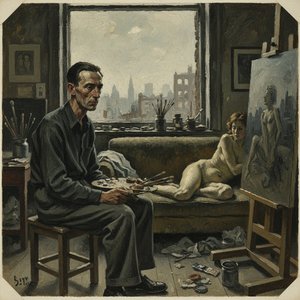
Lucian Freud: A Psychological Portraiture of Post-War Existence
Explore the profound psychological depth of Lucian Freud's portraits. Discover his unique realism, artistic evolution, and lasting influence on modern art. A collector’s guide to a master.
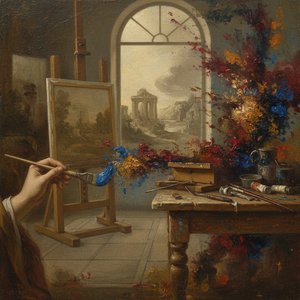
The Eloquent Brushstroke: A Historical & Technical Exploration of Texture, Intent & Expression in Painting
Explore the rich history & techniques of impasto painting – from Renaissance masters to Van Gogh's expressive strokes. Discover how artists use texture to convey emotion and create lasting impact. Learn more!
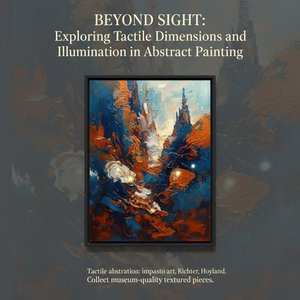
Além da Visão: Explorando as Dimensões Táteis e a Iluminação na Pintura Abstrata
Descubra as dimensões táteis e luminosas da pintura abstrata! Explore técnicas de impasto, a história do expressionismo e como artistas criam obras que transcendem o visual. Guia especializado para colecionadores.

Decoding Impasto: The Emotional Power and Texture of Van Gogh's Brushstrokes
Explore the profound emotional depth of Van Gogh's impasto technique. Discover how his sculptural brushstrokes and textured oil layers define Post-Impressionism through an expert art-historical lens, perfect for discerning collectors and fine art enthusiasts.

