

 Visualizar em escala
 Enviar
 Compartilhar
 Ver detalhes
 Guia de Obras do Aluno

 Baixar imagem
 Semelhantes
 Raio X
 Apresentação de slides
 Estatísticas
Card Players
 Oil On Panel
- Renaissance Humanism
 1525
1525 40.0 x 50.0 cm
 Museo Nacional Thyssen-Bornemisza
 Ver mais
Reprodução em Óleo Feita à Mão
Óleo sobre tela pintado à mão no tamanho e moldura de sua escolha, feito sob encomenda pelos nossos artistas. ( Alternar para Impressão Ver Imagem Digital)




P118B €10

P118H €10

P118W €10

P438Z €10

P508JH €12

P508YH €12

P805H €10

P805Z €10

P919BZ €10

P919G €10

P919XJ €10

P959ZH €10

P968JZ €12

W106C €8

W218G €10

W218JH €8

W218Y €10

W307PJ €10

W316G €10

W316PJ €8

W316Y €10

W398PJ €8

W4111J €10

W500HY €15

W500JH €15

W692G €12

W849H €8

W940BG €15

W953PJ €8




Escolha entre os nossos tamanhos pré-definidos que respeitam as proporções originais da obra de arte.

Digite a largura e a altura de que necessita, para se ajustar à sua moldura ou à sua parede. Esta obra é pintada à mão, por isso, para um tamanho com uma proporção diferente, o artista pode pintar um pouco mais ao redor da imagem ou cortar um pouco — você escolhe. Enviamos-lhe uma maquete digital para aprovação antes de a pintura começar. A imagem exibida nesta página não mostra o resultado real — apenas a maquete mostra.
Após o pedido, a equipa OriginalUniqueArt.com enviará um e-mail ao cliente para solicitar instruções e fornecer uma prévia do esboço.
Entrega mundial () em 3 a 4 semanas, em vez das 5 semanas padrão. (25 Outubro). Sem comprometer a qualidade.

Envio expresso gratuito para todo o mundo

Tela de Linho Premium

Seguro de transporte total

Garantia de Reembolso de Impostos Alfandegários

Garantia de Fidelidade de Cor

Política de Devolução em 100 Dias (Apenas para Defeitos)

Garantia de reembolso de 100%

Desconto para múltiplas unidades
 A opção de vidro está disponível apenas para tamanhos inferiores a 110 cm

Card Players
Técnica de Reprodução
Dimensões da Reprodução
-


Preço Total
€ 263
The Quiet Intensity of “Card Players” by Lucas van Leyden
Lucas van Leyden’s “Card Players,” painted in 1525, is more than just a depiction of a game; it's a meticulously crafted snapshot of a burgeoning social world. Often referred to as the "Genesis of a Game," this oil-on-panel work offers a rare glimpse into the lives and leisure activities of the early 16th century Netherlands – a period marked by both artistic innovation and profound societal shifts. Van Leyden, a master painter and engraver deeply influenced by both Italian Renaissance ideals and his native Flemish traditions, has created an image that resonates with quiet intensity and unspoken narratives, inviting viewers to contemplate the complexities of human interaction.
The painting’s origins are rooted in the evolving social landscape of Europe. As urban centers flourished, new forms of social engagement emerged, and card games – previously largely confined to aristocratic circles – began to gain popularity among merchants, artisans, and a rising middle class. Van Leyden brilliantly captures this transformation by presenting not a grand tournament or formal competition, but a private gathering—a moment of shared camaraderie amidst the everyday realities of life. The composition itself is carefully orchestrated; the three figures are arranged in a dynamic triangular formation, drawing the eye to each individual while simultaneously suggesting an interplay between them – a silent conversation unfolding beneath the surface.
A Study in Detail: Technique and Composition
Van Leyden’s technical mastery is immediately evident. Every detail, from the folds of the clothing to the glint of light on the cards, is rendered with painstaking precision. The artist employs a masterful use of chiaroscuro – the dramatic contrast between light and shadow – to sculpt the figures, creating a sense of depth and volume that draws the viewer into the scene. Notice how the dark background serves to isolate the players, intensifying their presence and emphasizing their engagement with the game. The meticulous rendering of textures—the rough weave of the robes, the smooth surface of the cards—adds a remarkable level of realism, while the subtle variations in color contribute to the overall sense of atmosphere.
Furthermore, Van Leyden’s compositional choices are deliberate and sophisticated. The triangular arrangement of figures creates visual stability and directs the viewer's eye across the canvas. The placement of the women, particularly the central figure with her elaborate headdress, subtly asserts a position of authority within the group—a reflection of the changing roles of women in society during this period. The use of perspective, though not entirely linear, contributes to the illusion of depth and space, further immersing the viewer in the scene.
Symbolism and Context: A Window into Renaissance Life
Beyond its technical brilliance, “Card Players” is rich in symbolic meaning. The game itself represents more than just a pastime; it symbolizes social status, wealth, and intellectual engagement. The piles of gold coins scattered on the table are a clear indication of prosperity and success—a key aspiration for many merchants and artisans during this era. The cards themselves can be interpreted as metaphors for chance, fortune, and the unpredictable nature of life. The quiet expressions on the faces of the players suggest a blend of concentration, anticipation, and perhaps even a touch of rivalry.
Moreover, the painting reflects the humanist ideals that were gaining prominence during the Renaissance. Van Leyden’s focus on human interaction and everyday life—rather than grand historical events or religious narratives—aligns with this broader cultural shift. The scene is not idealized; it's grounded in reality, offering a nuanced portrayal of social dynamics and the complexities of human relationships. The painting serves as a testament to the Renaissance fascination with observing and representing the world around us.
Emotional Resonance: A Moment Frozen in Time
“Card Players” possesses a remarkable emotional resonance that transcends its historical context. Despite the lack of overt drama, the painting evokes a sense of quiet intensity—a feeling of being privy to a private moment of connection and shared experience. The subtle expressions on the faces of the players invite viewers to speculate about their thoughts and feelings, creating a powerful sense of empathy. The scene is both familiar and enigmatic, capturing the timeless appeal of human interaction and the enduring fascination with games of chance.
Whether viewed as a historical document, an artistic masterpiece, or simply a captivating image, “Card Players” continues to resonate with audiences today—a testament to Lucas van Leyden’s skill as a painter and his profound understanding of the human condition.
Perguntas e Respostas
Como foi feita a obra "Card Players" e quais são as suas dimensões?
A técnica de "Card Players" de Lucas Van Leyden é Oil On Panel, e suas dimensões registradas são 40 x 50 cm.
Quais são as dimensões da obra original "Card Players" de Lucas Van Leyden?
A obra original "Card Players" de Lucas Van Leyden mede 40 x 50 cm.
Lucas Van Leyden, criador(a) de "Card Players", é conhecido(a) por outros nomes?
Outros nomes registrados para Lucas Van Leyden, criador de "Card Players", incluem Lucas Hugensz Van Leyden, Lucas Jacobsz..
Biografia do Artista
Os Primeiros Anos e a Formação de um Mestre
Lucas van Leyden, nascido em Leiden, nos Países Baixos, em 1494, emergiu como uma figura singular no panorama artístico do século XVI. Filho do pintor Huygh Jacobsz, Lucas iniciou sua jornada criativa sob a tutela paterna, absorvendo os fundamentos da pintura desde tenra idade. No entanto, seu talento precoce e sede por aprimoramento o levaram, em 1508, ao ateliê de Cornelis Engelbrechtsz, onde refinou suas habilidades e começou a trilhar um caminho próprio. Leiden, na época, era um centro vibrante de atividade artística, mas Lucas logo se destacaria como um inovador, rompendo com as convenções estabelecidas e abrindo novas perspectivas para a pintura holandesa. Sua formação inicial foi crucial, fornecendo-lhe uma base sólida em técnica e composição, que ele mais tarde combinaria com uma originalidade surpreendente.A Ascensão de um Pioneiro da Gravura e da Pintura de Gênero
Lucas van Leyden é lembrado como um dos primeiros expoentes da pintura de gênero nos Países Baixos, um estilo que retrata cenas cotidianas e a vida comum com uma atenção meticulosa aos detalhes. Mas sua genialidade não se limitou à tela; ele também se destacou como um mestre da gravura, produzindo obras de notável qualidade técnica e expressividade. Seus primeiros trabalhos, datados por volta de 1506-1512, revelam uma originalidade impressionante para a sua idade, com figuras em meio corpo que demonstram um domínio precoce da anatomia e do retrato. Aos poucos, suas paisagens foram ganhando complexidade e profundidade, enquanto ele explorava as possibilidades da gravura com uma audácia incomum. Mohammed e o Monge Assassinado, sua primeira estampa conhecida (1508), é um testemunho de seu talento excepcional e sua capacidade de narrar histórias complexas através da imagem.Obras Emblemáticas e a Marca Distintiva do Artista
Apesar de apenas dezessete pinturas serem atribuídas com segurança a Lucas van Leyden, cada uma delas é um exemplo notável de seu estilo único e sua visão artística. A Cura do Cego de Jericó, por exemplo, é uma obra-prima que combina figuras em movimento contra um cenário exuberante de paisagem florestal, demonstrando sua habilidade em criar composições dinâmicas e envolventes. São Paulo, com sua precisão gráfica e expressividade emocional, exemplifica seu domínio da gravura. E A Leiteira (gravura de 1510) é um retrato íntimo da vida cotidiana, que revela a sensibilidade do artista para os detalhes e sua capacidade de capturar a essência humana. O estilo de Lucas van Leyden se caracteriza por cores vibrantes, uma atmosfera luminosa e uma sensação de perspectiva aérea, qualidades que já eram apreciadas por artistas como Albrecht Dürer.Influências, Legado e o Reconhecimento Atemporal
A influência de Albrecht Dürer no trabalho de Lucas van Leyden é inegável, especialmente em sua maestria da gravura e sua atenção aos detalhes. No entanto, Lucas não se limitou a imitar seu mestre; ele desenvolveu um estilo próprio, que prenunciava as características da pintura holandesa do século XVII. Sua inovação na pintura de gênero abriu caminho para artistas como Jan Vermeer e Pieter de Hooch, que retrataram a vida cotidiana com uma precisão e sensibilidade semelhantes. As obras de Lucas van Leyden podem ser encontradas em museus importantes, como o Van Gogh Museum (Países Baixos), que abriga uma extensa coleção de suas gravuras e pinturas. Plataformas online como OriginalUniqueArt.com oferecem aos amantes da arte a oportunidade de explorar sua obra em detalhes e apreciar sua beleza atemporal.- Explore as obras de Lucas van Leyden em OriginalUniqueArt.com
- Descubra a coleção do Van Gogh Museum (Países Baixos) online
- Aprofunde seus conhecimentos sobre a arte holandesa em OriginalUniqueArt.com's blog

Lucas Van Leyden
1494 - 1533 , Países Baixos
Informações Rápidas
- Artistas Que O Influenciaram: ['Albrecht Dürer']
- Artistas/Movimentos Influenciados: ['Renascença Alemã']
- Data Da Morte: 1533
- Data De Nascimento: Leiden, Países Baixos (1494)
- Local De Nascimento: Leiden, Países Baixos
- Movimento Artístico: Renascença Holandesa
- Nacionalidade: Holandês
- Nome Completo: Lucas Hugensz van Leyden
- Obras Notáveis:
- A Cura do Cego de Jericó
- São Paulo
- A Leiteira
Artigos Relacionados

Jan van Goyen: Master of Dutch Landscape & Atmospheric Perspective
Discover Jan van Goyen, the master of Dutch landscape painting. Explore his subtle technique, atmospheric realism & lasting influence on art history. Learn about this 17th-century pioneer at OriginalUniqueArt.

Golden Light & Dutch Skies: The Timeless Magic of Dutch Golden Age Landscapes
Discover the breathtaking beauty of Dutch Golden Age landscapes. Explore the mastery of light, chiaroscuro, and 17th-century realism through an expert art history lens, celebrating the enduring legacy of the Dutch Masters for discerning collectors and art lovers.

Rembrandt van Rijn: As 25 Obras-Primas que Definem um Mestre da Luz e Sombra | OriginalUniqueArt
Descubra as 25 obras-primas de Rembrandt van Rijn, o mestre da luz e sombra! Explore a história por trás de 'A Ronda Noturna', seus auto-retratos e muito mais. Encontre reproduções de arte exclusivas para decorar sua casa com OriginalUniqueArt.com.

Lucas van Leyden: Innovation & Intimacy in Early Netherlandish Printmaking
Explore the groundbreaking prints of Lucas van Leyden, a Dutch master bridging Gothic detail & Renaissance innovation. Discover his rare works, investment potential, and legacy for discerning collectors.
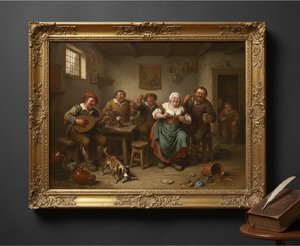
Adriaen van Ostade: A Master of Dutch Genre Painting & Social Commentary
Explore the life & work of Adriaen van Ostade, a leading Dutch Golden Age painter. Discover his realistic genre scenes, social commentary, and lasting influence on art history. Learn more at OriginalUniqueArt.
