Expressionism · 1909
Homeric Laughter, First Version (Lovis Corinth, 1909)
Lovis Corinth (1858–1925) criou Homeric Laughter, First Version. Data de 1909. Pertence ao movimento Expressionism. É feito em Oil On Canvas. Está conservada no Bayerische Staatsgemaldesammlungen, em Munique, Alemanha. Mede 98 × 120 cm.
- 1909
- Oil On Canvas
- 98 × 120 cm
- Bayerische Staatsgemaldesammlungen, Munique

 Visualizar na parede

 Pintura a Óleo Feita à Mão
 Compartilhar
 Compartilhar
 Ficha técnica


 Baixar imagem
 Semelhantes
 Raio X
 Ver diaporama
 Perguntas e Respostas

 Estatísticas
Homeric Laughter, First Version, em resumo
- Título
- Homeric Laughter, First Version
- Artista
- Lovis Corinth (1858–1925)
- Artista nascido em
- Tauwade, Rússia
- Data
- 1909
- Técnica
- Oil On Canvas
- Dimensões
- 98 × 120 cm
- Onde ver
- Bayerische Staatsgemaldesammlungen, Munique, Alemanha
- Movimento
- Expressionism
- Período
- 19th Century
- Tema
- nude figure, social gathering, conversation, greek mythology, laughter, domestic scene
O que Homeric Laughter, First Version retrata?
A Moment of Shared Revelry: Unpacking “Homeric Laughter”
Lovis Corinth’s “Homeric Laughter,” painted in 1909, isn't merely a depiction of a gathering; it’s an invitation into a vibrant tableau of human connection and the intoxicating pleasure of shared experience. The painting immediately draws the eye with its scale – a generous 98 x 120 cm canvas – allowing for a complete immersion in the scene. Corinth masterfully captures a group of individuals, numbering at least thirteen, engaged in what appears to be an animated conversation or perhaps a lighthearted celebration. The central figure, a woman reclining on a bed, is undeniably the focal point, her exposed form not presented with overt sexuality but rather as a symbol of vulnerability and openness within this intimate setting. The surrounding figures – men and women alike, some standing, others seated or kneeling – contribute to a sense of communal warmth and relaxed conviviality.

The Expressionist Palette and Corinth’s Unique Style
Painted during a pivotal period in Corinth's artistic evolution, “Homeric Laughter” exemplifies his distinctive style – a potent blend of Impressionism and burgeoning Expressionism. He abandons the meticulous detail favored by earlier academic training, opting instead for bold brushstrokes, vibrant colors, and a deliberately loose application of paint. Notice how he uses color not to represent reality but to evoke feeling; the reds and oranges dominate, radiating warmth and suggesting an atmosphere of joyous abandon. Corinth’s technique is characterized by a dynamic layering of pigments, creating a sense of movement and immediacy. The figures aren't sharply defined; they are rendered with a slightly blurred quality, contributing to the painting’s overall dreamlike atmosphere. This approach was influenced by his travels through Paris and Antwerp, where he encountered artists like Rubens and Impressionists who challenged traditional artistic conventions.
Echoes of Homer and the Celebration of Human Connection
The title itself, “Homeric Laughter,” immediately connects the painting to the works of ancient Greek poet Homer. Homer’s epics are filled with scenes of feasting, drinking, and boisterous gatherings – celebrations of life, friendship, and human connection. Corinth's painting captures this spirit, suggesting a modern-day reimagining of these timeless themes. The objects scattered around the group—a bowl and a cup—further reinforce the idea of shared indulgence and communal enjoyment. The woman on the bed isn’t simply exposed; she embodies a state of relaxed vulnerability, inviting the viewer to contemplate the dynamics of intimacy and social interaction within this circle.
A Window into Corinth's Life and Artistic Journey
Lovis Corinth’s life was marked by both artistic triumph and personal hardship. Following a debilitating stroke in 1911, he adapted his technique, favoring his right hand and exploring themes of domesticity and family. “Homeric Laughter” can be viewed as a reflection of this evolving perspective – a celebration of the simple pleasures of life and the importance of human relationships. Corinth’s work is deeply personal, imbued with emotion and a profound understanding of the human condition. Reproductions of “Homeric Laughter” offer a captivating glimpse into his world, inviting viewers to share in his vision of joy, connection, and the enduring power of art.
Em qual museu se encontra Homeric Laughter, First Version?
Bayerische Staatsgemaldesammlungen
Munique, Alemanha
A História da Bayerische Staatsgemaldesammlungen As origens da Bayerische Staatsgemaldesammlungen remontam ao ano de 1799, com a fundação da Centralgemäldegaleriedirektion. Situada em Munique, na Alemanha, a instituição nasceu como um espaço curado, destinado às coleções reais. Este propósito inicial reflete uma era em que a arte residia nos esferas privadas da nobreza, antes de transitar para o recurso público que conhecemos hoje.


Imagens em alta resolução de Homeric Laughter, First Version

Lovis Corinth, Homeric Laughter, First Version (1909), Bayerische Staatsgemaldesammlungen. Domínio público.
Perguntas sobre Homeric Laughter, First Version respondidas
Onde "Homeric Laughter, First Version", de Lovis Corinth está em exibição hoje?
A obra original "Homeric Laughter, First Version", de Lovis Corinth encontra-se no Bayerische Staatsgemaldesammlungen, Munique, Alemanha. Uma reprodução permite que a obra seja exibida em sua casa.
Em que ano foi criado "Homeric Laughter, First Version", de Lovis Corinth?
"Homeric Laughter, First Version", de Lovis Corinth foi criado em 1909.
De que técnica é feita a obra "Homeric Laughter, First Version"?
A técnica de "Homeric Laughter, First Version", de Lovis Corinth é Oil On Canvas. As reproduções visam reproduzir a aparência desta técnica.
Quais são as dimensões da obra original "Homeric Laughter, First Version", de Lovis Corinth?
A obra original "Homeric Laughter, First Version", de Lovis Corinth mede 98 x 120 cm.
O que "Homeric Laughter, First Version", de Lovis Corinth retrata?
"Homeric Laughter, First Version", de Lovis Corinth retrata: nude figure, social gathering, conversation, greek mythology, laughter, domestic scene, 19th century.
"Homeric Laughter, First Version", de Lovis Corinth está em domínio público?
Quanto aos direitos autorais, "Homeric Laughter, First Version" está em em domínio público — seus direitos autorais expiraram.
A qual artista "Homeric Laughter, First Version" é atribuída?
O artista por trás de "Homeric Laughter, First Version" é Lovis Corinth. A obra está catalogada sob o nome de Lovis Corinth.
A qual movimento artístico pertence "Homeric Laughter, First Version", de Lovis Corinth?
O movimento associado a "Homeric Laughter, First Version", de Lovis Corinth é Expressionism. Esta classificação situa a obra entre artistas e obras de arte relacionados.
A que fase da trajetória de Lovis Corinth "Homeric Laughter, First Version" pertence?
"Homeric Laughter, First Version" pertence ao Mature Period da carreira de Lovis Corinth. Esta classificação relaciona a obra ao desenvolvimento do artista.
Sobre o artista, Lovis Corinth

1858–1925, Rússia
Lovis Corinth
A Life Forged in Paint: The World of Lovis Corinth Lovis Corinth, nascido Franz Heinrich Louis em 21 de julho de 1858, na província prussiana do leste, foi uma figura que personificou a tumultuada transição do século XIX para o início do século XX no mundo da arte. Sua jornada não foi um reconhecimento imediato, mas sim uma evolução gradual impulsionada por estudo incansável, influências diversas e, em última análise, por uma tragédia pessoal. Os primeiros anos de Corinth estavam enraizados nos paisagens rurais de seu berço, Tapiau, onde seu pai trabalhava como alfaiate. Essa exposição precoce à fisicalidade do trabalho e à beleza bruta da natureza permeou sutilmente seu trabalho posterior, mesmo em meio a explorações estilísticas mais sofisticadas.
Também de Lovis Corinth
 Na Casa de Abate1893
 Wilhelmine com uma Bola1915
 Portrait of the Painter Paul Eugène Gorge1908
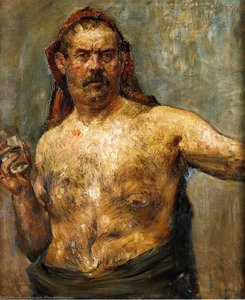 Self Portrait with a Glass1907

Ensaios sobre Homeric Laughter, First Version
 Século XIX na Arte: 10 Obras que Definem uma Era | OriginalUniqueArtMergulhe no século XIX com 10 obras de arte icônicas! Explore Monet, Renoir e Van Gogh. Descubra a história, técnica e emoção por trás dos …
 Romantic Realism's Finest: 10 Masterpieces for Your Home | OriginalUniqueArtExplore 10 defining masterpieces of Romantic Realism! Discover Courbet, Millet & Daumier's powerful paintings—capturing emotion and social …
 Lovis Corinth: Bridging Impressionism & Expressionism – A Study of Artistic EvolutionExplore the fascinating artistic journey of Lovis Corinth, a pivotal figure bridging Impressionism & Expressionism. Discover his evolution,…