
 Visualizar na parede
 Compartilhar
 Compartilhar
 Detalhes
 Guia
Guia

 Baixar imagem
 Semelhantes
 Raio X
 Ver diaporama
 Q&A
Q&A Estatísticas
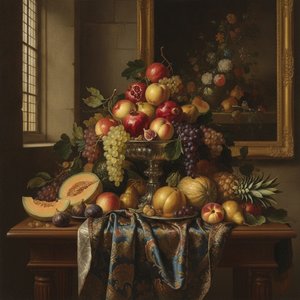
COUPE DE CERISES, PRUNES ET MELON


 Ler mais
Giclée / Impressão de Arte
Impressão giclée ou em tela de qualidade de museu, com produção rápida e opções flexíveis de acabamento. ( Comprar pintura feita à mão Alternar para Imagem Digital)




P118B €10

P118H €10

P118W €10

P438Z €10

P508JH €12

P508YH €12

P805H €10

P805Z €10

P919BZ €10

P919G €10

P919XJ €10

P959ZH €10

P968JZ €12

W106C €8

W218G €10

W218JH €8

W218Y €10

W307PJ €10

W316G €10

W316PJ €8

W316Y €10

W398PJ €8

W4111J €10

W500HY €15

W500JH €15

W692G €12

W849H €8

W940BG €15

W953PJ €8




Escolha entre os nossos tamanhos pré-definidos que respeitam as proporções originais da obra de arte.

Insira a largura e a altura desejadas para se ajustarem à sua moldura ou parede. Uma impressão pode ser apenas cortada, nunca ampliada além da imagem original; portanto, um tamanho com proporções diferentes resultará na perda de parte da imagem. Enviamos uma maquete digital para sua aprovação antes de realizarmos a impressão. A imagem exibida nesta página não mostra o corte real — apenas a maquete o faz.
Entrega mundial () em 2 semanas, em vez das 4/5 semanas padrão. (1 Novembro)

Envio expresso gratuito para todo o mundo

Tela de Linho de Alta Qualidade

Seguro de transporte completo

Garantia de Reembolso de Impostos Alfandegários

Garantia de Fidelidade Cromática

Política de Devolução em 100 Dias (Apenas para Defeitos)

Garantia de reembolso de 100%

Oferta de desconto por quantidade
 A opção de vidro está disponível apenas para tamanhos inferiores a 110 cm

COUPE DE CERISES, PRUNES ET MELON
Giclée / Impressão de Arte
Tamanho da Reprodução
-


Preço Total
€ 71
Louise Moillon’s “Coupe de Cerises, Prunes et Melon”: A Baroque Still Life of Quiet Abundance
The painting "Coupe de cerises, prunes et melon" by Louise Moillon, completed around 1633, is more than just a depiction of fruit; it's a meticulously crafted meditation on beauty, abundance, and the fleeting nature of pleasure. Within its deceptively simple composition lies a wealth of Baroque artistry – a masterful blend of Flemish realism, French elegance, and subtle symbolism that continues to captivate viewers centuries later. This intimate still life, now residing within the hallowed halls of the Louvre Museum in Paris, offers a rare glimpse into the world of a pioneering female artist operating within a traditionally male-dominated field.
Moillon’s artistic journey unfolded against the backdrop of 17th-century France, a period marked by religious upheaval and burgeoning artistic innovation. Born into a Huguenot family – refugees fleeing persecution in Holland – her upbringing instilled a deep appreciation for naturalism and symbolic representation, qualities that profoundly shaped her distinctive style. Unlike many of her contemporaries who favored grand historical or mythological scenes, Moillon focused on the quiet beauty of everyday objects, elevating them to an almost sacred level through her painstaking attention to detail and masterful use of light and shadow.
A Symphony of Color and Texture
The painting’s immediate impact is one of serene elegance. Moillon employs a carefully orchestrated palette – a harmonious blend of deep browns, rich reds, vibrant yellows, and muted greens – that draws the eye into the heart of the composition: a gleaming porcelain bowl overflowing with an array of fruits. The cerises, bursting with juicy red color, are strategically placed to command attention, their brightness contrasted against the darker tones of the plums and melon. Moillon’s technique is characterized by an extraordinary level of detail; each fruit – from the velvety texture of the melon rind to the delicate veins on a plum leaf – is rendered with astonishing precision.
The artist's mastery extends beyond mere representation. Moillon skillfully manipulates light and shadow, creating a dramatic chiaroscuro effect that adds depth and volume to the scene. The strong directional lighting, originating from an unseen source above and slightly to the left, casts long, elegant shadows that define the forms of each object, lending them a tangible presence. This masterful use of light not only enhances the visual impact but also evokes a sense of stillness and contemplation – inviting the viewer to linger and appreciate the beauty before them.
Symbolism and Context
Still lifes during the Renaissance and Baroque periods were often imbued with symbolic meaning, representing concepts such as wealth, prosperity, and mortality. In "Coupe de cerises," the abundance of fruit can be interpreted as a symbol of earthly delights – a reminder of the pleasures of life but also a poignant acknowledgment of their transient nature. The carefully arranged composition itself suggests an order and harmony that reflects the ideals of classical art and Renaissance thought.
Furthermore, Moillon’s work is rooted in the artistic traditions of the Netherlands, particularly the Flemish school of painting, which was highly influential in France during this period. The use of trompe l'oeil – a technique designed to create an illusion of three-dimensionality – is evident in the subtle details and realistic textures that contribute to the painting’s overall sense of depth and realism. The placement of the bowl on a dark wooden table, extending into the background, further enhances this effect, blurring the boundaries between the painted world and the viewer's perception.
A Timeless Masterpiece
"Coupe de cerises, prunes et melon" stands as a testament to Louise Moillon’s artistic skill and her ability to capture the essence of beauty in a single image. It is a painting that rewards repeated viewing, revealing new details and nuances with each encounter. More than just a still life, it's a profound meditation on art, nature, and the human experience – a timeless masterpiece that continues to inspire and delight viewers today. Reproductions of this iconic work offer an accessible way to bring its serene elegance into any space, allowing one to appreciate the artistry and symbolism within.
Perguntas e Respostas
A qual artista "COUPE DE CERISES, PRUNES ET MELON" é atribuída?
"COUPE DE CERISES, PRUNES ET MELON" foi criado por Louise Moillon. As informações nesta página descrevem a obra original de Louise Moillon.
Que atmosfera uma reprodução de "COUPE DE CERISES, PRUNES ET MELON", de Louise Moillon traria para um ambiente?
Com sua atmosfera Elegant, "COUPE DE CERISES, PRUNES ET MELON" é sugerida para um(a) Living Room.
Qual é o nível de reconhecimento de "COUPE DE CERISES, PRUNES ET MELON" de Louise Moillon?
"COUPE DE CERISES, PRUNES ET MELON" é classificada como Recognized.
Biografia do Artista
O Brilho Sereno de Louise Moillon
Nas grandes e grandiosas narrativas da era Barroca, onde o drama e o movimento frequentemente dominam a tela, a obra de Louise Moillon oferece uma alternativa profunda e meditativa. Nascida em Paris em 1610, Moillon emergiu de um mundo moldado pelas intensas mudanças religiosas e culturais da França do século XVII. Sua própria linhagem conta uma história de resiliência e herança artística; como descendente de refugiados huguenotes da Holanda, ela estava imersa em uma tradição que valorizava a observação meticulosa do mundo natural. Esse histórico proporcionou mais do que apenas uma história familiar — ofereceu um vocabulário estilístico enraizado no domínio holandês da luz, da textura e do realismo simbólico.
A vida de Moillon foi marcada tanto pela perda quanto por uma profunda mentoria artística. A morte de seu pai, o pintor de paisagens e marchand Nicolas Moillon, quando ela tinha apenas dez anos, poderia ter alterado seu caminho, mas sua criação permaneceu profundamente inserida nas artes. Sob a orientação de seu padrasto, François Garnier, um habilidoso artista e marchand, ela refinou uma técnica que se tornaria sua marca registrada. Sua educação não consistia meramente na aplicação de pigmento à tela, mas em uma imersão nos valores humanistas de sua época, aprendendo a enxergar o divino nos detalhes minucios de uma fruta amadurecendo ou na curva delicada de uma pétala.
Um Domínio de Textura e Luz
O verdadeiro gênio de Moillon reside em sua capacidade de transformar o mundano em extraordinário. Suas composições são caracterizadas por uma quietude serena, um silêncio que convida o espectador a demorar-se e observar. Ela possuía uma habilidade quase sobrenatural de capturar as qualidades táteis de seus temas — a pele cerosa de um cidro, a penugem macia de um pêssego ou o suco translúcido de uma baga esmagada. Em obras como Natureza-Morta de Cidras e Laranjas de Curaçao em um Prato Branco Polilobado, é possível sentir a umidade fresca da fruta contra a superfície dura e vidrada da porcelana, criando uma experiência sensorial que transcende o plano bidimensional.
Sua técnica foi profundamente influenciada pelas tradições naturalistas dos círculos protestantes nos quais ela circulava. Essa abordagem favorecia a clareza e a precisão em vez das sombras teatrais dos mestres barrocos mais extravagantes. Em vez disso, Moillon utilizava a luz para esculpir seus temas, empregando gradações sutis de tom para criar volume e profundidade. Sua paleta, embora frequentemente focada nos tons vibrantes da natureza, era utilizada com tamanha contenção que cada cor parecia luminosa, como se iluminada por dentro. Esse domínio permitiu-lhe preencher a lacuna entre a mera ilustração botânica e a alta arte, imbuindo cada peça com um senso de vida e vitalidade.
Legado e Significância Histórica
Ao longo de sua longa vida, que abrangeu quase nove décadas, Moillon alcançou um nível de renome raro para as artistas mulheres de sua era. Sua capacidade de garantir encomendas de patronos prestigiados, incluindo membros da corte real, atesta a qualidade e a sofisticação inegáveis de sua obra. Embora seu trabalho focasse frequentemente na escala íntima da natureza-morta, seu impacto foi expansivo, contribuindo significativamente para o desenvolvimento da tradição francesa de naturezas-mortas.
A importância histórica de Louise Moillon estende-se além de sua habilidade técnica; ela representa um elo vital entre a tradição naturalista holandesa e a estética francesa emergente do século XVII. Suas pinturas servem como janelas para um mundo perdido de mercados parisienses e jardins privados, capturando uma sensação de abundância e beleza efêmera. Hoje, suas obras permanecem como tesouros preciosos em instituições como o Louvre, erguendo-se como testemunhos duradouros de uma vida dedicada a encontrar o extraordinário dentro do comum. Seu legado encontra-se em cada pincelada que celebra o esplendor silencioso e de tirar o fôlego do mundo natural.

Louise Moillon
1610 - 1696 , França
Dados Rápidos
- Artistic Movement Or Style: Natureza-Morta Barroca
- Artists Or Movements Influenced By This Artist:
- Michelangelo
- Rafael
- Ticiano
- Artists Who Influenced This Artist:
- Isaac Moillon
- François Garnier
- Date Of Birth: Paris, França (1610)
- Date Of Death: 1696
- Full Name: Louise Moillon
- Nationality: Francesa
- Notable Artworks:
- Cesta de Damascos
- COUPE DE CERISES, PRUNES ET MELON
- Cesta de Pêssegos, com Marmelos e Ameixas
- Place Of Birth: Paris
Artigos Relacionados
Nature's Bounty: The Art History of Fruit Arrangement Masterpieces and the Baroque Still Life Tradition
Explore the profound beauty of fruit arrangement masterpieces. From Dutch Golden Age opulence to Baroque chiaroscuro, discover the art history, symbolism, and timeless elegance of classical still life paintings for the discerning collector.

A Estética do Drama: A Grandiosidade e a Técnica da Arte Barroca no Século XVII
Descubra o drama e a técnica dos mestres do Barroco, de Caravaggio a Rubens. Explore a grandiosidade desta era agora.

Baroque Classicism: The Grandeur of Order and Drama in 17th-Century Art History
Explore the profound elegance of Baroque Classicism. Discover how 17th-century masters synthesized dramatic emotion with classical order through the lens of the Counter-Reformation and the works of legends like Carlo Maratta and Andrea Sacchi.

Os 10 Mestres do Barroco: Obras-Primas que Moldaram a Arte e Decoram o Lar
Descubra os 10 maiores ícones do Barroco! Explore a história, técnica e emoção por trás de Caravaggio, Rembrandt, Bernini e outros mestres. Encontre reproduções de arte barroca para decorar seu lar com luxo em OriginalUniqueArt.com.

The Bountiful Still Life: Symbolism & Artistic Representation of Fruit Across Art History
Explore the rich history of still life painting & the symbolism of fruit across art movements. Discover masterpieces from Caravaggio to Cézanne with OriginalUniqueArt – expert guidance & museum-quality reproductions.