
 Visualizar na parede
 Compartilhar
 Compartilhar
 Detalhes
 Guia
Guia

 Baixar imagem
 Semelhantes
 Raio X
 Ver diaporama
 Perguntas e Respostas
 Estatísticas
Nursing Madonna


 Ler mais
Giclée / Impressão de Arte
Impressão giclée ou em tela de qualidade de museu, com produção rápida e opções flexíveis de acabamento. ( Comprar pintura feita à mão Alternar para Imagem Digital)




P118B €10

P118H €10

P118W €10

P438Z €10

P508JH €12

P508YH €12

P805H €10

P805Z €10

P919BZ €10

P919G €10

P919XJ €10

P959ZH €10

P968JZ €12

W106C €8

W218G €10

W218JH €8

W218Y €10

W307PJ €10

W316G €10

W316PJ €8

W316Y €10

W398PJ €8

W4111J €10

W500HY €15

W500JH €15

W692G €12

W849H €8

W940BG €15

W953PJ €8




Escolha entre os nossos tamanhos pré-definidos que respeitam as proporções originais da obra de arte.

Insira a largura e a altura desejadas para se ajustarem à sua moldura ou parede. Uma impressão pode ser apenas cortada, nunca ampliada além da imagem original; portanto, um tamanho com proporções diferentes resultará na perda de parte da imagem. Enviamos uma maquete digital para sua aprovação antes de realizarmos a impressão. A imagem exibida nesta página não mostra o corte real — apenas a maquete o faz.
Entrega mundial () em 2 semanas, em vez das 4/5 semanas padrão. (6 Novembro)

Envio expresso gratuito para todo o mundo

Tela de Linho de Alta Qualidade

Seguro de transporte completo

Garantia de Reembolso de Impostos Alfandegários

Garantia de Fidelidade Cromática

Política de Devolução em 100 Dias (Apenas para Defeitos)

Garantia de reembolso de 100%

Oferta de desconto por quantidade
 A opção de vidro está disponível apenas para tamanhos inferiores a 110 cm

Nursing Madonna
Giclée / Impressão de Arte
Tamanho da Reprodução
-


Preço Total
€ 72
Lorenzo Lotto: A Master of Venetian Emotion
Lorenzo Lotto (1480 – 1556/57) stands as a singular figure within the Italian Renaissance, distinguished not by grand ambition or royal patronage but by an unwavering dedication to artistic exploration and a profound sensitivity to human emotion. Unlike many of his contemporaries who sought fame through established academies or courtly commissions, Lotto embarked on a nomadic journey across Northern Italy – Treviso, Rome, Bergamo, Ancona – fostering an independent spirit that profoundly shaped his distinctive style.
Early training remains somewhat elusive, yet it’s believed he absorbed the lessons of Giovanni Bellini, a pivotal voice in Venetian painting. However, Lotto swiftly transcended mere imitation, forging a style uniquely his own: a harmonious blend of High Renaissance grace and nascent Mannerist experimentation. This stylistic fusion is evident throughout his oeuvre, characterized by subtle distortions of form, expressive gestures, and an uncanny ability to convey psychological depth – qualities that continue to captivate viewers centuries later.
The Venetian School's Influence
Bellini’s influence is palpable in Lotto’s meticulous attention to detail and luminous color palettes. Yet, Lotto pushed beyond Bellini’s idealized representations of religious figures, introducing a degree of realism and psychological nuance that foreshadowed the Mannerist movement. This stylistic divergence reflects a broader shift within Venetian art during Lotto's lifetime – a move away from the serene beauty of Bellini’s compositions towards explorations of emotion and ambiguity.
Style and Technique: A Delicate Balance
Lotto’s technique is remarkable for its precision and subtlety. He employed oil paint on board with exceptional skill, achieving astonishing levels of tonal gradation and textural complexity. His brushstrokes are deliberate yet fluid, conveying both visual richness and emotional resonance. Lotto's mastery extends beyond mere technical proficiency; he possessed an intuitive understanding of how to manipulate color and form to evoke specific feelings in the viewer – a hallmark of Mannerist artistry.
Notable Works: Madonna Del Latte and Beyond
Among Lotto’s most celebrated paintings is “Madonna Del Latte,” depicting Mary nursing her child with serene tenderness. This masterpiece exemplifies Lotto's signature style, characterized by expressive drapery folds and subtle distortions that heighten the emotional impact of the scene. Similarly, his altarpiece for the Chiesa dei Santi Lorenzo e Ippolito in Verona showcases a masterful blend of realism and symbolism – reflecting Lotto’s commitment to conveying profound spiritual truths through visual artistry.
Lotto's legacy extends far beyond individual artworks; he represents a pivotal moment in Renaissance art history—a bridge between High Renaissance idealism and Mannerist psychological exploration. His enduring appeal lies in his ability to capture the complexities of human experience with breathtaking beauty and unwavering conviction.
Perguntas e Respostas
Para qual ambiente "Nursing Madonna", de Lorenzo Lotto é recomendado?
"Nursing Madonna", de Lorenzo Lotto é recomendado para um(a) Living Room. Esta sugestão baseia-se no tema, nas cores e na atmosfera da obra.
Em que ambiente sugere-se exibir "Nursing Madonna", considerando a sua paleta de cores?
A paleta de cores Earthy de "Nursing Madonna", de Lorenzo Lotto harmoniza perfeitamente com o ambiente recomendado: um(a) Living Room.
Onde posso encontrar estatísticas sobre "Nursing Madonna", de Lorenzo Lotto?
Existe uma página de Estatísticas para "Nursing Madonna". Ela apresenta o gráfico de visitas mensais da obra e de outras obras do artista, com detalhamento por país e idioma.
Biografia do Artista
A Venetian Wanderer: The Life and Art of Lorenzo Lotto
Born in the vibrant heart of Venice around 1480, Lorenzo Lotto emerged as a distinctive voice within the Italian Renaissance, though his artistic journey would lead him far beyond the lagoon city’s celebrated studios. Unlike many of his contemporaries who firmly established themselves within specific schools or courts, Lotto embarked on a peripatetic career, traversing cities like Treviso, Rome, Bergamo, and Ancona before ultimately finding solace as a lay brother in Loreto. This itinerant existence profoundly shaped his artistic vision, exposing him to diverse influences while fostering an independent spirit that set him apart. While early training remains somewhat shrouded in mystery, it’s believed he absorbed the lessons of Giovanni Bellini, a leading figure of the Venetian school, yet Lotto quickly transcended simple imitation, forging a style uniquely his own—a blend of High Renaissance grace and nascent Mannerist sensibilities.Blending Traditions: Style and Influences
Lotto’s artistic signature lies in his remarkable ability to synthesize diverse influences into a cohesive and deeply personal aesthetic. His early works reveal the impact of Giorgione's poetic naturalism, particularly evident in the subtle atmospheric effects and lyrical compositions. The shimmering light and hazy landscapes reminiscent of Giorgione can be seen in paintings like *Susanna and the Elders*, where Lotto masterfully captures the mood and atmosphere of a Venetian evening. However, a sojourn in Rome brought him into contact with the art of Raphael, imbuing his work with a newfound clarity of form and compositional balance. The influence of Raphael is noticeable in the more structured compositions and precise detailing found in some of his later works. Later, during his extended stay in Bergamo, he absorbed elements of Lombard realism, adding a grounded physicality to his figures. This eclectic approach is not merely additive; Lotto masterfully integrated these influences, creating paintings that are both technically refined and emotionally resonant. He wasn’t afraid to experiment with perspective, often employing unusual vantage points to heighten the sense of drama or intimacy. His palette, while rooted in Venetian colorism—the rich reds, blues, and golds characteristic of Venetian painting—evolved over time, becoming increasingly vibrant and expressive, reflecting his exposure to diverse artistic traditions.Portraits of the Soul: Lotto's Masterpieces
While Lotto excelled in religious painting, it is perhaps through his portraits that he truly distinguished himself. He possessed an extraordinary gift for capturing not just the physical likeness but also the inner life of his sitters. His portraits are rarely idealized; instead, they present individuals with all their complexities and vulnerabilities. Man with a Golden Paw, painted in 1527, is a prime example—a captivating study of a gentleman holding a small golden statuette, its symbolism open to interpretation but undeniably intriguing. The sitter’s gaze is direct and engaging, conveying a sense of intelligence and quiet contemplation. Similarly, Portrait of a 37-year-old Man, showcases Lotto's ability to convey personality through subtle details—the man’s clothing, his posture, the expression in his eyes all contribute to a compelling psychological portrait. These are not merely representations of individuals; they are windows into their souls. His portraits demonstrate an unparalleled understanding of human psychology and emotion, making them enduringly captivating works of art.Religious Visions: Altarpieces and Devotion
Lotto’s religious paintings are equally remarkable for their emotional intensity and dramatic power. He frequently depicted scenes from the lives of saints and biblical narratives, imbuing them with a profound sense of spirituality. His *Annunciation*, painted around 1527, is a particularly striking example—a chaotic yet harmonious composition filled with vibrant colors and dynamic movement. The figures are rendered with remarkable realism, but their expressions convey a deep sense of awe and reverence. His altarpieces, such as the *Martyrdom of Saint Clare*, demonstrate his ability to create complex narratives that engage both the eye and the imagination. He skillfully used light and shadow to heighten the drama and emotional impact of these scenes, creating works that are both visually stunning and spiritually moving.A Rediscovered Legacy: Historical Significance
Despite achieving considerable recognition during his lifetime, Lotto's reputation waned after his death in 1556 or 1557. His works, often dispersed throughout provincial churches and private collections, were largely overlooked for centuries. It wasn’t until the late 19th century, with Bernard Berenson’s groundbreaking scholarship, that Lotto experienced a significant revival of interest. Today, he is recognized as one of the most original and compelling artists of the Italian Renaissance. His unique blend of stylistic influences, his psychological depth, and his technical mastery continue to captivate audiences and inspire art historians. He stands as a testament to the power of artistic independence—a wanderer who forged his own path and left an indelible mark on the world of art. The rediscovery of Lotto’s oeuvre has enriched our understanding of the Renaissance, revealing a complex and multifaceted artist whose work deserves continued exploration and appreciation.
Lorenzo Lotto
1480 - 1556 , Itália
Dados Rápidos
- Artistic Movement Or Style: Renascença, Maneirismo
- Artists Or Movements Influenced By This Artist: ['Michelangelo']
- Artists Who Influenced This Artist:
- Giovanni Bellini
- Giorgione
- Correggio
- Palma Velho
- Date Of Birth: c. 1480
- Date Of Death: 1556/57
- Full Name: Lorenzo Lotto
- Nationality: Italiano
- Notable Artworks:
- Virgem e Criança
- Alegr. Virtudes
- St. Jer.
- Homem com Pão
- Place Of Birth: Veneza, Itália
Artigos Relacionados

As 25 Obras-Primas de Rafael: Uma Jornada pela Arte Renascentista | OriginalUniqueArt
Descubra as 25 obras-primas de Rafael, o mestre do Renascimento italiano! Explore a história por trás das pinturas mais famosas, como 'A Escola de Atenas' e suas Madonas. Encontre reproduções de arte exclusivas para decorar sua casa com beleza clássica em OriginalUniqueArt.com.

The Enduring Legacy of Oil on Canvas: Technique, History & Aesthetic Impact
Explore the rich history & techniques of oil painting – from Renaissance masters to Impressionism. Discover pigments, layering methods, and why this timeless medium endures. Expert insights for artists & art enthusiasts.
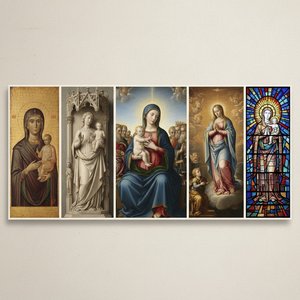
Divine Grace: A Journey Through the Most Iconic Depictions of the Virgin Mary in Art History
Embark on a profound journey through art history with our exploration of the most iconic depictions of the Virgin Mary. Discover the divine grace, symbolism, and masterful techniques found in Renaissance masterpieces and sacred iconography.
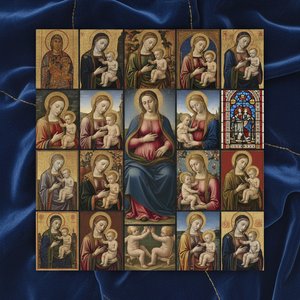
Divine Love: A Curated Guide to the Most Iconic Madonna and Child Masterpieces in Art History
Embark on a sophisticated journey through art history with our curated guide to the most iconic Madonna and Child masterpieces. Discover the profound beauty, theological depth, and enduring legacy of these sacred Renaissance treasures.

Divine Grace: An Art Historian's Journey Through Iconic Masterpieces of the Virgin Mary
Explore the profound beauty of Marian iconography through an art historian's lens. Discover iconic masterpieces by Raphael and Renaissance masters, celebrating the divine grace and timeless elegance of the Virgin Mary in classical fine art.


