
 Visualizar na parede
 Compartilhar
 Compartilhar
 Detalhes
 Guia
Guia

 Baixar imagem
 Semelhantes
 Raio X
 Ver diaporama
 Perguntas e Respostas
 Estatísticas
Venus (detail)


 Ler mais
Giclée / Impressão de Arte
Impressão giclée ou em tela de qualidade de museu, com produção rápida e opções flexíveis de acabamento. ( Comprar pintura feita à mão Alternar para Imagem Digital)




P118B €10

P118H €10

P118W €10

P438Z €10

P508JH €12

P508YH €12

P805H €10

P805Z €10

P919BZ €10

P919G €10

P919XJ €10

P959ZH €10

P968JZ €12

W106C €8

W218G €10

W218JH €8

W218Y €10

W307PJ €10

W316G €10

W316PJ €8

W316Y €10

W398PJ €8

W4111J €10

W500HY €15

W500JH €15

W692G €12

W849H €8

W940BG €15

W953PJ €8




Escolha entre os nossos tamanhos pré-definidos que respeitam as proporções originais da obra de arte.

Insira a largura e a altura desejadas para se ajustarem à sua moldura ou parede. Uma impressão pode ser apenas cortada, nunca ampliada além da imagem original; portanto, um tamanho com proporções diferentes resultará na perda de parte da imagem. Enviamos uma maquete digital para sua aprovação antes de realizarmos a impressão. A imagem exibida nesta página não mostra o corte real — apenas a maquete o faz.
Entrega mundial () em 2 semanas, em vez das 4/5 semanas padrão. (4 Novembro)

Envio expresso gratuito para todo o mundo

Tela de Linho de Alta Qualidade

Seguro de transporte completo

Garantia de Reembolso de Impostos Alfandegários

Garantia de Fidelidade Cromática

Política de Devolução em 100 Dias (Apenas para Defeitos)

Garantia de reembolso de 100%

Oferta de desconto por quantidade
 A opção de vidro está disponível apenas para tamanhos inferiores a 110 cm

Venus (detail)
Giclée / Impressão de Arte
Tamanho da Reprodução
-


Preço Total
€ 72
The Enigmatic Radiance of Venus
To gaze upon this detail from Venus is to encounter an echo of divine beauty captured in oil and wood. Lorenzo Costa (the Elder)’s rendering transcends mere portraiture; it is a meditation on idealized femininity, a moment suspended between earthly allure and celestial grace. The subject, the goddess Venus herself, is presented with an almost breathtaking intimacy. Her profile emerges from a deep, velvety darkness, allowing the artist to focus the viewer's entire attention upon the exquisite contours of her face. One cannot help but feel drawn into the soft mystery held within her gaze, a look that suggests profound knowledge coupled with an enigmatic smile—the very hallmark of Renaissance perfection.
Mastery in Technique and Light
Costa’s technical brilliance is immediately apparent upon closer inspection. The choice of oil on wood provided him with a luminous, smooth ground, perfect for achieving the subtle gradations of tone that define this piece. His handling of light, or chiaroscuro, is masterful; it does not merely illuminate but sculpts. Observe how the light catches the high points of her cheekbone, the delicate curve of her lip, and the sheen in her long, wavy brown hair. These areas are rendered with such lifelike softness that they seem almost palpable. Furthermore, while the overall effect is one of polished perfection, a closer look reveals visible brushstrokes—a testament to the artist’s hand—which lend a vital, textured quality to the skin and locks, grounding the divine subject in tangible artistry.
Renaissance Context and Symbolism
Created in 1515, this work situates itself firmly within the vibrant intellectual currents of the Italian Renaissance. Lorenzo Costa was deeply embedded in the artistic milieu of Ferrara and Bologna, a period where classical mythology and burgeoning humanism intertwined with deep spiritual contemplation. Venus, as the goddess of love and beauty, carries immense symbolic weight. She represents not just physical loveliness, but also the blossoming potential of human experience—the perfect marriage of earthly passion and divine inspiration. The regal quality suggested by her headpiece hints at her elevated status, making this piece a potent symbol for any space desiring an infusion of timeless elegance and cultured depth.
Bringing Timeless Beauty Home
For the collector or designer seeking to infuse a room with the quiet drama of Old Master painting, this reproduction offers unparalleled depth. The contrast between the luminous subject and the dark background is inherently dramatic, making it a focal point that commands attention without shouting for it. Owning a piece inspired by Costa’s Venus is acquiring more than just art; it is curating an atmosphere steeped in history, mythology, and enduring beauty. It invites contemplation, whispers tales of Renaissance courts, and serves as a perpetual reminder of the exquisite balance between shadow and light.
Perguntas e Respostas
Por que a emoção e a ocasião de presente se combinam em "Venus (detail)", de Lorenzo Costa (O Ancião)?
"Venus (detail)" transmite uma sensação Romantic, e sua recomendação de presente é Anniversary.
Quais são os direitos de reprodução de "Venus (detail)" no Museu de Belas Artes (Budapeste)?
"Venus (detail)", de Lorenzo Costa (O Ancião), pertencente ao Museu de Belas Artes (Budapeste), está em em domínio público — seus direitos autorais expiraram. Este status determina se reproduções da imagem podem ser feitas.
Qual cor mais se destaca em "Venus (detail)"?
A cor que mais se destaca em "Venus (detail)" é Phthalo Green (#1b1618). A cor dominante é útil ao combinar uma obra de arte com um ambiente interno.
Biografia do Artista
O Pintor do Mito e da Fé: A Vida de Lorenzo Costa
Lorenzo Costa (1460–1535) ergue-se como uma figura fundamental dentro da florescente paisagem artística do Renascimento Italiano, personificando o dinamismo intelectual das escolas de Ferrara e Bolonha. Nascido na vibrante cidade de Ferrara, Costa emergiu durante um período em que as fronteiras entre a devoção espiritual e a investigação humanista eram belamente diluídas. Sua obra é caracterizada por uma mistura distinta de elegância estilística e profunda contemplação, uma qualidade que lhe permitiu navegar pelas complexas exigências tanto das instituições religiosas quanto das mais sofisticadas cortes seculares de sua era. Através de seu pincel, a luz etérea do divino encontrou a graça estruturada da mitologia clássica, criando uma linguagem visual que ressoou profundamente com o espírito renascentente.Anos Formativos e o Domínio da Luz
Embora os registros de arquivo dos primeiros anos de Costa permaneçam algo esquivos, seu DNA artístico foi claramente forjado nos ateliês do norte da Itália. É amplamente reconhecido que ele passou por um treinamento rigoroso sob o mestre Francesco Francia, em Bolonha. Este aprendizado foi transformador, instilando nele uma atenção meticulosa aos detalhes e um fascínio precoce pela técnica do sfumato—a mistura sutil e esfumaçada de tons popularizada por Leonardo da Vinci. De Francia, Costa herdou uma compreensão profunda da perspectiva e o uso dramático do chiaroscuro, o que lhe permitiu esculpir figuras a partir das sombras e imbuir suas composições com um senso sem precedentes de profundidade e peso emocional. Essa base técnica permitiu-lhe ir além da mera representação, buscando, em vez disso, capturar a própria atmosfera que envolve seus temas.O Esplendor da Corte de Mântua
O auge da carreira de Costa esteve intrinsecamente ligado à sua prestigiada nomeação como pintor da corte de Isabella d'Este, a Marquesa de Mântua. Como uma das patronas mais formidáveis e exigentes da história europeia, Isabella d'Este demandava uma arte que funcionasse tanto como triunfo estético quanto como enigma intelectual. Sob seu olhar atento, o trabalho de Costa evoluiu para abraçar complexas alegorias mitológicas e ideais humanistas. Suas pinturas tornaram-se muito mais do que ícones religiosos; eram narrativas sofisticadas projetadas para um público de estudiosos e aristocratas. Este período de sua vida foi marcado por:- A integração de mitos gregos e romanos clássicos na pintura italiana contemporânea.
- Um foco intensificado no significado simbólico, onde cada gesto e detalhe botânico carregava peso próprio.
- O refinamento de um estilo suave e atmosférico que podia transmitir a delicada graça exigida pelo gosto cortesão.
Legado e Significância Histórica
À medida que o Renascimento progredia, a influência de Costa reverberou pelas comunidades artísticas de Ferrara e Bolonha, deixando uma marca indelével no desenvolvimento da escola italiana. Sua habilidade em harmonizar as tradições rústicas e emotivas dos mestres ferrarenses com o estilo mais lírico e polido dos pintores bolonheses criou uma ponte estilística única. Mesmo quando novos movimentos começaram a surgir, a dedicação de Costa ao equilíbrio entre beleza e narrativa permaneceu como um padrão para seus sucessores. Hoje, ele é lembrado não apenas como um artesão habilidoso, mas como um visionário que capturou a alma de uma era—um artista capaz de fazer com que os mitos antigos parecessem tão imediatos e vivos quanto as figuras sagradas da fé cristã.
Lorenzo Costa (O Ancião)
1460 - 1535 , Itália
Dados Rápidos
- Artistic Movement Or Style: Escolas de Ferrara e Bolonha
- Artists Who Influenced This Artist:
- Cosimo Tura
- Francesco Francia
- Date Of Birth: c. 1460 Ferrara, Itália
- Date Of Death: 5 de março de 1535
- Full Name: Lorenzo Costa il Vecchio
- Nationality: Renascimento Italiano
- Notable Artworks:
- Vênus (detalhe)
- Retábulo Principal, Oratório de S. Pietro in Vincoli
- Madonna e Santos
- Place Of Birth: Ferrara
Artigos Relacionados
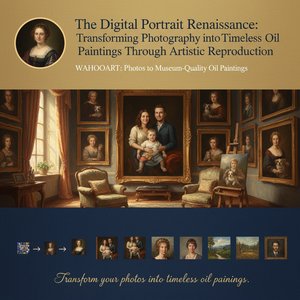
Da Selfie ao Retrato de Estúdio: Uma Transformação Moderna na Pintura a Óleo
Descubra a arte de transformar memórias em retratos a óleo personalizados e reproduções de alta qualidade. Artistas experientes, técnicas clássicas e investimento seguro para colecionadores exigentes. OriginalUniqueArt.com.
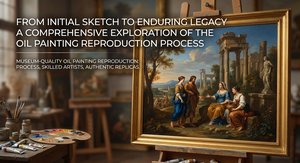
Do Esboço Inicial à Obra Duradoura: Uma Exploração Abrangente do Processo de Reprodução da Pintura a Óleo
Descubra o fascinante processo de reprodução da pintura a óleo com artistas experientes! Explore técnicas, história e personalize sua coleção. Qualidade museológica garantida.
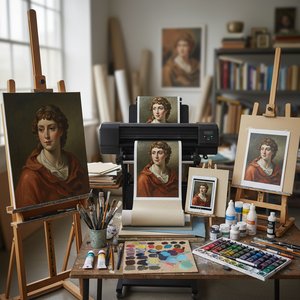
Reproduzindo a Arte: Um Guia para os Meios de Reprodução em Óleo, Tela e Papel
Descubra o guia completo para reproduções de arte em óleo, tela e papel. Técnicas, qualidade, restauração e onde encontrar a cópia perfeita para sua coleção ou decoração.
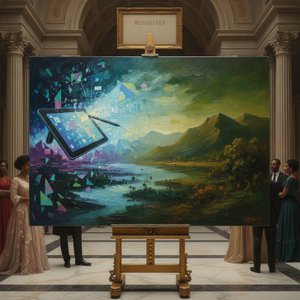
Transforme Sua Arte Digital em Óleo Autêntico e Ganhe Royalties com Produção Rápida e Qualidade de Museu
Descubra como transformar sua arte digital em óleo pintado à mão com qualidade de museu e royalties automáticos. OriginalUniqueArt oferece produção rápida, garantia 100% satisfação e consultoria especializada para colecionadores exigentes.
O Legado Duradouro da Pintura a Óleo Feita à Mão: Valor Estético, Longevidade e Ressonância Emocional
Descubra o legado da pintura a óleo feita à mão e seu valor estético atemporal. Explore técnicas, simbolismo, conservação e reproduções fiéis para colecionadores exigentes. Invista em arte que transcende gerações.
