

 Visualizar em escala
 Enviar
 Compartilhar
 Ver detalhes

 Baixar imagem
 Semelhantes
 Raio X
 Apresentação de slides
 Estatísticas
Peasant with his children

 Ver mais
Giclée / Impressão de Arte
Impressão giclée ou em tela de qualidade de museu, com produção rápida e opções flexíveis de acabamento. ( Encomendar reprodução pintada à mão Ver Imagem Digital)




































Escolha entre os nossos tamanhos pré-definidos que respeitam as proporções originais da obra de arte.

Você pode inserir suas próprias dimensões para se ajustar a uma moldura ou espaço específico. Se o tamanho selecionado não corresponder às proporções da imagem original, iremos recortar a obra de arte ou estender a imagem com uma borda espelhada ou preenchimento sólido. Um mockup digital será enviado para sua aprovação antes do início da produção.
Por favor, observe que a visualização na tela não reflete o recorte ou a extensão real. Apenas o mockup mostrará com precisão a composição final.
Embora tamanhos personalizados estejam disponíveis, recomendamos selecionar uma dimensão da lista predefinida para preservar as proporções originais.
Entrega mundial () em 2 semanas, em vez das 4/5 semanas padrão. (16 Setembro)

Envio expresso gratuito para todo o mundo

Tela de Linho Premium

Seguro de transporte total

Garantia de Reembolso de Impostos Alfandegários

Garantia de Fidelidade de Cor

Política de Devolução em 100 Dias (Apenas para Defeitos)

Garantia de reembolso de 100%

Desconto para múltiplas unidades
 A opção de vidro está disponível apenas para tamanhos inferiores a 110 cm

Peasant with his children
Giclée / Impressão de Arte
Dimensões da Reprodução
-


Preço Total
$ 80
Biografia do Artista
A Legacy Carved in Emotion
Born amidst the quiet landscapes of Casale Monferrato, Leonardo Bistolfi’s journey was etched by both the delicate touch of craftsmanship and the profound weight of early tragedy. As the son of Giovanni Bistolfi, a master of wood carving, his hands were introduced to the tactile language of art from infancy. However, the untimely passing of his father during his childhood cast a long shadow over his youth, perhaps seeding the melancholic depth that would later define his most celebrated works. Seeking to refine this raw talent, he journeyed to the prestigious Brera Art Academy in Milan, studying under Giosuè Argenti, and later moved to Turin to hone his skills at the Accademia Albertina under Odoardo Tabacchi. These formative years were not merely about technical mastery but were a period of absorbing the shifting currents of Italian art, from the atmospheric Scapigliatura movement to the burgeoning whispers of Symbolism.The Transition from Realism to Symbolist Grace
Bistolfi’s early repertoire reflected a profound engagement with the social realities of his era, often imbuing his bronze and marble figures with a poignant realism. His initial sculptures, such as Le lavandaie (The Washerwomen) and Boaro (Cattle-hand), resonated with the "worker question" and the socialistic undertones prevalent in the works of contemporaries like Giuseppe Pellizza da Volpedo. Yet, even within these depictions of labor and daily struggle, a certain ethereal quality began to emerge. As his style matured, the heavy textures of realism gave way to the sinuous, flowing lines of Art Nouveau and the evocative mysteries of Symbolism. He moved away from the literal toward the metaphorical, finding beauty in the unseen. This evolution saw him embracing the Pre-Raphaelite influence, utilizing idealized female forms to bridge the gap between the physical world and a higher, spiritual plane.The Sculptor of Pain and Eternal Beauty
Perhaps nowhere is Bistolfi’s genius more palpable than in his monumental funerary works, which earned him the haunting moniker, the sculptor of pain and death. He possessed a rare ability to transform the somber reality of mourning into an aesthetic experience of profound transcendence. In pieces like L'Angelo della morte (The Angel of Death) and La Bellezza della Morte (The Beauty of Death), he did not merely depict grief; he elevated it, using supple strokes and decadent allegory to find a sense of peace within the inevitable. His monuments, scattered across Italian cemeteries, serve as silent sentinels of memory, where:- The Angel of Death stands as a testament to his ability to blend terror with grace.
- La Sfinge explores the enigmatic nature of existence through mythological symbolism.
- Caduti honors the fallen with a touching, communal sense of loss and protection.
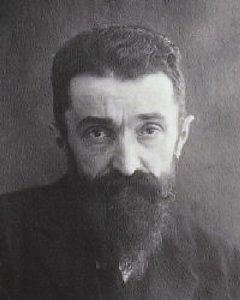
Leonardo Bistolfi
1859 - 1933 , Italy
Informações Rápidas
- Artistic Movement Or Style: Symbolism
- Artists Or Movements Influenced By This Artist: ['Liberty Style']
- Artists Who Influenced This Artist: ['Pre-Raphaelites']
- Date Of Birth: March 14, 1859
- Date Of Death: September 2, 1933
- Full Name: Leonardo Bistolfi
- Nationality: Italian
- Notable Artworks:
- The Sacrifice
- Peasant with his children
- Place Of Birth: Casale Monferrato, Italy