

 Visualizar na parede
 Compartilhar
 Compartilhar
 Detalhes
 Guia
Guia

 Baixar imagem
 Semelhantes
 Raio X
 Ver diaporama
 Estatísticas
Design com Flores em Grade


 Ler mais
Giclée / Impressão de Arte
Impressão giclée ou em tela de qualidade de museu, com produção rápida e opções flexíveis de acabamento. ( Comprar pintura feita à mão Alternar para Imagem Digital)




P118B €10

P118H €10

P118W €10

P438Z €10

P508JH €12

P508YH €12

P805H €10

P805Z €10

P919BZ €10

P919G €10

P919XJ €10

P959ZH €10

P968JZ €12

W106C €8

W218G €10

W218JH €8

W218Y €10

W307PJ €10

W316G €10

W316PJ €8

W316Y €10

W398PJ €8

W4111J €10

W500HY €15

W500JH €15

W692G €12

W849H €8

W940BG €15

W953PJ €8




Escolha entre os nossos tamanhos pré-definidos que respeitam as proporções originais da obra de arte.

Insira a largura e a altura desejadas para se ajustarem à sua moldura ou parede. Uma impressão pode ser apenas cortada, nunca ampliada além da imagem original; portanto, um tamanho com proporções diferentes resultará na perda de parte da imagem. Enviamos uma maquete digital para sua aprovação antes de realizarmos a impressão. A imagem exibida nesta página não mostra o corte real — apenas a maquete o faz.
Entrega mundial () em 2 semanas, em vez das 4/5 semanas padrão. (27 Outubro)

Envio expresso gratuito para todo o mundo

Tela de Linho de Alta Qualidade

Seguro de transporte completo

Garantia de Reembolso de Impostos Alfandegários

Garantia de Fidelidade Cromática

Política de Devolução em 100 Dias (Apenas para Defeitos)

Garantia de reembolso de 100%

Oferta de desconto por quantidade
 A opção de vidro está disponível apenas para tamanhos inferiores a 110 cm

Design com Flores em Grade
Giclée / Impressão de Arte
Tamanho da Reprodução
-


Preço Total
€ 70
Design with Flowers in Grid – Uma Sinfonia Floral em Linhas Elegantes
O trabalho de Léon Bakst, intitulado "Design com Flores em Grade", é uma obra fascinante que captura a essência do Art Nouveau e o espírito orientalista da época dos Ballets Russes. Produzido entre 1884 e 1917, este fragmento de tecido branco impresso apresenta um padrão geométrico meticulosamente elaborado composto por linhas horizontais e verticais que recebem uma explosão de cores vibrantes: amarelo intenso, laranja caloroso, púrpura profundo, rosa delicado e azul celeste. Uma variedade impressionante de flores estilizadas – rosas, lírios, tulipas e outras espécies desconhecidas – são distribuídas em uma grade precisa, criando uma composição visualmente harmoniosa que celebra a beleza da natureza com uma abordagem inovadora.- Artista: Léon Bakst (1866-1924)
- Movimento Artístico: Art Nouveau e Orientalismo
- Origem: Nova York, Estados Unidos
- Material: Seda branca crepe
- Técnica: Impressão textil
O Legado dos Ballets Russes e a Influência Art Nouveau
Os Ballets Russes, liderados pelo visionário Sergei Diaghilev, representaram um marco na história da arte teatral e da cultura mundial. Léon Bakst desempenhou um papel fundamental nesse movimento artístico inovador, criando cenários e figurinos que desafiaram as expectativas do público e estabeleceram novos padrões de estética. Sua obra influenciou artistas e designers em todo o mundo, contribuindo para a disseminação do estilo Art Nouveau e para a criação de espaços interiores sofisticados e elegantes. Este pequeno tecido permanece como um símbolo da época dourada dos Ballets Russes e uma prova da capacidade artística de transformar ideias em obras de arte extraordinárias.Uma Reprodução Excepcional para o Seu Lar
OriginalUniqueArt oferece uma reprodução meticulosamente elaborada deste magnífico trabalho de Léon Bakst, utilizando técnicas avançadas de impressão digital que garantem cores vibrantes e detalhes impressionantes. Uma imagem em alta resolução será enviada para sua aprovação antes da produção, assegurando que você receba uma obra de arte que corresponda às suas expectativas mais altas. Além disso, podemos personalizar o tamanho da reprodução para se adaptar perfeitamente ao seu espaço interior ou à decoração desejada. Invista em uma peça única e inspiradora que celebre a beleza artística e a história cultural!Perguntas e Respostas
"Design com Flores em Grade", de Léon Bakst está localizado no país de origem do artista?
Não – a obra de arte encontra-se no exterior. "Design com Flores em Grade" está guardada em Estados Unidos da América, enquanto Léon Bakst nasceu em Belarus.
Qual é a tonalidade predominante que percorre "Design com Flores em Grade", de Léon Bakst?
A tonalidade dominante de "Design com Flores em Grade", de Léon Bakst é Tons quentes de pôr do sol. A tonalidade é o tom subjacente da paleta.
Que tipo de obra é "Design com Flores em Grade"?
No catálogo, "Design com Flores em Grade", de Léon Bakst está registrado como Arte de Parede. A categoria ajuda a encontrar obras semelhantes.
Biografia do Artista
Early Life and the Seeds of Artistic Rebellion
Born Leyb-Khaim Izrailevich Rosenberg in 1866, within the pale of settlement in Grodno—a city then part of the Russian Empire—Léon Bakst’s journey toward artistic renown was a compelling narrative woven with both innate talent and societal constraints. His family, though comfortably middle class, possessed connections to the imperial court through his grandfather, a celebrated tailor who enjoyed patronage from the Tsar. This background instilled in young Leyb a keen awareness of cultural nuances alongside an early passion for drawing, vividly demonstrated when he won a contest at just twelve years old. However, this burgeoning artistic inclination initially met with resistance from his parents, hesitant to embrace such an unconventional path. Despite their reservations, Bakst persevered, eventually studying at the prestigious St. Petersburg Academy of Arts as a non-credit student while supplementing his education by working as a book illustrator—a practical necessity that honed his skills and provided financial independence. It was in 1889 that he adopted the surname "Bakst," a pragmatic decision reportedly motivated by concerns that his birth name might hinder career advancement within a society often prejudiced against Jewish individuals, revealing the challenges faced by artists from marginalized communities during that era. The atmosphere of Grodno, with its complex social dynamics and burgeoning artistic circles, undoubtedly shaped Bakst’s early sensibilities—a blend of tradition and nascent modernity that would later inform his distinctive style.The World of Art and Embracing Modernity
Bakst’s artistic development truly flourished with his involvement in the influential “World of Art” movement. He quickly became a pivotal figure alongside luminaries like Sergei Diaghilev and Alexandre Benois, contributing significantly to the group's eponymous periodical through his striking graphics. This association brought him widespread recognition and established him as a rising star within Russia’s artistic circles. His early works included compelling portraits of prominent figures such as Filipp Malyavin, Vasily Rozanov, Andrei Bely, and Zinaida Gippius, showcasing his ability to capture not only physical likeness but also the intellectual and emotional essence of his subjects. Bakst's style during this period was a fascinating blend of Russian artistic traditions with burgeoning European influences—particularly Orientalism and early Modernism. He embraced vibrant colors, exotic themes, and stylized forms, foreshadowing the revolutionary aesthetic he would later bring to the stage. This willingness to experiment and synthesize diverse influences marked him as an artist attuned to the changing currents of his time. The “World of Art” movement itself represented a deliberate challenge to the conservative artistic establishment—a celebration of beauty in all its forms, embracing popular culture alongside classical traditions. Bakst’s participation in this collective underscored his commitment to pushing boundaries and exploring new creative avenues. He was not merely an artist; he was a participant in a cultural revolution.Revolutionizing Ballet with the Ballets Russes
The pivotal moment in Bakst’s career arrived in 1908 when he began designing sets and costumes for theatrical productions—a shift that would forever alter the landscape of stage design. His collaboration with Sergei Diaghilev's Ballets Russes proved transformative, revolutionizing theatrical aesthetics and catapulting both artists to international fame. Bakst’s designs were groundbreaking; they moved away from realistic depictions, embracing stylized forms, bold colors, and a sense of opulent fantasy. Productions like *Cleopatra*, *Scheherazade* (1910)—perhaps his most iconic work—*Carnaval* (1910), *Narcisse* (1911), and particularly *L’Après-midi d’un Faune* (1912) became legendary for their visual splendor. L’Après-midi d’un Faune, in particular, was a seminal work that profoundly influenced the development of ballet and stage design, establishing a new aesthetic language for the art form. He didn't merely create backdrops; he constructed immersive worlds that heightened the emotional impact of the choreography and music. The costumes were equally innovative, often incorporating exotic fabrics, shimmering embellishments, and daring silhouettes that challenged conventional notions of theatrical attire. Bakst’s approach to costume design was not simply decorative—it was integral to the narrative, reflecting the characters' inner lives and contributing to the overall atmosphere of the ballet. The Ballets Russes under Diaghilev became a crucible for artistic innovation, attracting some of the greatest talents of the era—composers like Igor Stravinsky, choreographers like Michel Fokine, and dancers like Vaslav Nijinsky—and Bakst’s work stood at the very heart of this creative explosion.Legacy and Enduring Influence
Léon Bakst’s legacy extends far beyond his contributions to ballet. He is rightfully considered one of the most important figures in the history of theatrical design, significantly impacting both set and costume creation for generations to come. His designs also contributed to the development of the Art Deco style with their emphasis on stylized forms, rich colors, and exotic themes—a testament to his far-reaching influence on visual culture. Despite facing some criticism during his lifetime for perceived extravagance, Bakst’s work was widely celebrated, and his funeral in 1924 was attended by a remarkable gathering of prominent artists, poets, musicians, dancers, and critics—a poignant demonstration of the esteem in which he was held. Today, his artwork can be found in museums worldwide and continues to inspire through reproductions available on platforms like OriginalUniqueArt.com, ensuring that his innovative spirit and artistic vision endure for audiences around the globe. Bakst’s ability to synthesize diverse influences, embrace experimentation, and create visually stunning worlds cemented his place as a true visionary of the 20th century.- A master of color and composition.
- Pioneered new approaches to theatrical design.
- Influenced Art Deco aesthetics.
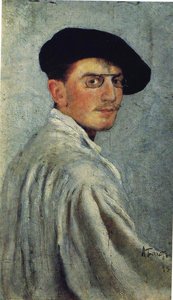
Léon Bakst
1866 - 1924 , Belarus
Dados Rápidos
- Artistic Movement Or Style: Modernismo, Orientalismo
- Artists Or Movements Influenced By This Artist: ['Ballets Russes']
- Date Of Birth: 27 de abril de 1866
- Date Of Death: 27 de dezembro de 1924
- Full Name: Léon Bakst
- Nationality: Russo
- Notable Artworks:
- Scheherazade
- Narcisse
- Carnaval
- Place Of Birth: Grodno, Belarus
Artigos Relacionados
The Flowing Line & Flourishing Form: Exploring Art Nouveau's Aesthetic Legacy
Explore the captivating world of Art Nouveau! Discover its origins, key artists like Horta & Mucha, regional styles, innovative techniques, and lasting influence on architecture & design. A comprehensive guide for art enthusiasts.
The Elegance of Art Nouveau: Embracing Nature's Fluid Beauty and the Belle Époque Spirit
Discover the enchanting world of Art Nouveau. Explore the organic beauty, flowing lines, and Belle Époque elegance that defined an era of unparalleled craftsmanship and natural inspiration.
Art Nouveau: The Elegant Fusion of Nature and Design – A Journey Through Organic Sophistication
Discover the exquisite world of Art Nouveau. Explore the elegant fusion of nature and design through architectural masterpieces, organic forms, and the legendary masters of the Belle Époque. Immerse yourself in a journey of timeless sophistication and ornamental beauty.
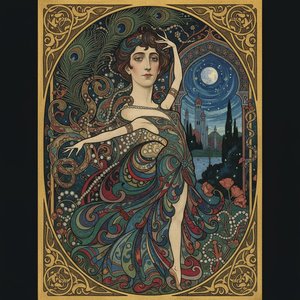
Léon Bakst: A Master of Decadence and the Ballet Russes' Visual Revolution
Explore the captivating world of Léon Bakst, master designer of the Ballets Russes. Discover his opulent costumes, revolutionary stagecraft & lasting influence on art and design. Learn about Diaghilev's vision and Bakst’s iconic works.
Art Nouveau: 10 Obras-Primas que Definiram um Movimento Atemporal | OriginalUniqueArt
Descubra as 10 obras-primas que moldaram a Art Nouveau! Explore a beleza floral de Mucha, o simbolismo de Klimt e a inovação de Gaudí. Encontre reproduções de arte exclusivas e inspire sua decoração em OriginalUniqueArt.com.

