

 Visualizar em escala
 Enviar
 Compartilhar
 Ver detalhes

 Baixar imagem
 Semelhantes
 Raio X
 Apresentação de slides
 Estatísticas
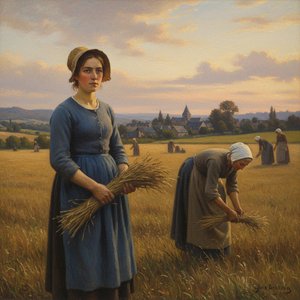
La Saulaie (A Bela Salgueiro)


 Ver mais
Reprodução em Óleo Feita à Mão
Óleo sobre tela pintado à mão no tamanho e moldura de sua escolha, feito sob encomenda pelos nossos artistas. ( Alternar para Impressão Ver Imagem Digital)




P118B $10

P118H $10

P118W $10

P438Z $10

P508JH $12

P508YH $12

P805H $10

P805Z $10

P919BZ $10

P919G $10

P919XJ $10

P959ZH $10

P968JZ $12

W106C $8

W218G $10

W218JH $8

W218Y $10

W307PJ $10

W316G $10

W316PJ $8

W316Y $10

W398PJ $8

W4111J $10

W500HY $15

W500JH $15

W692G $12

W849H $8

W940BG $15

W953PJ $8




Escolha entre os nossos tamanhos pré-definidos que respeitam as proporções originais da obra de arte.

Pode inserir as suas próprias dimensões para se adequar a uma moldura ou espaço específico. Se o tamanho selecionado não corresponder às proporções da imagem original, iremos cortar a obra de arte ou estender a pintura com elementos adicionais pintados à mão. Um esboço digital será enviado para sua aprovação antes do início da produção.
Tenha em atenção que a pré-visualização no ecrã não reflete o corte ou extensão real. Apenas o esboço mostrará com precisão a composição final.
Embora tamanhos personalizados estejam disponíveis, recomendamos selecionar uma dimensão da lista predefinida para preservar as proporções originais.
Após o pedido, a equipa OriginalUniqueArt.com enviará um e-mail ao cliente para solicitar instruções e fornecer uma prévia do esboço.
Entrega mundial () em 3 a 4 semanas, em vez das 5 semanas padrão. (19 Setembro). Sem comprometer a qualidade.

Envio expresso gratuito para todo o mundo

Tela de Linho Premium

Seguro de transporte total

Garantia de Reembolso de Impostos Alfandegários

Garantia de Fidelidade de Cor

Política de Devolução em 100 Dias (Apenas para Defeitos)

Garantia de reembolso de 100%

Desconto para múltiplas unidades
 A opção de vidro está disponível apenas para tamanhos inferiores a 110 cm

La Saulaie (A Bela Salgueiro)
Técnica de Reprodução
Dimensões da Reprodução
-


Preço Total
$ 300
La Saulaie (The Willows): A Masterpiece of Rural Realism by Léon Augustin L'Hermitte
Léon Augustin L’Hermitte stands as a cornerstone of French realist painting, an artist who dedicated his life to capturing the essence of rural existence with unwavering precision and profound empathy. Born in Mont Saint-Pierre in 1844, L’Hermitte’s formative years amidst Picardy’s rolling hills instilled within him a deep appreciation for the dignity of labor and the beauty inherent in everyday life—themes that would permeate his oeuvre throughout his prolific career. His artistic journey began at the École Supérieure des Beaux-Arts de Paris under Horace Lecoq de Boisbaudran, where he honed his draughtsmanship skills and absorbed the influential stylistic currents of Impressionism, albeit rejecting its fleeting effects for a steadfast commitment to capturing tangible reality.- A Vision Rooted in Millet: L’Hermitte's artistic sensibilities were undeniably shaped by Jean-François Millet, whose depictions of peasant life resonated with L’Hermitte’s own desire to portray the honest struggles and quiet joys of rural communities. Like Millet, L’Hermitte eschewed idealized representations, favoring instead meticulous observation and painstaking detail—a technique that distinguishes his work from more flamboyant artistic expressions of the era.
- Technique and Composition: L’Hermitte's mastery lay in his masterful use of paste – a method he perfected to achieve remarkable tonal gradations and textural nuances. This technique allowed him to convey not merely what he saw but also how it felt—the warmth of sunlight filtering through the foliage, the stillness of the afternoon air, the palpable connection between humanity and nature. His compositions are carefully balanced, guiding the viewer’s eye across the canvas with subtle gestures that heighten the emotional impact of each scene.
- Notable Works: Among his most celebrated paintings are “Interior of a Butcher Shop,” which offers an unflinching glimpse into the daily life of rural tradesmen; "The Gleaners," portraying the arduous labor of impoverished farmers harvesting leftover grain; “La Fenaison,” capturing the communal effort involved in haymaking; “Le Passeur,” depicting a solitary ferryman traversing a river; and “Pelerinage Pour L'Enfant Malade. Eglise De Plein-Pied, Bourges,” illustrating a poignant religious procession reflecting the spiritual values of rural France.
Symbolism and Emotional Resonance
L’Hermitte’s paintings transcend mere visual representation; they embody a deeper philosophical concern for human dignity and social justice. He sought to elevate the commonplace—the farmer, the shepherdess, the humble craftsman—to the level of heroic grandeur, recognizing their inherent worth and celebrating their connection to the land. The muted palette employed by L’Hermitte – predominantly earthy tones – reinforces this sense of groundedness and authenticity, mirroring the quiet beauty of the landscapes he depicted. Furthermore, his meticulous attention to detail invites contemplation on the passage of time and the enduring values of rural tradition.Influence and Legacy
Léon Augustin L’Hermitte's influence extended far beyond his own lifetime, establishing him as a pivotal figure in the realist movement and inspiring subsequent generations of artists. His unwavering dedication to portraying rural life with uncompromising honesty continues to resonate today, reminding us of the importance of preserving cultural heritage and honoring the dignity of labor—values that remain central to artistic expression and societal discourse. His legacy resides not merely in his paintings themselves but also in their enduring capacity to evoke empathy and inspire admiration for the simple beauty of the natural world.Biografia do Artista
Early Life and Artistic Beginnings
Léon Augustin L'Hermitte, a name synonymous with the poignant realism of 19th-century French art, was born on July 31st, 1844, in the tranquil village of Mont-Saint-Père, nestled within the Picardy region of France. This rural upbringing—a landscape of rolling fields and hardworking communities—would indelibly shape his artistic vision, becoming the very bedrock upon which he built his enduring legacy. His father, a dedicated schoolteacher, recognized his son’s innate talent for drawing early on, providing him with encouragement and fostering a love for observation that would prove crucial to L'Hermitte’s future success. Formal training commenced at the prestigious *École Spéciale des Dessins et de la Sculpture*, more commonly known as the “Petite École,” under the tutelage of Horace Lecoq de Boisbaudran, a renowned instructor who emphasized meticulous draftsmanship and a deep understanding of artistic fundamentals. This foundational period instilled in L'Hermitte a rigorous approach to his craft, laying the groundwork for his later mastery of technique. He subsequently continued his studies at the esteemed *École des Beaux-Arts* in Paris, immersing himself in the vibrant artistic milieu of the capital city.The Rise of a Realist Master
L’Hermitte's breakthrough arrived with remarkable swiftness upon his debut at the Salon in 1864. His paintings immediately resonated with audiences and critics alike, capturing the essence of rural life with an unprecedented level of sensitivity and honesty. Unlike many artists of the time who favored grand historical narratives or idealized landscapes, L’Hermitte focused on the everyday realities of the working class—the farmers, laborers, and villagers whose lives unfolded amidst the fields and workshops of Picardy. This commitment to portraying the dignity and hardship of these individuals quickly established him as a leading figure within the burgeoning realist movement. His innovative use of pastels – capturing subtle nuances of light and texture with remarkable delicacy – further distinguished his work from its contemporaries. In 1884, he was honored with the prestigious French Legion of Honor, a testament to his growing reputation, followed by the Grand Prize at the Exposition Universelle in 1889, solidifying his position as one of France’s most celebrated artists.Influences and Artistic Evolution
L'Hermitte’s artistic development was profoundly shaped by several key influences. Foremost among these was the work of Jean-François Millet, a master of depicting peasant life with unwavering empathy and realism. Like Millet, L'Hermitte sought to represent the world as it truly was—without embellishment or romanticism—focusing on the dignity and struggles of those who labored in the fields and workshops. He also drew inspiration from the broader realist movement, embracing its commitment to social commentary and its rejection of academic conventions. His early training instilled a meticulous attention to detail and a profound understanding of composition, which he skillfully applied to his distinctive pastel technique. The influence of Vincent van Gogh is notable; the Dutch painter admired L'Hermitte’s ability to capture emotion through color and form, often referencing his work in letters to his brother Theo.Notable Works and Lasting Legacy
L'Hermitte’s oeuvre encompasses a diverse range of subjects, all united by his unwavering commitment to realism and his profound empathy for the human condition. Among his most celebrated works are *Interior d'une Boucherie* (Interior of a Butcher Shop), a meticulously detailed depiction of working-class life within a rural establishment; *Les Moissonneurs* (The Gleaners), a poignant portrayal of laborers harvesting after the harvest; *La Fenaison* (The Haymaking), capturing the communal spirit of agricultural work; *Le Passeur* (The Ferryman), illustrating a scene of everyday interaction and exchange; and *Pelerinage Pour L'Enfant Malade, Eglise De Plein-Pied, Bourges* (Pilgrimage for the Sick Child in a Plain-Footed Church), depicting a religious procession within a rural community. These works, along with many others, offer a compelling glimpse into 19th-century French society—a society grappling with rapid industrialization and social change. L'Hermitte’s legacy extends far beyond his individual achievements; he played a crucial role in shaping the realist movement and inspiring generations of artists to seek truth and beauty in the everyday lives of ordinary people. His paintings are now housed in prominent museums across Europe and North America, ensuring that his artistic vision continues to resonate with audiences today. He died on July 28th, 1925, leaving behind a body of work that stands as a testament to the power of observation, empathy, and artistic integrity.
Léon Lhermitte
1844 - 1925 , França
Informações Rápidas
- Artistic Movement Or Style: Realismo
- Artists Or Movements Influenced By This Artist: ['Vincent van Gogh']
- Artists Who Influenced This Artist: ['Jean-François Millet']
- Date Of Birth: 31 Jul 1844
- Full Name: Léon Augustin L'Hermitte
- Nationality: Francês
- Notable Artworks:
- Interior da açougue
- Os ceifadores
- La Fenaison
- Le Passeur
- Peregrinação para a criança doente
- Place Of Birth: Mont-Saint-Père, França
Artigos Relacionados

Romantic Realism's Finest: 10 Masterpieces for Your Home | OriginalUniqueArt
Explore 10 defining masterpieces of Romantic Realism! Discover Courbet, Millet & Daumier's powerful paintings—capturing emotion and social realities. Find museum-quality reproductions for your home at OriginalUniqueArt.com.

Léon Augustin L'Hermitte: Capturing the Soul of French Rural Life
Discover the captivating realist paintings of Léon Augustin L'Hermitte, masterfully depicting French rural life. Explore his technique, influences & legacy – a cornerstone of 19th-century art.

Jean-François Millet: Realism, Rural Life & the Poetic Depiction of Labor
Explore the life & work of Jean-François Millet, a founder of Realism. Discover his poignant depictions of rural France, iconic paintings like 'The Angelus,' and lasting influence on art history. Learn more at OriginalUniqueArt.

Léon Bonnat: Realism, Academic Mastery & the Depths of Portraiture
Explore the life & work of Léon Bonnat, a leading French Realist painter renowned for his masterful portraits and Spanish Baroque influence. Discover his academic legacy & pursuit of psychological depth in 19th-century art.
Jules Breton: Capturing the Poetic Soul of French Rural Life
Explore the captivating world of Jules Breton, master of French Realism. Discover his iconic paintings of rural life, learn about his artistic journey, and find high-quality reproductions to elevate your art collection at OriginalUniqueArt.
