- Início

- Imagem Digital
- Le Corbusier
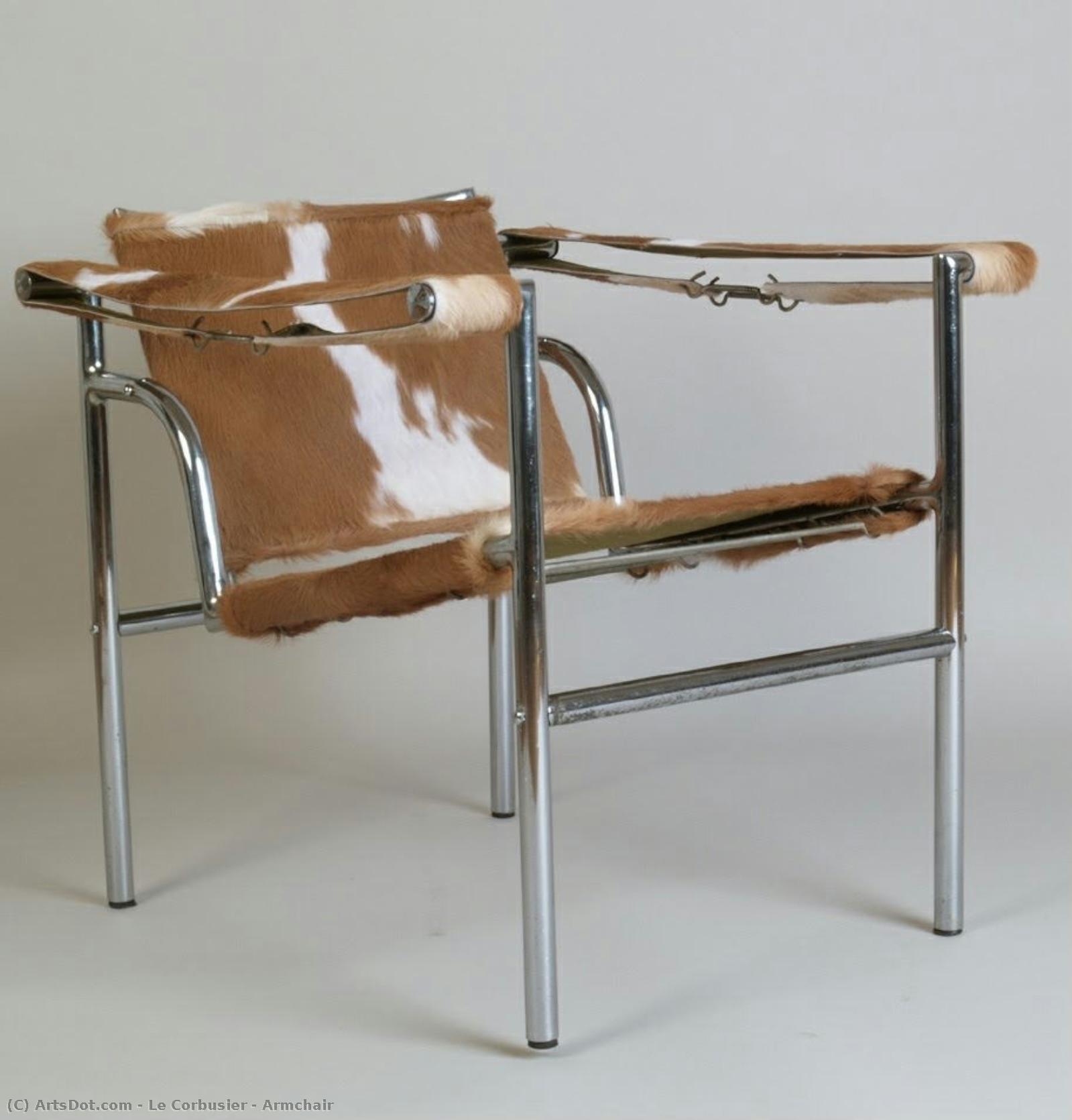
- Armchair
 Comprar impressão Encomendar pintura
 Enviar
 Compartilhar
 Detalhes da obra
 Adicionar aos favoritos

 Baixar
 Semelhantes
 Raio X
 Slideshow
Armchair
 Acrylic On Canvas
- WallArt
- Modernism
 1932
1932 61.0 x 65.0 cm
 The Museum of Arts and Crafts
 Ver mais
Adquira uma imagem digital de alta resolução e aprimorada, muito superior à prévia online.
Cada arquivo é meticulosamente preparado por nossos especialistas internos, utilizando ferramentas avançadas e retoques manuais de alta precisão. Garantimos que cada imagem apresente clareza excepcional, fidelidade de cores e detalhes minuciosos.
O arquivo final é entregue por e-mail em até 72 horas, otimizado para uso imediato em ambientes profissionais, editoriais e de impressão. Esta é a mesma qualidade utilizada por estúdios de design de alto nível, editoras e galerias.
Imagem Digital
Baixe um arquivo de alta resolução para exibição pessoal, impressão e projetos criativos.
Incluído em cada pedido de imagem digital
Entrega Digital Especializada, Garantida
Ao escolher o OriginalUniqueArt.com, você não está apenas recebendo uma imagem — você está recebendo uma obra de arte digital profissionalmente aprimorada, elaborada com precisão e com garantia de satisfação. Aqui está tudo o que acompanha seu pedido, automaticamente:

Entrega rápida por e-mail
O seu arquivo de imagem digital em alta resolução será enviado por e-mail em até 72 horas após o pedido — pronto para uso imediato.

Arquivo Digital com IA
Sua obra de arte é otimizada profissionalmente por meio de ferramentas avançadas de IA e edição manual, garantindo o máximo de detalhes, clareza e precisão de cores.

Reenvio Gratuito Vitalício
Apagou ou perdeu o seu ficheiro acidentalmente? Não se preocupe – nós reenviamos para si a qualquer momento, gratuitamente.

Sem Taxas de Importação - Sempre
Desfrute da sua obra de arte instantaneamente, sem taxas alfandegárias, impostos ou custos de entrega — downloads digitais são sempre isentos de taxas.

Garantia de Precisão de Cores
Garantimos que sua imagem digital reflita as cores originais com a maior fidelidade possível, utilizando ferramentas profissionais e gerenciamento de cores.

Garantia de Satisfação de 60 Dias
Se você não estiver satisfeito com sua imagem digital, nós a revisaremos ou reembolsaremos 100% dentro de 60 dias — sem perguntas.

Garantia de Reembolso 100%
Não está satisfeito? Receba o reembolso total em até 60 dias após o recebimento do seu arquivo digital — sem perguntas.

Descontos para pedidos em lote
Compre 3 imagens, economize 10% - Compre 5, economize 15% - Compre 10+, economize 20%. Ideal para projetos criativos, galerias e agências.
Descrição do Colecionável
The LC2 Armchair: A Testament to Minimalist Elegance
The Le Corbusier LC2 Armchairs stand as an enduring emblem of mid-century modern design, embodying principles of functionality and sculptural form that continue to resonate with contemporary aesthetics. Created in 1931 by Ludwig Mies van der Rohe and Pierre Jeanneret for the Maison Citroën showroom in Paris, these chairs represent a pivotal moment in architectural history—a deliberate rejection of ornate decoration in favor of clean lines and geometric precision. Their influence extends far beyond the design world, shaping countless interiors and inspiring generations of designers to prioritize simplicity and beauty.- Design Philosophy: Mies van der Rohe’s unwavering commitment to “less is more” drove the LC2's conceptual framework. Rejecting superfluous ornamentation, the duo sought to distill furniture into its essential elements—structure, material, and form—creating a piece that speaks volumes without resorting to visual clutter.
- Materials: The LC2’s construction utilizes three primary materials: bent plywood for the frame, chrome steel tubing for structural support, and cowhide leather upholstery for comfort and textural contrast. This careful selection reflects the modernist ethos of utilizing industrial processes to achieve refined results.
- Geometric Precision: The chair's design is characterized by impeccable geometric accuracy—tubular frames intersecting at precise angles, creating a stable yet visually arresting structure. The plywood panels are bent into elegant curves that complement the straight lines of the frame, resulting in an harmonious balance between form and function.
Historical Context: Bauhaus Influence & Citroën’s Vision
The LC2 Armchairs emerged during the Bauhaus movement—a German art school founded in Weimar in 1919 that championed functionalist ideals and challenged traditional artistic conventions. Mies van der Rohe, a former Bauhaus instructor, absorbed these principles into his architectural practice and subsequently applied them to furniture design. Simultaneously, Citroën’s desire for a showroom space that reflected the company's innovative spirit fueled the project—a bold statement against prevailing decorative trends. The LC2 Armchairs became synonymous with Citroën’s commitment to modernity and technological advancement.- Bauhaus Legacy: Mies van der Rohe’s Bauhaus training instilled in him a profound understanding of industrial design, emphasizing efficiency and aesthetic harmony. This influence is palpable in the LC2's meticulous construction and restrained materiality.
- Citroën Showcase: The showroom was conceived as an experimental space—a deliberate departure from conventional retail environments. The LC2 Armchairs served as a focal point for this vision of understated elegance, demonstrating how simplicity could convey sophistication.
Symbolism & Emotional Impact
Beyond its technical brilliance, the LC2 Armchair carries symbolic weight—representing the triumph of rational thought over ornamentation and embodying the humanist ideals of Bauhaus. Its sleek form conveys a sense of calm and serenity, inviting contemplation and relaxation. The tactile qualities of cowhide leather contribute to this emotional resonance—providing warmth and texture against the cool sheen of chrome steel. “The LC2 Armchair is not merely furniture; it’s an embodiment of architectural principles translated into domestic comfort,” remarked renowned design historian Norbert Schiele. “It speaks to a desire for clarity, restraint, and timeless beauty—values that continue to define modern interior spaces.” The chair's enduring popularity testifies to its ability to capture the spirit of an era while offering unparalleled aesthetic pleasure.Technique & Reproduction Considerations
The LC2 Armchairs exemplify masterful craftsmanship—a testament to the precision required in bending plywood and assembling tubular frames. Reproductions strive to faithfully recreate these original qualities, utilizing high-quality materials and employing meticulous fabrication techniques. When selecting a reproduction, consider factors such as upholstery material (genuine leather offers superior durability and patina), frame finish (polished chrome maintains its luster over time), and overall dimensional accuracy—ensuring that the resulting piece captures the essence of Le Corbusier’s iconic design.Biografia do Artista
The Formative Years: From Watchmaking to Artistic Vision
Charles-Édouard Jeanneret, the man who would become globally recognized as Le Corbusier, emerged from the heart of Switzerland’s watchmaking country, La Chaux-de-Fonds, in 1887. This birthplace profoundly shaped his aesthetic sensibilities. The precision and meticulous craftsmanship inherent in the creation of intricate timepieces instilled within him a deep appreciation for form, function, and the beauty of industrial processes. His father, an artisan specializing in enameling watch cases and boxes, and his mother, a music teacher, fostered a unique environment where artistic expression intertwined with technical skill. Even the austere atmosphere of the local Masonic lodge, L'Amitié, emphasizing rectitude and exactitude, left its mark on the young Jeanneret’s developing worldview. Though he lacked formal architectural training in his youth, he pursued studies at the municipal art school, focusing on applied arts related to watchmaking—a foundation that would unexpectedly inform his later designs. Under the guidance of Charles L'Eplattenier, he honed his skills in painting from nature, cultivating a profound connection with the natural world and an understanding of its underlying structures. Early architectural explorations, like the Villa Fallet (1905) and subsequent projects with René Chapallaz—Villas Jacquemet and Stotzer—revealed a nascent talent blending local alpine styles with emerging geometric patterns, hinting at the revolutionary path he would soon forge.European Wanderings and the Crucible of Modernity
The years between 1907 and 1914 were pivotal for Jeanneret, marked by extensive travels across Europe that served as a crucial education beyond any formal schooling. He immersed himself in the artistic and architectural landscapes of Italy, Budapest, Vienna, Germany, the Balkans, Turkey, Greece, Pompeii, and Rome. These journeys weren’t merely sightseeing; they were intensive studies of form, space, and historical precedent. In Vienna, an encounter with Gustav Klimt proved inspiring, while a brief stint working under Peter Behrens—alongside future titans Ludwig Mies van der Rohe and Walter Gropius—exposed him to the principles of industrial design and standardization. The Florence Charterhouse in Galluzzo left a lasting impression, sparking ideas about worker housing and utopian living spaces – concepts that would later define his urban planning theories. Perhaps most significantly, his observations of the Parthenon in Athens profoundly influenced his architectural thinking, leading him to develop his concept of “the Modulor,” a system of proportions based on the human body. A crucial period followed as a draftsman for Auguste Perret in Paris, where he gained invaluable experience with reinforced concrete construction—a material that would become central to his future designs and allow him to realize his ambitious visions.Purism, The Five Points, and Architectural Revolution
The post-World War I era witnessed the crystallization of Le Corbusier’s architectural philosophy. In 1917, he co-founded *L’Esprit nouveau* with Amédée Ozenfant, advocating for Purism—a movement that rejected ornamentation in favor of essential forms and clarity. This pursuit of purity extended to his architecture, culminating in the articulation of his “Five Points of Architecture” in his seminal 1923 work, *Vers une architecture*. These principles – pilotis (columns), a free plan, a free facade, horizontal windows, and roof gardens—became foundational tenets of modern architecture, liberating buildings from traditional constraints and embracing functionality. The Maison Blanche (1912), built for his parents, served as an early testing ground for these ideas, but it was the Villa Savoye (1931) that truly exemplified them, establishing Le Corbusier as a leading figure in the modernist movement. This iconic structure, with its clean lines, open spaces, and integration of natural light, became a symbol of a new architectural order—one defined by efficiency, rationality, and a rejection of historical styles.Urban Visions, Brutalist Expressions, and Enduring Legacy
Le Corbusier’s influence extended far beyond individual buildings; he envisioned entire cities designed to improve the lives of their inhabitants. His involvement in planning and designing Chandigarh, India’s new capital city, showcased his urban planning theories on a grand scale—a bold attempt to create a modern utopia. The Unité d'Habitation (1952) in Marseille was a pioneering example of modular housing, demonstrating his commitment to providing functional and efficient living spaces for the masses. However, it was with Notre-Dame du Haut (1955), a chapel in Ronchamp, that Le Corbusier revealed a surprising shift in his approach. Departing from the strict geometric principles of his earlier work, he embraced more organic forms and expressive architecture, showcasing a willingness to explore new possibilities. In 1965, Le Corbusier passed away, leaving behind a body of work that continues to inspire and provoke debate. The recognition afforded by UNESCO in 2016—designating seventeen of his architectural works across seven countries as World Heritage Sites—underscores his outstanding contribution to the Modern Movement. His theories and designs profoundly influenced architecture, urban planning, and design worldwide, and his emphasis on functionality, modularity, and modern materials continues to shape contemporary practices. Le Corbusier remains a towering figure in architectural history, a visionary whose ideas continue to resonate today.Notable Works
- Villa Savoye: A quintessential example of the "Five Points of Architecture," embodying modern living.
- Unité d'Habitation: Pioneering modular housing, a prototype for efficient urban dwelling.
- Notre-Dame du Haut: A departure from strict modernism, showcasing expressive and organic forms.
- Chandigarh: A large-scale urban planning project demonstrating his vision for a modern city.
- LC4 Chair: An iconic piece of furniture design, exemplifying comfort and modernist aesthetics.

Le Corbusier
1887 - 1965

