

 Visualizar em escala
 Enviar
 Compartilhar
 Ver detalhes
 Guia de Obras do Aluno

 Baixar imagem
 Semelhantes
 Raio X
 Apresentação de slides
 Estatísticas
Mermaid
 Vienna Secession
 1914
1914- Modern
 37.0 x 50.0 cm
 Ver mais
Giclée / Impressão de Arte
Impressão giclée ou em tela de qualidade de museu, com produção rápida e opções flexíveis de acabamento. ( Encomendar reprodução pintada à mão Ver Imagem Digital)




P118B €10

P118H €10

P118W €10

P438Z €10

P508JH €12

P508YH €12

P805H €10

P805Z €10

P919BZ €10

P919G €10

P919XJ €10

P959ZH €10

P968JZ €12

W106C €8

W218G €10

W218JH €8

W218Y €10

W307PJ €10

W316G €10

W316PJ €8

W316Y €10

W398PJ €8

W4111J €10

W500HY €15

W500JH €15

W692G €12

W849H €8

W940BG €15

W953PJ €8




Escolha entre os nossos tamanhos pré-definidos que respeitam as proporções originais da obra de arte.

Digite a largura e a altura de que necessita, para se ajustar à sua moldura ou à sua parede. Uma impressão só pode ser cortada, nunca ampliada além da imagem original, pelo que um tamanho com uma proporção diferente perderá parte da imagem. Enviamos-lhe uma maquete digital para aprovação antes de imprimirmos qualquer coisa. A imagem apresentada nesta página não mostra o corte real — apenas a maquete o faz.
Entrega mundial () em 2 semanas, em vez das 4/5 semanas padrão. (23 Outubro)

Envio expresso gratuito para todo o mundo

Tela de Linho Premium

Seguro de transporte total

Garantia de Reembolso de Impostos Alfandegários

Garantia de Fidelidade de Cor

Política de Devolução em 100 Dias (Apenas para Defeitos)

Garantia de reembolso de 100%

Desconto para múltiplas unidades
 A opção de vidro está disponível apenas para tamanhos inferiores a 110 cm

Mermaid
Giclée / Impressão de Arte
Dimensões da Reprodução
-


Preço Total
€ 70
A Dreamscape of Gold and Shadow
In the evocative masterpiece Mermaid, created in 1914 by the visionary Koloman Moser, we are invited into a realm where the boundaries between reality and myth dissolve. The painting presents a mesmerizing vision of a woman reclining within a mysterious, cave-like sanctuary, her form bathed in an otherworldly glow. Moser employs a striking palette, most notably through the use of vibrant yellow skin tones that illuminate the subject against the darker, more somber textures of the rocky environment. This deliberate use of color does not merely depict a figure; it breathes life into a dream, transforming a simple study of a reclining woman into a luminous centerpiece of symbolic depth. As she rests in a state of profound stillness, the viewer is drawn into her quietude, feeling the weight of the silence that permeates this subterranean world.
The composition is a masterclass in balanced complexity, where every element serves to heighten the sense of enchantment. Beyond the central figure, Moser weaves a delicate tapestry of life: a solitary fish glides near the upper reaches of the frame, while another finds its place in the lower depths, suggesting an aquatic or primordial connection to the setting. The presence of birds—one hovering above and another perched on the periphery—adds a layer of ethereal movement to the otherwise static scene. These creatures act as silent witnesses to the mermaid's slumber, bridging the gap between the earthbound rocks and the boundless sky. For the discerning collector or interior designer, this interplay of fauna and flora creates a narrative richness that makes the piece a captivating focal point for any sophisticated space.
The Legacy of the Vienna Secession
To understand the profound impact of Mermaid, one must look to the historical currents of early 20th-century Austria. As a foundational figure of the Vienna Secession, Koloman Moser was instrumental in breaking away from traditional academic constraints to embrace a more stylized, decorative, and symbolic language. This painting reflects that transition perfectly, blending the organic textures of nature with a highly curated, almost graphic sensibility. The technique reveals a sophisticated command over light and shadow, using the ruggedness of the cave walls to contrast with the smooth, idealized curves of the subject. It is this tension between the raw and the refined that gives the work its enduring emotional resonance.
For those seeking to adorn their homes with art that inspires contemplation, a high-quality reproduction of this work offers more than mere decoration; it offers an entry point into the soul of the Secessionist movement. The painting’s ability to evoke mystery and tranquility makes it an ideal choice for creating an atmosphere of elegance and introspection. Whether placed in a contemporary gallery setting or a classic study, Mermaid serves as a timeless testament to Moser's ability to capture the ephemeral beauty of myth through the lens of modern design.
Perguntas e Respostas
Onde posso encontrar um guia para "Mermaid"?
A página Guia de "Mermaid" de Koloman Moser oferece uma ficha informativa imprimível em duas folhas: a obra de arte com sua tabela de identificação, uma linha do tempo situando-a no período de vida do artista, outras obras do artista, a paleta de cores medida e citações prontas para copiar em quatro estilos.
Qual cor mais se destaca em "Mermaid"?
A cor que mais se destaca em "Mermaid" é Rosy Brown (#ae9d82). A cor dominante é útil ao combinar uma obra de arte com um ambiente interno.
Como as cores de "Mermaid" de Koloman Moser se relacionam com a sua emoção?
Em "Mermaid", cores de Earthy acompanham um sentimento Mysterious.
Biografia do Artista
Early Life and Artistic Foundations
Koloman Moser, a name synonymous with the vibrant spirit of Vienna’s artistic landscape at the turn of the 20th century, was born on March 30, 1868, in the heart of Vienna, Austria-Hungary – a city already brimming with creative energy. His origins were deeply intertwined with the cultural currents shaping his future as an artist and designer. His father, Josef Moser, held a position within the Viennese Academy, exposing young Koloman to the world of art from an early age. This familial connection fostered a profound appreciation for aesthetics and craftsmanship, laying the groundwork for his later explorations across diverse artistic disciplines. Formal education at both the Wiener Akademie and the Kunstgewerbeschule proved instrumental in shaping Moser’s technical skills and broadening his understanding of design principles. The Kunstgewerbeschule, in particular, provided him with a rigorous training in applied arts – a crucial element that would inform his later work in furniture design, ceramics, and textiles. It was during this period that he developed a keen eye for detail, an appreciation for geometric forms, and a fascination with the interplay between functionality and beauty—qualities that would become hallmarks of his distinctive style. The influence of his family’s background, combined with the structured environment of these esteemed institutions, provided him with a solid foundation upon which to build his artistic career.A Pioneer of Vienna Secession and the Wiener Werkstätte
Moser's emergence as a significant figure in Viennese art coincided with the rise of the Vienna Secession in 1897 – a movement that challenged the established norms of the time and championed innovation, experimentation, and a rejection of academic traditions. He quickly embraced the Secession’s ethos, becoming one of its founding members alongside artists like Gustav Klimt and Josef Hoffmann. This association proved pivotal, exposing Moser to a network of fellow creatives who shared his desire to push artistic boundaries and redefine the role of art in society. In 1903, building upon the principles of the Secession, Moser co-founded the Wiener Werkstätte (Vienna Workshop) – a collaborative endeavor that aimed to integrate art into everyday life by producing a wide range of aesthetically pleasing household goods. Alongside Josef Hoffmann, this workshop became a crucible for artistic innovation, bringing together artists, craftsmen, and designers to create furniture, textiles, ceramics, and more—all united by a shared commitment to “Gesamtkunstwerk” – the concept of a total work of art where every element contributes to a cohesive and harmonious whole. Moser’s leadership within the Wiener Werkstätte was characterized by his tireless energy, his visionary ideas, and his ability to inspire others to embrace new approaches to design.A Diverse Artistic Palette: Graphic Design, Architecture, and Applied Arts
Moser's artistic output spanned a remarkably diverse range of media, reflecting his versatility as an artist and designer. His contributions to graphic art were particularly noteworthy, characterized by their clarity, elegance, and innovative use of typography. He designed postage stamps, magazine vignettes, and other printed materials with distinctive geometric patterns and stylized imagery—works that demonstrated his mastery of visual communication. Beyond graphic design, Moser’s talent extended to fashion, stained glass windows, porcelains, ceramics, blown glass, tableware, silver, and jewelry. His architectural designs, most notably the apse mosaic and glass windows for the Kirche am Steinhof in Vienna (1904), showcased his ability to blend artistic vision with functional design—a testament to his holistic approach to art and architecture. The intricate details of these works, combined with their harmonious integration into the surrounding environment, exemplify Moser’s unique aesthetic sensibility.Influences, Evolution, and Enduring Legacy
Moser's artistic development was profoundly influenced by several key movements, including Art Nouveau, Symbolism, and the Vienna Secession itself. He drew inspiration from Japanese woodblock prints, which informed his use of flat planes of color and simplified forms—a stylistic choice that contributed to the distinctive visual language of his work. Over time, his style evolved, becoming increasingly abstract and geometric while retaining a sense of elegance and refinement. His legacy is deeply embedded in the fabric of Viennese art and design. His designs were immortalized on the Austrian 100 Euro Steinhof Church commemorative coin (2005), recognizing his enduring influence on art and design. Koloman Moser’s contributions helped shape the course of modern art and design, emphasizing the importance of integrating beauty into everyday objects and spaces—a principle that continues to resonate with artists and designers today. He died in Vienna in 1918, leaving behind a rich body of work that serves as a testament to his creativity, innovation, and enduring artistic vision.
Koloman Moser
1868 - 1918 , Croácia
Informações Rápidas
- Artistic Movement Or Style: Secessão de Viena
- Artists Or Movements Influenced By This Artist: ['Wiener Werkstätte']
- Artists Who Influenced This Artist: ['Hodler']
- Date Of Birth: 30 de março de 1868
- Date Of Death: 18 de outubro de 1918
- Full Name: Koloman Moser
- Nationality: Austríaco
- Notable Artworks:
- Apolo
- O sapo
- As três graciosas
- Place Of Birth: Viena, Croácia
Artigos Relacionados
As 10 Pinturas Mais Famosas em Tons de Argila: Arte e Decoração
Descubra as 10 pinturas mais famosas em tons de argila, explorando a história e beleza de obras-primas clássicas. Renascimento, Barroco e Impressionismo ganham vida! Encontre reproduções de arte exclusivas e inspire sua decoração em OriginalUniqueArt.com.
As 10 Obras-Primas Mais Famosas em Tons de Ocre Amarelo | OriginalUniqueArt
Descubra as 10 pinturas mais icônicas dominadas pelo ocre amarelo! Explore a história de Van Gogh, Monet e outros mestres. Encontre reproduções de arte de alta qualidade para decorar sua casa com OriginalUniqueArt.com.
As 10 Obras Mais Famosas Dominadas pelo 'Amarelo Cromo': Arte e Decoração
Descubra as 10 pinturas mais famosas dominadas pelo vibrante 'amarelo cromo'! Explore a história de Van Gogh, Monet e outros mestres. Encontre reproduções de arte exclusivas para decorar sua casa com elegância em OriginalUniqueArt.com.
As 10 Pinturas Mais Famosas em Tons de Cogumelo: Arte e Decoração
Descubra as 10 pinturas mais famosas em tons de cogumelo, explorando a história e o significado por trás de obras-primas de Van Gogh, Monet e outros artistas renomados. Encontre reproduções de arte exclusivas para decorar sua casa com elegância. Explore a coleção completa na OriginalUniqueArt.com!
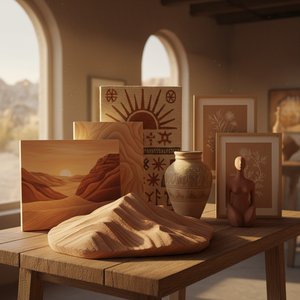
As 10 Pinturas Mais Famosas em Tons de Areia: Uma Elegância Atemporal para sua Casa
Descubra as 10 pinturas mais icônicas em tons de areia, de Monet a Van Gogh! Explore a história, técnica e beleza atemporal destas obras-primas. Encontre reproduções de alta qualidade para decorar sua casa com arte clássica em OriginalUniqueArt.com.
