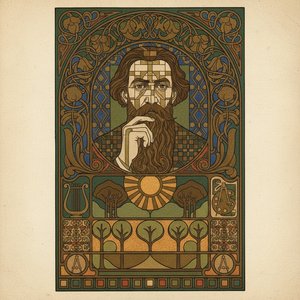
Judith and Holofernes
Painting
Art Nouveau
1916
Modern
49.0 x 37.0 cm
Reprodução em Óleo Feita à Mão
Óleo sobre tela pintado à mão no tamanho e moldura de sua escolha, feito sob encomenda pelos nossos artistas. ( Alternar para Impressão
Ver Imagem Digital)
P118B $10
P118H $10
P118W $10
P438Z $10
P508JH $12
P508YH $12
P805H $10
P805Z $10
P919BZ $10
P919G $10
P919XJ $10
P959ZH $10
P968JZ $12
W106C $8
W218G $10
W218JH $8
W218Y $10
W307PJ $10
W316G $10
W316PJ $8
W316Y $10
W398PJ $8
W4111J $10
W500HY $15
W500JH $15
W692G $12
W849H $8
W940BG $15
W953PJ $8
Escolha entre os nossos tamanhos pré-definidos que respeitam as proporções originais da obra de arte.

Pode inserir as suas próprias dimensões para se adequar a uma moldura ou espaço específico. Se o tamanho selecionado não corresponder às proporções da imagem original, iremos cortar a obra de arte ou estender a pintura com elementos adicionais pintados à mão. Um esboço digital será enviado para sua aprovação antes do início da produção.
Tenha em atenção que a pré-visualização no ecrã não reflete o corte ou extensão real. Apenas o esboço mostrará com precisão a composição final.
Embora tamanhos personalizados estejam disponíveis, recomendamos selecionar uma dimensão da lista predefinida para preservar as proporções originais.
Após o pedido, a equipa OriginalUniqueArt.com enviará um e-mail ao cliente para solicitar instruções e fornecer uma prévia do esboço.
Entrega mundial () em 3 a 4 semanas, em vez das 5 semanas padrão. (16 Setembro). Sem comprometer a qualidade.
Envio expresso gratuito para todo o mundo
Tela de Linho Premium
Seguro de transporte total
Garantia de Reembolso de Impostos Alfandegários
Garantia de Fidelidade de Cor
Política de Devolução em 100 Dias (Apenas para Defeitos)
Garantia de reembolso de 100%
Desconto para múltiplas unidades
Judith and Holofernes
Técnica de Reprodução
Dimensões da Reprodução
-
Preço Total
$ 300
A Vision of Decadence: Moser’s Judith and Holofernes
In the twilight of the early twentieth century, the boundaries between fine art and decorative elegance began to dissolve, giving rise to a movement that celebrated the ornamental as much as the profound. Koloman Moser, a titan of the Vienna Secession, captured this transformative era in his 1916 masterpiece, Judith and Holofernes. This work is not merely a depiction of a biblical narrative; it is a sensory experience that invites the viewer into a world of draped shadows and gilded intensity. The painting presents a striking composition where the human form meets the rhythmic, flowing lines characteristic of the Art Nouveau style, creating a scene that feels both ancient in its mythic weight and strikingly modern in its graphic execution.
The subject matter draws from the dramatic tension of the biblical tale, yet Moser strips away the traditional gore often associated with this story to focus on an intimate, almost theatrical atmosphere. We see a woman poised with a quiet, commanding presence, her form partially veiled by heavy, sweeping curtains that frame the scene like a stage production. The interplay between the figures—one partially obscured, the other seemingly caught in a moment of profound vulnerability—creates a psychological depth that transcends simple storytelling. Through the use of bold reds and warm yellows, Moser bathes the canvas in a glow that feels both inviting and ominous, pulling the observer into the heat of the unfolding drama.
The Mastery of Line and Color
Technically, Judith and Holofernes serves as a testament to Moser’s unparalleled ability to blend graphic precision with painterly warmth. As a founding member of the Wiener Werkstätte, Moser possessed a unique gift for seeing the world through patterns and silhouettes. In this piece, his mastery is evident in the way the fabric folds interact with the light, creating a rhythmic movement that guides the eye across the canvas. The composition is anchored by strong, decisive shapes, yet softened by the delicate, organic flourishes of the Art Nouveau aesthetic. This balance makes the artwork particularly captivating for collectors who appreciate pieces that possess both structural strength and decorative grace.
The color palette is a deliberate choice in emotional manipulation. The dominance of crimson and amber tones evokes a sense of passion, danger, and luxury. For an interior designer, this painting offers a sophisticated focal point; its warm hues can anchor a room with a sense of historical grandeur, while its intricate details provide a layer of complexity that rewards close inspection. Whether placed in a contemporary gallery setting or a classic, richly appointed study, the work radiates a timeless energy that bridges the gap between the classical past and the avant-garde future.
An Eternal Legacy for the Discerning Collector
Owning a reproduction of such a significant piece is an opportunity to bring the spirit of the Vienna Secession into a modern living space. Moser’s work represents a pivotal moment in art history when design became an integrated part of life itself. This painting, with its evocative symbolism and masterful use of light, serves as more than just decoration; it is a conversation piece that speaks to themes of power, destiny, and the beauty found within tension. For those seeking to curate a collection that reflects depth, historical significance, and an appreciation for the exquisite, Moser’s Judith and Holofernes stands as an enduring icon of artistic brilliance.
Biografia do Artista
Early Life and Artistic Foundations
Koloman Moser, a name synonymous with the vibrant spirit of Vienna’s artistic landscape at the turn of the 20th century, was born on March 30, 1868, in the heart of Vienna, Austria-Hungary – a city already brimming with creative energy. His origins were deeply intertwined with the cultural currents shaping his future as an artist and designer. His father, Josef Moser, held a position within the Viennese Academy, exposing young Koloman to the world of art from an early age. This familial connection fostered a profound appreciation for aesthetics and craftsmanship, laying the groundwork for his later explorations across diverse artistic disciplines. Formal education at both the Wiener Akademie and the Kunstgewerbeschule proved instrumental in shaping Moser’s technical skills and broadening his understanding of design principles. The Kunstgewerbeschule, in particular, provided him with a rigorous training in applied arts – a crucial element that would inform his later work in furniture design, ceramics, and textiles. It was during this period that he developed a keen eye for detail, an appreciation for geometric forms, and a fascination with the interplay between functionality and beauty—qualities that would become hallmarks of his distinctive style. The influence of his family’s background, combined with the structured environment of these esteemed institutions, provided him with a solid foundation upon which to build his artistic career.A Pioneer of Vienna Secession and the Wiener Werkstätte
Moser's emergence as a significant figure in Viennese art coincided with the rise of the Vienna Secession in 1897 – a movement that challenged the established norms of the time and championed innovation, experimentation, and a rejection of academic traditions. He quickly embraced the Secession’s ethos, becoming one of its founding members alongside artists like Gustav Klimt and Josef Hoffmann. This association proved pivotal, exposing Moser to a network of fellow creatives who shared his desire to push artistic boundaries and redefine the role of art in society. In 1903, building upon the principles of the Secession, Moser co-founded the Wiener Werkstätte (Vienna Workshop) – a collaborative endeavor that aimed to integrate art into everyday life by producing a wide range of aesthetically pleasing household goods. Alongside Josef Hoffmann, this workshop became a crucible for artistic innovation, bringing together artists, craftsmen, and designers to create furniture, textiles, ceramics, and more—all united by a shared commitment to “Gesamtkunstwerk” – the concept of a total work of art where every element contributes to a cohesive and harmonious whole. Moser’s leadership within the Wiener Werkstätte was characterized by his tireless energy, his visionary ideas, and his ability to inspire others to embrace new approaches to design.A Diverse Artistic Palette: Graphic Design, Architecture, and Applied Arts
Moser's artistic output spanned a remarkably diverse range of media, reflecting his versatility as an artist and designer. His contributions to graphic art were particularly noteworthy, characterized by their clarity, elegance, and innovative use of typography. He designed postage stamps, magazine vignettes, and other printed materials with distinctive geometric patterns and stylized imagery—works that demonstrated his mastery of visual communication. Beyond graphic design, Moser’s talent extended to fashion, stained glass windows, porcelains, ceramics, blown glass, tableware, silver, and jewelry. His architectural designs, most notably the apse mosaic and glass windows for the Kirche am Steinhof in Vienna (1904), showcased his ability to blend artistic vision with functional design—a testament to his holistic approach to art and architecture. The intricate details of these works, combined with their harmonious integration into the surrounding environment, exemplify Moser’s unique aesthetic sensibility.Influences, Evolution, and Enduring Legacy
Moser's artistic development was profoundly influenced by several key movements, including Art Nouveau, Symbolism, and the Vienna Secession itself. He drew inspiration from Japanese woodblock prints, which informed his use of flat planes of color and simplified forms—a stylistic choice that contributed to the distinctive visual language of his work. Over time, his style evolved, becoming increasingly abstract and geometric while retaining a sense of elegance and refinement. His legacy is deeply embedded in the fabric of Viennese art and design. His designs were immortalized on the Austrian 100 Euro Steinhof Church commemorative coin (2005), recognizing his enduring influence on art and design. Koloman Moser’s contributions helped shape the course of modern art and design, emphasizing the importance of integrating beauty into everyday objects and spaces—a principle that continues to resonate with artists and designers today. He died in Vienna in 1918, leaving behind a rich body of work that serves as a testament to his creativity, innovation, and enduring artistic vision.Koloman Moser
1868 - 1918 , Croácia
Informações Rápidas
- Artistic Movement Or Style: Secessão de Viena
- Artists Or Movements Influenced By This Artist: ['Wiener Werkstätte']
- Artists Who Influenced This Artist: ['Hodler']
- Date Of Birth: 30 de março de 1868
- Date Of Death: 18 de outubro de 1918
- Full Name: Koloman Moser
- Nationality: Austríaco
- Notable Artworks:
- Apolo
- O sapo
- As três graciosas
- Place Of Birth: Viena, Croácia

A opção de vidro está disponível apenas para tamanhos inferiores a 110 cm