
 Visualizar na parede
 Compartilhar
 Compartilhar
 Detalhes
 Guia
Guia

 Baixar imagem
 Semelhantes
 Raio X
 Ver diaporama
 Perguntas e Respostas
 Estatísticas
Demon


 Ler mais
Giclée / Impressão de Arte
Impressão giclée ou em tela de qualidade de museu, com produção rápida e opções flexíveis de acabamento. ( Comprar pintura feita à mão Alternar para Imagem Digital)




P118B €10

P118H €10

P118W €10

P438Z €10

P508JH €12

P508YH €12

P805H €10

P805Z €10

P919BZ €10

P919G €10

P919XJ €10

P959ZH €10

P968JZ €12

W106C €8

W218G €10

W218JH €8

W218Y €10

W307PJ €10

W316G €10

W316PJ €8

W316Y €10

W398PJ €8

W4111J €10

W500HY €15

W500JH €15

W692G €12

W849H €8

W940BG €15

W953PJ €8




Escolha entre os nossos tamanhos pré-definidos que respeitam as proporções originais da obra de arte.

Insira a largura e a altura desejadas para se ajustarem à sua moldura ou parede. Uma impressão pode ser apenas cortada, nunca ampliada além da imagem original; portanto, um tamanho com proporções diferentes resultará na perda de parte da imagem. Enviamos uma maquete digital para sua aprovação antes de realizarmos a impressão. A imagem exibida nesta página não mostra o corte real — apenas a maquete o faz.
Entrega mundial () em 2 semanas, em vez das 4/5 semanas padrão. (5 Novembro)

Envio expresso gratuito para todo o mundo

Tela de Linho de Alta Qualidade

Seguro de transporte completo

Garantia de Reembolso de Impostos Alfandegários

Garantia de Fidelidade Cromática

Política de Devolução em 100 Dias (Apenas para Defeitos)

Garantia de reembolso de 100%

Oferta de desconto por quantidade
 A opção de vidro está disponível apenas para tamanhos inferiores a 110 cm

Demon
Giclée / Impressão de Arte
Tamanho da Reprodução
-


Preço Total
€ 72
A Stark Vision of the Unseen: Kazimir Malevich's 'Demon'
Kazimir Malevich’s 1914 painting, “Demon,” is not merely a depiction of a monstrous figure; it’s a visceral exploration of primal fear and the unsettling power of suggestion. Rendered in a deceptively simple style—bold black outlines against a bleached-white backdrop—the artwork immediately commands attention with its raw intensity. This isn't the polished, idealized representation of art history; instead, we encounter a world stripped bare to its essential elements, echoing the nascent principles of Suprematism and hinting at the anxieties simmering beneath the surface of early 20th-century Europe.
The composition is dominated by the central demon itself. Its elongated form, with disproportionately large head, pointed ears, and a gaping mouth, evokes a sense of grotesque power. Malevich’s deliberate use of thick black lines doesn't simply define the figure; they pulsate with energy, creating an immediate and unsettling visual impact. The simplification of features—the vacant eyes, the sharp angles—heightens the feeling of otherworldliness, as if we are glimpsing a being from beyond our comprehension. Crucially, the painting’s stark palette – primarily black and off-white – amplifies this effect, creating an atmosphere of profound isolation and dread.
The Language of Symbols: Cyrillic Text and Spiritual Weight
What initially appears as a minimalist composition is profoundly enriched by the dense field of Cyrillic text that dominates the right side of the canvas. This isn’t mere decoration; it's integral to understanding the artwork’s meaning. While the exact translation remains debated, scholars believe this incantation or narrative likely served as a key to unlocking the demon’s nature and purpose within Malevich’s artistic vision. The inclusion of text adds layers of mystery, suggesting a connection between the visual image and a deeper spiritual or occult context – reflecting the prevalent interest in mysticism and the supernatural during that period.
The choice of Cyrillic script is particularly significant given Malevich's Ukrainian heritage and the painting’s creation during a time of shifting national identities. It subtly connects the artwork to Eastern European folklore and traditions, hinting at ancient beliefs surrounding demons and spirits. The text acts as a conduit, inviting the viewer to actively participate in deciphering the demon’s story – transforming the image from a static representation into an interactive experience.
Roots in Expressionism and the Dawn of Suprematism
“Demon” sits at a fascinating crossroads within art history. While undeniably influenced by the raw emotionality of Expressionism—evident in its distorted forms and unsettling subject matter—it also anticipates the revolutionary principles of Suprematism, which Malevich would later fully develop. The painting’s emphasis on pure form, reduced to its essential elements, foreshadows his later explorations of geometric abstraction. Malevich's early exposure to folk art, combined with a desire for modern expression, formed the foundation of his unique style. This piece demonstrates that journey—a deliberate move away from representational forms towards a purely abstract and spiritual realm.
Considering Malevich’s biography – born in Kyiv Oblast, Ukraine – adds another layer of complexity to the work. The painting can be viewed as a reflection on the anxieties and uncertainties of a nation undergoing rapid change and grappling with its identity. The demon, therefore, becomes not just a supernatural entity but also a symbol of internal conflict and the darker aspects of human nature.
A Legacy of Shadow and Form
“Demon” is more than simply a depiction of a frightening figure; it’s a profound meditation on fear, spirituality, and the power of visual language. Reproductions of this artwork offer a unique opportunity to experience Malevich's groundbreaking vision – a stark reminder that art can be both unsettling and deeply evocative. Its enduring appeal lies in its ability to tap into our primal anxieties while simultaneously pushing the boundaries of artistic expression.
Perguntas e Respostas
Qual é o tom emocional de "Demon", de Kazimir Malevich?
"Demon" está associada a um sentimento Mysterious. O tom emocional descreve a impressão que a obra transmite.
Qual é a intensidade do contraste em "Demon", de Kazimir Malevich?
O contraste entre claro e escuro de "Demon" é registrado como Statement. O contraste descreve a intensidade da diferença entre as áreas claras e escuras.
As cores de "Demon", de Kazimir Malevich são saturadas ou suaves?
As cores de "Demon", de Kazimir Malevich possuem uma saturação Muted. A saturação descreve o quão vívidas ou suaves são as cores.
Biografia do Artista
Kazimir Malevich: Um Pioneiro da Arte Abstrata
Kazimir Severinovich Malevich, nascido em 1878 na região de Kyiv, Ucrânia, é uma figura central e revolucionária na história da arte do século XX. Sua trajetória artística, marcada por uma busca incessante pela pureza formal e pela expressão de emoções através de formas geométricas, o consagrou como um dos fundadores do Suprematismo e um precursor fundamental da arte abstrata. A sua vida e obra refletem uma profunda transformação na percepção estética, desafiando as convenções tradicionais e abrindo novos caminhos para a criação artística.Primeiros Anos e Influências
A infância de Malevich, passada em meio à paisagem rural ucraniana, foi fundamental para o desenvolvimento do seu olhar artístico. A beleza da natureza, os costumes folclóricos e a simplicidade da vida no campo despertaram nele um interesse pela arte e pela expressão visual. Após completar seus estudos na Escola de Agricultura em Parjómovka, sua paixão pela pintura o levou a buscar formação artística em Kyiv, onde iniciou seus primeiros trabalhos. A influência do Impressionismo, do Simbolismo e do Fauvismo foi crucial nessa fase inicial, fornecendo-lhe as ferramentas técnicas e estéticas para explorar novas possibilidades expressivas. Um ponto de virada decisivo na sua trajetória foi a viagem a Paris em 1912. A exposição de obras de Picasso e outros artistas vanguardistas europeus o expôs às últimas tendências da arte moderna, despertando nele um desejo de romper com as tradições e buscar uma linguagem artística totalmente nova. A influência do Cubismo, com sua fragmentação da realidade e sua exploração das formas geométricas, foi particularmente importante para a sua evolução estética.Desenvolvimento Artístico e Movimento Suprematista
Ao retornar à Rússia, Malevich começou a desenvolver um estilo próprio, caracterizado pela abstração geométrica e pela busca por uma expressão puramente emocional. Em 1915, ele lançou o movimento Suprematismo, que se baseava na ideia de que a arte deveria transcender a representação do mundo visível e buscar a “supremacia do sentimento puro” através das formas geométricas básicas – quadrados, círculos, retângulos e linhas. O Suprematismo rejeitava qualquer tentativa de representar objetos ou cenas da realidade, focando-se na pureza formal e na expressividade das cores. A obra mais emblemática desse período é o "Quadrado Negro sobre Fundo Branco" (1915), uma pintura que causou grande impacto na época e é considerada um marco fundamental da arte abstrata. O quadrado preto, isolado em um fundo branco, representa a eliminação de toda referência ao mundo exterior e a busca por uma experiência estética pura. Outras obras importantes do Suprematismo incluem "White on White" (1918), que explora a pureza das formas e cores em sua forma mais radical, e "House under Construction" (1916), que utiliza formas geométricas para representar a arquitetura e o espaço urbano.Legado Histórico e Significado
Apesar de ter sido marginalizado durante o período stalinista, devido à sua abordagem não-conformista e à sua rejeição da propaganda ideológica, Malevich deixou um legado duradouro na história da arte. Sua obra influenciou profundamente o desenvolvimento do Minimalismo e de outras correntes artísticas abstratas, tanto na Rússia quanto no Ocidente. A sua busca pela pureza formal e pela expressão emocional continua a inspirar artistas contemporâneos, que encontram em seu trabalho um exemplo de liberdade criativa e de desafio às convenções estéticas. Malevich não apenas revolucionou a linguagem da pintura, mas também questionou os fundamentos da arte e da percepção visual. Sua obra nos convida a repensar o papel do artista e do espectador, e a explorar as possibilidades infinitas da abstração como forma de expressão. Kazimir Malevich é, sem dúvida, um dos artistas mais importantes e influentes do século XX, cuja visão inovadora continua a ressoar no mundo da arte contemporânea.
Kazimir Malevich
1878 - 1935 , Ucrânia
Dados Rápidos
- Artistic Movement Or Style: Suprematismo, Arte abstrata
- Artists Or Movements Influenced By This Artist:
- Minimalismo
- Construtivismo
- El Lissitzky
- Artists Who Influenced This Artist:
- Cubismo
- Fauvismo
- Impressionismo
- Date Of Birth: 1879
- Date Of Death: 1935
- Full Name: Kazimir Severinovich Malevich
- Nationality: Ucraniano/Russo
- Notable Artworks:
- Quadrado Negro
- Branco sobre Branco
- Casa em construção
- Place Of Birth: Kyiv, Ucrânia
Artigos Relacionados

Kazimir Malevich: As 25 Obras-Primas Essenciais da Arte Abstrata | OriginalUniqueArt
Descubra as 25 obras-primas de Kazimir Malevich, pioneiro do suprematismo e da arte abstrata. Explore a história por trás de 'Black Square' e outras pinturas icônicas. Encontre reproduções de alta qualidade para transformar sua casa com OriginalUniqueArt.com!

Abstração Geométrica: 10 Obras-Primas que Moldaram a Arte Moderna | OriginalUniqueArt.com
Descubra as 10 obras-primas da Abstração Geométrica que revolucionaram a arte moderna! Explore Kandinsky, Mondrian e outros artistas icônicos. Encontre reproduções de alta qualidade para decorar sua casa com OriginalUniqueArt.com.

Kandinsky: As 25 Obras-Primas que Definem o Abstracionismo | OriginalUniqueArt
Descubra as 25 obras-primas de Wassily Kandinsky, pioneiro da arte abstrata! Explore a história, cores e significado por trás de cada pintura. Encontre reproduções de alta qualidade e inspire sua decoração em OriginalUniqueArt.com.

Top 10 Obras-Primas do Expressionismo Abstrato: Arte para Decorar e Inspirar | OriginalUniqueArt.com
Descubra as 10 obras-primas do Expressionismo Abstrato com Jackson Pollock, Mark Rothko e mais! Explore a história, técnica e emoção por trás de cada pintura. Encontre reproduções de arte exclusivas para decorar sua casa em OriginalUniqueArt.com.
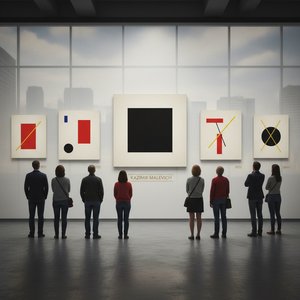
Kazimir Malevich: Pioneering Suprematism & the Quest for Non-Objective Art
Explore the revolutionary art of Kazimir Malevich & his groundbreaking Suprematism movement. Discover the origins, core principles, and lasting impact of this pivotal force in modern abstract painting.


