
 Visualizar em escala
 Enviar
 Compartilhar
 Ver detalhes

 Baixar
 Semelhantes
 Raio X
 Apresentação de slides
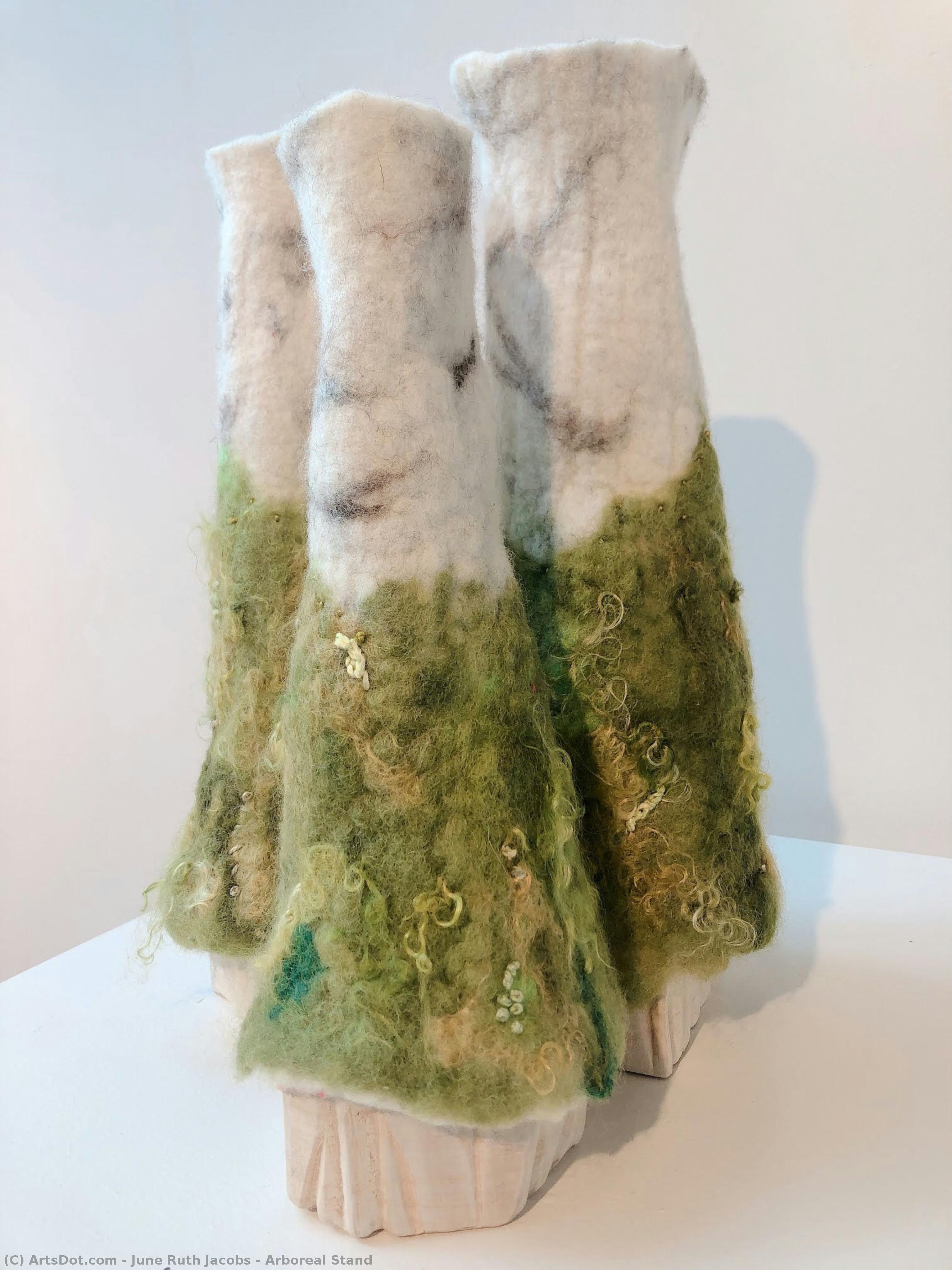
Arboreal Stand


 Ver mais
Reprodução em Óleo Feita à Mão
Óleo sobre tela pintado à mão no seu tamanho e moldura, feito sob encomenda pelos nossos artistas. ( Encomendar impressão Comprar imagem em alta resolução)




































Escolha entre os nossos tamanhos pré-definidos que respeitam as proporções originais da obra de arte.

Pode inserir as suas próprias dimensões para se adequar a uma moldura ou espaço específico. Se o tamanho selecionado não corresponder às proporções da imagem original, iremos cortar a obra de arte ou estender a pintura com elementos adicionais pintados à mão. Um esboço digital será enviado para sua aprovação antes do início da produção.
Tenha em atenção que a pré-visualização no ecrã não reflete o corte ou extensão real. Apenas o esboço mostrará com precisão a composição final.
Embora tamanhos personalizados estejam disponíveis, recomendamos selecionar uma dimensão da lista predefinida para preservar as proporções originais.
Após o pedido, a equipa OriginalUniqueArt.com enviará um e-mail ao cliente para solicitar instruções e fornecer uma prévia do esboço.
Entrega mundial () em 3 a 4 semanas, em vez das 5 semanas padrão. (16 Agosto). Sem comprometer a qualidade.

Envio Expresso Gratuito para todo o Mundo

Tela de Linho Premium

Seguro de transporte total

Garantia de Reembolso de Impostos Alfandegários

Garantia de Fidelidade de Cor

Política de Devolução de 60 Dias (Apenas para Defeitos)

Garantia de reembolso de 100%

Desconto para múltiplas unidades
 A opção de vidro está disponível apenas para tamanhos inferiores a 110 cm

Arboreal Stand
Técnica de Reprodução
Dimensões da Reprodução
-


Preço Total
$ 300
Biografia do Artista
June Ruth Jacobs (1930 – 2018): A Voice for Peace and Jewish Justice
June Ruth Jacobs was a British peace activist whose unwavering dedication to advocating for human rights, particularly within the Jewish community, cemented her legacy as a pivotal figure in the latter half of the 20th century. Born in London in 1930, she emerged from a family steeped in intellectual curiosity and humanitarian concern—her parents, Lilly and Louis Caller, instilled in her a profound belief in social responsibility. This formative influence shaped her lifelong commitment to challenging injustice and championing vulnerable populations. Jacobs’s early education at Westonbirt School provided her with a grounding in scientific inquiry alongside humanist values, preparing her for the intellectual rigor required by her future pursuits. Her marriage to Basil Jacobs in 1950 brought companionship and shared passion for activism—together they established a family centered around values of compassion and engagement with the wider world. Their children inherited this spirit of service, mirroring their parents’ dedication to improving society. The catalyst for Jacobs's transformative involvement in social justice was her participation in youth clubs where she volunteered alongside fellow activists. This experience ignited her desire to confront societal inequities and fueled her determination to translate empathy into tangible action. Notably, she spearheaded the National Council for Soviet Jews (NCSFJ), embarking on daring missions to Moscow and Leningrad during the Cold War era—risking imprisonment to secure the freedom of Jewish refuseniks denied emigration permits from the Soviet Union. These perilous journeys underscored Jacobs’s unwavering conviction that dialogue and advocacy could overcome political barriers. Jacobs's leadership at ICJW brought her to international prominence, where she tirelessly represented the organization at UN Commission on the Status of Women events in New York. Her commitment to advancing women’s rights globally resonated deeply with her own experiences as a woman navigating societal expectations—a perspective that informed her advocacy for equality and justice across borders. She continued her work through membership in European Women's Lobby and Women's International Commission, demonstrating an enduring dedication to fostering collaborative solutions for pressing global challenges. Beyond her activism, Jacobs’s artistic endeavors reflected her profound engagement with the human condition. Her landscapes—particularly “Arboreal Stand”—captivated viewers with their evocative portrayal of natural beauty intertwined with symbolic representations of resilience and interconnectedness. Jacobs's distinctive style blended meticulous observation with expressive brushstrokes, conveying a deep appreciation for both the grandeur of nature and the subtleties of human emotion. She was recognized as an artist who skillfully captured the essence of her surroundings while simultaneously communicating universal themes of contemplation and wonder. Her work stands as testament to her belief that art could inspire empathy and promote understanding—a conviction that underpinned her lifelong commitment to fostering a more compassionate world. Jacobs’s influence extended beyond her artistic practice; she served on the board of directors of New Israel Fund, advocating for social justice within Israel. She championed JCORE's mission to combat antisemitism and discrimination, demonstrating an unwavering dedication to protecting minority rights. Furthermore, Jacobs was honored as Chairwoman of Mishpacha at Kesser Foundation, furthering her commitment to supporting Jewish cultural heritage and fostering intellectual discourse. Her legacy continues to inspire those striving for meaningful change—a testament to the transformative power of compassion, conviction, and artistic expression.
june ruth jacobs
1930 - 2018 , United Kingdom
Informações Rápidas
- Artistic Movement Or Style: Landscape Painting
- Artists Or Movements Influenced By This Artist: ['Nam June Paik']
- Date Of Birth: 1930
- Date Of Death: 2018
- Full Name: June Ruth Jacobs
- Nationality: British
- Notable Artworks: ['Arboreal Stand']
- Place Of Birth: United Kingdom

