
 Visualizar na parede
 Compartilhar
 Compartilhar
 Detalhes
 Guia
Guia

 Baixar imagem
 Semelhantes
 Raio X
 Ver diaporama
 Perguntas e Respostas
 Estatísticas
BORDS DE RIVIERE


 Ler mais
Giclée / Impressão de Arte
Impressão giclée ou em tela de qualidade de museu, com produção rápida e opções flexíveis de acabamento. ( Comprar pintura feita à mão Alternar para Imagem Digital)




P118B €10

P118H €10

P118W €10

P438Z €10

P508JH €12

P508YH €12

P805H €10

P805Z €10

P919BZ €10

P919G €10

P919XJ €10

P959ZH €10

P968JZ €12

W106C €8

W218G €10

W218JH €8

W218Y €10

W307PJ €10

W316G €10

W316PJ €8

W316Y €10

W398PJ €8

W4111J €10

W500HY €15

W500JH €15

W692G €12

W849H €8

W940BG €15

W953PJ €8




Escolha entre os nossos tamanhos pré-definidos que respeitam as proporções originais da obra de arte.

Insira a largura e a altura desejadas para se ajustarem à sua moldura ou parede. Uma impressão pode ser apenas cortada, nunca ampliada além da imagem original; portanto, um tamanho com proporções diferentes resultará na perda de parte da imagem. Enviamos uma maquete digital para sua aprovação antes de realizarmos a impressão. A imagem exibida nesta página não mostra o corte real — apenas a maquete o faz.
Entrega mundial () em 2 semanas, em vez das 4/5 semanas padrão. (7 Novembro)

Envio expresso gratuito para todo o mundo

Tela de Linho de Alta Qualidade

Seguro de transporte completo

Garantia de Reembolso de Impostos Alfandegários

Garantia de Fidelidade Cromática

Política de Devolução em 100 Dias (Apenas para Defeitos)

Garantia de reembolso de 100%

Oferta de desconto por quantidade
 A opção de vidro está disponível apenas para tamanhos inferiores a 110 cm

BORDS DE RIVIERE
Giclée / Impressão de Arte
Tamanho da Reprodução
-


Preço Total
€ 72
A Symphony of Dusk: Jules Dupré’s “Bords de Rivière”
Jules Dupré's "Bords de Rivière" – translating roughly as “Riverbanks” – isn’t merely a depiction of a pastoral scene; it’s an immersion into the heart of a fleeting moment, a captured breath of twilight. Painted in 1834, this oil on canvas offers a profound meditation on nature's power and the quiet beauty found within its dramatic shifts. Dupré, a pivotal figure in the Barbizon School, rejected the idealized landscapes favored by earlier generations, instead choosing to portray the raw, untamed essence of the French countryside – particularly its often turbulent skies and the subtle interplay of light and shadow.
The scene unfolds along a gently curving river, framed by a venerable oak tree that dominates the left side of the composition. A small herd of cows grazes peacefully near the water’s edge, their forms rendered with a loose, almost impressionistic touch, suggesting movement and life rather than rigid detail. In the distance, a line of trees hints at a rolling hillside, receding into a hazy blue horizon. The river itself isn't a mirror; it reflects the drama above, mirroring the bruised purple and grey hues of the approaching storm. This deliberate choice by Dupré elevates the painting beyond a simple landscape view, transforming it into a study of atmospheric perspective and the evocative power of color.
The Barbizon’s Embrace: Light, Atmosphere, and Observation
Dupré's artistic philosophy was deeply rooted in the principles of the Barbizon School. Rejecting the polished surfaces and meticulous detail of academic painting, the Barbizon artists prioritized direct observation and capturing the immediate effects of light and atmosphere. Dupré spent much of his career outdoors, meticulously studying the changing conditions of nature – the shifting clouds, the interplay of sunlight on water, and the subtle variations in color across the landscape. This commitment to *plein air* painting is evident in “Bords de Rivière,” where every brushstroke seems imbued with a sense of immediacy and spontaneity.
The technique employed here is characterized by loose, expressive brushwork – visible strokes that build up layers of color to create texture and depth. Dupré masterfully utilizes *sfumato*, a subtle blurring of lines and edges, to soften the forms and create an atmospheric haze. The colors are muted and earthy—greens, browns, ochres, and blues—but they vibrate with intensity, particularly in the dramatic sky. Notice how he doesn’t attempt to render every detail; instead, he focuses on capturing the *feeling* of the scene – a sense of melancholy, mystery, and the sublime beauty of nature's power.
Symbolism and Emotional Resonance
Beyond its purely visual appeal, “Bords de Rivière” is rich in symbolic meaning. The cows, symbols of abundance and rural prosperity, represent the connection between humanity and the land. However, their placid grazing contrasts sharply with the turbulent sky above, suggesting a tension between tranquility and impending change. The oak tree, an ancient symbol of strength and resilience, anchors the composition and provides a sense of stability amidst the drama.
The painting’s emotional impact is profound. It evokes a feeling of quiet contemplation, inviting the viewer to slow down and appreciate the beauty of the natural world. There's a hint of melancholy in the fading light, a recognition of the ephemeral nature of time and beauty. Yet, there’s also a sense of hope—a reminder that even amidst darkness and uncertainty, there is always the promise of a new dawn.
A Legacy of Impressionism: Reproduction and Interpretation
Jules Dupré's influence extends far beyond his own lifetime. His work paved the way for later Impressionist painters like Monet and Pissarro, who built upon his emphasis on light, atmosphere, and direct observation. Reproductions of “Bords de Rivière” capture much of the original’s evocative power, offering a glimpse into Dupré's artistic vision. When selecting a reproduction, consider the quality of the print and the accuracy of color rendition – details that are crucial to appreciating the nuances of this remarkable painting. Whether adorning a living room wall or gracing a study, “Bords de Rivière” remains a timeless testament to the beauty and power of nature.
Perguntas e Respostas
Quais cores predominam em "BORDS DE RIVIERE", de Jules Dupré?
A identidade cromática de "BORDS DE RIVIERE", de Jules Dupré: uma paleta Earthy, dominada por Putty (#eadca7).
Para que tipo de uso se recomenda uma impressão de "BORDS DE RIVIERE"?
A recomendação de uso para uma impressão de "BORDS DE RIVIERE" é Harmony.
"BORDS DE RIVIERE" é mais claro ou mais escuro no geral?
Os valores registrados para "BORDS DE RIVIERE", de Jules Dupré são: brilliant de brilho e Bright Balance de luminância.
Biografia do Artista
A Alma Dramática de Barbizon
Jules Dupré (1811–1889) ergue-se como uma figura fundamental da Escola de Barbizon, um movimento artístico que defendeu a observação pura e a ressonância emocional na pintura de paisagem. Ao contrário de seus contemporâneos, como Corot, que buscavam uma beleza lírica e uma quietude tranquila, Dupré confrontava o lado mais sombrio e tempestuoso da natureza. Ele possuía uma habilidade única de capturar a fúria das tormentas, a grandeza melancólica do crepúsculo e a energia implacável dos elementos, transmitindo essas experiências com uma intensidade sem igual. Nascido em Nantes, na França, a jornada artística de Dupré começou em meio a uma fascinação crescente pelo mundo natural e sua capacidade de evocar sentimentos humanos profundos e, muitas vezes, turbulentos.
Sua juventude proporcionou uma base de atenção meticulosa aos detalhes e um apreço pelo artesanato, qualidades refinadas pelo negócio de fabricação de porcelana de seu pai. Essa experiência formativa traduzir-se-ia mais tarde em seus próprios empreendimentos artísticos, sendo particularmente evidente em suas obras iniciais que exploravam as complexidades da decoração cerâmica. Como aprendiz de decorador de porcelana, ele aprendeu a disciplina das linhas finas e das texturas, um conjunto de habilidades que eventualmente evoluiria para seu domínio magistral da profundidade atmosférica e das formas orgânicas.
Uma Visão Moldada pela Tempestade e pelo Céu
A trajetória da carreira de Dupré foi irrevogavelmente moldada por seu encontro com as telas revolucionárias de John Constable. Essa exposição às tradições da paisagem inglesa acendeu o desejo de capturar a essência do dinamismo da natureza — o movimento incessante das folhagens impulsionadas pelo vento e o jogo dramático de luz e sombra durante as horas mais voláteis do dia. Viajando para a Grã-Bretanha em 1831, Dupré realizou estudos profundos desses mestres ingleses, retornando à França com um portfólio de imagens que redefiniria sua abordagem à paisagem.
Ele encontrou inspiração particular nos distritos costeiros ao redor de Southampton e Plymouth. Essas vastas extensões de água, refletindo céus turbulentos, proporcionaram-lhe o laboratório perfeito para estudar o movimento tempestuoso das nuvens de tempestade e o movimento dos mares. Suas pinturas deste período não são meras representações de cenários; são expressões viscerais de humor e sentimento, imbuídas de um sentido palpável de drama e até mesmo de pesar. Ao abraçar a estética de Barbizon, Dupré priorizou paletas de cores expressivas e pinceladas ousadas em vez de representações idealizadas ou polidas, permitindo que a própria textura da tinta espelhasse a rusticidade da terra.
O Legado do Mestre de Barbizon
Como uma figura central no grupo de Barbizon, Dupré desenvolveu laços estreitos com outros pintores lendários, incluindo Théodore Rousseau. Sua ascensão dentro do estabelecimento artístico francês foi marcada por marcos significativos, como sua aceitação no Salon e o recebimento de reconhecimento oficial através de medalhas por suas paisagens. Sua obra tornou-se sinônimo de uma certa harmonia de cores sonora e ressonante, onde a luz de um pôr do sol ou a escuridão de uma ventania iminente podiam ser sentidas pelo espectador tanto quanto vistas.
Hoje, Jules Dupré é lembrado como um dos pais mais influentes da pintura de paisagem francesa do século XIX. Sua contribuição para a arte reside na sua capacidade de construir uma ponte entre a observação pura e a emoção romântica. Através de obras como La Petite Charrette, Cows Crossing a Ford e suas representações evocativas de paisagens fluviais, ele ensinou gerações de artistas que a natureza não é apenas um tema a ser pintado, mas uma força poderosa a ser vivenciada. Seu legado permanece gravado nas texturas densas e atmosféricas e nos céus dramáticos e pulsantes que continuam a cativar a imaginação moderna.

Jules Dupré
1811 - 1889 , França
Dados Rápidos
- Artistas Ou Movimentos Influenciados Por Este Artista: ['Pintura Romântica']
- Artistas Que Influenciaram Este Artista: ['Constable']
- Data De Falecimento: 6 de outubro de 1889
- Data De Nascimento: Nantes, França (1811)
- Local De Nascimento: França
- Movimento Ou Estilo Artístico: Escola de Barbizon
- Nacionalidade: Francês
- Nome Completo: Jules Dupré
- Obras De Arte Notáveis:
- Manhã e Noite no Louvre
- Atravessando a Ponte na Wallace Collection
Artigos Relacionados
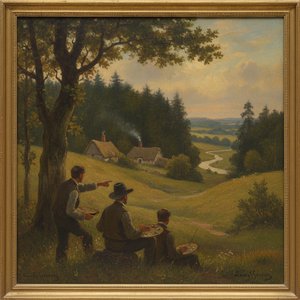
The Barbizon School: The Soulful Origins of Impressionism's Natural Light and Atmospheric Mastery
Discover the profound influence of the Barbizon School on Impressionism. Explore how these masters captured natural light and atmospheric beauty through plein air painting, paving the way for Monet and Renoir. A journey into the soulful origins of landscape art history.

Evoking Nature's Sublime: A Comprehensive Exploration of 19th-Century Landscape Painting
Explore the captivating world of 19th-century landscape painting! Discover renowned artists like Friedrich & Monet, key movements, and find the perfect artwork to bring nature's serenity into your home. Expert insights at OriginalUniqueArt.

Os 10 Mestres da Paisagem Romântica: Arte para Inspirar a Sua Casa
Descubra os 10 quadros mais emblemáticos da Paisagem Romântica! Explore a história de Turner, Friedrich e outros mestres. Encontre reproduções de arte exclusivas para inspirar sua decoração em OriginalUniqueArt.com.
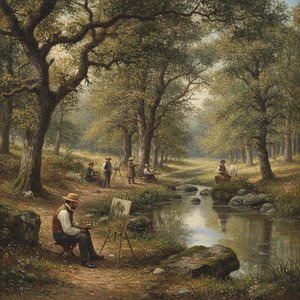
The Barbizon School: The Revolution of Naturalism and the Birth of Plein Air Landscape Painting
Explore the profound impact of the Barbizon School on landscape painting. Discover how masters like Rousseau and Corot revolutionized art through plein air naturalism, moving from academic idealism to the authentic beauty of the French countryside.

The Barbizon School: A Professional Guide to Naturalism and Landscape Mastery for Interior Designers
Explore the Barbizon School's mastery of naturalism. An expert guide for hotel designers and procurement managers on sourcing high-quality landscape reproductions to elevate hospitality and corporate interiors with authentic, large-scale fine art solutions.