
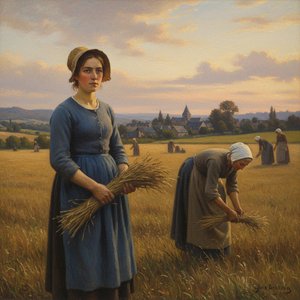
![Pas Mèche [nothing Doing] — Jules Bastien-lepage](/media/artworks/images-full/0a/a4/0aa443b038cfee7a0eeae71195adba8a.jpg)
 Visualizar na parede
 Compartilhar
 Compartilhar
 Detalhes
 Guia
Guia

 Baixar imagem
 Semelhantes
 Raio X
 Ver diaporama
 Estatísticas
Pas Mèche [Nothing Doing]


 Ler mais
Giclée / Impressão de Arte
Impressão giclée ou em tela de qualidade de museu, com produção rápida e opções flexíveis de acabamento. ( Comprar pintura feita à mão Alternar para Imagem Digital)




P118B €10

P118H €10

P118W €10

P438Z €10

P508JH €12

P508YH €12

P805H €10

P805Z €10

P919BZ €10

P919G €10

P919XJ €10

P959ZH €10

P968JZ €12

W106C €8

W218G €10

W218JH €8

W218Y €10

W307PJ €10

W316G €10

W316PJ €8

W316Y €10

W398PJ €8

W4111J €10

W500HY €15

W500JH €15

W692G €12

W849H €8

W940BG €15

W953PJ €8




Escolha entre os nossos tamanhos pré-definidos que respeitam as proporções originais da obra de arte.

Insira a largura e a altura desejadas para se ajustarem à sua moldura ou parede. Uma impressão pode ser apenas cortada, nunca ampliada além da imagem original; portanto, um tamanho com proporções diferentes resultará na perda de parte da imagem. Enviamos uma maquete digital para sua aprovação antes de realizarmos a impressão. A imagem exibida nesta página não mostra o corte real — apenas a maquete o faz.
Entrega mundial () em 2 semanas, em vez das 4/5 semanas padrão. (26 Outubro)

Envio expresso gratuito para todo o mundo

Tela de Linho de Alta Qualidade

Seguro de transporte completo

Garantia de Reembolso de Impostos Alfandegários

Garantia de Fidelidade Cromática

Política de Devolução em 100 Dias (Apenas para Defeitos)

Garantia de reembolso de 100%

Oferta de desconto por quantidade
 A opção de vidro está disponível apenas para tamanhos inferiores a 110 cm
![Pas Mèche [Nothing Doing]](/static/images/originaluniqueart/artworks/painting.a1e74a1cb7dc.png)
Pas Mèche [Nothing Doing]
Giclée / Impressão de Arte
Tamanho da Reprodução
-


Preço Total
€ 70
A Moment Frozen in Rural France: Jules Bastien-Lepage’s *Pas Mèche*
Jules Bastien-Lepage's *Pas Mèche* (Nothing Doing), painted in 1882, isn’t merely a portrait; it’s a carefully constructed tableau of rural life imbued with a quiet dignity and an unspoken narrative. The painting depicts a young boy, likely a barge worker, standing on the edge of a small village road, his gaze direct and unwavering. He is a figure of remarkable composure amidst what appears to be a mundane scene – a worn brown jacket, raggedy trousers, and large, unlaced boots speak to a life of hard work and simple means. Yet, within this apparent ordinariness lies a profound sense of observation and a subtle suggestion of melancholy. Bastien-Lepage, a pivotal figure in the transition from Realism to Naturalism, masterfully captures not just an image but also a feeling—a poignant awareness of time passing and the quiet realities of peasant existence. The title itself, *Pas Mèche*, is a French slang phrase meaning “Nothing Doing,” hinting at a state of weary resignation or perhaps simply a moment’s pause before returning to labor.The Naturalist Approach: Light, Texture, and Observation
Bastien-Lepage's artistic approach was deeply rooted in the tenets of Naturalism, a movement that sought to depict life as it truly was—without idealization or romantic embellishment. He achieved this through meticulous observation and a masterful understanding of light and texture. Unlike the polished surfaces favored by earlier academic painters, Bastien-Lepage employed loose, visible brushstrokes, allowing the canvas to breathe and revealing the materiality of his subjects. The paint itself seems almost tactile—one can practically feel the roughness of the boy’s clothing and the weathered surface of the road beneath his feet. He utilized a muted palette dominated by earthy browns, greens, and greys, reflecting the colors of the rural landscape he so faithfully rendered. Crucially, Bastien-Lepage spent considerable time *en plein air* (outdoors), directly observing his subjects in their natural environment, ensuring an unparalleled level of accuracy and authenticity in his depictions. This commitment to direct observation is evident in the boy’s posture, the way the light falls across his face, and the subtle details of the surrounding village.Symbolism Within Simplicity: The Tools of Labor
Beyond the immediate depiction of the boy, *Pas Mèche* is rich with symbolic elements. The fishing rod clutched in his hand immediately establishes his profession—a barge worker who would have been responsible for guiding and controlling the boats navigating the canals and rivers of France. The horn slung across his back was a vital tool for communication, alerting lockmasters to the approach of a boat. These seemingly simple objects – the rod, the horn, the worn boots – represent not just labor but also a connection to tradition, community, and the rhythms of rural life. The boy’s direct gaze is particularly significant; it suggests an awareness beyond his years, perhaps a recognition of the limitations imposed upon him by his circumstances. His stillness conveys a quiet dignity—a refusal to be defined solely by his humble profession.A Legacy of Rural Realism
Jules Bastien-Lepage’s *Pas Mèche* stands as a cornerstone of French Naturalist painting, profoundly influencing generations of artists. His ability to capture the essence of rural life with such honesty and sensitivity resonated deeply with audiences seeking an alternative to the idealized depictions prevalent in academic art. Born in 1848 and tragically dying at just thirty-six, Bastien-Lepage’s brief but impactful career left behind a body of work that continues to captivate viewers today. *Pas Mèche* exemplifies his signature style—a blend of meticulous observation, evocative light, and a profound understanding of the human condition. It's a painting that invites contemplation, prompting us to consider the lives of those who labor unseen and the quiet beauty found in the most unassuming corners of the world. Reproductions of *Pas Mèche* offer a valuable opportunity to bring this poignant work into any interior space, serving as a reminder of France’s rich artistic heritage and the enduring power of simple, honest representation.Perguntas e Respostas
Como o movimento e a época se encontram em "Pas Mèche [Nothing Doing]", de Jules Bastien-Lepage?
"Pas Mèche [Nothing Doing]", de Jules Bastien-Lepage insere-se no movimento Naturalist Painting, dentro da era Século XIX de seu criador.
Qual tamanho de impressão devo escolher para "Pas Mèche [Nothing Doing]" no meu quarto?
A combinação recomendada para "Pas Mèche [Nothing Doing]", de Jules Bastien-Lepage: uma impressão de Medium em um(a) Living Room.
Onde posso encontrar um guia sobre "Pas Mèche [Nothing Doing]"?
A página Ficha informativa de "Pas Mèche [Nothing Doing]", de Jules Bastien-Lepage oferece uma ficha informativa imprimível em duas folhas: a obra de arte com sua tabela de identificação, uma linha do tempo situando-a no período de vida do artista, outras obras do artista, a paleta de cores extraída e citações prontas para copiar em quatro estilos.
Biografia do Artista
Um Pioneiro do Naturalismo: A Vida e a Arte de Jules Bastien-Lepage
Jules Bastien-Lepage emergiu como uma figura central na pintura francesa do final do século XIX, uma ponte entre a tradição realista estabelecida e o movimento impressionista em ascensão. Nascido em 1848 na pequena aldeia de Damvillers, aninhada na região da Meuse, na França, sua trajetória artística estava profundamente enraizada nas paisagens e vidas do campo francês. Essa conexão com suas origens não era meramente biográfica; tornou-se a essência de sua arte, imbuindo suas telas com uma autenticidade que ressoou profundamente com o público que buscava uma representação mais honesta do mundo ao seu redor. Sua breve, porém intensamente produtiva carreira, tragicamente interrompida por sua morte em 1884 aos trinta e seis anos, deixou uma marca indelével no desenvolvimento do Naturalismo e influenciou artistas em toda a Europa.Das Raízes Rurais à Formação Artística
A educação artística inicial de Bastien-Lepage veio de seu pai, ele próprio um pintor que reconheceu e cultivou o talento de seu filho. O jovem Jules preencheu cadernos de esboços com estudos do campo, capturando os ritmos da vida rural com um olhar atento. Essa imersão precoce no mundo natural permaneceria uma característica definidora de seu trabalho. A formação formal se seguiu na École des Beaux-Arts em Paris, a partir de 1867, onde estudou sob Alexandre Cabanel – um proeminente pintor acadêmico conhecido por sua técnica polida e temas históricos. Embora dominasse as habilidades exigidas pelo sistema Salon, Bastien-Lepage abrigava simultaneamente o desejo de se libertar de suas restrições. A eclosão da Guerra Franco-Prussiana em 1870 interrompeu seus estudos, levando-o a servir como soldado voluntário. Essa experiência, combinada com uma subsequente doença, o trouxe de volta a Damvillers, reforçando seu compromisso em retratar as vidas daqueles que conhecia melhor: os camponeses e trabalhadores de sua terra natal.A Ascensão do Naturalismo e o Estilo de Bastien-Lepage
Ao retornar a Paris após a guerra, Bastien-Lepage começou a expor obras que sinalizavam uma partida da pintura acadêmica tradicional. Seu estilo era caracterizado por uma aplicação intrincada de tinta – pequenas pinceladas deliberadas construindo textura e forma – combinadas com uma paleta dominada por tons quentes e naturais. Ele abraçou a pintura *ao ar livre*, trabalhando diretamente na natureza para capturar os efeitos fugazes da luz e da atmosfera. Essa dedicação à observação e autenticidade o alinhou com o movimento naturalista emergente, que buscava retratar a vida como era, sem idealização ou romantismo. Haymaking (1877), exibida no Salon em 1879, provou ser um momento decisivo, estabelecendo Bastien-Lepage como um líder dessa nova direção artística. A representação realista dos trabalhadores rurais e sua descrição luminosa do campo cativaram críticos e público. Ele não estava apenas documentando a vida camponesa; ele a estava elevando, imbuindo seus sujeitos de dignidade e respeito.Obras-Primas e Influência Duradoura
O sucesso de Bastien-Lepage se estendeu além das cenas de gênero. Sua retrataria ganhou considerável aclamação, notavelmente Retrato do Meu Avô (1874), que obteve reconhecimento precoce, e um retrato impressionante da celebrada atriz Sarah Bernhardt em 1879 – uma encomenda que lhe trouxe maior destaque. Ele também abordou temas históricos com uma sensibilidade naturalista, como exemplificado por sua pintura Joana d’Arc, agora no Musée d'Orsay. Esta obra apresentou Joana não como uma heroína mítica, mas como uma jovem enraizada em suas origens rurais, refletindo o compromisso de Bastien-Lepage em retratar figuras dentro de seus contextos social e histórico. Por 1883, sua influência era tão generalizada que os críticos observaram artistas em toda a Europa estavam imitando seu estilo – um testemunho do poder de sua visão. Seu trabalho ressoou com pintores britânicos como George Clausen e Tom Roberts, que incorporaram elementos de seu naturalismo em suas próprias representações da vida rural. O legado de Jules Bastien-Lepage reside não apenas na beleza e profundidade emocional de suas pinturas, mas também em seu papel como catalisador para a mudança artística. Ele abriu o caminho para as futuras gerações de artistas explorarem novas maneiras de representar o mundo ao seu redor, desafiando normas convencionais e abraçando uma abordagem mais honesta e autêntica à arte.
Jules Bastien-Lepage
1848 - 1884 , França
Dados Rápidos
- Artistas Que O Influenciaram:
- Realismo
- George Clausen
- Tom Roberts
- Artistas/Movimentos Influenciados: ['Impressionismo']
- Data Da Morte: 1884
- Data De Nascimento: 1848
- Local De Nascimento: Damvilliers, França
- Movimento Artístico: Naturalismo
- Nacionalidade: Francês
- Nome Completo: Jules Bastien-Lepage
- Obras Notáveis:
- Retrato do meu avô
- Joana d'Arc
- Feno
- Outubro
- Colheita
- Laura Tadema
- Sarah Bernhardt
Artigos Relacionados

Echoes of Rural Life: Art's Enduring Representations of the Countryside
Explore the rich history of rural life in art! Discover masterpieces from Millet to Mauve & beyond. Learn about Realism, Barbizon School & find inspiration for your home with OriginalUniqueArt.

Léon Augustin L'Hermitte: Capturing the Soul of French Rural Life
Discover the captivating realist paintings of Léon Augustin L'Hermitte, masterfully depicting French rural life. Explore his technique, influences & legacy – a cornerstone of 19th-century art.

The Enduring Legacy of Oil on Canvas: Technique, History & Aesthetic Impact
Explore the rich history & techniques of oil painting – from Renaissance masters to Impressionism. Discover pigments, layering methods, and why this timeless medium endures. Expert insights for artists & art enthusiasts.

Oil on Canvas: A Historical & Technical Exploration of a Timeless Artistic Medium
Explore the rich history & enduring techniques of oil painting on canvas. Discover the science behind its longevity, conservation practices, and contemporary relevance. Expert insights for art enthusiasts.
Jules Breton: Capturing the Poetic Soul of French Rural Life
Explore the captivating world of Jules Breton, master of French Realism. Discover his iconic paintings of rural life, learn about his artistic journey, and find high-quality reproductions to elevate your art collection at OriginalUniqueArt.
