
 Visualizar em escala
 Enviar
 Compartilhar
 Ver detalhes

 Baixar
 Semelhantes
 Raio X
 Apresentação de slides
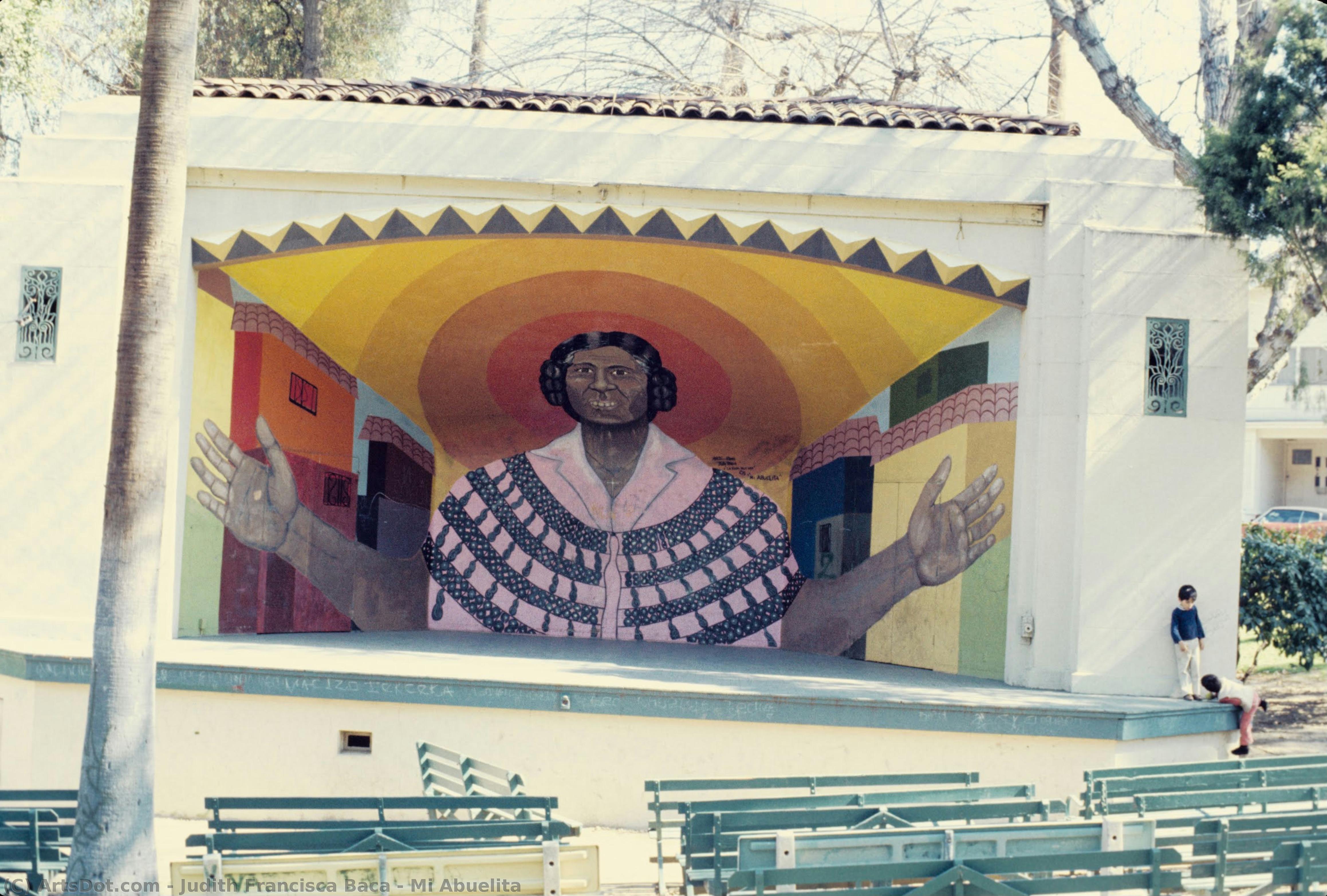
Mi Abuelita


 Ver mais
Reprodução em Óleo Feita à Mão
Óleo sobre tela pintado à mão no seu tamanho e moldura, feito sob encomenda pelos nossos artistas. ( Encomendar impressão Comprar imagem em alta resolução)




































Escolha entre os nossos tamanhos pré-definidos que respeitam as proporções originais da obra de arte.

Pode inserir as suas próprias dimensões para se adequar a uma moldura ou espaço específico. Se o tamanho selecionado não corresponder às proporções da imagem original, iremos cortar a obra de arte ou estender a pintura com elementos adicionais pintados à mão. Um esboço digital será enviado para sua aprovação antes do início da produção.
Tenha em atenção que a pré-visualização no ecrã não reflete o corte ou extensão real. Apenas o esboço mostrará com precisão a composição final.
Embora tamanhos personalizados estejam disponíveis, recomendamos selecionar uma dimensão da lista predefinida para preservar as proporções originais.
Após o pedido, a equipa OriginalUniqueArt.com enviará um e-mail ao cliente para solicitar instruções e fornecer uma prévia do esboço.
Entrega mundial () em 3 a 4 semanas, em vez das 5 semanas padrão. (18 Agosto). Sem comprometer a qualidade.

Envio Expresso Gratuito para todo o Mundo

Tela de Linho Premium

Seguro de transporte total

Garantia de Reembolso de Impostos Alfandegários

Garantia de Fidelidade de Cor

Política de Devolução de 60 Dias (Apenas para Defeitos)

Garantia de reembolso de 100%

Desconto para múltiplas unidades
 A opção de vidro está disponível apenas para tamanhos inferiores a 110 cm

Mi Abuelita
Técnica de Reprodução
Dimensões da Reprodução
-


Preço Total
$ 300
Biografia do Artista
A Life Painted on Walls: The Story of Judy Baca
Judy Francisca Baca, born in 1946 amidst the vibrant yet challenging landscape of Watts, Los Angeles, is more than just a muralist; she’s a cultural architect, an activist whose canvas extends far beyond galleries and into the very fabric of communities. Her life story is inextricably linked to the Chicano civil rights movement, the feminist awakening, and a relentless pursuit of social justice through art. Raised primarily by her mother, aunts, and grandmother in a household steeped in indigenous traditions – her grandmother practiced as a curandera, a traditional healer – Baca’s early experiences instilled within her a deep connection to heritage, resilience, and the power of storytelling. This foundation would become the bedrock of her artistic vision.
Baca's formative years were marked by cultural displacement. Prohibited from speaking Spanish in school, she found solace and expression through painting, a quiet rebellion against assimilation. This early silencing fueled a lifelong commitment to amplifying marginalized voices. Her education at California State University, Northridge, initially focused on fine art but broadened to encompass history, philosophy, and education – a deliberate pursuit of understanding the social contexts that shaped her world. She quickly realized that traditional art spaces felt inaccessible to the communities she cared about, sparking a desire to bring art directly *to* the people.
The Birth of SPARC and the Great Wall
In 1974, Baca co-founded the Social and Public Art Resource Center (SPARC) in Venice, California. This wasn’t merely an artistic collective; it was a revolutionary act – a space dedicated to empowering communities through collaborative mural projects. SPARC became a hub for artists, activists, and local residents, fostering a unique environment where art served as a catalyst for dialogue, healing, and social change. It was within this framework that Baca embarked on her most ambitious undertaking: The Great Wall of Los Angeles.
Begun in 1976, The Great Wall of Los Angeles is an epic half-mile-long mural along the Tujunga Wash in the San Fernando Valley. It’s not simply a painting; it's a living history book, meticulously researched and collaboratively created with over 400 youth and community members. The mural depicts California history from pre-Columbian times to the present day, offering a counter-narrative that challenges dominant historical perspectives. It confronts issues of colonialism, cultural displacement, racism, and social injustice with unflinching honesty. The sheer scale of the project is breathtaking, but it’s the deeply personal stories woven into its imagery – oral histories collected from diverse communities – that truly resonate.
Themes and Techniques: A Visual Language of Resistance
Baca's artistic style is characterized by bold lines, vibrant colors, and symbolic imagery. Her murals are not passive depictions; they actively engage with the viewer, demanding attention and prompting reflection. She often incorporates elements of Mexican folk art, pre-Columbian iconography, and feminist symbolism into her work. The use of communal painting processes is central to her practice. Baca believes that the act of creation itself is as important as the finished product, fostering a sense of ownership and collective identity within the communities she serves.
Her subject matter consistently centers on those historically marginalized – women, the working poor, youth, LGBTQ+ individuals, and immigrant communities. She doesn’t shy away from difficult topics; instead, she uses her art to confront systemic inequalities and advocate for social change. Las Vistas Nuevas, an early mural project in Boyle Heights, exemplified this approach, bringing together gang members from rival groups to create a shared vision of community pride.
Legacy and Historical Significance
Judy Baca’s impact extends far beyond the walls she has painted. She is a pioneer in the field of social practice art, demonstrating the transformative power of collaborative creation. Her work has inspired countless artists and activists around the world to use art as a tool for social justice. As an emeritus professor at UCLA, she continues to mentor students and advocate for public art initiatives.
Baca’s legacy is one of unwavering commitment to community empowerment, cultural preservation, and artistic innovation. She has received numerous accolades, including a Guggenheim Fellowship and a USA Rockefeller Fellowship, but her greatest reward lies in the enduring impact of her work on the communities she serves. The Great Wall of Los Angeles, now a protected landmark, stands as a testament to her vision – a powerful reminder that art can be a force for change, a voice for the voiceless, and a bridge between generations.
- Co-founder of SPARC (Social and Public Art Resource Center)
- Director of The Great Wall of Los Angeles, the world’s largest communal mural project
- Pioneering figure in social practice art
- Advocate for Chicano rights, feminist causes, and community empowerment
- Emeritus Professor at UCLA

judith francisca baca
1946 - , United States of America
Informações Rápidas
- Artistic Movement Or Style: Muralism, Public Art
- Date Of Birth: September 20, 1946
- Full Name: Judith Francisca Baca
- Nationality: American
- Notable Artworks: ['The Great Wall of Los Angeles']
- Place Of Birth: Los Angeles, USA

