
 Visualizar na parede
 Compartilhar
 Compartilhar
 Detalhes
 Guia
Guia

 Baixar imagem
 Semelhantes
 Raio X
 Ver diaporama
 Q&A
Q&A Estatísticas
Pietà

- 161.0 x 144.0 cm


 Ler mais
Giclée / Impressão de Arte
Impressão giclée ou em tela de qualidade de museu, com produção rápida e opções flexíveis de acabamento. ( Comprar pintura feita à mão Alternar para Imagem Digital)




P118B €10

P118H €10

P118W €10

P438Z €10

P508JH €12

P508YH €12

P805H €10

P805Z €10

P919BZ €10

P919G €10

P919XJ €10

P959ZH €10

P968JZ €12

W106C €8

W218G €10

W218JH €8

W218Y €10

W307PJ €10

W316G €10

W316PJ €8

W316Y €10

W398PJ €8

W4111J €10

W500HY €15

W500JH €15

W692G €12

W849H €8

W940BG €15

W953PJ €8




Escolha entre os nossos tamanhos pré-definidos que respeitam as proporções originais da obra de arte.

Insira a largura e a altura desejadas para se ajustarem à sua moldura ou parede. Uma impressão pode ser apenas cortada, nunca ampliada além da imagem original; portanto, um tamanho com proporções diferentes resultará na perda de parte da imagem. Enviamos uma maquete digital para sua aprovação antes de realizarmos a impressão. A imagem exibida nesta página não mostra o corte real — apenas a maquete o faz.
Entrega mundial () em 2 semanas, em vez das 4/5 semanas padrão. (1 Novembro)

Envio expresso gratuito para todo o mundo

Tela de Linho de Alta Qualidade

Seguro de transporte completo

Garantia de Reembolso de Impostos Alfandegários

Garantia de Fidelidade Cromática

Política de Devolução em 100 Dias (Apenas para Defeitos)

Garantia de reembolso de 100%

Oferta de desconto por quantidade
 A opção de vidro está disponível apenas para tamanhos inferiores a 110 cm

Pietà
Giclée / Impressão de Arte
Tamanho da Reprodução
-


Preço Total
€ 71
The Heart of Sorrow: An Exploration of Valdés Leal’s Pietà
Juan de Valdés Leal's 1657 “Pietà” is not merely a depiction of grief; it’s an immersion into the profound sorrow and spiritual weight of Christian iconography. Born in Seville during the height of the Spanish Baroque, Leal was deeply influenced by the traditions of theatrical sculpture, particularly the evocative “pasos”—elaborate processions featuring religious figures rendered with intense emotion—a practice common in Spain. This painting transcends simple representation, aiming instead to evoke a visceral response from the viewer, mirroring the agony of Mary Magdalene cradling the lifeless body of Christ.
The subject itself – the Pietà – has resonated through Western art for centuries. It’s a timeless image: the Virgin Mary, serene yet heartbroken, holding her son after his crucifixion. Leal masterfully captures this essence, moving beyond the idealized beauty often associated with depictions of the Madonna. Instead, we see a woman marked by sorrow, her expression a complex blend of grief and acceptance. The composition is deliberately tight, drawing our focus entirely to the central figures – a deliberate choice that intensifies the emotional impact. The diagonal line created by Christ’s body, sloping from left to right, guides the eye through the scene, mirroring the descent into despair.
Baroque Drama: Technique and Composition
Leal's mastery lies in his skillful deployment of Baroque techniques. The painting is dominated by *chiaroscuro*, a dramatic contrast between light and dark that sculpts the figures and imbues the scene with an almost theatrical quality. Light focuses intensely on Mary Magdalene and Christ’s body, casting deep shadows around them – these aren't merely stylistic choices; they symbolize the darkness of sin and suffering. The artist employs impasto—thickly applied paint—to create a richly textured surface, adding depth and physicality to the figures. Brushstrokes are bold and expressive, conveying movement and emotion with every mark.
The flattened perspective, characteristic of Baroque art, prioritizes emotional impact over strict realism. Leal doesn’t strive for photographic accuracy; instead, he uses color and form to create a heightened sense of drama and immediacy. The muted palette—primarily dark browns, reds, and blues—contributes to the somber atmosphere, reinforcing the theme of loss and mourning. The use of strong lines further emphasizes the dynamism of the scene, preventing it from feeling static or lifeless.
Symbolism and Spiritual Resonance
Beyond its visual power, the “Pietà” is rich in symbolism. The image directly references Christian iconography, but Leal imbues it with a distinctly Spanish sensibility. The gruesome details of Christ’s suffering—a hallmark of Spanish religious art—are not presented gratuitously; they serve to heighten the spiritual fervor and underscore the sacrifice made for humanity's salvation. Mary Magdalene’s posture – cradling the body with unwavering devotion – represents faith, loyalty, and acceptance of God’s will.
The scene as a whole speaks to universal themes of grief, loss, and redemption. It invites contemplation on mortality, suffering, and the enduring power of love and compassion. Leal's “Pietà” is more than just a religious painting; it’s a profound meditation on the human condition, rendered with breathtaking skill and emotional intensity.
Perguntas e Respostas
Como é descrita a atmosfera de "Pietà", de Juan de Valdés Leal?
A atmosfera geral de "Pietà", de Juan de Valdés Leal é Dramatic. O clima descreve a sensação predominante da obra.
Qual é a intensidade do contraste em "Pietà", de Juan de Valdés Leal?
"Pietà", de Juan de Valdés Leal apresenta um contraste Gentle entre suas áreas claras e escuras.
Qual paleta e cor predominante definem "Pietà"?
"Pietà", de Juan de Valdés Leal utiliza uma paleta Earthy, com Gray (#938366) como cor dominante.
Biografia do Artista
Juan de Valdés Leal
Juan de Nisa Valdés Leal (Sevilha, 4 de maio de 1622 – Sevilha, 15 de outubro de 1690), pintor e gravador barroco espanhol, foi um dos artistas mais importantes do século XVII na região da Andaluzia. Sua obra é marcada por uma profunda sensibilidade estética e uma habilidade técnica excepcional que o consagraram como um dos principais representantes do estilo barroco espanhol.Nascido em Sevilha, filho do ourives português Fernando de Nisa e da sevilhana Antonia de Valdés Leal pelo nome de Juan Nisa de Valdés Leal, recebeu uma educação artística que o colocou sob a tutela de Antonio del Castillo em Córdoba, onde iniciou seus estudos na década de 1640. Essa formação inicial influenciou profundamente seu estilo artístico e lhe proporcionou um conhecimento sólido das tradições pictóricas europeias da época.
Notável Trabalhos e Colaborações
Valdés Leal destacou-se por suas pinturas dramáticas e inovadoras que exploravam temas religiosos e filosóficos com grande maestria. Entre seus trabalhos mais importantes estão:
- História do Profeta Elias: Uma obra monumental encomendada pela Igreja Carmelítica de Córdoba, que demonstra sua habilidade em capturar emoções humanas e transmitir mensagens religiosas poderosas.
- Martírio de São André: Pintado também para a Igreja de São Francisco em Córdoba, este quadro apresenta uma composição dinâmica e expressiva que reflete o espírito da época barroca.
- Tríduo do Senhor Crucificado: Uma obra emblemática encomendada pela Caridade de Sevilha, que exemplifica seu domínio da técnica pictórica e sua capacidade de criar imagens impactantes.
Sua colaboração com Bartolomé Esteban Murillo, um artista conhecido por seu estilo suave e harmonioso, foi fundamental para o estabelecimento da Academia Sevillana de Artes em 1656, onde ambos compartilharam ideias e experiências que enriqueceram o desenvolvimento artístico espanhol.
Vida e Legado
Juan de Valdés Leal casou-se com Isabella Carasquilla em 1647 e teve cinco filhos, alguns dos quais também seguiram carreira artística. Sua esposa faleceu em Sevilha em 1730, deixando um legado cultural significativo na cidade.
Valdés Leal é considerado um dos artistas mais importantes do barroco espanhol devido à sua originalidade estética e à profundidade de suas obras. Sua arte continua a inspirar artistas contemporâneos e estudiosos até hoje, demonstrando o impacto duradouro da cultura barroca na história da arte europeia.
Estilo Artístico
O estilo artístico de Juan de Valdés Leal é caracterizado por uma combinação única de elementos técnicos e expressivos que o distinguem dos demais artistas de sua época. Sua pintura apresenta características marcantes como:
- Uso intenso da luz: Valdés Leal utilizava técnicas inovadoras para criar efeitos dramáticos de luz e sombra, buscando transmitir emoções humanas e enfatizar a beleza das obras.
- Composição dinâmica: As pinturas de Valdés Leal são marcadas por movimentos rápidos e energéticos que capturam o espírito da época barroca e criam uma sensação de movimento constante.
- Paleta cromática rica e vibrante: O artista empregava uma paleta de cores intensa e luminosa para criar imagens impressionantes e transmitir mensagens emocionais poderosas.
Valdés Leal é um dos artistas mais importantes do barroco espanhol, cuja obra permanece relevante até hoje devido à sua beleza estética e à profundidade filosófica.

Juan de Valdés Leal
1622 - 1690 , Espanha
Dados Rápidos
- Artistic Movement Or Style: Barroco
- Artists Who Influenced This Artist:
- Antônio del Castillo
- Francisco Herrera el Viejo
- Date Of Birth: 4 Maio 1622
- Full Name: Juan de Nisa Valdés Leal
- Nationality: Espanhol
- Notable Artworks:
- História do Profeta Elias
- Martírio de São André
- Triumphos da Cruz
- Place Of Birth: Sevilha, Espanha
Artigos Relacionados

Barroco Brasileiro: Opulência e Emoção para Interiores Contemporâneos
Descubra como o Barroco brasileiro pode transformar seus interiores! Explore a história, elementos-chave e dicas para integrar este estilo luxuoso e cheio de emoção em sua casa.

Sobre nós
Descubra a nossa história! Levamos arte de classe mundial à sua vida através de uma seleção especializada, criações personalizadas e prévias gratuitas. Aprovado por particulares e empresas desde 2000.
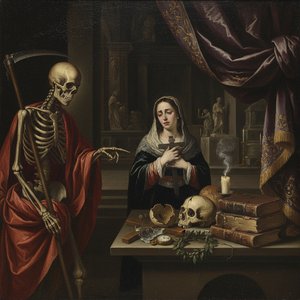
Juan de Valdés Leal: Baroque Realism, Memento Mori & Theatricality of Spanish Grief
Explore the powerful Baroque realism of Juan de Valdés Leal (1622-1690). Discover his somber masterpieces, iconic 'In Ictu Oculi', and profound explorations of mortality. Museum-quality reproductions available at OriginalUniqueArt.

Goya: As 25 Obras-Primas que Definem um Mestre da Arte Espanhola | OriginalUniqueArt
Descubra as 25 obras-primas de Francisco Goya, o mestre espanhol do Romantismo. Explore retratos icônicos, gravuras impactantes e a história por trás de 'Saturno Devorando seu Filho' e 'A Majas'. Encontre reproduções de arte exclusivas para decorar sua casa com OriginalUniqueArt.com.

The Dramatic Flourish: Exploring the Baroque Movement's Enduring Legacy in Art History
Explore the dramatic world of Baroque art! Discover iconic artists like Caravaggio & Rubens, defining techniques, and its lasting impact on art history. Expert insights for collectors & enthusiasts at OriginalUniqueArt.
