
 Visualizar em escala
 Enviar
 Compartilhar
 Ver detalhes

 Baixar
 Semelhantes
 Raio X
 Apresentação de slides
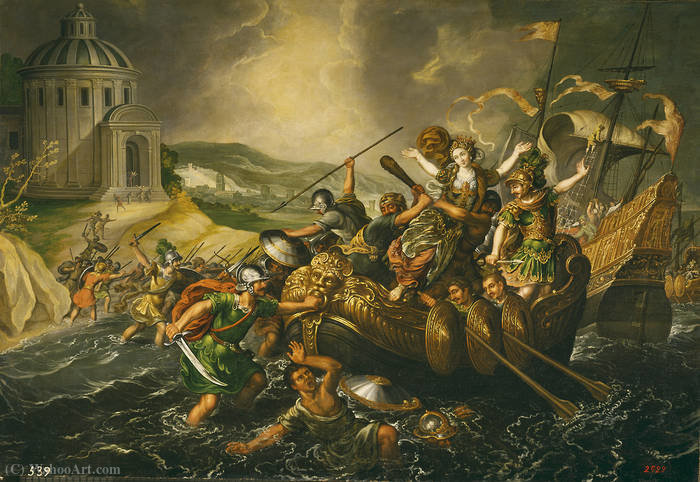
Elena abduction
 Ver mais
Adquira uma imagem digital de alta resolução e aprimorada, muito superior à prévia online.
Cada arquivo é meticulosamente preparado por nossos especialistas internos, utilizando ferramentas avançadas e retoques manuais de alta precisão. Garantimos que cada imagem apresente clareza excepcional, fidelidade de cores e detalhes minuciosos.
O arquivo final é entregue por e-mail em até 72 horas, otimizado para uso imediato em ambientes profissionais, editoriais e de impressão. Esta é a mesma qualidade utilizada por estúdios de design de alto nível, editoras e galerias.
Imagem Digital
Baixe um arquivo de alta resolução para exibição pessoal, impressão e projetos criativos. ( Encomendar impressão Encomendar reprodução pintada à mão)
Incluído em cada pedido de imagem digital
Entrega Digital Especializada e Garantida
Ao escolher o OriginalUniqueArt.com, você não está apenas adquirindo uma imagem — você está recebendo uma obra de arte digital profissionalmente aprimorada, elaborada com precisão e com garantia de satisfação. Aqui está tudo o que acompanha seu pedido, automaticamente:

Entrega rápida por e-mail
O seu arquivo de imagem digital em alta resolução será enviado por e-mail em até 72 horas após o pedido — pronto para uso imediato.

Arquivo Digital com IA Otimizado
Sua obra de arte é otimizada profissionalmente por meio de ferramentas avançadas de IA e edição manual, garantindo o máximo de detalhes, clareza e precisão de cores.

Reenvio gratuito vitalício
Apagou ou perdeu o seu ficheiro acidentalmente? Não se preocupe – nós reenviamos para si a qualquer momento, gratuitamente.

Sem Taxas de Importação - Sempre
Desfrute da sua obra de arte instantaneamente, sem taxas alfandegárias, impostos ou custos de entrega — downloads digitais são sempre isentos de taxas.

Garantia de Precisão de Cores
Garantimos que sua imagem digital reflita as cores originais com a maior fidelidade possível, utilizando ferramentas profissionais e gerenciamento de cores.

Garantia de Satisfação de 60 Dias
Se você não estiver satisfeito com sua imagem digital, nós a revisaremos ou reembolsaremos 100% dentro de 60 dias — sem perguntas.

Garantia de Reembolso 100%
Não está satisfeito? Receba o reembolso total em até 60 dias após o recebimento do seu arquivo digital — sem perguntas.

Descontos para pedidos em lote
Compre 3 imagens, economize 10% - Compre 5, economize 15% - Compre 10+, economize 20%. Ideal para projetos criativos, galerias e agências.
Biografia do Artista
Juan de la Corte: Master of the Spanish Naval Battle
Juan de la Corte (1597-1660) stands as a pivotal figure in 17th-century Spanish art, renowned for his dramatic and meticulously rendered depictions of naval battles. Born in Madrid, he emerged from the workshop of Francisco Velázquez, inheriting a legacy of artistic skill and a deep understanding of composition and perspective – qualities that would define his unique style. While often overshadowed by other Golden Age masters, Corte’s contribution to Spanish art lies primarily in his unparalleled ability to capture the chaos, dynamism, and sheer scale of maritime warfare, offering viewers an intimate glimpse into historical conflicts.
Corte's artistic journey began under Velázquez, a master known for his realism and mastery of light. This early training instilled in him a rigorous attention to detail and a commitment to portraying subjects with remarkable accuracy. However, Corte quickly distinguished himself through his specialization in battle scenes – a genre relatively unexplored by Spanish painters at the time. He wasn’t simply illustrating historical events; he was striving to convey the visceral experience of combat, the clash of steel, the roar of cannons, and the desperate courage of sailors and soldiers alike.
His most celebrated work, “Naval Combat of Pernambuco or of Albrolhos (September 12, 1631),” exemplifies his artistic prowess. This monumental painting, commissioned to commemorate the decisive victory by the Spanish fleet against the Dutch in Pernambuco, is a testament to Corte’s technical skill and dramatic vision. The sheer size of the canvas—over six meters long—allows him to depict hundreds of ships engaged in furious combat, each vessel rendered with astonishing detail. The composition is brilliantly balanced, guiding the viewer's eye through the swirling mass of vessels, exploding gunpowder, and struggling figures. It’s not merely a record of a battle; it’s an immersive experience that transports the observer directly into the heart of the fray.
A Royal Patronage and Artistic Development
Corte’s career was significantly shaped by his patronage under King Philip III and later, King Philip IV. These royal commissions provided him with financial stability and access to resources, allowing him to undertake ambitious projects and develop his artistic skills further. He also served as a court painter, producing portraits of nobility and documenting significant events – a role that honed his observational abilities and deepened his understanding of human psychology.
Interestingly, Corte’s early career was marked by a shift in perspective. Initially influenced by the prevailing conservative views of the Spanish court, he later embraced more liberal ideals, reflecting the changing political landscape of Spain. This evolution is evident in his artistic style, which became increasingly nuanced and expressive over time. His work during this period demonstrates a growing interest in portraying not just the spectacle of war but also the human cost – the bravery, sacrifice, and suffering endured by those involved.
Despite his royal connections, Corte’s artistic development wasn't solely dictated by courtly demands. He was known to study historical accounts and engravings to ensure accuracy in his depictions of battles. Furthermore, he meticulously researched naval tactics and ship designs, incorporating these details into his paintings with remarkable precision. This dedication to realism contributed significantly to the authenticity and impact of his work.
Technique and Style
Corte’s artistic style is characterized by a masterful command of perspective, dynamic composition, and a vibrant use of color. He employed a technique known as “aerial perspective,” subtly blurring distant objects to create a sense of depth and atmosphere. His brushwork is loose and expressive, conveying the movement and energy of the battle with remarkable immediacy.
Color plays a crucial role in his paintings, particularly in depicting the smoke, flames, and explosions that characterize naval combat. He skillfully used contrasting colors to highlight key elements – the brilliant white of sails against the dark blue of the sea, the fiery red of cannonballs against the gray of the warships. His palette is rich and varied, reflecting the diverse range of subjects he tackled.
Corte’s influence extends beyond his individual works. He helped to establish naval battle painting as a significant genre within Spanish art, inspiring subsequent generations of artists to explore this dramatic subject matter. His meticulous attention to detail, dynamic compositions, and expressive brushwork set a new standard for depicting historical conflicts.
Legacy and Historical Significance
Juan de la Corte’s paintings offer invaluable insights into the history of Spain during the 17th century – a period marked by intense political and military rivalry with other European powers. His depictions of naval battles, such as the Battle of Pernambuco, provide a visual record of these conflicts, capturing the strategic importance of maritime power in shaping Spanish dominance.
Today, Corte’s works are housed in prestigious museums around the world, including the Museo Nacional del Prado in Madrid and the Art Institute of Chicago. His paintings continue to fascinate viewers with their dramatic intensity, technical skill, and historical significance. Juan de la Corte remains a vital figure in Spanish art history, celebrated for his ability to transform historical events into compelling visual narratives.

juan de la corte
1597 - 1660

