

 Visualizar em escala
 Enviar
 Compartilhar
 Ver detalhes
 Guia de Obras do Aluno

 Baixar imagem
 Semelhantes
 Raio X
 Apresentação de slides
 Estatísticas
Still Life


 Ver mais
Giclée / Impressão de Arte
Impressão giclée ou em tela de qualidade de museu, com produção rápida e opções flexíveis de acabamento. ( Encomendar reprodução pintada à mão Ver Imagem Digital)




P118B €10

P118H €10

P118W €10

P438Z €10

P508JH €12

P508YH €12

P805H €10

P805Z €10

P919BZ €10

P919G €10

P919XJ €10

P959ZH €10

P968JZ €12

W106C €8

W218G €10

W218JH €8

W218Y €10

W307PJ €10

W316G €10

W316PJ €8

W316Y €10

W398PJ €8

W4111J €10

W500HY €15

W500JH €15

W692G €12

W849H €8

W940BG €15

W953PJ €8




Escolha entre os nossos tamanhos pré-definidos que respeitam as proporções originais da obra de arte.

Digite a largura e a altura de que necessita, para se ajustar à sua moldura ou à sua parede. Uma impressão só pode ser cortada, nunca ampliada além da imagem original, pelo que um tamanho com uma proporção diferente perderá parte da imagem. Enviamos-lhe uma maquete digital para aprovação antes de imprimirmos qualquer coisa. A imagem apresentada nesta página não mostra o corte real — apenas a maquete o faz.
Entrega mundial () em 2 semanas, em vez das 4/5 semanas padrão. (24 Outubro)

Envio expresso gratuito para todo o mundo

Tela de Linho Premium

Seguro de transporte total

Garantia de Reembolso de Impostos Alfandegários

Garantia de Fidelidade de Cor

Política de Devolução em 100 Dias (Apenas para Defeitos)

Garantia de reembolso de 100%

Desconto para múltiplas unidades
 A opção de vidro está disponível apenas para tamanhos inferiores a 110 cm

Still Life
Giclée / Impressão de Arte
Dimensões da Reprodução
-


Preço Total
€ 70
Juan de Arellano: A Master of Floral Still Life
Juan de Arellano (1614 – 1676) stands as a singular figure in the Baroque art landscape of Spain, celebrated primarily for his breathtaking floral still life paintings. Born in Santorcaz, near Madrid—a city that would become synonymous with his artistic legacy—Arellano’s life unfolded amidst the opulent patronage of Philip III and witnessed the burgeoning influence of Flemish and Italian artistic traditions. While biographical details remain somewhat sparse, he emerged as a student under Juan de Solís, whose landscapes offered a contrasting aesthetic to Arellano's focused dedication to botanical representation. His work embodies the spirit of the era—a fascination with observation, meticulous detail, and an attempt to capture not merely what is seen but also what is felt.- Style: Arellano’s style firmly rooted itself within the Baroque tradition, inheriting its dramatic chiaroscuro techniques and embracing a humanist sensibility that prioritized natural beauty and contemplation. However, unlike many of his contemporaries who sought grandeur and spectacle, he opted for a quieter, more intimate portrayal of nature—a deliberate choice reflecting the prevailing taste for decorative art during Philip III’s reign.
- Technique: Arellano excelled in oil painting on linen, utilizing layering and glazing methods to achieve remarkable luminosity and depth. He painstakingly rendered individual petals, stems, and leaves with astonishing accuracy, capturing subtle variations in color and texture—a testament to his mastery of observation and artistic skill. The artist’s meticulous approach ensured that each flower seemed to pulsate with life on the canvas.
The Influence of Flemish Masters
Like many artists of his era, Arellano absorbed the stylistic precepts of Flemish masters such as Daniel Seghers and Mario Nuzzi. These influences instilled in him a meticulous attention to detail and a masterful command of chiaroscuro—the dramatic interplay of light and shadow—techniques characteristic of Northern Baroque painting. Seghers’ landscapes taught Arellano how to convey atmosphere and perspective, while Nuzzi's flower paintings demonstrated the importance of capturing delicate nuances of color and form. This synthesis of artistic influences resulted in a distinctive visual language that distinguishes Arellano’s oeuvre from other Spanish painters of his time.Symbolism and Emotional Resonance
Beyond mere aesthetic beauty, Arellano's floral still lifes carried profound symbolic meaning—a hallmark of Baroque art. Flowers were frequently employed to convey concepts of mortality, remembrance, and spiritual contemplation, reflecting the anxieties of a society grappling with religious dogma and facing imminent death. The artist’s careful composition—often featuring birds perched atop vases or flowers—reinforced these themes, inviting viewers to engage in introspection and consider the ephemeral nature of existence. His paintings evoke a sense of serenity and melancholy, capturing the fleeting beauty of the natural world while simultaneously prompting reflection on human mortality.Notable Works
Among Arellano’s most celebrated pieces are “Bouquet of Flowers” (c.1660), currently housed in the Museo del Prado, Madrid—a masterful depiction of roses and lilies bathed in soft light—and “Garland of Flowers, Birds and Butterfly,” displayed at The Louvre. He also executed commissions for the sacristy of San Jerónimo el Real, showcasing his versatility as an artist. Furthermore, reproductions of his paintings can be found in museums across Europe, including Bilbao Fine Arts Museum and The Royal Academy of Fine Arts of San Fernando. Examining these artworks offers a glimpse into the artistic sensibilities of a pivotal moment in Spanish Baroque history.Perguntas e Respostas
"Still Life" de Juan De Arellano encontra-se no país de origem do artista?
Não – a obra de arte encontra-se no exterior. "Still Life" está guardada em Estados Unidos da América, enquanto Juan De Arellano nasceu em Espanha.
Em que fase da carreira de Juan De Arellano se situa "Still Life", considerando a sua data?
A data de 1600 situa "Still Life" no Mature Period do desenvolvimento de Juan De Arellano.
Quem é o artista por trás de "Still Life"?
O artista por trás de "Still Life" é Juan De Arellano. A obra está catalogada sob o nome de Juan De Arellano.
Biografia do Artista
O Mestre do Esplendor Botânico
Na era de ouro do Barroco espanhol, poucos artistas capturaram a graça efêmera da natureza com tanta precisão e paixão quanto Juan de Arellano. Nascido em 1614, em Santorcaz, próximo ao coração vibrante de Madrid, Arellano emergiu como uma força singular em um século frequentemente definido pelo fervor religioso dramático e pelo realismo sombrio. Enquanto seus contemporâneos frequentemente voltavam-se para grandes narrativas históricas ou martírios intensos, Arellano encontrou sua vocação na linguagem delicada e silenciosa de pétalas e caules. Sua vida e obra representam uma intersecção magistral entre a sensibilidade espanhola e as ricas tradições ornamentais provenientes das escolas flamenga e italiana, criando um legado que permanece como um pilar da pintura de natureza-morta do século XVII.
Os fundamentos da arte de Arellano foram lançados sob a orientação de Juan de Solís, um pintor cuja expertise em paisagens forneceu um pano de fundo estrutural ao crescente interesse do artista pelo detalhe botânico. No entanto, foram as correntes artísticas europeias mais amplas que verdadeiramente moldaram sua visão. Ao absorver a precisão meticulosa, quase científica, de mestres flamengos como Daniel Seghers, e as composições dramáticas e banhadas por luz de pintores italianos como Mario Nuzzi, Arellano desenvolveu um vocabulário estilístico único. Ele dominou a arte do chiaroscuro, utilizando o profundo jogo entre sombras densas e aveludadas e realces brilhantes e luminosos para dar vida a cada rosa, tulipa e lírio que retratava.
Uma Visão de Precisão e Pragmatismo
Existe uma dualidade fascinante na história da carreira de Arellano — uma mistura de devoção artística e perspicácia profissional. Relatos históricos sugerem que o artista fez uma escolha deliberada de se especializar exclusivamente em naturezas-mortas florais. Isso não foi apenas uma preferência estética, mas uma decisão pragmática; ao focar neste gênero específico, ele pôde navegar no florescente mercado de arte com maior eficiência, oferecendo estudos botânicos altamente procurados que eram tanto lucrativos quanto menos exigentes fisicamente do que as telas monumentais requeridas para retábulos. Esse foco permitiu-lhe alcançar um nível inigualável de maestria técnica, transformando cada tela em uma janela de beleza hiper-realista.
Suas composições são muito mais do que simples arranjos de flora; são dramas cuidadosamente orquestrados de cor e forma. Em suas mãos, um buquê torna-se uma narrativa complexa de textura e luz. Ele possuía uma habilidade extraordinária de capturar os momentos fugazes do auge de uma flor — o leve enrugar de uma pétala murchando, o brilho de orvalho sobre uma folha ou a qualidade translúcida de uma pétala capturada por um raio de sol. Através de sua pincelada, o espectador é convidado a um reino de contemplação serena, onde a beleza transitória do mundo natural é congelada em uma perfeição eterna e vibrante.
Legado e Significância Artística
A importância histórica de Juan de Arellano reside em sua capacidade de elevar a natureza-morta de um gênero secundário para um meio profundo de expressão artística. Sua obra serve como um elo vital entre as tradições pesadas e simbólicas do início do Barroco e as estéticas mais decorativas e iluminadas que viriam a seguir. Através de suas pinturas, vemos a influência de estilos internacionais harmonizando-se com uma elegância distintamente espanhola, criando um corpo de trabalho que transcende fronteiras.
Hoje, o impacto da obra de Arellano pode ser sentido nos prestigiados corredores de museus ao redor do mundo, onde seus buquês icônicos continuam a cativar o público. Suas contribuições para o mundo da arte incluem:
- Inovação Técnica: A aplicação sofisticada de luz e sombra para criar um realismo botânico tridimensional.
- Elevação do Gênero: Transformar a natureza-morta floral em um tema prestigioso, capaz de uma profunda profundidade emocional e simbólica.
- Síntese Cultural: A fusão bem-sucedida do detalhe flamengo com o drama italiano e a graça espanhola, criando uma estética europeia única.
Ao contemplarmos suas obras-primas, como seu celebrado Bouquet of Flowers, somos lembrados de que a verdadeira arte reside na capacidade de encontrar o infinito dentro do infinitesimal, e de encontrar a beleza eterna nas coisas mais delicadas e transitórias.

Juan De Arellano
1614 - 1676 , Espanha
Informações Rápidas
- Artistic Movement Or Style: Barroco
- Artists Or Movements Influenced By This Artist: ['Daniel Seghers']
- Artists Who Influenced This Artist: ['Juan de Solís']
- Date Of Birth: 1614
- Date Of Death: 1676
- Full Name: Juan de Arellano
- Nationality: Espanhol
- Notable Artworks:
- Buquê de Flores
- Guirlanda de Flores
- Place Of Birth: Santorcaz, Espanha
Artigos Relacionados

Os 10 Mestres do Barroco Holandês: Obras Essenciais para Decorar com Arte e História
Descubra os 10 mestres do Barroco Holandês! Explore a história e o legado de Rembrandt, Vermeer e outros artistas icônicos. Encontre reproduções de arte de alta qualidade para decorar sua casa com elegância em OriginalUniqueArt.com.
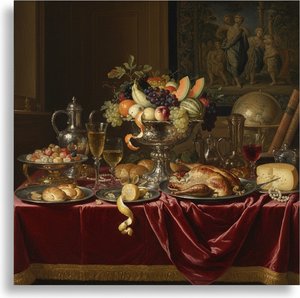
Abraham Hendricksz van Beyeren: Pioneering Dutch Still Life & the Banquet Tradition
Explore the captivating world of Dutch Golden Age still life with Abraham van Beyeren. Discover his innovative techniques, symbolic banquet scenes & lasting influence on art history. Learn about collecting these masterpieces.
The Enduring Appeal of Still Life: A Historical & Contemporary Exploration
Explore the rich history & symbolism of still life painting with OriginalUniqueArt. Discover masterpieces from the Dutch Golden Age, learn about vanitas art, and find expert guidance for collecting timeless artworks.

Silent Narratives: Exploring the Enduring Appeal of Still Life Painting Across Centuries
Explore the rich history of still life painting with OriginalUniqueArt. Discover Dutch Masters, decode vanitas symbolism & learn about collecting timeless art. Expert insights and museum-quality reproductions.

Golden Age Reflections: Dutch Baroque Painting & Cultural Innovation
Explore the Dutch Golden Age of painting! Discover key artists like Vermeer & ter Borch, their innovative techniques, and the rich cultural context behind these Baroque masterpieces. Learn about collecting & appreciating this iconic art period.