
 Visualizar na parede
 Compartilhar
 Compartilhar
 Detalhes
 Guia
Guia

 Baixar imagem
 Semelhantes
 Raio X
 Ver diaporama
 Perguntas e Respostas
 Estatísticas
The young seamstress

- 846.0 x 1104.0 cm


 Ler mais
Giclée / Impressão de Arte
Impressão giclée ou em tela de qualidade de museu, com produção rápida e opções flexíveis de acabamento. ( Comprar pintura feita à mão Alternar para Imagem Digital)




P118B €10

P118H €10

P118W €10

P438Z €10

P508JH €12

P508YH €12

P805H €10

P805Z €10

P919BZ €10

P919G €10

P919XJ €10

P959ZH €10

P968JZ €12

W106C €8

W218G €10

W218JH €8

W218Y €10

W307PJ €10

W316G €10

W316PJ €8

W316Y €10

W398PJ €8

W4111J €10

W500HY €15

W500JH €15

W692G €12

W849H €8

W940BG €15

W953PJ €8




Escolha entre os nossos tamanhos pré-definidos que respeitam as proporções originais da obra de arte.

Insira a largura e a altura desejadas para se ajustarem à sua moldura ou parede. Uma impressão pode ser apenas cortada, nunca ampliada além da imagem original; portanto, um tamanho com proporções diferentes resultará na perda de parte da imagem. Enviamos uma maquete digital para sua aprovação antes de realizarmos a impressão. A imagem exibida nesta página não mostra o corte real — apenas a maquete o faz.
Entrega mundial () em 2 semanas, em vez das 4/5 semanas padrão. (5 Novembro)

Envio expresso gratuito para todo o mundo

Tela de Linho de Alta Qualidade

Seguro de transporte completo

Garantia de Reembolso de Impostos Alfandegários

Garantia de Fidelidade Cromática

Política de Devolução em 100 Dias (Apenas para Defeitos)

Garantia de reembolso de 100%

Oferta de desconto por quantidade
 A opção de vidro está disponível apenas para tamanhos inferiores a 110 cm

The young seamstress
Giclée / Impressão de Arte
Tamanho da Reprodução
-


Preço Total
€ 72
A Symphony of Light and Solitude
In the quiet corners of art history, few works capture the essence of domestic serenity as poignantly as Jozef Israëls’ “The Young Seamstress.” Completed around 1880, this masterpiece serves as a cornerstone of the Hague School, an influential movement that sought to find the extraordinary within the ordinary. The painting invites the viewer into a modest, intimate space where time seems to slow, centered around a young woman lost in the rhythmic, meditative task of her needlework. As she sits bathed in the soft, ethereal glow of sunlight filtering through a window, there is an immediate sense of peace that transcends the canvas. For the collector or interior designer, this piece offers more than mere decoration; it provides a window into a moment of profound stillness, making it an ideal focal point for spaces designed for contemplation and grace.
The technical brilliance of Israëls lies in his ability to marry the grounded realism of his Dutch heritage with the burgeoning luminosity of Impressionism. Rather than relying on sharp, clinical lines, he employs loose, expressive brushstrokes that allow light to dance across the textures of fabric and wood. This technique creates a palpable atmosphere, where the air itself feels heavy with warmth and dust motes. The artist’s mastery of tonal harmony ensures that the palette remains subtle yet deeply emotive, using a range of soft ochres, muted shadows, and brilliant highlights to guide the eye toward the subject's focused gaze. This atmospheric approach does not just depict a room; it evokes a feeling of sanctuary, making the reproduction of such a work a powerful tool for creating depth and soul in any high-end interior.
Symbolism and the Dignity of the Everyday
Beyond its aesthetic charm, “The Young Seamstress” is rich with layers of meaning that speak to the human condition. During the late 19th century, a period of significant social reform in the Netherlands, Israëls moved away from the grand, often disconnected narratives of historical painting to embrace the dignity of the working class. The woman in the portrait becomes a symbol of resilience and quiet perseverance; her dedication to her craft reflects a larger respect for the beauty found within routine and labor. The window positioned above her head acts as a powerful metaphor for enlightenment and a connection to the natural world, suggesting that even within the confines of domestic life, there is an infinite reach toward the light.
For those looking to curate a collection that tells a story of compassion and strength, this artwork stands as a testament to the beauty of the unnoticed. It captures a fleeting moment of creativity and concentration, elevating a simple act of mending into a monumental expression of inner peace. Whether placed in a sun-drenched morning room or a sophisticated study, the painting brings with it an enduring legacy of the Hague School—a legacy of seeing the world not just as it appears, but as it feels.
Perguntas e Respostas
Por quais outros nomes Jozef Israels é conhecido(a)?
Jozef Israels também é conhecido como José Israel, Jozeph Israëls.
Qual técnica foi utilizada em "The young seamstress", de Jozef Israels?
A técnica de "The young seamstress", de Jozef Israels é Oil. As reproduções visam reproduzir a aparência desta técnica.
Quem é o autor de "The young seamstress" e a qual movimento pertence?
"The young seamstress" foi criada por Jozef Israels no estilo Impressionistic Realism. O artista e o movimento identificam a tradição da obra.
Biografia do Artista
Early Life and Artistic Foundations
Jozef Israëls, um dos mais reverenciados pintores da Escola de Haia, nasceu em Groningen, nos Países Baixos, em 27 de janeiro de 1824. Sua trajetória artística foi moldada por uma complexa interação entre as expectativas de seu pai, Hartog Abraham Israëls, um homem de negócios pragmático que almejava um futuro comercial para o filho, e as aspirações de sua mãe, Mathilda Salomon nãªe Polack, que sonhava com uma vocação rabínica. Essa tensão inicial entre a praticidade e a espiritualidade, sutilmente presente em sua vida, influenciaria a profundidade emocional que caracterizaria suas obras. Inicialmente, Jozef seguiu o caminho da educação formal, estudando na Minerva Academy de Groningen de 1835 a 1842, preparando-se para seu futuro artístico. Posteriormente, continuou seus estudos na Academia Real de Artes de Amesterdão, onde aprimorou suas habilidades sob a orientação de Jan Kruseman. Um período crucial em sua formação ocorreu com seus estudos na École des Beaux-Arts de Paris (1845-1847), imergindo-se nas correntes artísticas da época e aprendendo com mestres como James Pradier, Horace Vernet e Paul Delaroche. Esses anos formativos estabeleceram uma base técnica sólida, mas foi uma crise pessoal que definiria sua voz artística única.A Transição para o Realismo e a Escola de Haia
No início de sua carreira, as obras de Israëls refletiam o estilo romântico predominante na metade do século XIX, com foco em temas históricos e dramáticos. No entanto, uma mudança profunda ocorreu após uma doença que o levou à cidade costeira de Zandvoort. Lá, testemunhar a dura realidade da vida de pescadores e suas famílias despertou uma paixão por retratar a existência cotidiana com honestidade implacável. Este foi um ponto de virada, pois ele começou a se concentrar em representações realistas de pessoas comuns, especialmente aquelas que viviam na pobreza. Até 1870, Israëls havia se tornado uma figura proeminente dentro da Escola de Haia de pintores de paisagem, um grupo conhecido por suas representações naturalistas da vida holandesa e dos paisagens. Seu estilo caracterizou-se pela profundidade emocional, tons sombrios e um olhar compassivo sobre seus assuntos. Ele não pintava apenas o que via; ele transmitia o peso de suas vidas, suas lutas e sua dignidade silenciosa. Esse compromisso com o realismo o distinguiu de muitos de seus contemporâneos, conquistando-lhe admiração crítica e uma lealdade fiel.Temas, Obras-Primas e Reconhecimento
O repertório artístico de Israëls abrangia uma ampla gama de temas, mas ele é mais conhecido por suas cenas pungentes da vida camponesa, representações evocativas da cultura judaica e retratos convincentes das comunidades costeiras holandesas. Pinturas como *Zandvoort Fisherman* (Galeria Amsterdam) e *The Silent House* – que recebeu uma medalha de ouro no Salão de Bruxelas em 1858 – exemplificam sua capacidade de imbuir cenas cotidianas com profunda ressonância emocional. *Shipwrecked* e *The Cradle*, alcançando sucesso em Londres em 1862, consolidaram ainda mais sua reputação. Obras-primas posteriores como *The Widower* (Coleção Mesdag), *When We Grow Old* e *A Frugal Meal* (Museu de Glasgow) continuaram a explorar temas de perda, dificuldades e resiliência humana. Frequentemente, ele retornava a cenas da vida judaica, notavelmente *Jewish Wedding* (1903), demonstrando uma profunda conexão com sua herança. Além da pintura de gênero, Israëls também criou retratos convincentes, incluindo um de Louis Jacques Veltman em 1893. Sua produção prolífica se estendeu além das pinturas a óleo, incluindo inúmeras aquarelas e gravuras, celebradas por seu uso magistral da luz e sombra. Em 1886, foi homenageado como Oficial da Ordem de Leopoldo, um testemunho de seu crescente reconhecimento internacional.Legado e Influência Duradoura
Jozef Israëls é amplamente considerado “o artista holandês mais respeitado da segunda metade do século XIX”. Suas representações compassivas da vida camponesa e da cultura judaica contribuíram significativamente para o desenvolvimento da arte realista do século XIX, influenciando uma geração de pintores. Ele compartilhou afinidade com Jean-François Millet em seu foco na vida dos homens comuns; no entanto, o trabalho de Israëls frequentemente carregava um tom mais melancólico do que as representações serenas de Millet. Sua influência se estendeu além da Holanda, impactando notavelmente o pintor escocês Robert McGregor. Em seus últimos anos, embora permanecendo enraizado no realismo, Israëls ocasionalmente revisitou temas anteriores, como visto em *David Singing Before Saul*, sugerindo um retorno aos temas dramáticos e históricos de sua juventude. Ele se mudou para Haia em 1870, consolidando sua posição na Escola de Haia. Seu legado perdura através das inúmeras pinturas que são mantidas em importantes museus ao redor do mundo, servindo como um lembrete poderoso de seu impacto profundo na arte holandesa e de sua empatia duradoura pela condição humana. O trabalho de Israëls continua a ressoar com os espectadores hoje, oferecendo uma reflexão atemporal sobre a vida, a perda e a dignidade silenciosa daqueles que são frequentemente negligenciados pela sociedade.
Jozef Israels
1824 - 1911 , Países Baixos
Dados Rápidos
- Artistic Movement Or Style: Hague School, Realismo
- Artists Or Movements Influenced By This Artist: ['Robert McGregor']
- Artists Who Influenced This Artist: ['Jean-François Millet']
- Date Of Birth: 27 jan 1824
- Date Of Death: 12 ago 1911
- Full Name: Jozef Israëls
- Nationality: Holandês
- Notable Artworks:
- Pescador de Zadnvoort
- Casa Silenciosa
- Aldeia Pobre
- Place Of Birth: Groninga, Holanda
Artigos Relacionados

Giclée Prints: Archival Quality & Aesthetic Nuances for the Discerning Collector
Explore the world of giclée prints with OriginalUniqueArt. Learn about archival quality, aesthetic nuances & investment potential. Expert guidance for discerning art collectors seeking museum-quality reproductions and lasting value.
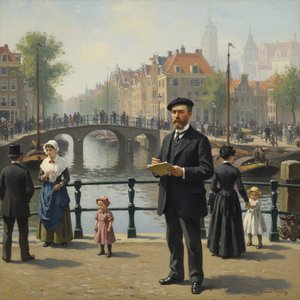
Isaac Lazarus Israëls: A Chronicle of Dutch Life & the Evolution of Impressionistic Realism
Explore the captivating world of Isaac Lazarus Israëls (1865-1934), a leading Dutch Amsterdam Impressionist. Discover his city scenes, portraits & travels through Asia – a chronicle of Dutch life and artistic evolution.

The Hague School: Realism, Atmosphere & the Dawn of Dutch Impressionism
Explore the Hague School's pivotal role in Dutch art history. Discover realism, atmospheric landscapes & its influence on Impressionism. Learn about key artists like Mauve & Maris with OriginalUniqueArt.

The Enduring Legacy of Fine Art Prints: Technique, History & Aesthetic Impact
Explore the rich history & techniques of fine art prints. Discover investment potential, assess authenticity, and learn how to preserve your collection with expert guidance. Trusted insights for discerning collectors.

Echoes of Time: Exploring the Enduring Appeal & Historical Context of Vintage Art Prints
Explore the captivating world of vintage art prints! Discover their history, collecting tips & enduring appeal. Expert insights on chromolithography and building a legacy collection with OriginalUniqueArt.