
 Visualizar na parede
 Compartilhar
 Compartilhar
 Detalhes
 Guia
Guia

 Baixar imagem
 Semelhantes
 Raio X
 Ver diaporama
 Q&A
Q&A Estatísticas
Mulheres


 Ler mais
Obtenha um arquivo pronto para impressão que vai muito além da visualização na web. Cada imagem digital que vendemos provém de um arquivo mestre de alta resolução em nosso banco de dados — geralmente entre 5.000 e 15.000 pixels de largura — para que você possa imprimir em grandes formatos, realizar cortes precisos ou reproduzir detalhes minuciosos com total confiança.
Nenhum arquivo sai do nosso estúdio sem passar por um cuidadoso processo de revisão. Um especialista digital verifica as cores em relação à pintura original e as corrige se necessário, aumentando então a clareza e o detalhe com ferramentas profissionais de retoque — sempre mantendo a fidelidade às pinceladas e ao estilo do artista. O resultado é uma imagem que se assemelha à pintura, e não a um scan com filtros.
Aprovação antes da finalização: nosso especialista enviará a imagem por e-mail em até 72 horas para sua revisão. Não ficou satisfeito? Solicite melhorias ou correções, ou peça o reembolso caso a qualidade não atenda às suas expectativas.
Esta é a qualidade em que confiam editoras, estúdios de design, galerias e gráficas.
Imagem Digital
Baixe um arquivo de alta resolução para exibição pessoal, impressão e projetos criativos. ( Alternar para Impressão Comprar pintura feita à mão)
Incluído em cada compra de imagem digital
Entrega Digital Especializada e Garantida
Ao escolher o OriginalUniqueArt.com, você não está apenas adquirindo uma imagem — você está recebendo uma obra de arte digital profissionalmente aprimorada, elaborada com precisão e com garantia de satisfação. Aqui está tudo o que acompanha seu pedido, automaticamente:

Entrega rápida por e-mail
O seu arquivo de imagem digital em alta resolução será enviado por e-mail em até 72 horas após o pedido — pronto para uso imediato.

Arquivo Digital com IA Otimizado
Sua obra de arte é otimizada profissionalmente por meio de ferramentas avançadas de IA e edição manual, garantindo o máximo de detalhes, clareza e precisão de cores.

Reenvio gratuito vitalício
Apagou ou perdeu o seu ficheiro acidentalmente? Não se preocupe – nós reenviamos para si a qualquer momento, gratuitamente.

Sem Taxas de Importação - Sempre
Desfrute da sua obra de arte instantaneamente, sem taxas alfandegárias, impostos ou custos de entrega — downloads digitais são sempre isentos de taxas.

Garantia de Fidelidade de Cores
Garantimos que sua imagem digital reflita as cores originais com a maior fidelidade possível, utilizando ferramentas profissionais e gerenciamento de cores.

Garantia de satisfação de 100 dias
Se não estiver satisfeito com a sua imagem digital, nós a revisaremos ou reembolsaremos 100% dentro de 100 dias — sem perguntas.

Garantia de Reembolso 100%
Não está satisfeito? Receba o reembolso total em até 100 dias após o recebimento do seu arquivo digital — sem perguntas.

Descontos para pedidos em lote
Compre 3 imagens, economize 10% - Compre 5, economize 15% - Compre 10+, economize 20%. Ideal para projetos criativos, galerias e agências.
Mujeres: A Descent Into Surreal Horror
José Clemente Orozco’s “Mujeres” (also known as “Dance” or “Dead Woman”), created in 1935, is more than just a lithograph; it's a visceral confrontation with mortality and societal decay—a cornerstone of Mexican Muralism and a testament to Orozco’s unparalleled ability to distill complex ideas into striking visual form. Commissioned for the Palace of Fine Arts in Mexico City as part of “Mexico and Modern Printmaking,” this artwork encapsulates the anxieties of the postrevolutionary era, reflecting the pervasive fear of impending doom that gripped the nation following the overthrow of Porfirio Díaz.- Subject Matter: The image depicts a woman lying supine on her back, while another woman stands over her, enacting what appears to be an act of strangulation. Scattered around are figures engaged in various activities—a man wielding a knife, a woman clutching a cigarette—creating a chaotic tableau that underscores the disintegration of order and morality.
- Style: Orozco’s style is characterized by its brutal realism blended with surrealist elements. He eschews idealized beauty, opting instead for grotesque distortions and unflinching depictions of human suffering. This stylistic choice serves to amplify the artwork's emotional impact and provoke contemplation about the darker aspects of human experience.
- Technique: Lithography—a printing process utilizing stone etching—allowed Orozco to achieve remarkable tonal range and precision, crucial for conveying the dramatic mood of “Mujeres.” The stark black-and-white contrast enhances the horror inherent in the scene, emphasizing the figures’ contorted postures and expressions.
Perguntas e Respostas
"Mulheres", de José Clemente Orozco está em domínio público?
"Mulheres", de José Clemente Orozco está em em domínio público — seus direitos autorais expiraram. Este status determina como a imagem da obra pode ser reproduzida.
Como o movimento e a época se encontram em "Mulheres", de José Clemente Orozco?
Em "Mulheres", de José Clemente Orozco, o movimento Mexican Muralism encontra a era Modernismo.
As cores de "Mulheres", de José Clemente Orozco são vibrantes ou suaves?
"Mulheres", de José Clemente Orozco apresenta uma saturação Suave e uma intensidade Monocromático.
Biografia do Artista
José Clemente Orozco (1883-1949): A Life Forged in Revolution
José Clemente Orozco, born November 23, 1883, in the small town of Zapotlán el Grande (now Ciudad Guzmán), Jalisco, Mexico, stands as a monumental figure in the pantheon of Mexican muralists. His life was inextricably linked to the tumultuous currents of his nation’s history—a period defined by revolution, social upheaval, and a fervent search for national identity. Orozco wasn't merely a painter; he was a visual chronicler of Mexico’s soul, translating its struggles, hopes, and contradictions onto vast canvases that continue to resonate with power today. From an early age, the vibrant yet often harsh realities of Mexican life captivated him. His initial artistic awakening occurred during his school years in Mexico City, where he became enthralled by the work of José Guadalupe Posada, a master engraver whose satirical depictions of death and daily life challenged societal norms. This exposure instilled in Orozco a commitment to art as a vehicle for social commentary—a principle that would shape his entire artistic trajectory.Early Influences & Artistic Formation
Posada’s unflinching portrayal of Mexican society profoundly impacted Orozco's worldview, fostering an unwavering belief in the transformative potential of art to confront injustice and inspire change. Recognizing this conviction, he pursued formal training at the Academy of San Carlos in 1906, encountering David Alfaro Siqueiros—another student who would become a lifelong collaborator and fellow champion of Mexican muralism. The atmosphere surrounding the academy was charged with political unrest; calls for social reform grew louder as Mexico wrestled with the legacy of Porfirio Díaz’s autocratic rule. This period witnessed an explosion of artistic expression, fueled by a desire to forge a distinctly Mexican aesthetic—one that honored indigenous traditions while addressing the urgent challenges facing the nation. Alongside Rivera and Siqueiros, Orozco emerged as one of the “big three,” spearheading this movement and establishing himself as a leading voice in shaping Mexico’s cultural landscape.The Accident & The Pursuit of Expression
A tragic accident occurred during his formative years—a devastating injury resulting from an explosion while experimenting with explosives—leaving him without his left hand. Despite this profound setback, Orozco refused to succumb to despair; instead, he channeled his grief and determination into artistic creation. This experience solidified his resolve to overcome adversity through art, pushing him to explore new techniques and approaches that would characterize his distinctive style. He honed his skills in drawing and painting on a chevalet—a easel—developing a meticulous attention to detail and mastering the subtleties of watercolor. These disciplines complemented his mural work, allowing him to express himself across various mediums and enriching his artistic repertoire.The Muralist Vision: Revolution & Symbolism
Orozco’s artistic vision centered around capturing the essence of revolution—not as glorifying violence or celebrating heroism, but as exposing its brutal consequences for ordinary people. He rejected idealized representations of history, opting instead for unflinching depictions of suffering and disillusionment. His formal style reflected a complex interplay of influences ranging from realism to expressionism and drawing inspiration from Renaissance Italian art. This stylistic fusion allowed him to convey profound emotions while simultaneously employing symbolic imagery—a hallmark of his oeuvre. Recurring motifs included machines—often depicted as dehumanizing forces—and fragmented figures—expressing psychological turmoil. Orozco’s compositions rarely adhered to conventional narrative structures; rather, they functioned as allegorical explorations of human experience and social dynamics.A Legacy of Boldness & Enduring Influence
Throughout his prolific career spanning from 1922 to 1949, Orozco undertook monumental mural projects in Mexico and the United States—a testament to his artistic ambition and unwavering commitment to his convictions. His murals stand as enduring symbols of Mexican identity and social consciousness, captivating audiences worldwide with their visceral power and intellectual depth. Notable works include *Omnisciencia*, *The Poor*, *Cortés & La Malinche*, and *Mexican Soldiers*. Orozco’s influence extends far beyond the realm of art; he inspired generations of artists to confront social injustices and explore the complexities of human existence. His legacy continues to resonate today, reminding us that art can serve as a catalyst for change—a powerful tool for shaping perceptions and fostering empathy. The Museum of the Arts of Guadalajara houses a workshop-museum dedicated to preserving his life’s work and artistic heritage. Artists like Gustavo Arias Murueta and Óscar Salas Moya acknowledge Orozco's profound impact on their own creative endeavors, demonstrating the enduring significance of his contribution to Mexican art history.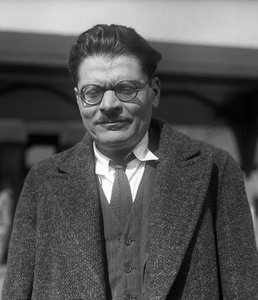
José Clemente Orozco
1883 - 1949 , México
Breve Biografia
- Artistic Movement Or Style: Muralismo mexicano
- Artists Or Movements Influenced By This Artist: ['Diego Rivera']
- Artists Who Influenced This Artist: ['José Guadalupe Posada']
- Date Of Birth: November 23, 1883
- Date Of Death: September 7, 1949
- Full Name: José Clemente Orozco
- Nationality: Mexicano
- Notable Artworks:
- Omnisciencia
- El pobre
- Cortés & La Malinche
- Soldados mexicanos
- Place Of Birth: Ciudad Guzmán, México