
 Visualizar em escala
 Enviar
 Compartilhar
 Ver detalhes

 Baixar
 Semelhantes
 Raio X
 Apresentação de slides
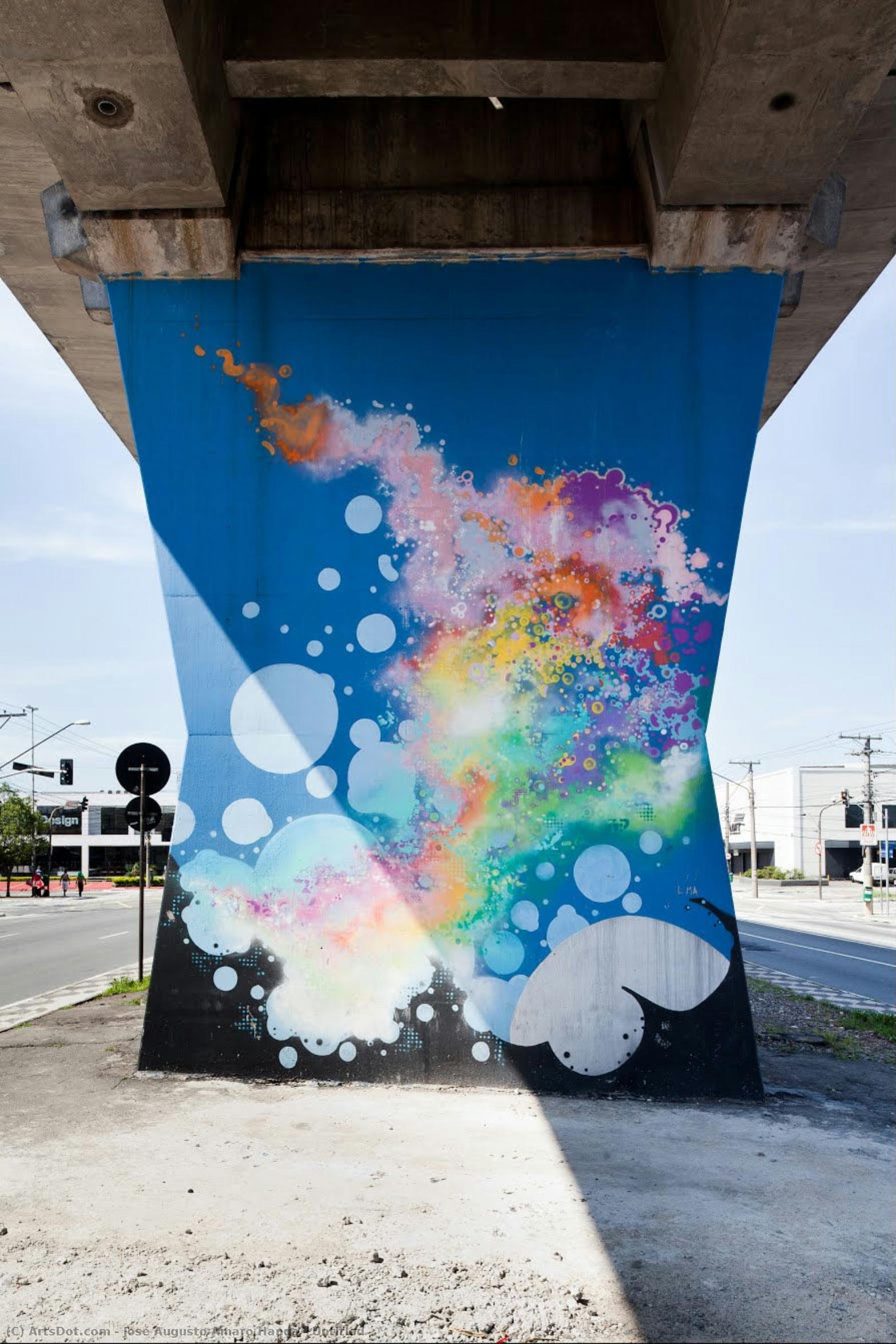
Untitled


 Ver mais
Giclée / Impressão de Arte
Impressão giclée ou em tela de qualidade de museu, com produção rápida e opções flexíveis de acabamento. ( Alternar para pintura feita à mão Baixar imagem em alta resolução)




































Escolha entre os nossos tamanhos pré-definidos que respeitam as proporções originais da obra de arte.

Você pode inserir suas próprias dimensões para se ajustar a uma moldura ou espaço específico. Se o tamanho selecionado não corresponder às proporções da imagem original, iremos recortar a obra de arte ou estender a imagem com uma borda espelhada ou preenchimento sólido. Um mockup digital será enviado para sua aprovação antes do início da produção.
Por favor, observe que a visualização na tela não reflete o recorte ou a extensão real. Apenas o mockup mostrará com precisão a composição final.
Embora tamanhos personalizados estejam disponíveis, recomendamos selecionar uma dimensão da lista predefinida para preservar as proporções originais.
Entrega mundial () em 2 semanas, em vez das 4/5 semanas padrão. (7 Agosto)

Envio Expresso Gratuito para todo o Mundo

Tela de Linho Premium

Seguro de transporte total

Garantia de Reembolso de Impostos Alfandegários

Garantia de Fidelidade de Cor

Política de Devolução de 60 Dias (Apenas para Defeitos)

Garantia de reembolso de 100%

Desconto para múltiplas unidades
 A opção de vidro está disponível apenas para tamanhos inferiores a 110 cm

Untitled
Giclée / Impressão de Arte
Dimensões da Reprodução
-


Preço Total
$ 80
Biografia do Artista
A Dialogue with the Underworld: The Art of José Augusto Amaro Handa (Zezão)
José Augusto Amaro Handa, known universally as Zezão, is a compelling figure in contemporary street art, an artist whose work transcends mere aesthetics to become a profound commentary on urban life, societal neglect, and the power of reclamation. Born in São Paulo, Brazil, in 1977, Zezão’s journey began not with canvases and galleries, but with the raw, often unforgiving surfaces of his city's underbelly—sewer systems, abandoned buildings, and the shadowed spaces beneath viaducts. This unconventional beginning wasn’t a rejection of traditional art forms, but rather a deliberate choice to engage with a reality largely ignored by mainstream society, a world teeming with stories waiting to be told. Inspired early on by the rebellious spirit and expressive power of Jean-Michel Basquiat, Zezão sought to imbue his surroundings with color, light, and a potent sense of presence. He didn’t simply want to decorate; he wanted to awaken a dialogue, to force recognition of spaces and lives often rendered invisible.From Graffiti Roots to Assemblage Innovation
Zezão's initial foray into the art world was through graffiti in the 1990s, a period marked by both creative energy and social upheaval. However, his artistic vision quickly expanded beyond traditional tagging and lettering. He began to explore abstract forms, developing a signature style characterized by variations of the word “Vício” (addiction) rendered in striking shades of blue. This wasn’t merely an aesthetic choice; it was a deliberate attempt to create a secret language, a subtle message embedded within the urban landscape—a meditation on societal dependencies and hidden struggles. As his practice evolved, Zezão began incorporating found objects into his work, transforming discarded materials into intricate assemblages. Timber salvaged from barricades, mirrors, trays, car doors, bedframes – these weren’t simply repurposed; they were resurrected, imbued with new meaning and a poignant history. This process of turning “trash into luxury,” as he describes it, became central to his artistic philosophy, highlighting themes of sustainability, recycling, and the inherent value in what society deems worthless.Exploring Public Space and Global Laws
The core of Zezão’s work lies in its exploration of public space—a contested territory often governed by restrictive “quality of life” laws that criminalize artistic expression and marginalize vulnerable communities. His art is a direct response to these forces, a defiant act of reclaiming ownership over the urban environment. He doesn't seek permission; he intervenes, transforming neglected spaces into vibrant canvases that challenge conventional notions of beauty and order. This engagement with public space isn’t limited to Brazil; Zezão has exhibited internationally, collaborating with artists around the globe and participating in projects like *Bomb It* (2007) and *Bomb It 2* (2010), documentaries that shed light on the worldwide graffiti movement and the struggles faced by street artists. His work consistently explores the interplay between these global movements, the proliferation of restrictive laws, and the ongoing fight for control over public expression.Recognition and Lasting Impact
Zezão’s art has garnered increasing recognition in recent years, with exhibitions in cities like Barcelona, Brighton, Florence, Frankfurt, Hamburg, London, Los Angeles, New York, Paris, Prague, Wuppertal, Rio de Janeiro, and São Paulo. His participation in the Urban Nation project in Berlin, where he contributed to a “One Wall” installation in 2017, further cemented his position as a leading figure in the urban art scene. Beyond gallery walls, Zezão’s murals continue to adorn streets and infrastructure around the world, serving as powerful reminders of the beauty that can be found in unexpected places. His influence extends beyond the visual arts; he inspires dialogue about social justice, environmental responsibility, and the importance of reclaiming public space for creative expression. Walking Blue*, a solo exhibition at Anno Domini gallery, exemplifies his commitment to drawing attention to marginalized communities and the often-overlooked beauty within contaminated environments.A Legacy of Transformation
Zezão’s work is more than just art; it's an act of resistance, a celebration of resilience, and a testament to the power of human creativity. He has successfully bridged the gap between street art and fine art, challenging traditional boundaries and inspiring a new generation of artists to engage with their surroundings in meaningful ways. His legacy lies not only in his visually striking murals and assemblages but also in his unwavering commitment to social commentary and his ability to transform discarded materials into objects of beauty and contemplation. He continues to walk the “road less travelled,” exploring the hidden corners of society and giving voice to those who are often unheard, reminding us that even in the darkest spaces, there is always room for color, light, and hope.
josé augusto amaro handa
1977 - , Brazil
Informações Rápidas
- Artistic Movement Or Style: Abstract Graffiti, Assemblage
- Artists Who Influenced This Artist: ['Jean-Michel Basquiat']
- Date Of Birth: 1977
- Full Name: José Augusto Amaro Handa
- Nationality: Brazilian
- Notable Artworks: ['Untitled']
- Place Of Birth: São Paulo, Brazil

