
 Visualizar em escala
 Enviar
 Compartilhar
 Ver detalhes

 Baixar
 Semelhantes
 Raio X
 Apresentação de slides
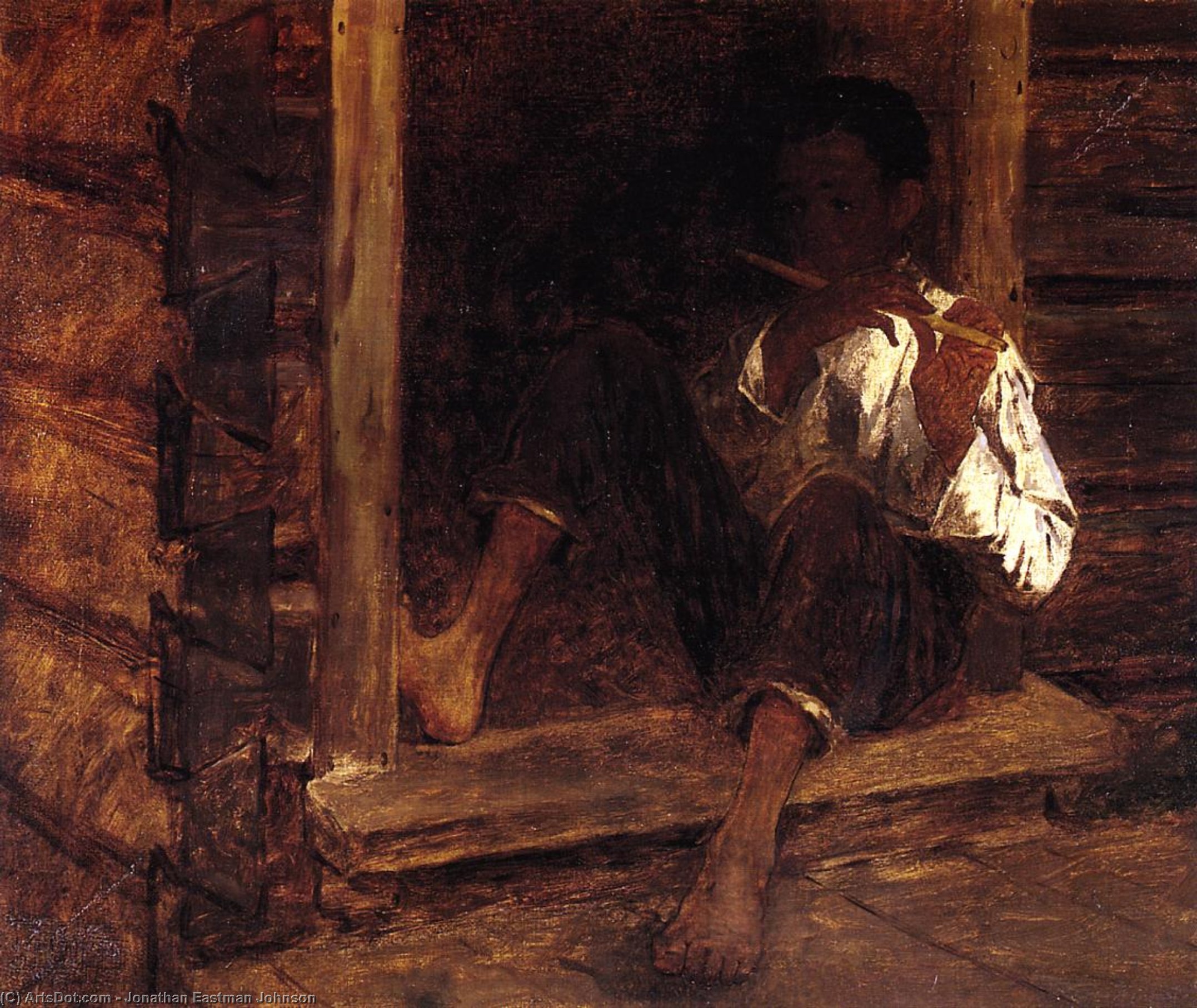
Negro Boy


 Ver mais
Adquira uma imagem digital de alta resolução e aprimorada, muito superior à prévia online.
Cada arquivo é meticulosamente preparado por nossos especialistas internos, utilizando ferramentas avançadas e retoques manuais de alta precisão. Garantimos que cada imagem apresente clareza excepcional, fidelidade de cores e detalhes minuciosos.
O arquivo final é entregue por e-mail em até 72 horas, otimizado para uso imediato em ambientes profissionais, editoriais e de impressão. Esta é a mesma qualidade utilizada por estúdios de design de alto nível, editoras e galerias.
Imagem Digital
Baixe um arquivo de alta resolução para exibição pessoal, impressão e projetos criativos. ( Ver impressão do pedido Alternar para pintura feita à mão)
Incluído em cada pedido de imagem digital
Entrega Digital Especializada e Garantida
Ao escolher o OriginalUniqueArt.com, você não está apenas adquirindo uma imagem — você está recebendo uma obra de arte digital profissionalmente aprimorada, elaborada com precisão e com garantia de satisfação. Aqui está tudo o que acompanha seu pedido, automaticamente:

Entrega rápida por e-mail
O seu arquivo de imagem digital em alta resolução será enviado por e-mail em até 72 horas após o pedido — pronto para uso imediato.

Arquivo Digital com IA Otimizado
Sua obra de arte é otimizada profissionalmente por meio de ferramentas avançadas de IA e edição manual, garantindo o máximo de detalhes, clareza e precisão de cores.

Reenvio gratuito vitalício
Apagou ou perdeu o seu ficheiro acidentalmente? Não se preocupe – nós reenviamos para si a qualquer momento, gratuitamente.

Sem Taxas de Importação - Sempre
Desfrute da sua obra de arte instantaneamente, sem taxas alfandegárias, impostos ou custos de entrega — downloads digitais são sempre isentos de taxas.

Garantia de Precisão de Cores
Garantimos que sua imagem digital reflita as cores originais com a maior fidelidade possível, utilizando ferramentas profissionais e gerenciamento de cores.

Garantia de Satisfação de 60 Dias
Se você não estiver satisfeito com sua imagem digital, nós a revisaremos ou reembolsaremos 100% dentro de 60 dias — sem perguntas.

Garantia de Reembolso 100%
Não está satisfeito? Receba o reembolso total em até 60 dias após o recebimento do seu arquivo digital — sem perguntas.

Descontos para pedidos em lote
Compre 3 imagens, economize 10% - Compre 5, economize 15% - Compre 10+, economize 20%. Ideal para projetos criativos, galerias e agências.
Descrição do Colecionável
Artist Background
Jonathan Eastman Johnson was an American artist known for his portraits and genre paintings. His work often featured everyday people and scenes, which gave insight into the lives of ordinary Americans during the 19th century. The "Negro Boy" painting is a prime example of Johnson's ability to capture the essence of his subjects.Painting Description
The painting depicts a young boy sitting on the ground in front of a cabin, playing with a pipe or flute. The boy's clothing and surroundings suggest a rural or rustic setting. The use of oil on canvas allows for a level of detail and texture that brings the scene to life. The painting is available for viewing on OriginalUniqueArt.com, where art enthusiasts can appreciate its beauty and significance.Similar Works
Other notable paintings that explore themes of everyday life and social commentary include "Jane Jackson, Formerly a Slave" by Elihu Vedder, available on OriginalUniqueArt.com. These works demonstrate the importance of art in capturing and conveying the human experience.For those interested in learning more about Jonathan Eastman Johnson and his work, OriginalUniqueArt.com provides a wealth of information and resources. The website also features a range of handmade oil painting reproductions, including works by Johnson and other notable artists.
- Oil on canvas paintings like "Negro Boy" are highly prized for their beauty and historical significance.
- The National Academy of Design is a renowned institution that showcases American art and artists.
- Sorø Kunstmuseum, Denmark is another notable museum that features an impressive collection of art.
The "Negro Boy" painting by Jonathan Eastman Johnson is a testament to the power of art to capture and convey the human experience. Through its beautiful execution and thought-provoking subject matter, this painting continues to inspire and educate audiences today.
Biografia do Artista
A Life Etched in American Realism
Jonathan Eastman Johnson, a name resonating with the quiet dignity of 19th-century American life, was more than just a painter; he was a visual chronicler of his era. Born in Lovell, Maine, in 1824, Johnson’s path to artistic prominence wasn't one of immediate acclaim but rather a gradual unfolding shaped by familial connections, rigorous training, and an unwavering dedication to portraying the world as he saw it – with honesty, nuance, and a touch of melancholic beauty. His father, Philip Carrigan Johnson, held positions in business and fraternal organizations, instilling in young Eastman a sense of community engagement that would later permeate his artistic subjects. Early exposure to life in Fryeburg and Augusta, Maine, provided the foundational experiences that informed his understanding of everyday existence, an understanding he’d translate onto canvas with remarkable sensitivity. His formal training began as an apprenticeship with a Boston lithographer in 1840, marking the initial step in a career defined by meticulous observation and technical skill. A move to Washington D.C. alongside his family, due to his father's naval appointment, broadened his horizons, exposing him to diverse subjects and experiences that would subtly influence his artistic vision.From Dutch Masters to American Scenes
Johnson’s artistic development was a fascinating interplay of influences. Initially drawn to portraiture, he quickly expanded his repertoire to encompass genre painting – scenes depicting everyday life. This wasn't merely about representation; it was about capturing the essence of American society, offering glimpses into the lives of ordinary people often overlooked by more grandiose historical narratives. A pivotal moment arrived during the 1850s when Johnson journeyed to The Hague and immersed himself in the works of 17th-century Dutch masters. This encounter proved transformative. He absorbed their mastery of composition, lighting, and realism, earning him the affectionate moniker “The American Rembrandt.” This influence is palpable in his paintings – a subdued palette, dramatic chiaroscuro, and an almost photographic attention to detail characterize his mature style. However, Johnson didn’t simply imitate; he synthesized these European techniques with his uniquely American sensibility, creating works that were both technically brilliant and deeply rooted in the social fabric of his time. He aligned himself with the burgeoning Realist movement, rejecting idealized representations in favor of accurate depictions of everyday life, a commitment that would define his artistic legacy.Bearing Witness to an Era
Johnson’s oeuvre is remarkably diverse, encompassing portraits of prominent figures like Abraham Lincoln, Nathaniel Hawthorne, Ralph Waldo Emerson, and Henry Wadsworth Longfellow alongside intimate scenes of domesticity and rural life. However, some works stand out as particularly significant for their social commentary and artistic innovation. Negro Life at the South (1859) remains one of his most celebrated – and controversial – paintings. Depicting African Americans enjoying leisure time, it sparked intense debate regarding race relations and the realities of slavery in the antebellum South. The ambiguity inherent in the scene—was it a romanticized portrayal or a subtle critique?—fueled discussions that resonated far beyond the art world. His response to the Civil War was equally poignant. Rather than focusing on battlefield heroics, Johnson turned his attention to the impact of conflict on civilian life, creating haunting images of anxious families and scenes away from the front lines. Ride For Liberty (1862), depicting an enslaved family escaping to freedom, is a powerful testament to his commitment to social justice. His depictions of New England rural life – maple sugar harvesting, cranberry picking – celebrated traditional American values and craftsmanship with a quiet reverence.A Legacy Beyond the Canvas
Beyond his artistic achievements, Johnson played a crucial role in shaping the American art landscape. His dedication to genre painting elevated it as a respected form of artistic expression, challenging prevailing notions of what constituted “high art.” He wasn’t merely an artist; he was a cultural advocate. His commitment extended beyond his own practice, culminating in his co-founding of the Metropolitan Museum of Art in New York City – a testament to his belief in the power of art to educate and inspire. His name is inscribed at its entrance, a permanent recognition of his significant contribution to the nation’s artistic heritage. Johnson's influence on American Realism is undeniable; his dedication to depicting everyday life with honesty and detail paved the way for future generations of artists who sought to capture the complexities of the human experience. Today, Jonathan Eastman Johnson is remembered not only as a technically gifted painter but also as a thoughtful observer of American society, whose works continue to resonate with their enduring relevance and emotional depth.Enduring Significance
Johnson’s legacy extends beyond specific paintings or institutional contributions. He was a pioneer in bridging the gap between European artistic traditions and uniquely American subject matter. His ability to imbue ordinary scenes with profound meaning, his willingness to engage with complex social issues, and his unwavering commitment to realism cemented his place as a pivotal figure in 19th-century American art. He wasn’t simply recording life; he was interpreting it, prompting viewers to reflect on their own values and beliefs. His work serves as a powerful reminder that true artistry lies not just in technical skill but also in the ability to connect with the human spirit and illuminate the world around us. He died in New York City in 1906, leaving behind a body of work that continues to captivate and inspire, ensuring his enduring recognition as a significant figure in American art history.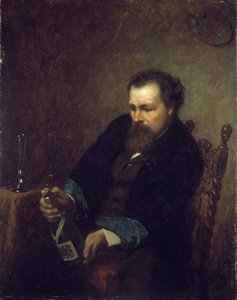
Jonathan Eastman Johnson
1824 - 1906 , Reino Unido
Informações Rápidas
- Artistic Movement Or Style: Realismo, Pintura de gênero
- Artists Or Movements Influenced By This Artist: ['Realismo Americano']
- Artists Who Influenced This Artist:
- Maestres Holandeses
- Millet
- Date Of Birth: 29 Jul 1824
- Date Of Death: 5 Abr 1906
- Full Name: Jonathan Eastman Johnson
- Nationality: Americano
- Notable Artworks:
- Negro Life
- Ride Liberty
- Place Of Birth: Lovell, Reino Unido

