
 Visualizar em escala
 Enviar
 Compartilhar
 Ver detalhes

 Baixar
 Semelhantes
 Raio X
 Apresentação de slides
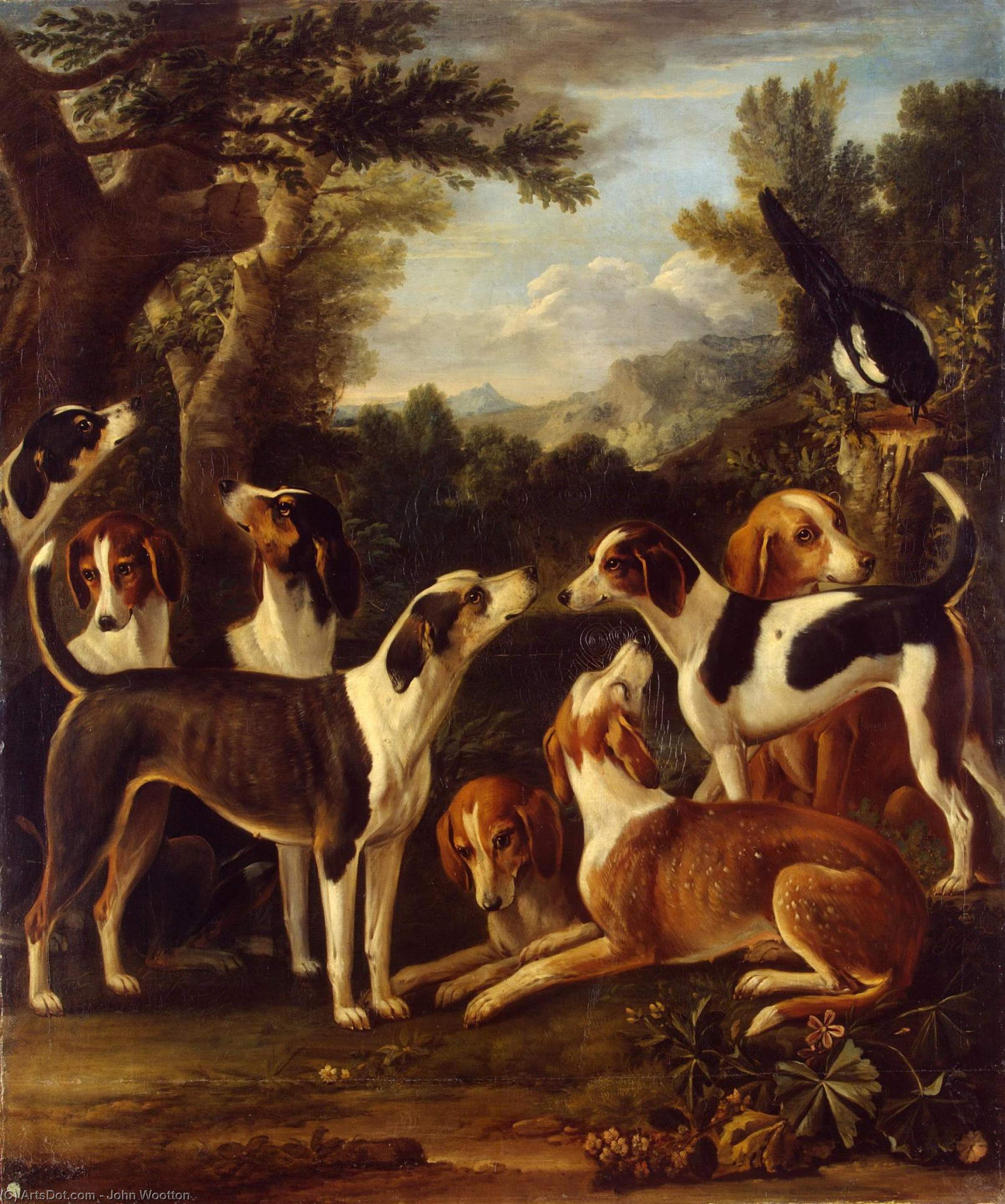
Hounds and a Magpie
 Oil On Canvas
- WallArt
- 18th Century Rococo
 1740
1740 152.0 x 128.0 cm
 Museu Hermitage
 Ver mais
Reprodução em Óleo Feita à Mão
Óleo sobre tela pintado à mão no seu tamanho e moldura, feito sob encomenda pelos nossos artistas. ( Encomendar impressão Comprar imagem em alta resolução)




P118B $10

P118H $10

P118W $10

P438Z $10

P508JH $12

P508YH $12

P805H $10

P805Z $10

P919BZ $10

P919G $10

P919XJ $10

P959ZH $10

P968JZ $12

W106C $8

W218G $10

W218JH $8

W218Y $10

W307PJ $10

W316G $10

W316PJ $8

W316Y $10

W398PJ $8

W4111J $10

W500HY $15

W500JH $15

W692G $12

W849H $8

W940BG $15

W953PJ $8




Escolha entre os nossos tamanhos pré-definidos que respeitam as proporções originais da obra de arte.

Pode inserir as suas próprias dimensões para se adequar a uma moldura ou espaço específico. Se o tamanho selecionado não corresponder às proporções da imagem original, iremos cortar a obra de arte ou estender a pintura com elementos adicionais pintados à mão. Um esboço digital será enviado para sua aprovação antes do início da produção.
Tenha em atenção que a pré-visualização no ecrã não reflete o corte ou extensão real. Apenas o esboço mostrará com precisão a composição final.
Embora tamanhos personalizados estejam disponíveis, recomendamos selecionar uma dimensão da lista predefinida para preservar as proporções originais.
Após o pedido, a equipa OriginalUniqueArt.com enviará um e-mail ao cliente para solicitar instruções e fornecer uma prévia do esboço.
Entrega mundial () em 3 a 4 semanas, em vez das 5 semanas padrão. (20 Agosto). Sem comprometer a qualidade.

Envio Expresso Gratuito para todo o Mundo

Tela de Linho Premium

Seguro de transporte total

Garantia de Reembolso de Impostos Alfandegários

Garantia de Fidelidade de Cor

Política de Devolução de 60 Dias (Apenas para Defeitos)

Garantia de reembolso de 100%

Desconto para múltiplas unidades
 A opção de vidro está disponível apenas para tamanhos inferiores a 110 cm

Hounds and a Magpie
Técnica de Reprodução
Dimensões da Reprodução
-


Preço Total
$ 300
Descrição da Obra
A Sporting Symphony: John Wootton’s “Hounds and a Magpie”
John Wootton's "Hounds and a Magpie," painted in 1740, is more than just a charming depiction of dogs; it’s a meticulously crafted window into the aristocratic world of 18th-century England. This vibrant scene, measuring 152 x 128 cm, captures a moment of lively interaction amongst a carefully arranged group of hounds and a solitary magpie, all set within a subtly rendered landscape. Wootton, a pivotal figure in British sporting art, masterfully blended the burgeoning trends of animal portraiture with elements of classical composition, establishing himself as a leading voice in his era.
Wootton’s artistic journey began under the tutelage of Jan Wyck, providing him with a solid foundation in draftsmanship. However, it was his association with the Beaufort family that truly shaped his career, immersing him in the world of equestrian pursuits and aristocratic patronage. This connection is powerfully evident in “Hounds and a Magpie,” where the dogs are presented not merely as animals but as symbols of status, skill, and the pursuit of excellence – qualities highly valued within the circles frequented by figures like George II.
The Art of Sporting Portraiture
Wootton’s style is characterized by an elegant realism that prioritized capturing the essence of his subjects. He eschewed overly dramatic poses or theatrical lighting, instead favoring a naturalistic approach that highlighted the animals' grace and movement. Note the careful attention to detail in each hound – the texture of their coats, the alert expressions in their eyes, and the subtle variations in posture all speak to Wootton’s keen observational skills. The composition itself is carefully balanced, drawing the eye through the scene with a clear sense of depth and perspective.
The use of light and shadow further enhances the painting's realism. Wootton employs soft, diffused lighting that illuminates the dogs while leaving the background in gentle obscurity. This technique creates a sense of atmosphere and allows the viewer to fully appreciate the details of each animal. The subtle gradations of tone contribute significantly to the overall feeling of depth and three-dimensionality within the canvas.
Symbolism and Context
The inclusion of the magpie, perched on a branch, adds an intriguing layer of symbolism to the painting. Magpies were traditionally associated with intelligence, cunning, and even prophecy in folklore. In this context, the bird’s presence could be interpreted as a subtle commentary on the skills and instincts required for successful hunting – qualities admired in both dogs and their handlers. The setting itself—a gently rolling landscape reminiscent of the English countryside—reinforces the connection to rural life and the aristocratic pursuit of sporting activities.
“Hounds and a Magpie” was created during a period of significant social and cultural change in England. The rise of the gentry as a powerful class, coupled with an increasing interest in hunting and equestrian pursuits, fueled the demand for sporting art. Wootton’s paintings catered directly to this market, providing wealthy patrons with elegant depictions of their beloved hounds and the activities they enjoyed.
A Legacy of Elegance
John Wootton's "Hounds and a Magpie" stands as a testament to his skill as an artist and his understanding of the cultural context in which he worked. It’s a captivating image that offers a glimpse into the world of 18th-century England, where hunting was not just a pastime but a symbol of status and refinement. Today, reproductions of this remarkable painting offer art lovers and collectors alike the opportunity to experience Wootton's artistry firsthand, bringing a touch of elegance and historical charm to any interior space.
Wootton’s influence extended beyond his own work; he is considered a key figure in shaping the aesthetics of sporting art for generations to come. His meticulous attention to detail, combined with his ability to capture the essence of his subjects, established him as one of the most celebrated artists of his time.
Biografia do Artista
A Pioneer of Sporting Art: The Life and Legacy of John Wootton
John Wootton, born around 1686 in the picturesque Warwickshire village of Snitterfield, near Stratford-upon-Avon, emerged as a pivotal figure in the burgeoning world of British sporting art. While the precise details of his early life remain somewhat shrouded in the mists of time – historical records offer only glimpses into his formative years – it’s believed he entered the service of the esteemed Beaufort family at a young age. This association likely instilled within him a profound appreciation for equestrian pursuits and provided an intimate understanding of the aristocratic circles that would profoundly shape his artistic career. Wootton's artistic journey truly began with formal training under Jan Wyck during the 1690s, a period where he diligently honed fundamental skills in draftsmanship and painting techniques – a solid foundation upon which he would later construct a remarkably successful and influential body of work. Even within these early years, Wootton demonstrated an innate talent for capturing the essence of horses, foreshadowing his future mastery of equine portraiture as evidenced by his earliest known piece, “Bonny Black” (1711).Establishing a Reputation in London’s Artistic Scene
By 1706, Wootton had firmly established himself within the vibrant artistic landscape of London. He swiftly gained recognition for his captivating depictions of horses, particularly those that frequented the prestigious racing scene at Newmarket – a hub of excitement and social activity. However, Wootton's artistry extended far beyond mere documentation; he possessed an extraordinary ability to capture not just the physical appearance of these magnificent animals but also their spirit, their power, and their unique individual character with an unprecedented level of detail and sensitivity. This specialized focus brought him into close contact with Britain’s elite – a patronage that included figures as prominent as George II and Frederick, Prince of Wales. Wootton actively engaged with the artistic community, becoming a subscribing member of the first English Academy of Painting and Drawing in 1711 and later serving as a steward of the Virtuosi Club of St Luke’s by 1717 – demonstrating his commitment to fostering intellectual discourse and collaboration amongst artists. Yet, Wootton's contribution transcended simply painting horses; he was a key figure in introducing what became known as the “ideal landscape” to British art – a stylistic approach that sought to emulate the classical landscapes of artists like Gaspard Dughet (also known as Gaspar van Wittel). By incorporating elements of classical composition and perspective into his paintings, Wootton offered a refreshing departure from the prevailing Dutch and Flemish styles that had previously dominated the British artistic scene.A Master of Light, Shadow, and Equestrian Detail
Wootton’s artistic style is characterized by an almost obsessive attention to detail, combined with a masterful understanding of light and shadow. He possessed an exceptional ability to observe and then idealize, creating works that were both aesthetically pleasing and remarkably realistic. His equine portraits are arguably his most celebrated achievement – paintings like “The Bloody-Shouldered Arabian” showcase not only technical skill but also a deep understanding of anatomy, musculature, and the subtle nuances of horse behavior. Wootton’s compositions often featured dynamic action poses, capturing the movement and energy of both horses and riders with breathtaking precision. Beyond individual horse portraits, Wootton excelled at depicting lively hunting scenes and equestrian activities – often incorporating "conversation pieces" that presented aristocratic figures engaged in leisure pursuits amidst picturesque landscapes. These works weren't merely records of events; they were carefully constructed narratives designed to capture the social dynamics and refined tastes of the British aristocracy. His landscapes, while sometimes overshadowed by his animal paintings, demonstrate a refined understanding of perspective, composition, and atmospheric effects – further solidifying his position as a versatile and innovative artist.Major Works and Lasting Influence
Throughout his career, Wootton produced an impressive body of work that continues to be admired for its technical brilliance and artistic merit. Notable examples include “Bonny Black” (1711), a remarkably detailed portrait of a young mare; “The Bloody-Shouldered Arabian” (c. 1720), a dynamic depiction of a racehorse in full stride; and numerous hunting scenes that capture the excitement and camaraderie of the British sporting tradition. His influence on subsequent generations of British artists is undeniable, particularly Thomas Gainsborough, who frequently studied Wootton’s work and incorporated elements of his style into his own paintings. Wootton's introduction of the ideal landscape style had a lasting impact on British painting, influencing artists to embrace a more classical approach to composition and perspective. He bridged the gap between earlier traditions and the emerging styles that would define 18th-century British art.A Legacy Preserved in Collections Worldwide
Today, John Wootton’s works are held in prestigious collections around the world – including the Tate Gallery (London), the Virginia Museum of Fine Arts (Richmond), and the Yale Center for British Art. His paintings serve as a testament to his extraordinary talent and enduring legacy as one of the most important figures in the history of British sporting art. He stands as a reminder of the power of observation, innovation, and the timeless appeal of capturing the beauty and dynamism of both the natural world and the aristocratic pursuits that defined his era.
John Wootton
1682 - 1764 , Reino Unido
Informações Rápidas
- Artistic Movement Or Style: Sporting art, Landscape
- Artists Or Movements Influenced By This Artist: ['Thomas Gainsborough']
- Artists Who Influenced This Artist:
- Jan Wyck
- Gaspard Dughet
- Date Of Birth: c. 1682
- Date Of Death: 1764
- Full Name: John Wootton
- Nationality: British
- Notable Artworks:
- Bonny Black
- Before the hunt
- The Bloody-Shouldered Arabian
- Place Of Birth: Snitterfield, UK
Artigos Relacionados

John Singer Sargent: As 25 Obras-Primas que Definem um Ícone da Arte
Descubra as 25 obras-primas de John Singer Sargent, o mestre do retrato e do impressionismo americano. Explore a história, técnica e beleza atemporal de seus quadros mais famosos. Encontre reproduções de arte exclusivas para decorar sua casa com elegância em OriginalUniqueArt.com.

John Constable: As 25 Obras-Primas que Definem o Mestre da Paisagem Inglesa | OriginalUniqueArt
Descubra as 25 obras-primas de John Constable, o mestre da paisagem inglesa! Explore a arte romântica, cores vibrantes e histórias fascinantes por trás de 'Hay Wain' e outras pinturas icônicas. Encontre reproduções de alta qualidade para decorar sua casa com OriginalUniqueArt.com.
Sr. John E. Ferneley: Equestrian Portraiture & England's Social Fabric
Explore the captivating world of Sr. John E. Ferneley, a master of British sporting art. Discover his exquisite equestrian paintings & insights into 19th-century society. Invest in timeless masterpieces with OriginalUniqueArt.
John Frederick Herring Sr.: Equestrian Mastery & the Rise of Sporting Art in Victorian England
Explore the life & work of John Frederick Herring Sr., a leading Victorian equestrian artist. Discover his masterpieces, patronage, techniques & investment potential. Expert insights for collectors.
The Pursuit of Power & Prestige: Hunting Scenes in Western Art
Explore the rich history of hunting scenes in Western art, from royal pursuits to powerful allegories. Discover masterpieces & expert insights for discerning collectors. OriginalUniqueArt offers museum-quality reproductions.


