Visualizar em escala
 Enviar
 Compartilhar
 Ver detalhes
 Guia de Obras do Aluno

 Baixar imagem
 Semelhantes
 Raio X
 Apresentação de slides
 Estatísticas
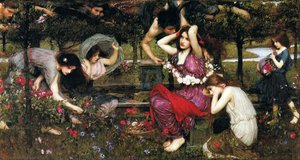
Ophelia
 Oil On Canvas
- WallArt
- Pre-Raphaelite Romanticism
 1910
1910- 19th Century
 62.0 x 100.0 cm
 Ver mais
Giclée / Impressão de Arte
Impressão giclée ou em tela de qualidade de museu, com produção rápida e opções flexíveis de acabamento. ( Encomendar reprodução pintada à mão Ver Imagem Digital)




P118B €10

P118H €10

P118W €10

P438Z €10

P508JH €12

P508YH €12

P805H €10

P805Z €10

P919BZ €10

P919G €10

P919XJ €10

P959ZH €10

P968JZ €12

W106C €8

W218G €10

W218JH €8

W218Y €10

W307PJ €10

W316G €10

W316PJ €8

W316Y €10

W398PJ €8

W4111J €10

W500HY €15

W500JH €15

W692G €12

W849H €8

W940BG €15

W953PJ €8




Escolha entre os nossos tamanhos pré-definidos que respeitam as proporções originais da obra de arte.

Digite a largura e a altura de que necessita, para se ajustar à sua moldura ou à sua parede. Uma impressão só pode ser cortada, nunca ampliada além da imagem original, pelo que um tamanho com uma proporção diferente perderá parte da imagem. Enviamos-lhe uma maquete digital para aprovação antes de imprimirmos qualquer coisa. A imagem apresentada nesta página não mostra o corte real — apenas a maquete o faz.
Entrega mundial () em 2 semanas, em vez das 4/5 semanas padrão. (23 Outubro)

Envio expresso gratuito para todo o mundo

Tela de Linho Premium

Seguro de transporte total

Garantia de Reembolso de Impostos Alfandegários

Garantia de Fidelidade de Cor

Política de Devolução em 100 Dias (Apenas para Defeitos)

Garantia de reembolso de 100%

Desconto para múltiplas unidades
 A opção de vidro está disponível apenas para tamanhos inferiores a 110 cm

Ophelia
Giclée / Impressão de Arte
Dimensões da Reprodução
-


Preço Total
€ 70
A Descent into Serenity: John William Waterhouse’s ‘Ophelia’
John William Waterhouse's “Ophelia,” completed in 1910, is more than just a portrait; it’s an immersion into the melancholic beauty of Shakespeare’s tragedy. This oil on canvas, measuring 62 x 100 cm, exemplifies the Romantic movement’s fascination with emotion, nature, and the ethereal qualities of female beauty – a fascination deeply rooted in the artistic currents of the Victorian era.
- The Subject: The painting depicts Ophelia, the doomed heroine from Hamlet, frozen in a moment of poignant vulnerability. Waterhouse doesn’t portray her as a victim of circumstance but rather as a figure of quiet dignity and tragic grace, embodying the inherent sadness within Shakespeare's narrative.
- Romanticism Redefined: Created during a period of intense artistic revival, “Ophelia” reflects the Pre-Raphaelite movement’s emphasis on meticulous detail, vibrant color palettes, and a return to medieval and Renaissance aesthetics – a deliberate rejection of the perceived artificiality of Neoclassical art.
A Symphony of Color and Texture
Waterhouse's masterful technique is immediately apparent in “Ophelia.” He employs a rich tapestry of blues and greens, evoking the tranquil waters of the Elbe River where Ophelia drowns – a scene meticulously rendered with an almost photographic realism. The use of light is particularly striking, bathing Ophelia’s form in a soft, diffused glow that enhances her ethereal quality. Note the intricate detailing of her flowing gown, the delicate texture of the flowers adorning her hair, and the subtle variations in color within each petal. This attention to detail speaks to Waterhouse's commitment to capturing not just a likeness but also the very essence of his subject.
Symbolism Woven into the Canvas
Beyond its aesthetic beauty, “Ophelia” is laden with symbolic meaning. The flowers woven into her hair – specifically violets (representing faithfulness), forget-me-nots (symbolizing remembrance), and roses (signifying love) – are not merely decorative elements; they are potent visual metaphors for Ophelia’s tragic fate. Her pose, languid yet vulnerable, suggests a surrender to the inevitable, while the surrounding landscape mirrors her internal turmoil. The inclusion of figures in the background, though secondary, adds another layer of complexity, hinting at the broader themes of loss and despair that permeate Shakespeare's play.
A Legacy of Romantic Vision
"Ophelia" stands as a testament to John William Waterhouse’s enduring artistic vision. Completed in 1910, this painting continues to resonate with viewers today due to its profound emotional depth and technical brilliance. It is a captivating exploration of beauty, sorrow, and the human condition – a timeless masterpiece that exemplifies the Romantic movement's most poignant achievements. This reproduction offers an exceptional opportunity to own a piece of art history, bringing the serene tragedy of Ophelia into your space.
Perguntas e Respostas
Por que o status de direitos autorais de "Ophelia" é como é?
"Ophelia" de John William Waterhouse está em em domínio público - seus direitos autorais expiraram. O período de direitos autorais conta a partir do falecimento do artista, ocorrido em 1917.
Em que fase da carreira de John William Waterhouse se situa "Ophelia", considerando a sua data?
A data de 1910 situa "Ophelia" no Mature Period do desenvolvimento de John William Waterhouse.
Qual tamanho de impressão de "Ophelia" de John William Waterhouse se adequa ao ambiente recomendado?
Em um(a) Living Room, sugere-se que "Ophelia" seja impresso no tamanho Large.
Biografia do Artista
A Roman Beginning: The Early Life and Influences of John William Waterhouse
John William Waterhouse, um nome sinônimo da beleza romântica do movimento Pre-Rafaelita, iniciou sua jornada artística longe das paisagens nebulosas frequentemente associadas a ele. Nascido em Roma em 1849 para pais ingleses, seus primeiros anos foram imersos na beleza clássica da Itália – um ambiente que moldaria profundamente suas sensibilidades estéticas. Este período formativo inculcou nele uma profunda apreciação pela arte romana antiga e mitologia, temas que se repetiram ao longo de sua prolífica carreira. A família Waterhouse retornou à Inglaterra em 1854, estabelecendo-se em South Kensington, Londres, um local estrategicamente escolhido por sua proximidade com o crescente Museu V&A. Lá, John foi exposto a uma coleção incomparável de esculturas clássicas e artes decorativas, nutrindo ainda mais sua fascinação pela antiguidade. Seu treinamento inicial foi convencional, abrangendo estudos nas Escolas da Academia Real, onde refinou suas habilidades técnicas em desenho e pintura, mas foi o ambiente de curiosidade intelectual e inovação artística que realmente acendeu sua paixão. Até mesmo as primeiras obras revelam uma atenção meticulosa aos detalhes e um compromisso com a precisão histórica, qualidades que se tornariam marcas registradas de seu estilo.Embracing the Pre-Raphaelite Brotherhood
Embora o trabalho inicial de Waterhouse exibisse tendências clássicas lembrando artistas como Alma-Tadema e Frederic Leighton, ele gradualmente se inclinou aos ideais da Irmandade Pré-Rafaelita. Este coletivo artístico, fundado em 1848, defendia um retorno à observação detalhada da natureza e às cores vibrantes encontradas na arte renascentista italiana primitiva – antes do que eles consideravam a declínio estilístico iniciado por Rafael. Waterhouse não se juntou à irmandade em si, mas abraçou seus princípios, infundindo suas pinturas com uma beleza lírica e profundidade emocional que ressoaram profundamente com o público. Sua pintura de 1874, *Sleep and His Half-Brother Death*, exibida na Academia Real, marcou um ponto de virada, demonstrando seu crescente domínio da narrativa simbólica e dos efeitos atmosféricos. Este sucesso abriu caminho para a inclusão consistente em exposições anuais, estabelecendo-o como uma estrela ascendente no cenário artístico londrino. Ele não estava simplesmente replicando técnicas Pre-Rafaelitas; ele estava interpretando-as através de seu próprio olhar único, combinando precisão clássica com sensibilidade romântica.Mythological Visions and Arthurian Echoes
As obras mais celebradas de Waterhouse são aquelas que se inspiram na mitologia e na lenda Arturiana. Ele possuía uma notável capacidade de dar vida a contos antigos, retratando deusas, ninfas e heroínas trágicas com uma mistura exquisita de beleza e pathos. *A Lady of Shalott*, talvez sua pintura mais icônica, existe em três versões (1888, 1894 e 1916), cada uma um testemunho de seu fascínio duradouro pelo poema de Tennyson. A imagem da heroína condenada, flutuando em sua barca no rio, tornou-se emblemática do romantismo Victoriano e do destino da artista isolada. Da mesma forma, suas representações de Ofélia, capturando o momento antes de sua trágica queda, estão imbuídas de uma melancolia assombrosa. Ele não simplesmente ilustrava essas histórias; ele explorava suas profundezas psicológicas, focando nos estados emocionais de seus personagens. *Hylas and the Nymphs*, *Ariadne* e *Penelope and the Suitors* são exemplos adicionais de sua capacidade de transformar narrativas clássicas em obras de arte visualmente deslumbrantes e emocionalmente ressonantes. Suas pinturas não eram apenas belas; elas estavam imbuídas de um senso de poder narrativo, convidando os espectadores a contemplar as complexidades da experiência humana.Development and Style
Waterhouse’s artistic style evolved significantly over his career. Initially influenced by the academic tradition of artists like Alma-Tadema, he gradually embraced the Pre-Raphaelite Brotherhood's emphasis on detailed observation, vibrant color palettes, and literary themes. His early works often depicted scenes from classical mythology and literature, showcasing a meticulous attention to detail and a strong sense of composition. However, as he matured, his style became more expressive and emotionally charged, reflecting his growing interest in the psychological complexities of his subjects. He developed a distinctive technique characterized by soft brushstrokes, luminous colors, and a focus on capturing fleeting moments of beauty and emotion. Waterhouse’s paintings are known for their atmospheric effects, particularly his masterful use of light and shadow to create mood and drama.Legacy and Lasting Influence
John William Waterhouse continuou a pintar prolissamente até sua morte em 1917, alcançando reconhecimento e aclamação generalizados durante sua vida. Ele foi eleito acadêmico pleno em 1895 e dedicou tempo ao ensino na Escola de Artes de St. John’s Wood, nutrindo a próxima geração de artistas. Embora sua popularidade tenha diminuído um pouco após a Primeira Guerra Mundial, houve um ressurgimento significativo de interesse por seu trabalho nas últimas décadas. Hoje, Waterhouse é celebrado como uma das figuras mais importantes do movimento Pre-Rafaelita e um mestre da pintura Victoriana. Suas pinturas continuam a cativar o público com sua beleza exquisita, profundidade emocional e apelo atemporal. Ele deixou para trás um legado de visões românticas, interpretações mitológicas e heroínas trágicas que continuam a inspirar artistas e amantes da arte. O poder duradouro de seu trabalho reside em sua capacidade de transportar os espectadores para outro mundo – um reino de mito, lenda e emoção humana profunda.
John William Waterhouse
1849 - 1917 , Itália
Informações Rápidas
- Artistic Movement Or Style: Pré-rafaelita, Victoriano
- Artists Or Movements Influenced By This Artist: ['Impressionismo']
- Artists Who Influenced This Artist:
- Alma-Tadema
- Leighton
- Date Of Birth: 1849
- Date Of Death: 1917
- Full Name: John William Waterhouse
- Nationality: Inglês
- Notable Artworks:
- Lady Shalott
- Ophelia
- Hylas Ninfas
- Place Of Birth: Roma, Itália
Artigos Relacionados

Pre-Raphaelite Romanticism: A Guide to Vivid Detail and Medieval Beauty in Victorian Art
Explore the vivid detail and medieval beauty of Pre-Raphaelite Romanticism. Discover the history of masters like Rossetti and Millais through our expert guide to Victorian art, perfect for collectors and professionals seeking authentic, museum-quality reproductions.

John William Waterhouse: Pre-Raphaelite Mythmaker & Poetic Depictions of Female Identity
Explore the captivating world of John William Waterhouse, a master of Pre-Raphaelite painting. Discover his iconic depictions of mythology and female identity in this expert guide.

Dante Gabriel Rossetti: As 25 Obras-Primas do Mestre Pré-Rafaelita | OriginalUniqueArt
Descubra as 25 obras-primas de Dante Gabriel Rossetti, o mestre pré-rafaelita! Explore a beleza, simbolismo e paixão em pinturas icônicas como 'Proserpina' e 'Beata Beatrix'. Encontre reproduções de arte exclusivas para transformar sua casa com OriginalUniqueArt.com.

Giclée Prints: Archival Quality & Aesthetic Nuances for the Discerning Collector
Explore the world of giclée prints with OriginalUniqueArt. Learn about archival quality, aesthetic nuances & investment potential. Expert guidance for discerning art collectors seeking museum-quality reproductions and lasting value.
The Pre-Raphaelite Brotherhood: Reclaiming Beauty, Nature, and Truth in Victorian Art History
Explore the revolutionary Pre-Raphaelite Brotherhood. Discover how these visionary artists rejected academic tradition to reclaim beauty, nature, and truth through luminous detail and literary depth in Victorian art history.