

 Visualizar em escala
 Enviar
 Compartilhar
 Ver detalhes
 Guia de Obras do Aluno

 Baixar imagem
 Semelhantes
 Raio X
 Apresentação de slides
 Estatísticas
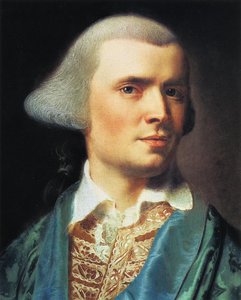
John Quincy Adams
 Oil On Canvas
- WallArt
- Neo-Classicism
 1796
1796 76.0 x 63.0 cm
 Museu de Belas Artes, Boston
 Ver mais
Giclée / Impressão de Arte
Impressão giclée ou em tela de qualidade de museu, com produção rápida e opções flexíveis de acabamento. ( Encomendar reprodução pintada à mão Ver Imagem Digital)




P118B €10

P118H €10

P118W €10

P438Z €10

P508JH €12

P508YH €12

P805H €10

P805Z €10

P919BZ €10

P919G €10

P919XJ €10

P959ZH €10

P968JZ €12

W106C €8

W218G €10

W218JH €8

W218Y €10

W307PJ €10

W316G €10

W316PJ €8

W316Y €10

W398PJ €8

W4111J €10

W500HY €15

W500JH €15

W692G €12

W849H €8

W940BG €15

W953PJ €8




Escolha entre os nossos tamanhos pré-definidos que respeitam as proporções originais da obra de arte.

Digite a largura e a altura de que necessita, para se ajustar à sua moldura ou à sua parede. Uma impressão só pode ser cortada, nunca ampliada além da imagem original, pelo que um tamanho com uma proporção diferente perderá parte da imagem. Enviamos-lhe uma maquete digital para aprovação antes de imprimirmos qualquer coisa. A imagem apresentada nesta página não mostra o corte real — apenas a maquete o faz.
Entrega mundial () em 2 semanas, em vez das 4/5 semanas padrão. (21 Outubro)

Envio expresso gratuito para todo o mundo

Tela de Linho Premium

Seguro de transporte total

Garantia de Reembolso de Impostos Alfandegários

Garantia de Fidelidade de Cor

Política de Devolução em 100 Dias (Apenas para Defeitos)

Garantia de reembolso de 100%

Desconto para múltiplas unidades
 A opção de vidro está disponível apenas para tamanhos inferiores a 110 cm

John Quincy Adams
Giclée / Impressão de Arte
Dimensões da Reprodução
-


Preço Total
€ 70
A Portrait of Power and Grace: John Quincy Adams by John Singleton Copley
John Singleton Copley’s 1796 portrait of John Quincy Adams is more than just a likeness; it's a carefully constructed embodiment of the burgeoning American identity. This masterful work, now housed in the Museum of Fine Arts, Boston, transcends mere representation, offering a glimpse into the character and aspirations of one of the nation’s most influential figures. Copley, a pivotal figure bridging the gap between Anglo-American artistic traditions and a distinctly new national style, delivers here a study in Neo-Classicism – an art that sought to emulate the grandeur and order of ancient Greece and Rome while simultaneously reflecting the ideals of the Enlightenment.
The painting immediately commands attention with its formal composition. Adams is presented within a subtly oval frame, a device frequently employed during this period to convey dignity and importance. His posture is rigidly upright, his gaze direct and unwavering – an assertion of authority and intellectual strength. The backdrop, a carefully rendered red curtain, isn’t merely decorative; it suggests the stage upon which Adams's political career would unfold, hinting at the drama and responsibility inherent in his role as President. The muted greens and browns of the landscape beyond, though simplified, evoke a sense of vastness and potential, subtly mirroring the expansive ambitions of the young nation.
Decoding the Details: Style, Technique, and Materials
Copley’s skill is evident in every meticulously rendered detail. The painting exemplifies his Neo-Classical approach – characterized by an emphasis on precise observation, balanced composition, and a polished surface finish. The artist's attention to texture is particularly noteworthy; the smooth sheen of Adams’s jacket contrasts sharply with the softer, more voluminous rendering of his hair, creating visual interest and depth. The use of oil paint allows for subtle gradations in tone, capturing the play of light on fabric and skin with remarkable realism. Brushstrokes are generally blended and refined, contributing to a sense of controlled elegance – a hallmark of Copley’s style.
The wig, a common feature of portraits from this era, is not simply an accessory but a symbol of Adams's status as a learned man and a respected figure in the political landscape. The careful detailing of its curls and folds speaks to Copley’s dedication to accuracy and his ability to capture the nuances of human form. The choice of dark clothing – blacks and browns – further reinforces this sense of gravitas, while lighter shades on the shirt and cravat provide subtle highlights that draw the eye to Adams's face.
A Portrait of Character: Symbolism and Historical Context
Beyond its technical brilliance, the portrait is rich in symbolic meaning. The formal pose, the dignified attire, and the direct gaze all contribute to a sense of authority and self-assurance – qualities essential for a leader navigating the complexities of early American politics. The landscape background, though simplified, can be interpreted as representing the vastness of the nation’s potential and the challenges that lay ahead. Adams's presence within this frame suggests his role as a guardian of those ideals.
Considering the historical context is crucial to fully appreciating this work. Copley painted Adams during a period of significant political transition – following the American Revolution and the establishment of the United States government. Adams, as the sixth President, represented a continuation of the nation’s commitment to republican principles and a cautious approach to foreign policy. The portrait, therefore, serves not only as an individual likeness but also as a visual embodiment of the hopes and aspirations of a young republic.
Bringing John Quincy Adams Home: Reproduction Options
OriginalUniqueArt offers meticulously crafted hand-painted reproductions of John Singleton Copley’s “John Quincy Adams,” allowing you to bring this iconic portrait into your home or office. Our skilled artists replicate the painting's nuanced details, color palette, and textural qualities with exceptional accuracy. Whether you choose a large-scale canvas for a statement piece or a smaller print for a subtle accent, our reproductions provide an authentic representation of Copley’s masterpiece – a timeless testament to American history and artistic excellence.
Perguntas e Respostas
Onde "John Quincy Adams" de John Singleton Copley está em exibição hoje?
Você pode ver a obra original "John Quincy Adams" no Museu de Belas Artes, Boston, Boston, Estados Unidos da América.
A que período da carreira de John Singleton Copley pertence "John Quincy Adams"?
Dentro da carreira de John Singleton Copley, "John Quincy Adams" pertence ao período Late Period. Esta fase ajuda a compará-la com outras obras do artista.
Quanta luz as cores de "John Quincy Adams" parecem refletir?
A luminância registrada para "John Quincy Adams" de John Singleton Copley é Soft Shadow.
Biografia do Artista
A Pioneer Bridging Worlds: The Life and Art of John Singleton Copley
John Singleton Copley, born in Boston in 1738, occupies a unique and pivotal position in the history of American art. He wasn’t merely a painter; he was a cultural bridge, forging a distinctly Anglo-American aesthetic during a period of immense political and social upheaval. His story is one of self-taught brilliance, relentless ambition, and an uncanny ability to capture not just likenesses, but the very essence of his subjects within the context of their time. Copley’s early life was steeped in the bustling maritime world of colonial Boston, a city brimming with merchants, shipbuilders, and burgeoning wealth. His father, Richard Copley, though absent shortly after John's birth, was a tobacco merchant, while his mother, Mary Singleton Copley, ran a shop on Long Wharf. This environment instilled in young John an acute awareness of the material world – the textures of fabrics, the gleam of silver, the subtle nuances of social standing – all elements that would later define his artistic style. His stepfather, Peter Pelham, an engraver and limner (an artist who created portraits on vellum or parchment), provided some initial guidance, but Copley’s talent was largely self-cultivated through diligent study and practice. He devoured any available engravings, meticulously copying them to master technique, and quickly surpassed his stepfather's abilities.The Rise of a Colonial Portraitist
By the 1760s, Copley had established himself as Boston’s premier portraitist, catering to the city’s elite. His success wasn’t simply due to technical skill; it was his ability to imbue his portraits with a psychological depth rarely seen in colonial American art. He moved beyond mere representation, striving to capture the character and social standing of his sitters. This involved meticulous attention to detail – the precise rendering of fabrics, jewelry, and furnishings – but also a keen understanding of posture, expression, and gesture. Copley’s portraits weren't just images; they were statements about wealth, power, and social aspiration. He skillfully incorporated symbolic objects into his compositions, subtly hinting at his subjects’ professions or interests. A merchant might be depicted with imported goods in the background, a lawyer with legal texts, or a naval officer with nautical instruments. This attention to detail and symbolism elevated his work beyond simple portraiture, transforming it into a form of social commentary. His portraits of prominent figures like *Mrs. Ezekiel Gondthwait (Elizabeth Lewis)* exemplify this approach – the elegant pose, luxurious fabrics, and subtle details all convey a sense of refinement and status.Ambition and the Call of Europe
Despite his success in Boston, Copley harbored ambitions that extended beyond the colonial art world. He yearned for recognition from the established artistic circles of London and Rome, and sought to test his skills against the masters of European painting. In 1766, he sent his *Boy with a Flying Squirrel* to the Society of Artists in London, where it received considerable praise from Joshua Reynolds and Benjamin West – two leading figures in the British art scene. This encouragement fueled Copley’s desire for further training and exposure. However, family obligations and a thriving practice kept him rooted in Boston for another decade. Finally, in 1774, with his wife Susanna Farnsworth Clarke and their children, he embarked on a journey to Europe, intending to study the Old Masters and establish himself as a historical painter. The outbreak of the American Revolution shortly after his arrival complicated matters, forcing Copley to navigate a politically charged environment while pursuing his artistic goals.Historical Narratives and Lasting Legacy
In London, Copley found both opportunities and challenges. He continued to paint portraits, securing commissions from prominent British figures, but he also turned his attention to historical painting – a genre considered more prestigious than portraiture at the time. His most ambitious work in this vein was *The Death of Major Peirson*, depicting a scene from the Battle of Jersey during the American Revolutionary War. While technically impressive, it received mixed reviews, with some critics questioning its composition and dramatic impact. Copley’s later historical paintings, such as *The Colapse of the Earl of Chatham in the House of Lords*, were more successful, demonstrating his ability to capture complex emotions and dramatic moments. Though he never fully achieved the level of acclaim he sought in Europe, John Singleton Copley left an indelible mark on both American and British art history. He pioneered a uniquely Anglo-American style, blending European techniques with a distinctly colonial sensibility. His portraits remain invaluable historical documents, offering glimpses into the lives and values of a bygone era. He is remembered not only for his artistic skill but also for his role in shaping a national identity through his art. He died in London in 1815, leaving behind a legacy that continues to inspire artists and captivate audiences today.Influences and Artistic Development
- Early Influences: Copley’s early artistic development was heavily influenced by the engravings he meticulously copied, particularly those of European masters like Rembrandt van Rijn and Antoine Watteau.
- Peter Pelham's Guidance: His stepfather, Peter Pelham, provided initial training in portraiture and engraving techniques, laying the foundation for his future success.
- Joshua Reynolds & Benjamin West: The encouragement and feedback from these prominent British artists during Copley’s early submissions to London exhibitions were crucial in shaping his ambitions and artistic direction.
- Rococo Style: Copley initially embraced the Rococo style, evident in his use of delicate colors, graceful poses, and ornate details. However, he gradually moved towards a more realistic and restrained approach.
- Historical Painting Inspiration: His exposure to historical paintings by artists like Benjamin West inspired him to explore this genre, though he often struggled to fully reconcile it with his natural talent for portraiture.
John Singleton Copley
1738 - 1815 , Reino Unido
Informações Rápidas
- Artistic Movement Or Style: Retrato, Realismo
- Artists Or Movements Influenced By This Artist: ['Artistas modernos']
- Artists Who Influenced This Artist:
- Rembrandt
- Watteau
- Date Of Birth: 1738
- Date Of Death: 1815
- Full Name: John Singleton Copley
- Nationality: Anglo-American
- Notable Artworks:
- Mestre da Tartaruga
- Watson e o Tubarão
- Place Of Birth: Boston, Reino Unido
Artigos Relacionados
Os 10 Grandes Mestres do Neoclassicismo: Arte, História e Decoração
Descubra os 10 maiores mestres do Neoclassicismo! Explore a história, técnica e beleza de obras icônicas de David, Ingres e Canova. Encontre reproduções de arte neoclássica para decorar sua casa com elegância em OriginalUniqueArt.com.

John Ottis Adams: Capturing Rural Indiana's Luminist Spirit
Explore the serene landscapes of John Ottis Adams, a key American Impressionist of the Hoosier Group. Discover his Luminist style & forgotten legacy with OriginalUniqueArt.

John Constable: As 25 Obras-Primas que Definem o Mestre da Paisagem Inglesa | OriginalUniqueArt
Descubra as 25 obras-primas de John Constable, o mestre da paisagem inglesa! Explore a arte romântica, cores vibrantes e histórias fascinantes por trás de 'Hay Wain' e outras pinturas icônicas. Encontre reproduções de alta qualidade para decorar sua casa com OriginalUniqueArt.com.

John Singer Sargent: As 25 Obras-Primas que Definem um Ícone da Arte
Descubra as 25 obras-primas de John Singer Sargent, o mestre do retrato e do impressionismo americano. Explore a história, técnica e beleza atemporal de seus quadros mais famosos. Encontre reproduções de arte exclusivas para decorar sua casa com elegância em OriginalUniqueArt.com.

Neo-Classicism Reimagined: The Bold Return of Order, Power, and Timeless Aesthetic Authority
Explore the resurgence of Neo-Classicism. Discover how the bold return of order, symmetry, and mythic power is redefining modern luxury interiors through museum-quality, hand-painted reproductions and bespoke classical commissions for the discerning art collector.


