

 Visualizar na parede
 Compartilhar
 Compartilhar
 Detalhes

 Baixar imagem
 Semelhantes
 Raio X
 Slideshow
Study for Madame X
 Graphite Pencil
- WallArt
- Realism
 1883
1883- 19th Century
 32.0 x 23.0 cm
 Ler mais
Giclée / Impressão de Arte
Impressão giclée ou em tela de qualidade de museu, com produção rápida e opções flexíveis de acabamento. ( Comprar pintura feita à mão Comprar imagem)




P118B $10

P118H $10

P118W $10

P438Z $10

P508JH $12

P508YH $12

P805H $10

P805Z $10

P919BZ $10

P919G $10

P919XJ $10

P959ZH $10

P968JZ $12

W106C $8

W218G $10

W218JH $8

W218Y $10

W307PJ $10

W316G $10

W316PJ $8

W316Y $10

W398PJ $8

W4111J $10

W500HY $15

W500JH $15

W692G $12

W849H $8

W940BG $15

W953PJ $8




Escolha entre os nossos tamanhos pré-definidos que respeitam as proporções originais da obra de arte.

Você pode inserir suas próprias dimensões para se ajustar a uma moldura ou espaço específico. Se o tamanho selecionado não corresponder às proporções da imagem original, iremos recortar a obra de arte ou estender a imagem com uma borda espelhada ou preenchimento sólido. Um mockup digital será enviado para sua aprovação antes do início da produção.
Por favor, observe que a visualização na tela não reflete o recorte ou a extensão real. Apenas o mockup mostrará com precisão a composição final.
Embora tamanhos personalizados estejam disponíveis, recomendamos selecionar uma dimensão da lista predefinida para preservar as proporções originais.
Entrega mundial () em 2 semanas, em vez das 4/5 semanas padrão. (5 Setembro)

Envio expresso gratuito para todo o mundo

Tela de Linho de Alta Qualidade

Seguro de transporte completo

Garantia de Reembolso de Impostos Alfandegários

Garantia de Fidelidade Cromática

Política de Devolução em 60 Dias (Apenas para Defeitos)

Garantia de reembolso de 100%

Oferta de desconto por quantidade
 A opção de vidro está disponível apenas para tamanhos inferiores a 110 cm

Study for Madame X
Giclée / Impressão de Arte
Tamanho da Reprodução
-


Preço Total
$ 80
A Study in Serenity: Unveiling Sargent’s Preparatory Sketch for “Madame X”
The charcoal whispers of a bygone era, offering a rare glimpse into the creative process of John Singer Sargent – a master of capturing fleeting moments and aristocratic grace. This meticulously rendered study, executed in 1883, is far more than just a preparatory sketch; it’s a profound meditation on form, light, and the very essence of portraiture. Measuring a modest 32 x 23 cm, this piece reveals Sargent's deliberate approach to his most celebrated works, particularly “Madame X,” a painting that ignited controversy and cemented his reputation as a leading figure in late 19th-century art.
- A Moment Frozen in Time: The drawing’s focus is intensely intimate – the profile of a woman's head, captured with an almost unnerving stillness. Her closed eyes invite speculation; are they lost in thought, or offering a subtle, enigmatic smile? This deliberate ambiguity is characteristic of Sargent’s work, encouraging viewers to project their own interpretations onto the subject.
- The Language of Line: Sargent's genius lies not in bold color but in his masterful command of line. The drawing is built entirely upon a complex vocabulary of hatching and cross-hatching, meticulously layered to create an astonishing range of tonal values. This technique allows for a remarkable sense of depth and texture – the soft curve of her neck, the delicate strands of her hair, all rendered with breathtaking precision.
Technique and Materials: A Window into Sargent’s Studio
The artwork is executed on paper using graphite pencils, demonstrating Sargent's preference for direct observation and a restrained palette. The artist’s economy of line is particularly striking; every stroke is purposeful, contributing to the overall composition with remarkable efficiency. Notice how subtle shifts in pressure create variations in tone, building up form and suggesting volume. This meticulous attention to detail speaks volumes about Sargent’s dedication to his craft – a testament to his belief that “less is more.” The diffused lighting further enhances this effect, eliminating harsh contrasts and allowing the delicate nuances of the pencil work to shine through.
- Hatching and Cross-hatching: These techniques are fundamental to Sargent’s style. Hatching involves creating parallel lines to build up tone, while cross-hatching uses intersecting lines to create darker areas and add complexity to textures.
- Paper Choice: The choice of paper likely played a crucial role in the final effect, providing a surface that allowed for smooth blending and subtle tonal variations.
Historical Context and Symbolism
Created during the height of the Gilded Age, this study reflects Sargent’s fascination with portraiture and his ability to capture the social dynamics of the era. The woman depicted is likely a model, perhaps one who would later feature in “Madame X.” The closed eyes evoke a sense of introspection, a common theme in Sargent's work, suggesting a deeper psychological dimension beyond mere physical likeness. The profile view itself – a classic compositional device – emphasizes elegance and formality, aligning with the conventions of portraiture at the time.
Emotional Impact and Artistic Significance
This study transcends its status as a preparatory sketch; it’s a powerful statement about Sargent's artistic vision. It reveals his meticulous process, his profound understanding of light and shadow, and his ability to imbue even a simple portrait with an aura of mystery and sophistication. It serves as a poignant reminder of the artist’s dedication to capturing not just appearances but also the inner lives of his subjects – a quality that continues to resonate with viewers today. This piece offers a unique opportunity to own a tangible connection to one of the most celebrated figures in art history.
Biografia do Artista
A Life Immersed in Light and Society
John Singer Sargent, a name synonymous with the Gilded Age and its shimmering portraits of elegance, was an American artist who spent most of his life cultivating his craft within the European art world. Born in Florence, Italy, in 1856 to American expatriate parents, Fitzwilliam and Mary Newbold Sargent, his upbringing was anything but conventional. The family’s nomadic existence – constantly traversing France, Germany, Italy, and Switzerland – instilled in young John a cosmopolitan sensibility and an early exposure to the artistic treasures of Europe. Rather than formal schooling, his education unfolded within museum halls and ancient churches, fostering a visual literacy that would profoundly shape his artistic vision. This itinerant childhood, while lacking traditional structure, provided a rich tapestry of cultural experiences that fueled his developing talent. His father, a surgeon, and his mother, an amateur artist, encouraged his inclinations, recognizing early on the remarkable acuity of his observational skills. It was clear from a young age that John’s path lay not in medicine or conventional pursuits, but within the realm of art.From Parisian Atelier to Portrait Master
In 1874, at the age of eighteen, Sargent embarked on a pivotal chapter of his artistic development by entering the Paris studio of Carolus-Duran. This mentorship proved transformative. Duran’s emphasis on *direct painting* – a technique eschewing preliminary sketches in favor of immediate application of paint to canvas – honed Sargent's already impressive technical facility and instilled within him an astonishing ability to capture likenesses with speed and precision. It was a revolutionary approach, encouraging boldness and spontaneity, and it became the hallmark of Sargent’s style. He absorbed Duran’s lessons wholeheartedly, mastering the art of capturing not just physical resemblance but also the very essence of his sitters. Simultaneously, he enrolled at the École des Beaux-Arts to study drawing from casts and life models, further refining his skills in composition and technique. However, it was the influence of Spanish masters like Diego Velázquez, encountered during a formative trip to Spain in 1879, that truly ignited Sargent’s artistic imagination. He became captivated by Velázquez’s masterful use of light, brushwork, and psychological insight – qualities he would strive to emulate throughout his career. The meticulous study of Velázquez's techniques, particularly the way he captured fleeting moments and imbued his subjects with a sense of inner life, profoundly shaped Sargent’s approach to portraiture.Navigating Fame, Scandal, and Artistic Evolution
Sargent quickly established himself as a sought-after portraitist in Paris, attracting commissions from the city’s elite. His ability to capture not just physical likeness but also the personality and social standing of his subjects made him immensely popular among the wealthy and influential. However, his ascent was not without its challenges. The unveiling of *Madame X* (Portrait of Madame Pierre Gautreau) at the 1884 Salon ignited a scandal that threatened to derail his burgeoning career. The painting’s daring depiction of socialite Virginie Amélie Avegno Gautreau – with her pale complexion, suggestive pose, and fallen strap – was deemed provocative and scandalous by Parisian society. Though Sargent later repainted the strap, the damage was done. Disheartened by the controversy, he relocated to London in 1886, where he found a more receptive audience for his talents. In London, he continued to paint portraits of the wealthy and prominent, capturing the opulence and social dynamics of Edwardian society with unparalleled skill. Yet, Sargent’s artistic ambitions extended beyond the confines of commissioned portraiture. He yearned for greater creative freedom and increasingly devoted himself to landscape painting and plein-air studies, embracing an Impressionistic style characterized by loose brushwork, vibrant colors, and a focus on capturing fleeting moments of light and atmosphere. These landscapes reveal a different side of Sargent – one less concerned with social status and more attuned to the beauty of the natural world. His travels throughout Europe and beyond—from Venice to the Tyrol—provided endless inspiration for his evocative depictions of light, color, and form.Influences and Artistic Kinships
- Carolus-Duran: His teacher, who instilled in him a direct painting technique and encouraged spontaneity.
- Diego Velázquez: Sargent deeply admired Velázquez’s mastery of light, brushwork, and psychological insight, particularly evident in his Spanish works. He studied the master's techniques with intense dedication, seeking to replicate his ability to capture both the outward appearance and inner character of his subjects.
- Impressionism: The Impressionists' emphasis on capturing fleeting moments and atmospheric effects profoundly impacted his landscape paintings, leading to a looser, more expressive style. Sargent absorbed the principles of *plein air* painting and experimented with broken color and visible brushstrokes, reflecting the influence of artists like Monet and Renoir.
- James Abbott McNeill Whistler: Sargent shared with Whistler an interest in aestheticism and the pursuit of “art for art’s sake,” influencing his approach to composition and color. Both artists sought to elevate painting beyond mere representation, emphasizing beauty, harmony, and emotional expression.
A Lasting Legacy
While celebrated as “the leading portrait painter of his generation,” John Singer Sargent’s artistic legacy extends far beyond his masterful depictions of society figures. His major works, such as *El Jaleo*, a dynamic portrayal of Spanish flamenco dancers, and *Carnation, Lily, Lily, Rose*, a serene depiction of two young girls in an English garden, demonstrate his versatility and technical brilliance. These paintings showcase not only his skill in capturing likenesses but also his ability to evoke atmosphere, emotion, and narrative. Later in life, he embarked on ambitious mural projects, including the monumental cycle at the Boston Public Library, showcasing his ability to translate his artistic vision onto a grand scale. His influence can be seen in the work of subsequent generations of artists who admired his technical skill, his bold brushwork, and his ability to capture both physical likeness and psychological depth. The rediscovery of his previously overlooked male nudes in the 1980s further broadened our understanding of Sargent’s artistic range and revealed a more complex and nuanced artist than previously recognized. His paintings continue to captivate audiences worldwide, offering a fascinating glimpse into a bygone era while simultaneously transcending time through their enduring beauty and technical mastery. He remains, undeniably, one of the most significant American artists of his generation, whose work continues to inspire and provoke admiration.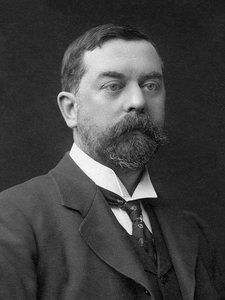
John Singer Sargent
1856 - 1925 , Itália
Dados Rápidos
- Artistic Movement Or Style: Impressionismo
- Artists Or Movements Influenced By This Artist: ['Whistler']
- Artists Who Influenced This Artist:
- Carolus-Duran
- Velázquez
- Date Of Birth: 12 de janeiro de 1856
- Date Of Death: 14 de abril de 1925
- Full Name: John Singer Sargent
- Nationality: Americano
- Notable Artworks:
- Madame X
- El Jaleo
- Carnation, Lily, Lily, Rose
- Place Of Birth: Florença, Itália
Artigos Relacionados

John Singer Sargent: As 25 Obras-Primas que Definem um Ícone da Arte
Descubra as 25 obras-primas de John Singer Sargent, o mestre do retrato e do impressionismo americano. Explore a história, técnica e beleza atemporal de seus quadros mais famosos. Encontre reproduções de arte exclusivas para decorar sua casa com elegância em OriginalUniqueArt.com.

Os 10 Quadros Mais Famosos Dominados pelo Branco: Arte e Decoração
Descubra os 10 quadros mais famosos dominados pelo branco, de Monet a Kandinsky! Explore a história da arte, técnicas e o poder da paleta neutra. Encontre reproduções de alta qualidade para sua decoração em OriginalUniqueArt.com.

As 10 Pinturas Mais Famosas Dominadas pelo Preto: Arte, História e Decoração
Descubra as 10 pinturas mais icônicas dominadas pelo preto! Explore a história, técnica e emoção por trás de obras-primas do Romantismo, Realismo e Expressionismo. Encontre reproduções de arte exclusivas na OriginalUniqueArt.com.
John Singer Sargent: Capturing the Gilded Age with Impressionistic Brilliance
Explore the life & art of John Singer Sargent, premier portraitist of the Gilded Age. Discover his Impressionistic masterpieces, technical brilliance, and enduring legacy. Expert insights for collectors.
Shadow & Soul: Why Black & White Photography Remains the Ultimate Power Move in Modern Art
Discover why black & white photography remains a powerful force in contemporary art. Explore the impact of light, shadow, and texture through a visual journey of monochrome mastery and learn how to elevate your space with timeless grayscale aesthetics.



