

 Visualizar em escala
 Enviar
 Compartilhar
 Ver detalhes
 Guia de Obras do Aluno

 Baixar imagem
 Semelhantes
 Raio X
 Apresentação de slides
 Estatísticas
Estudo para "Morte e Vitória"
 Acrílico sobre tela
- Arte de Parede
 1921
1921- Século XIX
 53.0 x 23.0 cm
 Ver mais
Giclée / Impressão de Arte
Impressão giclée ou em tela de qualidade de museu, com produção rápida e opções flexíveis de acabamento. ( Encomendar reprodução pintada à mão Ver Imagem Digital)




P118B €10

P118H €10

P118W €10

P438Z €10

P508JH €12

P508YH €12

P805H €10

P805Z €10

P919BZ €10

P919G €10

P919XJ €10

P959ZH €10

P968JZ €12

W106C €8

W218G €10

W218JH €8

W218Y €10

W307PJ €10

W316G €10

W316PJ €8

W316Y €10

W398PJ €8

W4111J €10

W500HY €15

W500JH €15

W692G €12

W849H €8

W940BG €15

W953PJ €8




Escolha entre os nossos tamanhos pré-definidos que respeitam as proporções originais da obra de arte.

Digite a largura e a altura de que necessita, para se ajustar à sua moldura ou à sua parede. Uma impressão só pode ser cortada, nunca ampliada além da imagem original, pelo que um tamanho com uma proporção diferente perderá parte da imagem. Enviamos-lhe uma maquete digital para aprovação antes de imprimirmos qualquer coisa. A imagem apresentada nesta página não mostra o corte real — apenas a maquete o faz.
Entrega mundial () em 2 semanas, em vez das 4/5 semanas padrão. (24 Outubro)

Envio expresso gratuito para todo o mundo

Tela de Linho Premium

Seguro de transporte total

Garantia de Reembolso de Impostos Alfandegários

Garantia de Fidelidade de Cor

Política de Devolução em 100 Dias (Apenas para Defeitos)

Garantia de reembolso de 100%

Desconto para múltiplas unidades
 A opção de vidro está disponível apenas para tamanhos inferiores a 110 cm

Estudo para "Morte e Vitória"
Giclée / Impressão de Arte
Dimensões da Reprodução
-


Preço Total
€ 70
Estudo para “Morte e Vitória”: Uma Meditação sobre Guerra e Memória
O "Estudo para ‘Morte e Vitória’", de John Singer Sargent, pintado em 1921, transcende a mera ideia de um esboço preparatório; é uma alegoria profundamente comovente do conflito, da perda e, em última análise, do espírito humano indomável. Criado como um dos painéis de um mural monumental destinado à Harvard University’s Widener Memorial Library – um espaço dedicado a honrar os alunos que perderam suas vidas na Primeira Guerra Mundial – esta aguarela oferece um vislumbre íntimo do processo artístico de Sargent e seu engajamento profundo com temas de guerra e memória. A paleta cuidadosamente escolhida, dominada por tons cinzentos, marrons e nuances azuis sutis, contribui significativamente para a atmosfera sombria, porém digna que permeia a obra.
Sargent emprega magistralmente uma estrutura composicional clássica, reminiscente da pintura renascentista, para transmitir uma narrativa poderosa. No coração da cena, ergue-se um soldado solitário, retratado com meticuloso detalhe em termos de anatomia e expressão – sua postura transmitindo tanto o cansaço quanto a determinação resoluta. Ele segura a figura ascendente de Vitória, personificada por uma forma feminina radiante, simbolizando a vitória sobre a adversidade. No entanto, essa vitória é imediatamente atenuada pela presença da Morte, representada como uma figura envolta em névoa, pairando atrás do soldado, pressionando-o com um fardo quase insuportável. Essa justaposição – a promessa de vitória ao lado da inevitabilidade da morte – constitui o cerne da ressonância emocional da obra.
Técnica e Composição: A Abordagem de Sargent
O próprio médium da aguarela é crucial para compreender a abordagem de Sargent aqui. Ele utiliza uma técnica de camadas delicadas, construindo tons gradualmente com finas lavagens de cor, criando um senso notável de profundidade e atmosfera. O traço livre da pincelada, particularmente na representação do tecido e nas sutis gradações de luz e sombra, adiciona à qualidade expressiva da pintura. Observe como Sargent não apenas representa as figuras; ele captura seus estados emocionais através de gestos e expressões faciais sutilmente elaborados. O cenário arquitetônico, esboçado levemente, fornece uma base vital para a cena, sugerindo o lugar pretendido do mural dentro do grandioso espaço da biblioteca – um espaço projetado para inspirar contemplação e memória.
A composição é deliberadamente equilibrada, mas sutilmente perturbadora. A figura central ancra a atenção do espectador, enquanto as figuras laterais – representando a Morte e a Vitória – criam uma tensão dinâmica. A habilidade de Sargent reside em sua capacidade de transmitir ideias complexas através de formas simples e cores contidas, criando uma imagem que é ao mesmo tempo visualmente impactante e profundamente reflexiva.
Simbolismo e Contexto Histórico
"Morte e Vitória" reflete o impacto profundo da Primeira Guerra Mundial na geração que a viveu. O mural foi encomendado como um memorial aos alunos do Harvard que sacrificaram suas vidas no conflito, representando uma nação lidando com os horrores da guerra moderna. A abordagem alegórica de Sargent – usando figuras simbólicas para representar conceitos abstratos – era uma estratégia artística comum durante este período, permitindo que artistas se engajassem com temas complexos de uma forma que ressoasse com um público amplo. A figura envolta em névoa da Morte é particularmente pungente, lembrando-nos do custo humano da guerra e da fragilidade da vida.
Além disso, a criação desta obra ocorreu no contexto do crescente interesse do início do século XX na arte clássica e na mitologia. Sargent foi profundamente influenciado por esta tradição, evidente em sua atenção cuidadosa à composição, proporção e no uso de figuras alegóricas. Este estudo oferece uma visão valiosa do desenvolvimento artístico de Sargent e de sua capacidade de sintetizar influências diversas em uma obra poderosamente expressiva.
Um Reflexo Atemporal da Experiência Humana
"Estudo para ‘Morte e Vitória’" permanece um testemunho convincente do gênio artístico de Sargent e de seu engajamento profundo com a condição humana. Não é apenas um documento histórico; é uma meditação duradoura sobre temas de sacrifício, perda e a luta eterna entre vida e morte. Esta reprodução meticulosamente elaborada em aguarela permite que você experimente o impacto total da visão de Sargent – um lembrete pungente do preço da vitória e da importância da memória.
Perguntas e Respostas
Qual é a técnica e o tamanho do original de "Estudo para "Morte e Vitória"" de John Singer Sargent?
A técnica de "Estudo para "Morte e Vitória"" de John Singer Sargent é Acrílico sobre tela, e suas dimensões registradas são 53 x 23 cm.
"Estudo para "Morte e Vitória"", de John Singer Sargent, está em domínio público? E por quê?
O status de direitos autorais de "Estudo para "Morte e Vitória"" - em domínio público - seus direitos autorais expiraram - decorre do falecimento do artista em 1925.
Para quem "Estudo para "Morte e Vitória"" de John Singer Sargent é um bom presente?
A recomendação de presente para "Estudo para "Morte e Vitória"" de John Singer Sargent combina Casamento com Peça de impacto.
Biografia do Artista
A Life Immersed in Light and Society
John Singer Sargent, a name synonymous with the Gilded Age and its shimmering portraits of elegance, was an American artist who spent most of his life cultivating his craft within the European art world. Born in Florence, Italy, in 1856 to American expatriate parents, Fitzwilliam and Mary Newbold Sargent, his upbringing was anything but conventional. The family’s nomadic existence – constantly traversing France, Germany, Italy, and Switzerland – instilled in young John a cosmopolitan sensibility and an early exposure to the artistic treasures of Europe. Rather than formal schooling, his education unfolded within museum halls and ancient churches, fostering a visual literacy that would profoundly shape his artistic vision. This itinerant childhood, while lacking traditional structure, provided a rich tapestry of cultural experiences that fueled his developing talent. His father, a surgeon, and his mother, an amateur artist, encouraged his inclinations, recognizing early on the remarkable acuity of his observational skills. It was clear from a young age that John’s path lay not in medicine or conventional pursuits, but within the realm of art.From Parisian Atelier to Portrait Master
In 1874, at the age of eighteen, Sargent embarked on a pivotal chapter of his artistic development by entering the Paris studio of Carolus-Duran. This mentorship proved transformative. Duran’s emphasis on *direct painting* – a technique eschewing preliminary sketches in favor of immediate application of paint to canvas – honed Sargent's already impressive technical facility and instilled within him an astonishing ability to capture likenesses with speed and precision. It was a revolutionary approach, encouraging boldness and spontaneity, and it became the hallmark of Sargent’s style. He absorbed Duran’s lessons wholeheartedly, mastering the art of capturing not just physical resemblance but also the very essence of his sitters. Simultaneously, he enrolled at the École des Beaux-Arts to study drawing from casts and life models, further refining his skills in composition and technique. However, it was the influence of Spanish masters like Diego Velázquez, encountered during a formative trip to Spain in 1879, that truly ignited Sargent’s artistic imagination. He became captivated by Velázquez’s masterful use of light, brushwork, and psychological insight – qualities he would strive to emulate throughout his career. The meticulous study of Velázquez's techniques, particularly the way he captured fleeting moments and imbued his subjects with a sense of inner life, profoundly shaped Sargent’s approach to portraiture.Navigating Fame, Scandal, and Artistic Evolution
Sargent quickly established himself as a sought-after portraitist in Paris, attracting commissions from the city’s elite. His ability to capture not just physical likeness but also the personality and social standing of his subjects made him immensely popular among the wealthy and influential. However, his ascent was not without its challenges. The unveiling of *Madame X* (Portrait of Madame Pierre Gautreau) at the 1884 Salon ignited a scandal that threatened to derail his burgeoning career. The painting’s daring depiction of socialite Virginie Amélie Avegno Gautreau – with her pale complexion, suggestive pose, and fallen strap – was deemed provocative and scandalous by Parisian society. Though Sargent later repainted the strap, the damage was done. Disheartened by the controversy, he relocated to London in 1886, where he found a more receptive audience for his talents. In London, he continued to paint portraits of the wealthy and prominent, capturing the opulence and social dynamics of Edwardian society with unparalleled skill. Yet, Sargent’s artistic ambitions extended beyond the confines of commissioned portraiture. He yearned for greater creative freedom and increasingly devoted himself to landscape painting and plein-air studies, embracing an Impressionistic style characterized by loose brushwork, vibrant colors, and a focus on capturing fleeting moments of light and atmosphere. These landscapes reveal a different side of Sargent – one less concerned with social status and more attuned to the beauty of the natural world. His travels throughout Europe and beyond—from Venice to the Tyrol—provided endless inspiration for his evocative depictions of light, color, and form.Influences and Artistic Kinships
- Carolus-Duran: His teacher, who instilled in him a direct painting technique and encouraged spontaneity.
- Diego Velázquez: Sargent deeply admired Velázquez’s mastery of light, brushwork, and psychological insight, particularly evident in his Spanish works. He studied the master's techniques with intense dedication, seeking to replicate his ability to capture both the outward appearance and inner character of his subjects.
- Impressionism: The Impressionists' emphasis on capturing fleeting moments and atmospheric effects profoundly impacted his landscape paintings, leading to a looser, more expressive style. Sargent absorbed the principles of *plein air* painting and experimented with broken color and visible brushstrokes, reflecting the influence of artists like Monet and Renoir.
- James Abbott McNeill Whistler: Sargent shared with Whistler an interest in aestheticism and the pursuit of “art for art’s sake,” influencing his approach to composition and color. Both artists sought to elevate painting beyond mere representation, emphasizing beauty, harmony, and emotional expression.
A Lasting Legacy
While celebrated as “the leading portrait painter of his generation,” John Singer Sargent’s artistic legacy extends far beyond his masterful depictions of society figures. His major works, such as *El Jaleo*, a dynamic portrayal of Spanish flamenco dancers, and *Carnation, Lily, Lily, Rose*, a serene depiction of two young girls in an English garden, demonstrate his versatility and technical brilliance. These paintings showcase not only his skill in capturing likenesses but also his ability to evoke atmosphere, emotion, and narrative. Later in life, he embarked on ambitious mural projects, including the monumental cycle at the Boston Public Library, showcasing his ability to translate his artistic vision onto a grand scale. His influence can be seen in the work of subsequent generations of artists who admired his technical skill, his bold brushwork, and his ability to capture both physical likeness and psychological depth. The rediscovery of his previously overlooked male nudes in the 1980s further broadened our understanding of Sargent’s artistic range and revealed a more complex and nuanced artist than previously recognized. His paintings continue to captivate audiences worldwide, offering a fascinating glimpse into a bygone era while simultaneously transcending time through their enduring beauty and technical mastery. He remains, undeniably, one of the most significant American artists of his generation, whose work continues to inspire and provoke admiration.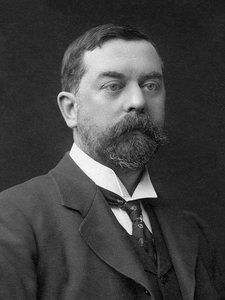
John Singer Sargent
1856 - 1925 , Itália
Informações Rápidas
- Artistic Movement Or Style: Impressionismo
- Artists Or Movements Influenced By This Artist: ['Whistler']
- Artists Who Influenced This Artist:
- Carolus-Duran
- Velázquez
- Date Of Birth: 12 de janeiro de 1856
- Date Of Death: 14 de abril de 1925
- Full Name: John Singer Sargent
- Nationality: Americano
- Notable Artworks:
- Madame X
- El Jaleo
- Carnation, Lily, Lily, Rose
- Place Of Birth: Florença, Itália
Artigos Relacionados

Aquarelas Imortais: 10 Obras-Primas que Revolucionaram a Arte | OriginalUniqueArt
Descubra as 10 obras-primas em aquarela que revolucionaram a arte! Explore a história de Turner, Cézanne e outros mestres. Encontre reproduções de alta qualidade para decorar sua casa com elegância. OriginalUniqueArt: arte atemporal ao seu alcance.

John Singer Sargent: As 25 Obras-Primas que Definem um Ícone da Arte
Descubra as 25 obras-primas de John Singer Sargent, o mestre do retrato e do impressionismo americano. Explore a história, técnica e beleza atemporal de seus quadros mais famosos. Encontre reproduções de arte exclusivas para decorar sua casa com elegância em OriginalUniqueArt.com.

Realismo Americano: 10 Obras-Primas que Moldaram a Arte e Decoram o Lar
Descubra as 10 obras-primas do Realismo Americano! Explore a história de Hopper, Homer e Cassatt. Encontre reproduções de arte com qualidade museológica para decorar sua casa. Inspire-se em cores vibrantes e atmosferas únicas. Explore a coleção completa na OriginalUniqueArt.com.
Realismo Acadêmico: 10 Obras-Primas que Moldaram a História da Arte | OriginalUniqueArt
Descubra as 10 obras-primas do Realismo Acadêmico que revolucionaram a arte! Explore Bouguereau, Gérôme e Cabanel. Reproduções de alta qualidade para decorar sua casa com beleza clássica. Explore a coleção completa em OriginalUniqueArt.com.

Aquarela Através dos Séculos: História, Técnicas e Prática Contemporânea
Explore a história da aquarela, domine técnicas essenciais e descubra artistas renomados. Guia completo para iniciantes e profissionais apaixonados por esta arte!


