
 Visualizar em escala
 Enviar
 Compartilhar
 Ver detalhes
 Guia de Obras do Aluno

 Baixar imagem
 Semelhantes
 Raio X
 Apresentação de slides
 Estatísticas
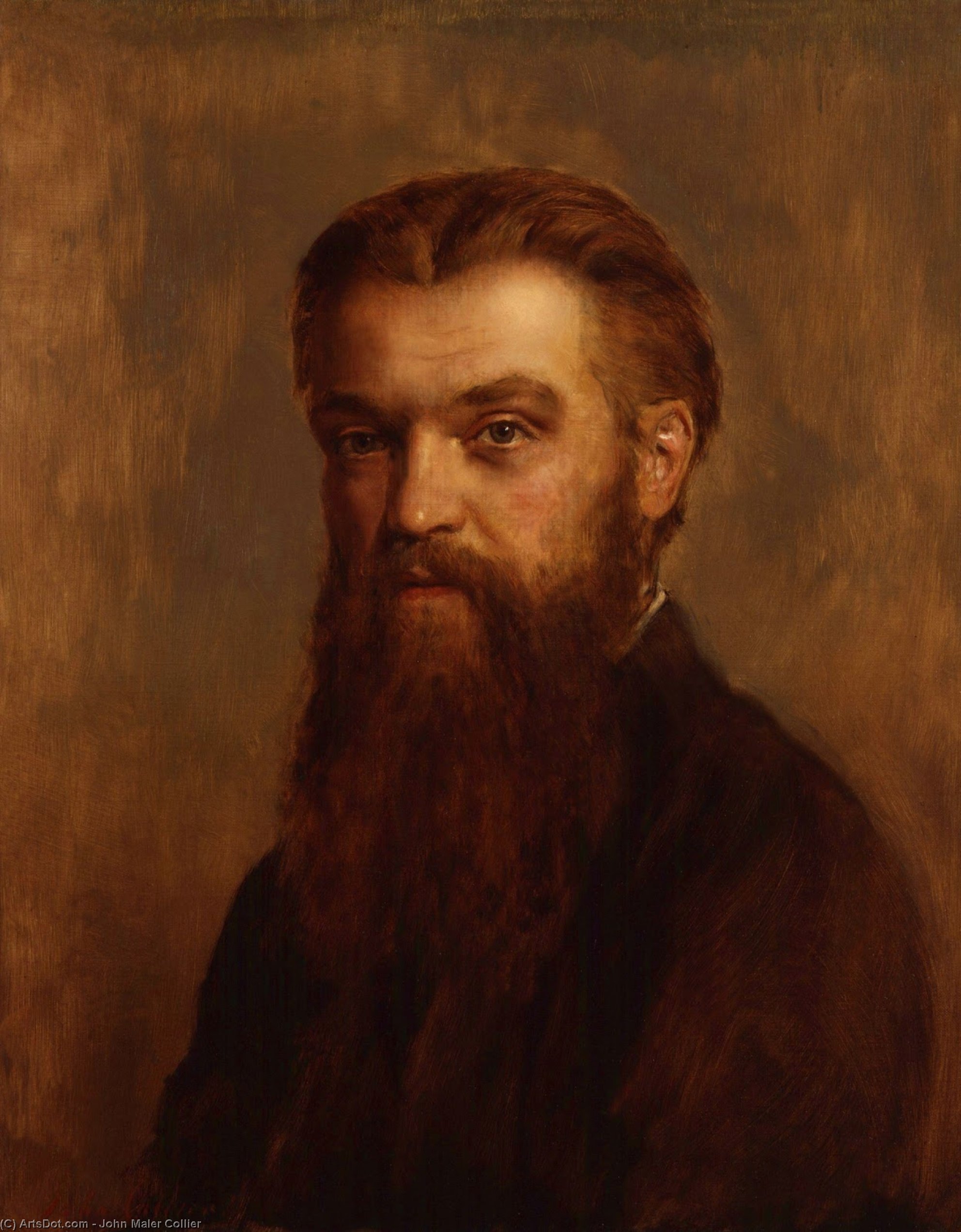
William Kingdon Clifford


 Ver mais
Reprodução em Óleo Feita à Mão
Óleo sobre tela pintado à mão no tamanho e moldura de sua escolha, feito sob encomenda pelos nossos artistas. ( Alternar para Impressão Ver Imagem Digital)




P118B €10

P118H €10

P118W €10

P438Z €10

P508JH €12

P508YH €12

P805H €10

P805Z €10

P919BZ €10

P919G €10

P919XJ €10

P959ZH €10

P968JZ €12

W106C €8

W218G €10

W218JH €8

W218Y €10

W307PJ €10

W316G €10

W316PJ €8

W316Y €10

W398PJ €8

W4111J €10

W500HY €15

W500JH €15

W692G €12

W849H €8

W940BG €15

W953PJ €8




Escolha entre os nossos tamanhos pré-definidos que respeitam as proporções originais da obra de arte.

Digite a largura e a altura de que necessita, para se ajustar à sua moldura ou à sua parede. Esta obra é pintada à mão, por isso, para um tamanho com uma proporção diferente, o artista pode pintar um pouco mais ao redor da imagem ou cortar um pouco — você escolhe. Enviamos-lhe uma maquete digital para aprovação antes de a pintura começar. A imagem exibida nesta página não mostra o resultado real — apenas a maquete mostra.
Após o pedido, a equipa OriginalUniqueArt.com enviará um e-mail ao cliente para solicitar instruções e fornecer uma prévia do esboço.
Entrega mundial () em 3 a 4 semanas, em vez das 5 semanas padrão. (24 Outubro). Sem comprometer a qualidade.

Envio expresso gratuito para todo o mundo

Tela de Linho Premium

Seguro de transporte total

Garantia de Reembolso de Impostos Alfandegários

Garantia de Fidelidade de Cor

Política de Devolução em 100 Dias (Apenas para Defeitos)

Garantia de reembolso de 100%

Desconto para múltiplas unidades
 A opção de vidro está disponível apenas para tamanhos inferiores a 110 cm

William Kingdon Clifford
Técnica de Reprodução
Dimensões da Reprodução
-


Preço Total
€ 264
The Enigmatic Gaze: John Maler Collier’s William Kingdon Clifford
John Maler Collier's 1899 portrait of William Kingdon Clifford isn’t merely a likeness; it’s a carefully constructed embodiment of Victorian intellectualism, rendered with the meticulous detail and evocative storytelling characteristic of the Pre-Raphaelite movement. Collier, a master of capturing the essence of his subjects – as evidenced by his equally compelling portraits of Sir Michael Foster and Sir Ignatius Valentine Chirol – has here created an image that transcends simple representation, offering a glimpse into the mind of a mathematician and philosopher grappling with profound concepts.
The painting immediately draws the eye to Clifford’s face. His expression is one of quiet contemplation, his brow furrowed slightly as if lost in thought, yet his gaze holds a directness that invites engagement. The subtle lines etched around his eyes and mouth speak volumes about a life dedicated to rigorous study and intellectual pursuit. Collier's skill lies not just in capturing physical features but in conveying the inner world of his subject – a feat achieved through masterful use of light and shadow, and a remarkably sensitive understanding of human psychology.
- Color Palette: The muted tones—a symphony of browns, greys, and ochres—lend an air of gravitas and seriousness to the portrait. Collier eschews bright, vibrant colors in favor of a palette that reflects the subject’s intellectual pursuits, suggesting a focus on abstract thought rather than worldly concerns.
- Composition: The arrangement is deliberately restrained, emphasizing Clifford's figure within a simple, uncluttered background. This simplicity allows the viewer to concentrate fully on the subject and his expression.
- Technique: Collier’s brushwork is remarkably smooth and controlled, indicative of his meticulous approach to portraiture. He employs layering techniques to create depth and texture, particularly in Clifford's clothing and facial features.
The Pre-Raphaelite Influence & Victorian Portraiture
Collier’s work is firmly rooted in the Pre-Raphaelite aesthetic – a movement that sought to revive the artistic conventions of 15th-century Italian art, rejecting the perceived artificiality and materialism of academic painting. The Pre-Raphaelites valued truth, beauty, and moral purpose, often drawing inspiration from literature, mythology, and medieval legends. Collier’s portraits are characterized by their rich detail, vibrant colors (though subtly employed here), and a tendency to imbue his subjects with symbolic meaning.
This portrait also reflects the broader trends in Victorian-era portraiture. During this period, portrait painting became increasingly popular among the wealthy and influential, serving as both a means of commemorating individuals and displaying social status. Collier’s work exemplifies this trend, capturing the intellectual prestige associated with figures like Clifford, who were prominent in academic circles.
Symbolism & Intellectual Depth
Beyond its surface appearance, the portrait is laden with symbolic significance. Clifford's spectacles – a ubiquitous symbol of intellect and scholarly pursuit – immediately establish his profession and suggest a life dedicated to reason and observation. The carefully chosen attire—a dark suit and tie—underscores his status as a respected member of Victorian society. The subtle lighting highlights his face, drawing attention to the intensity of his gaze and hinting at the complex thoughts swirling within his mind.
Furthermore, Clifford’s subject matter – mathematics and philosophy – speaks to the intellectual ferment of the late 19th century, a period marked by rapid scientific advancements and philosophical debates. Collier's portrait captures this spirit of inquiry and intellectual exploration, offering a visual representation of a mind grappling with fundamental questions about the nature of reality.
Replicas & A Window into Victorian Thought
Reproductions of Collier’s “William Kingdon Clifford” offer art lovers a unique opportunity to connect with this remarkable portrait and gain insight into the intellectual landscape of the Victorian era. The painting serves as a powerful reminder of the enduring legacy of Pre-Raphaelite art and its ability to capture not only physical likenesses but also the essence of human character and intellect. High-quality reproductions, like those available on OriginalUniqueArt.com, allow us to appreciate Collier’s masterful technique and the profound symbolism embedded within this iconic portrait.
Perguntas e Respostas
Qual ambiente combina com as cores de "William Kingdon Clifford" de John Maler Collier?
Com sua paleta Earthy, "William Kingdon Clifford" de John Maler Collier é recomendado para um Living Room. As cores são parte do motivo desta sugestão.
Que atmosfera uma reprodução de "William Kingdon Clifford" de John Maler Collier traria para um ambiente?
A atmosfera Calm de "William Kingdon Clifford" de John Maler Collier combina com o seu espaço recomendado: um(a) Living Room.
Quem é o autor de "William Kingdon Clifford" e em qual movimento?
"William Kingdon Clifford" foi criada por John Maler Collier no estilo Pre-Raphaelite. O artista e o movimento identificam a tradição da obra.
Biografia do Artista
John Collier: Um Retrato da Era Vitoriana
John Maler Collier, um nome que ressoa com a elegância e o rigor do final do século XIX, foi muito mais do que um simples retratista; ele personificou uma era. Nascido em Londres, em 1850, em meio a uma família de distinção – seu avô, um influente comerciante e membro do parlamento Quáquer, e seu pai, um renomado advogado e juiz –, Collier cresceu imerso em um ambiente intelectualmente estimulante que moldaria sua trajetória artística. Sua educação em Eton College preparou o terreno para seus estudos formais na Academia de Munique e com Jean-Paul Laurens em Paris, onde aprimorou suas habilidades e absorveu as nuances da arte europeia.
A influência do movimento Pré-Rafaelita é inegável na obra de Collier. Ele não se limitava a reproduzir a aparência física de seus modelos; buscava capturar sua essência, imbuindo cada retrato com uma narrativa sutil e um simbolismo cuidadosamente elaborado. A atenção meticulosa aos detalhes, as cores vibrantes e a composição teatral são marcas registradas de seu estilo, que o consagraram como um dos retratistas mais proeminentes de sua geração. Collier não era apenas um pintor; ele era um contador de histórias visual, capaz de evocar emoções e transmitir a complexidade da alma humana através de pinceladas precisas.
Um Espelho da Sociedade Britânica
A carreira de Collier floresceu em um período de grande transformação na sociedade britânica. Sua habilidade em retratar figuras proeminentes da arte, ciência, política e realeza o tornou um artista requisitado pela elite do país. Charles Darwin, Thomas Henry Huxley (seu sogro, uma figura central no pensamento científico vitoriano), Rudyard Kipling, Sir Lawrence Alma-Tadema – a lista de seus modelos é um testemunho da sua posição privilegiada na sociedade. Collier pintou dois Lord Chancellors, o Speaker da Câmara dos Comuns e até mesmo Field Marshal Lord Kitchener, consolidando sua reputação como o retratista oficial da era.
As comissões reais foram particularmente significativas em sua carreira. O retrato do Duque de York (futuro Rei George V) como Mestre da Trinity House em 1901 e a representação do Príncipe de Gales (futuramente Eduardo VIII), exibida no Durbar Hall em Jodhpur, Rajputana, demonstraram seu talento para capturar a dignidade e o poder da monarquia. Esses retratos não eram apenas obras de arte; eram documentos históricos que refletiam o espírito de uma nação em ascensão.
Além do Retrato Formal: "Problemas Pictóricos" e Legado Familiar
Embora seja mais conhecido por seus retratos formais, Collier também explorou outros temas em sua obra. Seus “problemas pictóricos”, cenas do cotidiano com uma abordagem mais livre e vibrante, revelam um lado menos austero de seu talento. Essas obras demonstram sua capacidade de se afastar das convenções da época e experimentar novas formas de expressão artística.
A vida pessoal de Collier também foi marcada por conexões familiares notáveis. Seus casamentos com filhas de Thomas Henry Huxley o ligaram profundamente ao mundo intelectual, e sua filha Joyce se destacou como miniaturista, perpetuando a tradição artística familiar. Seu filho, Sir Laurence Collier, serviu como embaixador britânico na Noruega, demonstrando a influência da família em diversos setores da sociedade.
Um Artista de Sua Época: Reconhecimento e Reflexões
John Maler Collier foi nomeado Officer of the Order of the British Empire (OBE) em 1920, um reconhecimento formal de sua contribuição para a arte britânica. No entanto, sua obra recebeu críticas mistas ao longo do tempo. Alguns críticos o compararam a Frank Holl devido à solenidade de seus retratos, enquanto outros elogiaram seu "forte e surpreendente senso de cor". Apesar das opiniões divergentes, Collier deixou um legado duradouro como um dos principais retratistas da era vitoriana.
Sua meticulosa documentação de seus modelos em um “Livro de Sitters”, agora preservado na National Portrait Gallery, oferece uma visão valiosa de sua carreira e das personalidades que ele retratou. Com dezesseis pinturas em posse da National Portrait Gallery e duas no Tate Gallery, a obra de John Collier continua a inspirar e fascinar admiradores da arte em todo o mundo, um testemunho atemporal do talento e da visão de um artista que soube capturar a essência de uma época.

John Maler Collier
1850 - 1934 , Reino Unido
Informações Rápidas
- Artistas Que Influenciaram Este Artista:
- Jean-Paul Laurens
- Millais
- Alma-Tadema
- Data De Falecimento: 1934
- Data De Nascimento: 27 de janeiro de 1850
- Local De Nascimento: Londres, Reino Unido
- Movimento Artístico: Pré-rafaelita
- Nacionalidade: Britânico
- Nome Completo: John Maler Collier
- Obras Notáveis:
- Lovelace Stamer
- Sir John Lubbock FRS
- Duke of York (George V)
- Prince of Wales (Edward VIII)
Artigos Relacionados
John William Waterhouse: Pre-Raphaelite Mythmaker & Poetic Depictions of Female Identity
Explore the captivating world of John William Waterhouse, a master of Pre-Raphaelite painting. Discover his iconic depictions of mythology and female identity in this expert guide.

John Constable: As 25 Obras-Primas que Definem o Mestre da Paisagem Inglesa | OriginalUniqueArt
Descubra as 25 obras-primas de John Constable, o mestre da paisagem inglesa! Explore a arte romântica, cores vibrantes e histórias fascinantes por trás de 'Hay Wain' e outras pinturas icônicas. Encontre reproduções de alta qualidade para decorar sua casa com OriginalUniqueArt.com.

John Singer Sargent: As 25 Obras-Primas que Definem um Ícone da Arte
Descubra as 25 obras-primas de John Singer Sargent, o mestre do retrato e do impressionismo americano. Explore a história, técnica e beleza atemporal de seus quadros mais famosos. Encontre reproduções de arte exclusivas para decorar sua casa com elegância em OriginalUniqueArt.com.
John Collier: Pre-Raphaelite Realism & Victorian Psychological Portraiture
Explore the captivating world of John Collier, a leading Pre-Raphaelite painter renowned for his psychologically insightful Victorian portraits. Discover his masterpieces and lasting artistic legacy.

Sir John Everett Millais: Pre-Raphaelite Rebellion & Victorian Narrative Detail
Explore the revolutionary art of Sir John Everett Millais & the Pre-Raphaelite Brotherhood. Discover their radical realism, symbolic narratives, and lasting impact on Victorian aesthetics. A deep dive into 19th-century masterpieces.
