

 Visualizar em escala
 Enviar
 Compartilhar
 Ver detalhes
 Guia de Obras do Aluno

 Baixar imagem
 Semelhantes
 Raio X
 Apresentação de slides
 Estatísticas
Richard Humphreys, the Boxer
 Acrylic On Canvas
- WallArt
- Neoclassical Portraiture
 142.0 x 112.0 cm
 Museu Metropolitano de Arte
 Ver mais
Giclée / Impressão de Arte
Impressão giclée ou em tela de qualidade de museu, com produção rápida e opções flexíveis de acabamento. ( Encomendar reprodução pintada à mão Ver Imagem Digital)




P118B €10

P118H €10

P118W €10

P438Z €10

P508JH €12

P508YH €12

P805H €10

P805Z €10

P919BZ €10

P919G €10

P919XJ €10

P959ZH €10

P968JZ €12

W106C €8

W218G €10

W218JH €8

W218Y €10

W307PJ €10

W316G €10

W316PJ €8

W316Y €10

W398PJ €8

W4111J €10

W500HY €15

W500JH €15

W692G €12

W849H €8

W940BG €15

W953PJ €8




Escolha entre os nossos tamanhos pré-definidos que respeitam as proporções originais da obra de arte.

Digite a largura e a altura de que necessita, para se ajustar à sua moldura ou à sua parede. Uma impressão só pode ser cortada, nunca ampliada além da imagem original, pelo que um tamanho com uma proporção diferente perderá parte da imagem. Enviamos-lhe uma maquete digital para aprovação antes de imprimirmos qualquer coisa. A imagem apresentada nesta página não mostra o corte real — apenas a maquete o faz.
Entrega mundial () em 2 semanas, em vez das 4/5 semanas padrão. (23 Outubro)

Envio expresso gratuito para todo o mundo

Tela de Linho Premium

Seguro de transporte total

Garantia de Reembolso de Impostos Alfandegários

Garantia de Fidelidade de Cor

Política de Devolução em 100 Dias (Apenas para Defeitos)

Garantia de reembolso de 100%

Desconto para múltiplas unidades
 A opção de vidro está disponível apenas para tamanhos inferiores a 110 cm

Richard Humphreys, the Boxer
Giclée / Impressão de Arte
Dimensões da Reprodução
-


Preço Total
€ 70
A Moment Frozen in Time: John Hoppner’s “Richard Humphreys, the Boxer”
John Hoppner's "Richard Humphreys, the Boxer," painted circa 1785, isn’t merely a depiction of a sporting contest; it’s a carefully constructed tableau brimming with Victorian fascination for both spectacle and the human form. The painting captures a pivotal moment – not necessarily a victory, but a poised readiness – within the brutal world of bare-knuckle boxing, a pastime that held a strange allure for artists and audiences alike during the late eighteenth century. Hoppner masterfully blends the physicality of combat with an almost sculptural elegance, elevating the scene beyond simple documentation to become a study in tension, power, and vulnerability.
The subject himself, Richard Humphreys, is presented as a young man, radiating a controlled intensity. His stance, honed by years of training, is both defensive and threatening; his arms extended, fists clenched, he embodies the coiled energy of a predator. The detail in his attire – the meticulously rendered breeches, silk stockings, and polished pumps – speaks to the status afforded to boxers at this time, suggesting they were not simply rough men but performers worthy of admiration. Hoppner’s use of light is particularly striking; it highlights Humphreys' musculature, emphasizing the strength beneath the surface while simultaneously casting shadows that hint at the potential for violence.
The Victorian Obsession with Combat and the Body
Hoppner’s painting exists within a broader cultural context. Bare-knuckle boxing was immensely popular in England during this period, offering a thrilling spectacle that combined elements of sport, theatre, and even ritualistic combat. The public flocked to these matches, drawn by the raw energy and the perceived drama of witnessing human strength pitted against human strength. Artists like Hoppner were captivated by the physicality of the boxers – their powerful bodies, their expressive faces, and the inherent beauty in their struggle. This fascination extended beyond mere representation; it reflected a Victorian interest in exploring themes of masculinity, power, and the darker aspects of human nature.
Furthermore, the painting’s circulation through printed reproductions—a relatively new medium at the time—amplified its impact. The image was disseminated widely, transforming the boxing match into a public spectacle accessible to those who couldn't attend in person. This mass reproduction contributed to the growing fascination with the subject and cemented Hoppner’s reputation as a skilled portraitist capable of capturing both the drama and the aesthetic qualities of this unusual subject matter.
Technique and Artistic Style
Hoppner’s technical skill is evident in every brushstroke. He employs a loose, expressive style reminiscent of Reynolds, utilizing broad washes of color and dynamic compositions to convey movement and emotion. The painting's palette is rich and vibrant, dominated by earthy tones – browns, ochres, and reds – which ground the scene while simultaneously highlighting the textures of the boxer’s clothing and skin. Noticeably, Hoppner avoids overly detailed rendering; instead, he focuses on capturing the essence of the moment, prioritizing atmosphere and psychological impact over photographic accuracy.
The background, a simple depiction of a tree, serves not as a distraction but as a subtle framing device, drawing attention to the central figure. The use of atmospheric perspective – softening distant elements – further enhances the sense of depth and immediacy. Hoppner’s ability to create such a compelling image with relatively few details speaks volumes about his artistic mastery.
Symbolism and Emotional Resonance
"Richard Humphreys, the Boxer" transcends its subject matter to offer a poignant meditation on human potential and the precarious nature of triumph. The boxer's poised stance suggests not just readiness for battle but also a moment of intense self-awareness – a recognition of his own strength and vulnerability. The painting’s ambiguity—we don’t know if he has won or lost—adds to its emotional resonance, inviting viewers to contemplate the complexities of competition and the human condition.
Ultimately, Hoppner's work is more than just a sporting portrait; it’s a captivating glimpse into a bygone era, a testament to the enduring appeal of spectacle and the power of art to capture fleeting moments of intense emotion. Reproductions of this iconic painting continue to resonate with audiences today, offering a window into the Victorian fascination with combat, beauty, and the human spirit.
Perguntas e Respostas
Existe um guia para "Richard Humphreys, the Boxer" de John Hoppner?
O guia para "Richard Humphreys, the Boxer" é a página de Guia da obra — uma ficha informativa imprimível que apresenta a obra com sua legenda, autoria e tabela de identificação (artista, datas, técnica, tamanho original, coleção).
Para qual tom se inclina "Richard Humphreys, the Boxer"?
"Richard Humphreys, the Boxer" inclina-se para um tom Ochre to Sepia.
Está disponível para download em alta resolução a obra "Richard Humphreys, the Boxer"?
Uma imagem digital de "Richard Humphreys, the Boxer" de John Hoppner pode ser adquirida em sua página de Imagem Digital: download de imagem digital em alta resolução.
Biografia do Artista
a life of artistry and royal patronage
John Hoppner (4 de Abril de 1758 – 23 de Janeiro de 1810) foi um retratista e pintor inglês. Ele alcançou a fama como colorista brilhante. O seu toque tem qualidades de amplitude e liberdade que dão aos seus quadros um pálido reflexo do charme de Reynolds. Nasceu em Whitechapel, Londres, filho de pais alemães, a sua mãe era uma das atendentes alemães no palácio real. O interesse paternal e o patrocínio do rei George sobre o menino deu origem a rumores, bastante infundados, de que ele possa ter sido seu filho ilegítimo. Hoppner tornou-se um cantor na capela real, mas mostrou forte inclinação para a arte, e em 1775 ele entrou para a Academia Real. Em 1778 ele ganhou uma medalha de prata pelo desenho de formas de vida, e em 1782, a mais alta condecoração da Academia, a medalha de ouro para pintura histórica, com o tema Rei Lear. Sua carreira começou na Academia Real em 1780 onde suas primeiras obras demonstraram um profundo conhecimento da técnica e uma sensibilidade estética que prenunciavam seu estilo único. Um amor pela paisagem inicialmente o atraiu para este gênero artístico, mas a necessidade de sustento o impulsionou para o trabalho mais lucrativo: o retrato. Ele rapidamente estabeleceu-se como um dos artistas mais procurados da época, trabalhando para membros importantes da aristocracia e do governo britânico. Sua habilidade em capturar a beleza humana e transmitir emoções através da pintura o consagrou como um dos maiores representantes da estética neoclássica inglesa.early life and training
Hoppner recebeu uma educação privilegiada graças ao apoio familiar alemão, que lhe proporcionou acesso à cultura erudita e às artes clássicas. Sua formação inicial na capela real despertou seu interesse pela música e pelo desenho, habilidades que ele desenvolveu com maestria durante seus estudos na Academia Real. Em particular, ele admirava o trabalho de Joshua Reynolds, considerado o pintor mais importante do período neoclássico inglês, cujo estilo caracterizado por uma composição equilibrada e uma paleta cromática rica influenciou profundamente sua obra. Sua habilidade em reproduzir formas de vida com precisão e expressividade foi reconhecida desde cedo pelos críticos da época, que destacaram seu talento natural e sua capacidade de transmitir emoções através da pintura.rise to fame and notable works
Hoppner alcançou o reconhecimento público graças à sua série de retratos femininos, que foram considerados obras-primas pela crítica especializada e pelo público em geral. Sua técnica inovadora, caracterizada por uma liberdade expressiva e uma atenção meticulosa aos detalhes, permitiu que ele criasse imagens excepcionalmente vibrantes e emotivas. Entre suas obras mais importantes destacam-se:- Mrs. Jordan as Viola in 'Twelfth Night', uma obra que hoje está localizada na English Heritage em Londres e demonstra sua maestria na pintura de retratos femininos
- Retratos do príncipe de Gales, o duque e duquesa de York, Lord Rodney e Lord Nelson, que foram exibidos nos apartamentos de estado no Palácio de St. James's Palace e refletem seu profundo conhecimento da vida cortesã inglesa
legacy and later life
Apesar de uma doença crônica do fígado que marcou seus últimos anos, Hoppner deixou um legado artístico duradouro, celebrado por gerações de artistas e críticos. Sua obra permanece admirada pela beleza estética e pela profundidade emocional, sendo considerada um marco da pintura neoclássica inglesa. Ele é reconhecido como um dos artistas mais importantes do século XVIII, cuja influência pode ser observada em obras posteriores de outros pintores ingleses. Sua habilidade em capturar a essência humana e transmitir emoções através da pintura o consagrou como um dos maiores representantes da estética neoclássica inglesa.
John Hoppner
1758 - 1810 , Reino Unido
Informações Rápidas
- Artistic Movement Or Style: Retratismo
- Artists Or Movements Influenced By This Artist: ['Reynolds']
- Artists Who Influenced This Artist: ['Joshua Reynolds']
- Date Of Birth: 4 de Abril de 1758
- Date Of Death: 23 de Janeiro de 1810
- Full Name: John Hoppner
- Nationality: Britânico
- Notable Artworks:
- Mrs. Jordan como Viola
- Príncipe de Gales
- Duque de York
- Lord Rodney
- Lord Nelson
- Place Of Birth: Whitechapel, Londres
Artigos Relacionados

John Constable: As 25 Obras-Primas que Definem o Mestre da Paisagem Inglesa | OriginalUniqueArt
Descubra as 25 obras-primas de John Constable, o mestre da paisagem inglesa! Explore a arte romântica, cores vibrantes e histórias fascinantes por trás de 'Hay Wain' e outras pinturas icônicas. Encontre reproduções de alta qualidade para decorar sua casa com OriginalUniqueArt.com.
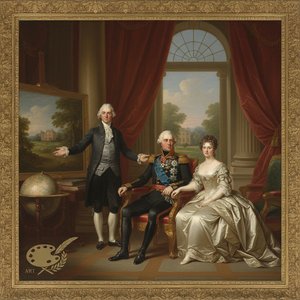
John Hoppner: Portraiture, Patronage & British Identity in the Late Georgian Era
Explore the life & work of John Hoppner, a leading Georgian portraitist. Discover his vibrant style, influential patrons, and lasting impact on British art history. Expert insights for collectors.
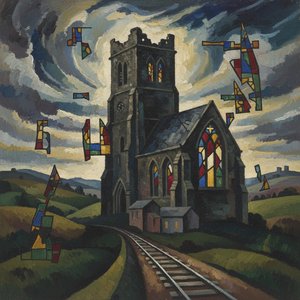
John Piper: A Spiritual Vision of British Landscape & Modernism's Embrace
Explore the captivating world of John Piper, a celebrated British painter whose evocative landscapes & iconic church art captured the spirit of his time. Discover his legacy and find high-quality reproductions at OriginalUniqueArt.

John Singer Sargent: As 25 Obras-Primas que Definem um Ícone da Arte
Descubra as 25 obras-primas de John Singer Sargent, o mestre do retrato e do impressionismo americano. Explore a história, técnica e beleza atemporal de seus quadros mais famosos. Encontre reproduções de arte exclusivas para decorar sua casa com elegância em OriginalUniqueArt.com.
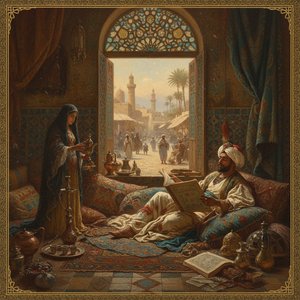
John Frederick Lewis: Orientalism, Detail & Genre Painting in 19th-Century British Art
Explore the captivating Orientalist paintings of John Frederick Lewis! Discover his mastery of detail, genre scenes & influence on 19th-century British art. Learn about his life, techniques & legacy at OriginalUniqueArt.

