

 Visualizar em escala
 Enviar
 Compartilhar
 Ver detalhes
 Guia de Obras do Aluno

 Baixar imagem
 Semelhantes
 Raio X
 Apresentação de slides
 Estatísticas
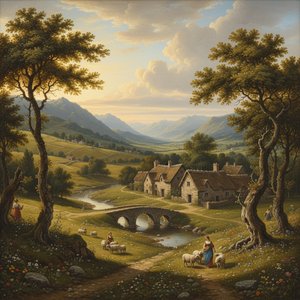
Port e Chee, Braddan
 Romanticism
 45.0 x 95.0 cm
 Manx Museum
 Ver mais
Reprodução em Óleo Feita à Mão
Óleo sobre tela pintado à mão no tamanho e moldura de sua escolha, feito sob encomenda pelos nossos artistas. ( Alternar para Impressão Ver Imagem Digital)




































Escolha entre os nossos tamanhos pré-definidos que respeitam as proporções originais da obra de arte.

Digite a largura e a altura de que necessita, para se ajustar à sua moldura ou à sua parede. Esta obra é pintada à mão, por isso, para um tamanho com uma proporção diferente, o artista pode pintar um pouco mais ao redor da imagem ou cortar um pouco — você escolhe. Enviamos-lhe uma maquete digital para aprovação antes de a pintura começar. A imagem exibida nesta página não mostra o resultado real — apenas a maquete mostra.
Após o pedido, a equipa OriginalUniqueArt.com enviará um e-mail ao cliente para solicitar instruções e fornecer uma prévia do esboço.
Entrega mundial () em 3 a 4 semanas, em vez das 5 semanas padrão. (24 Outubro). Sem comprometer a qualidade.

Envio expresso gratuito para todo o mundo

Tela de Linho Premium

Seguro de transporte total

Garantia de Reembolso de Impostos Alfandegários

Garantia de Fidelidade de Cor

Política de Devolução em 100 Dias (Apenas para Defeitos)

Garantia de reembolso de 100%

Desconto para múltiplas unidades
 A opção de vidro está disponível apenas para tamanhos inferiores a 110 cm

Port e Chee, Braddan
Técnica de Reprodução
Dimensões da Reprodução
-


Preço Total
€ 263
Biografia do Artista
A Venetian Visionary: The Life and Legacy of John Holland
Born in England around 1799, John Holland emerged as a luminous figure within the Victorian art world, a painter whose brush possessed the rare ability to bridge the gap between meticulous scientific observation and the sweeping emotional grandeur of Romanticism. While his biographical footprints may appear light in the vast annals of history, his artistic output reveals a man deeply attuned to the ephemeral rhythms of nature. Primarily celebrated as a watercolorist with an extraordinary gift for landscape, Holland’s work serves as a window into a bygone era, capturing the ethereal light of Venice and the rugged, pastoral charm of Portugal with a precision that remains breathtaking even centuries later.
The foundation of Holland’s distinctive style was laid during his formative years through a profound mentorship. He had the distinct privilege of apprenticing under John Ruskin, the preeminent Victorian critic and artist whose philosophy centered on a reverence for natural truth and the sublime. From Ruskin, Holland inherited more than just technical proficiency; he absorbed a way of seeing. This training instilled in him a disciplined approach to color mixing and a delicate touch in his brushwork, allowing him to render the subtle textures of botanical specimens and the shifting atmospheres of maritime scenes with equal mastery. This early exposure to Romantic ideals ensured that even his most detailed studies were imbued with a sense of poetic movement and emotional depth.
The Golden Years: Venice and Botanical Discovery
The zenith of Holland’s creative journey occurred during his transformative sojourn in Venice between 1825 and 1830. It was within the labyrinthine canals and sun-drenched piazzas of this floating city that his talent truly blossomed. During this period, he produced an astonishing collection of watercolors that are much more than mere topographical records; they are atmospheric meditations on light and water. His depictions of Venetian palaces and gardens utilize a luminous palette that captures the way sunlight dances upon the Adriatic, reflecting the influence of Ruskin’s belief in capturing the "truth" of the natural world.
Parallel to his fascination with grand landscapes, Holland harbored a fervent, almost scientific passion for botany. This dual interest led him to document various plant species encountered during his travels with an exquisite level of detail. His botanical watercolors stand as a testament to his patience and observational prowess, blending the precision of a naturalist with the soul of an artist. In these works, one finds a seamless integration of scientific accuracy and artistic grace, making him a significant figure in the tradition of 19th-century natural history illustration.
Mastery of Medium and Lasting Significance
Though watercolor was his primary vehicle for capturing fleeting light, Holland also demonstrated remarkable versatility in oil on canvas. His larger-scale works often leaned toward a more robust, narrative style, as seen in pieces like Holiday Time (Fair Day), where he captured the vibrant social energy of English rural life. Whether depicting the tranquil, sunset-soaked seascapes of The Fishing Fleet off the West Coast or the rugged, romantic realism of the Isle of Man in Port e Chee, Braddan, his ability to convey a sense of place and time remained constant.
The historical significance of John Holland lies in his role as a bridge between eras. He carried the rigorous observational standards of the early 19th century into the more emotive, atmospheric sensibilities of the Victorian age. His legacy is preserved not only in museum collections but also in the enduring way his work continues to inspire those who seek beauty in the minute details of a leaf or the vast expanse of a horizon. To study Holland is to experience the world through the eyes of a man who found the infinite within the intimate.

John Holland
1799 - 1879
Informações Rápidas
- Artistic Movement Or Style: Watercolor Landscapes
- Artists Who Influenced This Artist:
- George Stubbs
- James Turner
- Date Of Birth: 1799
- Date Of Death: 1879
- Full Name: John Holland
- Nationality: English
- Notable Artworks:
- Venetian Canal View
- Portuguese Coastline
- Place Of Birth: England
Artigos Relacionados

Os 10 Mestres da Paisagem Romântica: Arte para Inspirar a Sua Casa
Descubra os 10 quadros mais emblemáticos da Paisagem Romântica! Explore a história de Turner, Friedrich e outros mestres. Encontre reproduções de arte exclusivas para inspirar sua decoração em OriginalUniqueArt.com.

Cultivating Visions: A Historical Journey Through Rural Landscapes in Art
Explore the rich history of rural landscape painting with OriginalUniqueArt. Discover Impressionist masterpieces, key artists & movements. Find your perfect serene artwork and bring nature's beauty home.

John Singer Sargent: As 25 Obras-Primas que Definem um Ícone da Arte
Descubra as 25 obras-primas de John Singer Sargent, o mestre do retrato e do impressionismo americano. Explore a história, técnica e beleza atemporal de seus quadros mais famosos. Encontre reproduções de arte exclusivas para decorar sua casa com elegância em OriginalUniqueArt.com.
Evoking Arcadia: A Historical & Aesthetic Exploration of Rural Landscape Art
Explore the rich history of pastoral landscape art, from classical Arcadia to Impressionism & beyond. Discover key artists, movements, and how to collect serene rural scenes for your home. Expert insights at OriginalUniqueArt.

John Constable: As 25 Obras-Primas que Definem o Mestre da Paisagem Inglesa | OriginalUniqueArt
Descubra as 25 obras-primas de John Constable, o mestre da paisagem inglesa! Explore a arte romântica, cores vibrantes e histórias fascinantes por trás de 'Hay Wain' e outras pinturas icônicas. Encontre reproduções de alta qualidade para decorar sua casa com OriginalUniqueArt.com.