

 Visualizar em escala
 Enviar
 Compartilhar
 Ver detalhes

 Baixar
 Semelhantes
 Raio X
 Apresentação de slides
Study of a Lioness
 Acrylic On Canvas
- WallArt
- Orientalist Painting
 1824
1824- 19th Century
 Museu de Arte Britânica da Universidade Yale
 Ver mais
Reprodução em Óleo Feita à Mão
Óleo sobre tela pintado à mão no seu tamanho e moldura, feito sob encomenda pelos nossos artistas. ( Encomendar impressão Comprar imagem em alta resolução)




P118B $10

P118H $10

P118W $10

P438Z $10

P508JH $12

P508YH $12

P805H $10

P805Z $10

P919BZ $10

P919G $10

P919XJ $10

P959ZH $10

P968JZ $12

W106C $8

W218G $10

W218JH $8

W218Y $10

W307PJ $10

W316G $10

W316PJ $8

W316Y $10

W398PJ $8

W4111J $10

W500HY $15

W500JH $15

W692G $12

W849H $8

W940BG $15

W953PJ $8




Escolha entre os nossos tamanhos pré-definidos que respeitam as proporções originais da obra de arte.

Pode inserir as suas próprias dimensões para se adequar a uma moldura ou espaço específico. Se o tamanho selecionado não corresponder às proporções da imagem original, iremos cortar a obra de arte ou estender a pintura com elementos adicionais pintados à mão. Um esboço digital será enviado para sua aprovação antes do início da produção.
Tenha em atenção que a pré-visualização no ecrã não reflete o corte ou extensão real. Apenas o esboço mostrará com precisão a composição final.
Embora tamanhos personalizados estejam disponíveis, recomendamos selecionar uma dimensão da lista predefinida para preservar as proporções originais.
Após o pedido, a equipa OriginalUniqueArt.com enviará um e-mail ao cliente para solicitar instruções e fornecer uma prévia do esboço.
Entrega mundial () em 3 a 4 semanas, em vez das 5 semanas padrão. (21 Agosto). Sem comprometer a qualidade.

Envio Expresso Gratuito para todo o Mundo

Tela de Linho Premium

Seguro de transporte total

Garantia de Reembolso de Impostos Alfandegários

Garantia de Fidelidade de Cor

Política de Devolução de 60 Dias (Apenas para Defeitos)

Garantia de reembolso de 100%

Desconto para múltiplas unidades
 A opção de vidro está disponível apenas para tamanhos inferiores a 110 cm

Study of a Lioness
Técnica de Reprodução
Dimensões da Reprodução
-


Preço Total
$ 300
Descrição da Obra
A Study in Serenity: John Frederick Lewis’s Lioness
John Frederick Lewis's "Study of a Lioness," painted circa 1824-1827, is more than just a depiction of a majestic animal; it’s a carefully constructed tableau of quiet contemplation and subtle observation. This watercolor masterpiece, now housed within the Yale Center for British Art, offers a rare glimpse into the artist's meticulous approach to capturing both the physical form and the psychological state of his subjects – a hallmark of the Orientalist movement he so powerfully championed. The painting immediately draws the eye with its earthy palette: ochres, browns, and sandy yellows dominate, creating an atmosphere of sun-drenched stillness that contrasts sharply with the inherent power of the lioness herself.
Lewis’s technique is remarkably detailed for a watercolor, showcasing his mastery of layering and glazing. He doesn't simply render the animal; he builds up textures – the coarse fur, the damp earth beneath her paws, the subtle shadows that define her musculature. The loose brushstrokes in the background sky, punctuated by wisps of cloud, provide a sense of depth and distance, while the precise rendering of the lioness’s features—her open mouth, slightly parted as if in a gentle yawn or perhaps a moment of repose – invites us to interpret her state of mind. The graphite underdrawing, barely visible beneath the watercolor washes, adds an additional layer of control and precision to the composition.
Origins in Orientalism and the Exotic
Lewis’s work firmly places him within the burgeoning field of Orientalist painting, a genre that flourished during the 19th century. This movement wasn't simply about depicting the East; it was an attempt to understand and represent cultures vastly different from Western European norms. Lewis, having spent considerable time in Egypt and later traveling through Spain and Morocco, developed a deep appreciation for Islamic art and architecture, which profoundly influenced his style. The lioness itself, a symbol of strength and royalty across many cultures, becomes imbued with a particular resonance within this context – representing both the raw power of nature and the refined beauty of the East.
The painting’s creation coincided with a period of intense European fascination with the Middle East, fueled by exploration, trade, and political intrigue. Lewis's meticulous attention to detail reflects this broader cultural trend, aiming to capture not just the appearance of the subject but also the atmosphere and spirit of its environment. The inclusion of two figures in the background – their identities deliberately ambiguous – adds a layer of narrative complexity, suggesting a scene of human interaction within the larger landscape.
Symbolism and Emotional Resonance
Beyond its technical brilliance, “Study of a Lioness” resonates with profound emotional depth. The lioness’s posture—relaxed yet alert—evokes a sense of quiet dignity and self-assuredness. She is not depicted as a predator actively hunting; instead, she appears to be enjoying a moment of respite, embodying a connection to the natural world. The sandy ground beneath her paws grounds the image in the earth, while the sky above offers a sense of limitless space.
The painting’s overall effect is one of serene contemplation—a reminder that even within the most powerful creatures, there exists a capacity for stillness and grace. It's a testament to Lewis’s ability to capture not just the outward appearance of his subjects but also their inner essence, inviting viewers to contemplate the beauty and complexity of both the natural world and the human experience.
A Legacy in Reproduction
Reproductions of “Study of a Lioness” offer an accessible way to appreciate Lewis’s artistry and the rich cultural context of his work. Whether displayed as a statement piece in a contemporary interior or studied closely for its technical details, this painting continues to captivate audiences with its timeless beauty and profound emotional resonance. The meticulous detail and evocative atmosphere make it a perfect addition to any collection, offering a window into the world of Orientalist art and the artistic vision of John Frederick Lewis.
Biografia do Artista
John Frederick Lewis: Um Legado de Cores e Encantos Orientais
John Frederick Lewis, um nome que ressoa com a beleza exótica do Oriente no século XIX, foi mais do que apenas um pintor; ele foi um observador atento, um meticuloso documentarista e, acima de tudo, um mestre em capturar a alma de culturas distantes. Nascido em Londres, em 14 de julho de 1804, filho de Frederick Christian Lewis, um gravador e pintor paisagista, ele herdou uma paixão pela arte que o levaria a embarcar em jornadas extraordinárias e a criar obras-primas inesquecíveis. Sua trajetória artística é um testemunho da influência familiar, do rigor do treinamento inicial e da coragem de se aventurar em terras desconhecidas.
Seu início na arte foi moldado pela tutela de Sir Thomas Lawrence, onde aprimorou suas habilidades técnicas e aprendeu os princípios da composição. Essa base sólida o preparou para as viagens que transformariam sua visão do mundo e seu estilo artístico. A partir de 1827, Lewis iniciou uma extensa peregrinação por toda a Europa, um período crucial em seu desenvolvimento como artista. Foi durante essa fase que ele começou a experimentar com a aquarela, descobrindo a versatilidade desse meio para capturar a luz e as nuances das paisagens mediterrâneas.
As Jornadas pelo Mediterrâneo e o Norte da África
Em 1832, Lewis embarcou em uma aventura que mudaria sua vida: uma viagem ao longo da Península Ibérica e ao norte da África. A Espanha e Marrocos se tornaram fontes inesgotáveis de inspiração, revelando a riqueza da arquitetura islâmica, as cores vibrantes dos tecidos e a beleza singular das paisagens áridas. Foi nesse período que ele produziu uma série de desenhos e litografias que, posteriormente, foram publicados em livros como “Sketches and Drawings of the Alhambra” e “Lewis’s Sketches of Spain and Spanish Character”. Essas obras capturam a essência da cultura espanhola e marroquina com um realismo impressionante e uma sensibilidade poética.
O Fascinante Encontro com o Egito
A partir de 1841, Lewis mergulhou no coração do Oriente Médio: o Egito. Sua estadia em Cairo, que durou até 1851, foi um período de intensa produtividade e transformação artística. Ali, ele aprimorou seu estilo Orientalista, criando obras-primas que celebram a beleza da arquitetura islâmica, os costumes locais e a vida cotidiana do povo egípcio. Seus quadros retratam cenas urbanas vibrantes, interiores luxuosos e figuras em trajes tradicionais com uma atenção meticulosa aos detalhes. A influência de artistas como Jean-Léon Gérôme, que também se dedicou ao estudo do Oriente Médio, é evidente na busca de Lewis por realismo e precisão histórica.
Um Estilo Distintivo: Detalhe, Cores e Perspectivas Inusitadas
O estilo de John Frederick Lewis é inconfundível. Sua obra se distingue pela meticulosa atenção aos detalhes, que se manifesta na representação precisa das texturas, padrões e ornamentos. As cores são vibrantes e cuidadosamente selecionadas para evocar a atmosfera exótica do Oriente. Além disso, Lewis frequentemente utilizava perspectivas incomuns e ângulos inusitados, criando composições dinâmicas e envolventes. Ele repetia as mesmas composições em diferentes mídias – aquarela, óleo e litografia – demonstrando sua paixão pela técnica e seu desejo de explorar a beleza de cada cena sob diferentes luzes.
O Legado de um Artista Visionário
John Frederick Lewis deixou um legado duradouro na história da arte. Suas pinturas não são apenas representações estéticas do Oriente, mas também documentos visuais que revelam a riqueza e a complexidade das culturas que ele estudou. Suas obras influenciaram gerações de artistas e contribuíram para popularizar a imagem do Oriente como um lugar de beleza exótica e mistério. As coleções do Yale Center for British Art, em New Haven, abrigam algumas de suas obras mais famosas, incluindo “A Bedouin”, “The Ramesseum at Thebes” e “A Young Turkish Woman”, que são testemunhos da genialidade e da sensibilidade artística de John Frederick Lewis. Sua arte continua a inspirar e encantar admiradores em todo o mundo.

John Frederick Lewis
1804 - 1876 , Reino Unido
Informações Rápidas
- Artistic Movement Or Style: Orientalismo
- Artists Or Movements Influenced By This Artist: ['Gérôme']
- Artists Who Influenced This Artist: ['Thomas Lawrence']
- Date Of Birth: 14 Jul 1804
- Date Of Death: 15 Aug 1876
- Full Name: John Frederick Lewis
- Nationality: Britânico
- Notable Artworks:
- A Bedouin
- Ramesseum
- Mulher Turca
- Place Of Birth: Londres, Reino Unido
Artigos Relacionados

John Frederick Lewis: Orientalism, Detail & Genre Painting in 19th-Century British Art
Explore the captivating Orientalist paintings of John Frederick Lewis! Discover his mastery of detail, genre scenes & influence on 19th-century British art. Learn about his life, techniques & legacy at OriginalUniqueArt.

Aquarelas Imortais: 10 Obras-Primas que Revolucionaram a Arte | OriginalUniqueArt
Descubra as 10 obras-primas em aquarela que revolucionaram a arte! Explore a história de Turner, Cézanne e outros mestres. Encontre reproduções de alta qualidade para decorar sua casa com elegância. OriginalUniqueArt: arte atemporal ao seu alcance.

Ephemeral Visions: Exploring the Artistic Legacy & Contemporary Practice of Watercolor Painting
Explore the captivating world of watercolor painting! Discover its rich history, essential techniques, influential artists & collecting tips. A comprehensive guide for art enthusiasts from OriginalUniqueArt.

John Singer Sargent: As 25 Obras-Primas que Definem um Ícone da Arte
Descubra as 25 obras-primas de John Singer Sargent, o mestre do retrato e do impressionismo americano. Explore a história, técnica e beleza atemporal de seus quadros mais famosos. Encontre reproduções de arte exclusivas para decorar sua casa com elegância em OriginalUniqueArt.com.
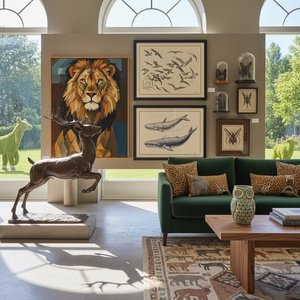
Animalia: A Presença Duradoura dos Animais na Arte e no Design de Interiores
Explore a rica história da representação animal na arte e como ela inspira o design de interiores. Descubra simbolismos, tendências e artistas que celebram a beleza do reino animal.

