
 Visualizar em escala
 Enviar
 Compartilhar
 Ver detalhes
 Guia de Obras do Aluno

 Baixar imagem
 Semelhantes
 Raio X
 Apresentação de slides
 Estatísticas
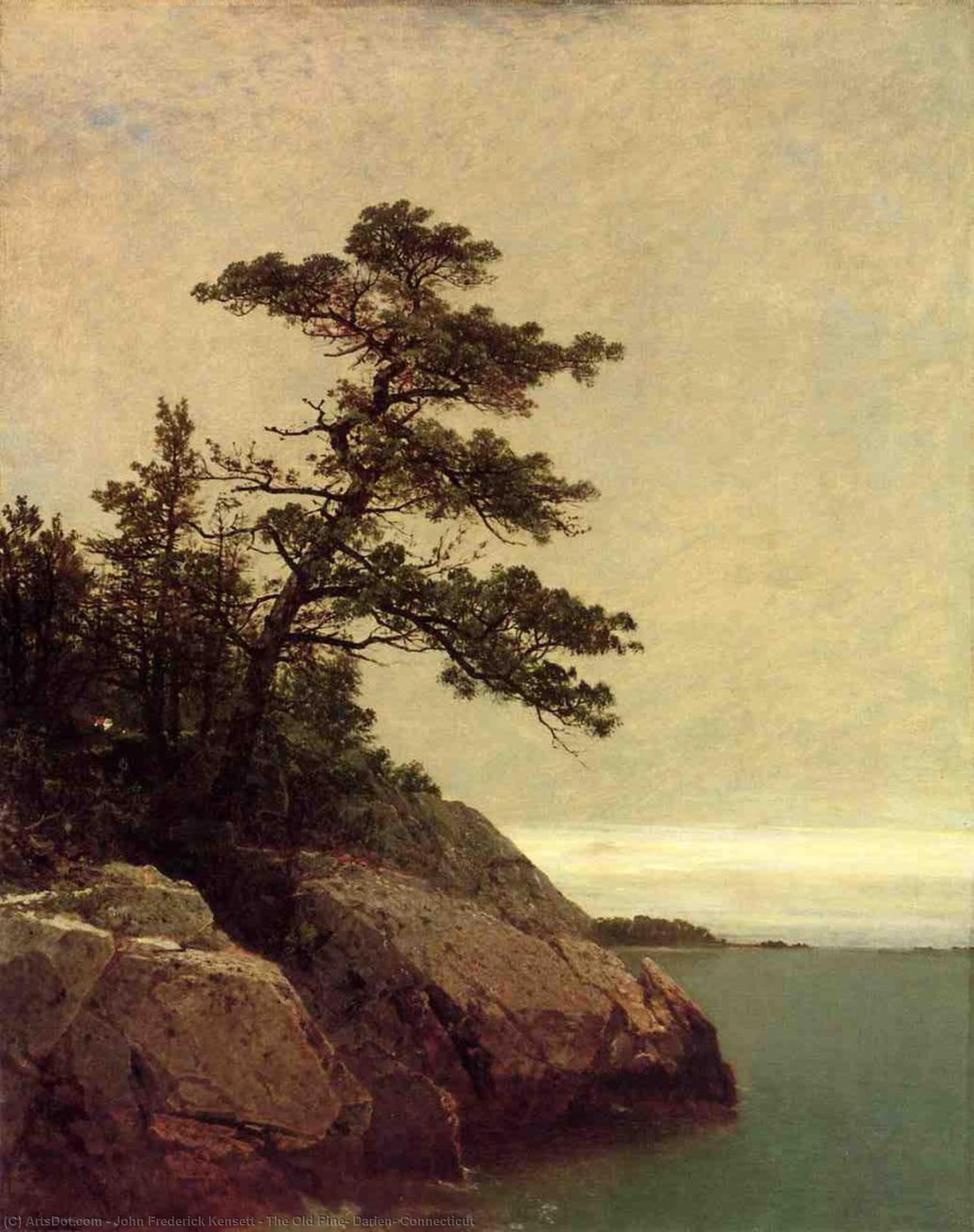
The Old Pine, Darien, Connecticut


 Ver mais
Giclée / Impressão de Arte
Impressão giclée ou em tela de qualidade de museu, com produção rápida e opções flexíveis de acabamento. ( Encomendar reprodução pintada à mão Ver Imagem Digital)




P118B $10

P118H $10

P118W $10

P438Z $10

P508JH $12

P508YH $12

P805H $10

P805Z $10

P919BZ $10

P919G $10

P919XJ $10

P959ZH $10

P968JZ $12

W106C $8

W218G $10

W218JH $8

W218Y $10

W307PJ $10

W316G $10

W316PJ $8

W316Y $10

W398PJ $8

W4111J $10

W500HY $15

W500JH $15

W692G $12

W849H $8

W940BG $15

W953PJ $8




Escolha entre os nossos tamanhos pré-definidos que respeitam as proporções originais da obra de arte.

Você pode inserir suas próprias dimensões para se ajustar a uma moldura ou espaço específico. Se o tamanho selecionado não corresponder às proporções da imagem original, iremos recortar a obra de arte ou estender a imagem com uma borda espelhada ou preenchimento sólido. Um mockup digital será enviado para sua aprovação antes do início da produção.
Por favor, observe que a visualização na tela não reflete o recorte ou a extensão real. Apenas o mockup mostrará com precisão a composição final.
Embora tamanhos personalizados estejam disponíveis, recomendamos selecionar uma dimensão da lista predefinida para preservar as proporções originais.
Entrega mundial () em 2 semanas, em vez das 4/5 semanas padrão. (26 Setembro)

Envio expresso gratuito para todo o mundo

Tela de Linho Premium

Seguro de transporte total

Garantia de Reembolso de Impostos Alfandegários

Garantia de Fidelidade de Cor

Política de Devolução em 100 Dias (Apenas para Defeitos)

Garantia de reembolso de 100%

Desconto para múltiplas unidades
 A opção de vidro está disponível apenas para tamanhos inferiores a 110 cm

The Old Pine, Darien, Connecticut
Giclée / Impressão de Arte
Dimensões da Reprodução
-


Preço Total
$ 80
A Moment Frozen in Light: Exploring John Frederick Kensett’s “The Old Pine”
John Frederick Kensett (1816–1872), a pivotal figure in the Hudson River School and Luminist movement, possessed an unparalleled ability to distill the essence of American landscape into exquisitely rendered paintings. His work transcends mere depiction; it strives for a profound communion with nature, capturing not just what is seen but also how it feels—a stillness imbued with radiant luminosity that continues to captivate viewers today. “The Old Pine,” painted in 1872 during his final summer on Long Island Sound off Darien, Connecticut, exemplifies this artistic philosophy perfectly.Subject Matter and Composition: A Study in Tranquility
At first glance, the painting presents a deceptively simple scene: a solitary pine tree perched precariously on a cliff edge overlooking the expansive ocean. However, Kensett’s meticulous observation reveals layers of detail—the rugged coastline punctuated by weathered rocks—that contribute to an overall impression of austere beauty and resilience. The artist deliberately eschewed grand vistas or dramatic narratives, opting instead for a focused portrayal of a single tree against the backdrop of atmospheric light. This deliberate restraint serves not to diminish the scene’s impact but rather to heighten its contemplative quality.Luminist Technique: Capturing Transient Light
Kensett's signature style—luminism—was born from a fascination with capturing fleeting moments of natural illumination. Unlike his predecessors who often employed dramatic chiaroscuro effects, Kensett favored subtle gradations of color and tone to convey the ethereal quality of sunlight filtering through foliage. The artist achieved this remarkable feat through painstaking layering of thin glazes – applying multiple coats of translucent paint—allowing each subsequent layer to subtly modify the hue and intensity of light reflected from beneath. This technique is particularly evident in the dappled illumination that dances across the pine needles, creating an illusion of movement and vibrancy despite the stillness of the composition.Historical Context: Transcendentalism and the American Spirit
“The Old Pine” emerged during a period marked by intellectual ferment—the Transcendentalist movement championed by Ralph Waldo Emerson and Henry David Thoreau—which profoundly influenced American art and thought. These thinkers believed in the inherent goodness of humanity and the interconnectedness of all things, advocating for a return to nature as a source of spiritual renewal. Kensett’s painting embodies this ethos, reflecting the broader cultural preoccupation with capturing sublime beauty and conveying a sense of awe before the grandeur of the natural world. It speaks to an ideal of American identity rooted in simplicity, contemplation, and reverence for the unspoiled landscapes of the nation.Symbolism: Resilience Amidst Decay
The pine tree itself holds significant symbolic weight within Western tradition—representing longevity, perseverance, and spiritual fortitude. Its weathered trunk and sparse foliage serve as a poignant reminder of the passage of time and the inevitability of decay, yet it stands tall against the turbulent sea winds, symbolizing resilience and unwavering faith in the face of adversity. Kensett’s deliberate choice to depict this tree—a symbol of enduring strength—underscores the painting's overarching message: beauty can be found even in solitude and vulnerability, and true artistry lies in capturing the profound emotional resonance of natural phenomena.Emotional Impact: A Balm for the Soul
Ultimately, “The Old Pine” transcends mere visual representation; it aspires to evoke a feeling of serenity and contemplation within the viewer. The painting’s luminous palette and harmonious composition invite us to pause, breathe deeply, and appreciate the quiet grandeur of the natural world—a balm for the anxieties of modern life that continues to resonate with audiences today. It is a testament to Kensett's mastery of Luminist technique and his unwavering commitment to conveying the sublime beauty of American landscape.Biografia do Artista
John Frederick Kensett (1816–1872) – Um Mestre da Luz e Tranquilidade na Paisagem Americana
John Frederick Kensett, um artista americano e gravador, nasceu em Cheshire, Connecticut, em 22 de março de 1816. Como membro da segunda geração da Escola Hudsoniana dos artistas, suas obras mais marcantes são caracterizadas pela serenidade e luminosidade, celebrando os aspectos transcendentais da natureza. Uma figura fundamental na história da arte americana, Kensett deixou um legado duradouro que continua a inspirar artistas contemporâneos e amantes da beleza natural.Vida Inicial e Formação
Kensett passou seus primeiros anos estudando na Academia de Cheshire e aprendendo gravura com seu pai, Thomas Kensett. Sua formação artística inicial foi influenciada pela tradição inglesa da época, onde o pai também trabalhava como engraver. Após concluir seus estudos acadêmicos, Kensett iniciou uma carreira profissional como gravador em Nova Haven até 1838, antes de se mudar para Nova York para trabalhar em projetos de impressão de notas bancárias. Essa experiência precoce com a arte gráfica moldou seu olhar artístico e sua compreensão da técnica de impressão, habilidades que ele aplicaria posteriormente em suas pinturas.A Escola Hudsoniana e o Estilo Luminista
Kensett encontrou na Escola Hudsoniana um ambiente intelectualmente estimulante e uma comunidade artística vibrante que compartilhavam seus valores estéticos e filosóficos. Inspirado pelas ideias transcendentalistas de figuras como Ralph Waldo Emerson, Kensett adotou um estilo único que buscava capturar a essência da luz natural e transmitir suas propriedades sensoriais em suas telas. Essa abordagem inovadora, conhecida como luminismo, revolucionou a pintura paisagística americana e estabeleceu Kensett como um dos principais representantes desse movimento artístico.Viagens Europeias e Desenvolvimento Artístico
Em 1840, Kensett embarcou em uma viagem para Europa, onde estudou pintura ao lado de Benjamin Champney e outros artistas renomados da época. Essas experiências internacionais ampliaram seus horizontes culturais e enriqueceram seu repertório artístico, permitindo que ele absorvesse novas influências estéticas e técnicas. Durante sua estadia na Itália, Kensett explorou cidades como Roma e Florença, buscando inspiração nas obras de arte clássica e renascentista, elementos que se refletiram em suas pinturas posteriores.Principais Obras e Legado
Kensett é considerado um dos artistas mais importantes da Escola Hudsoniana e seu trabalho permanece relevante até hoje devido à sua beleza estética e à profundidade filosófica. Entre suas obras mais emblemáticas destacam-se *Mont Washington desde o Vale de Conway*, uma paisagem monumental que captura a majestade das montanhas Apalaches em pleno inverno, e *Eaton’s Neck, Long Island*, um retrato da costa norteamericana que demonstra sua habilidade técnica e sensibilidade artística. Além disso, Kensett foi fundador do Museu Metropolitano de Arte e membro ativo da Academia Nacional de Desenho, contribuindo significativamente para o desenvolvimento da arte americana e deixando uma marca indelével na história da cultura artística mundial. Sua obra continua a inspirar artistas contemporâneos e a celebrar a beleza da natureza como fonte de inspiração espiritual e estética.
John Frederick Kensett
1816 - 1872 , Estados Unidos da América
Informações Rápidas
- Artistic Movement Or Style: Hudson River School & Luminismo
- Artists Who Influenced This Artist:
- Thomas Cole
- Benjamin Champney
- Date Of Birth: March 22, 1816
- Date Of Death: December 14, 1872
- Full Name: John Frederick Kensett
- Nationality: Americano
- Notable Artworks:
- Montanha Washington da Vale de Conway
- Eaton's Neck, Long Island
- Place Of Birth: Cheshire, Estados Unidos
Artigos Relacionados

The Sublime Landscape: Exploring the Hudson River School Movement
Explore the captivating world of the Hudson River School! Discover the history, artists, and defining characteristics of this iconic American art movement. Learn about Romanticism's influence & find inspiration for your collection.

As 10 Obras-Primas que Definiram a Escola do Rio Hudson | Arte e Decoração de Luxo
Descubra as 10 obras-primas da Escola do Rio Hudson! Explore a beleza das paisagens americanas de Thomas Cole, Frederic Church e outros mestres. Encontre reproduções de arte exclusivas para decorar sua casa com elegância em OriginalUniqueArt.com.

Wild & Untamed: The High-Impact Energy of American Romanticism and the Hudson River School
Experience the raw power of American Romanticism. Explore the high-impact energy of the Hudson River School through premium, hand-painted oil reproductions that capture the sublime beauty and untamed spirit of the American wilderness for discerning collectors.

Robert Spencer: Luminism, Narrative & the American Landscape Tradition
Explore the captivating world of Luminism & the Hudson River School with our expert analysis. Discover the history, artists, and enduring beauty of 19th-century American landscape painting. Find museum-quality reproductions at OriginalUniqueArt.

John Frederick Kensett: Luminosity, Landscape & the American Identity
Explore the luminous landscapes of John Frederick Kensett, a master of Luminism and key figure in the Hudson River School. Discover his serene paintings & enduring legacy with OriginalUniqueArt.


