Romantic Landscape Painting · 1816
wivenhoe park (John Constable, 1816)
John Constable (1776–1837) criou wivenhoe park. Data de 1816. Pertence ao movimento Romantic Landscape Painting. É feito em Oil On Canvas.
- 1816
- Oil On Canvas

 Visualizar na parede

 Pintura a Óleo Feita à Mão
 Compartilhar
 Compartilhar
 Ficha técnica


 Baixar imagem
 Semelhantes
 Raio X
 Ver diaporama
 Perguntas e Respostas

 Estatísticas
wivenhoe park, em resumo
- Título
- wivenhoe park
- Artista
- John Constable (1776–1837)
- Artista nascido em
- East Bergholt, Reino Unido
- Data
- 1816
- Técnica
- Oil On Canvas
- Movimento
- Romantic Landscape Painting
- Período
- 19th Century
- Tema
- landscape painting, rural england, cow herd, light & shadow, pastoral scene, british art
O que wivenhoe park retrata?
A Symphony of Light and Pastoral Serenity
In the annals of English Romanticism, few works capture the ephemeral magic of the countryside as profoundly as John Constable’s Wivenhoe Park. Completed in 1816, this masterpiece serves as much more than a mere topographical record of an Essex estate; it is a poetic meditation on the harmony between humanity and the natural world. As the eye wanders across the canvas, one is immediately struck by the palpable sense of peace that pervades the scene. The lush, verdant meadows, dotted with grazing cows and spirited horses, evoke a pastoral ideal where time seems to slow, inviting the viewer into a realm of eternal tranquility. For the discerning collector or interior designer, this painting offers an unparalleled sense of calm, making it a foundational piece for any space intended to inspire reflection and grace.
Constable’s technical mastery is most evident in his revolutionary approach to light and atmosphere. Eschewing the rigid, static compositions of his predecessors, he employed a loose, expressive brushwork that allows the sunlight to appear as if it is actively dancing across the landscape. Through the delicate use of atmospheric perspective, Constable creates a breathtaking sense of depth, where distant trees dissolve into soft, hazy blues and greens, suggesting the moisture-laden air characteristic of the English climate. This interplay of brilliant sunshine and cool, dappified shade creates a dynamic tension that breathes life into the canvas, ensuring that the painting feels less like a frozen moment and more like a living, breathing ecosystem.
Historical Resonance and Symbolic Depth
Beyond its aesthetic splendor, Wivenhoe Park carries significant historical weight. Commissioned by Major General Francis Slater Rebow, the painting stands as a testament to the patronage system that allowed the Romantic movement to flourish in Britain. The subject matter—the Rebow family's estate—was not merely a display of landed wealth but a celebration of fertility and abundance. The presence of livestock and the subtle inclusion of figures tending to the land symbolize a symbiotic relationship between man and nature, a theme that resonated deeply during an era when the Industrial Revolution was beginning to irrevocably alter the British landscape. By focusing on this idyllic, untouched version of the countryside, Constable provides a nostalgic window into a vanishing way of life.
For those seeking to integrate fine art into a modern interior, a high-quality reproduction of this work offers more than just decoration; it brings a narrative of endurance and beauty. The painting’s ability to anchor a room with its soft palette and rhythmic composition makes it an ideal choice for creating sophisticated, soulful environments. Whether placed in a sunlit study or a grand living area, Wivenhoe Park continues to perform its original function: acting as a window into a world of sublime harmony, reminding us of the enduring power of the natural spirit.
Imagens em alta resolução de wivenhoe park
John Constable, wivenhoe park (1816). Domínio público.
Perguntas sobre wivenhoe park respondidas
Em que ano foi criado "wivenhoe park"?
"wivenhoe park", de John Constable foi criado em 1816.
Qual técnica foi utilizada em "wivenhoe park", de John Constable?
John Constable utilizou a técnica de Oil On Canvas para "wivenhoe park". A técnica define a natureza material da obra original.
O que "wivenhoe park", de John Constable retrata?
"wivenhoe park", de John Constable retrata: landscape painting, rural england, cow herd, light & shadow, pastoral scene, british art, romanticism, farm estate.
A imagem de "wivenhoe park", de John Constable pode ser reproduzida livremente?
"wivenhoe park", de John Constable está em em domínio público — seus direitos autorais expiraram. Este status determina como a imagem da obra pode ser reproduzida.
Quem criou "wivenhoe park"?
O artista por trás de "wivenhoe park" é John Constable. A obra está catalogada sob o nome de John Constable.
A qual movimento artístico "wivenhoe park", de John Constable pertence?
O movimento associado a "wivenhoe park", de John Constable é Romantic Landscape Painting. Esta classificação situa a obra entre artistas e obras de arte relacionados.
A que fase da trajetória de John Constable "wivenhoe park" pertence?
Dentro da trajetória de John Constable, "wivenhoe park" pertence ao período Mature Period. Esta fase permite compará-la com outras obras do artista.
Qual era a idade de John Constable quando "wivenhoe park" foi criada?
John Constable criou "wivenhoe park" aos 40 anos. O artista nasceu em 1776 e a obra data de 1816.
Qual é a situação dos direitos autorais de "wivenhoe park", de John Constable?
"wivenhoe park", de John Constable, está em em domínio público — seus direitos autorais expiraram. Os termos de direitos autorais são calculados a partir do falecimento do artista, e John Constable faleceu em 1837.
Sobre o artista, John Constable
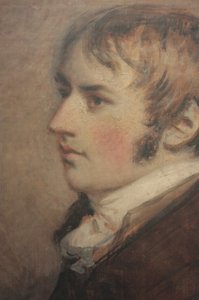
1776–1837, Reino Unido
John Constable
Vida Inicial, Família e Formação John Constable nasceu em 1776 na vila de East Bergholt, em Suffolk. Ele era o segundo filho de Golding e Ann (Watts) Constable. Seu pai era um próspero comerciante de milho e carvão que possuía o Flatford Mill. Essa conexão com o rio e com o comércio local significava que os ritmos das águas e o movimento das mercadorias faziam parte do cotidiano da família.
Também de John Constable
 A Vaia do Maio1821
 Vista da Catedral de Salisbury a partir dos Jardins do Bispo1823
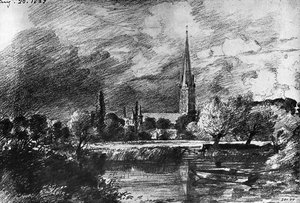 Salisbury catedral
 A Carroça de Feno (detalhe)1821
Ensaios sobre wivenhoe park
 John Constable: As 25 Obras-Primas que Definem o Mestre da Paisagem Inglesa | OriginalUniqueArtDescubra as 25 obras-primas de John Constable, o mestre da paisagem inglesa! Explore a arte romântica, cores vibrantes e histórias fascinan…
 25 Must-See Masterpieces at the Yale Center for British ArtExplore 25 iconic works from Turner to Hogarth at Yale Center for British Art. Discover every masterpiece on OriginalUniqueArt.com.
 British artworks of the 1800s19th-century British art featuring the masterpieces of John Constable, William Blake, and Thomas Lawrence. View the full collection at Orig…