Visualizar na parede
 Compartilhar
 Compartilhar
 Detalhes
 Guia
Guia

 Baixar imagem
 Semelhantes
 Raio X
 Ver diaporama
 Estatísticas
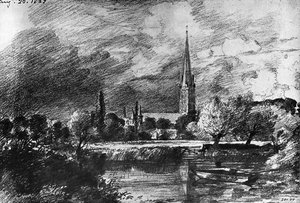
Salisbury Cathedral desde os Jardins Episcopal
 Óleo sobre tela
- Arte de Parede
- Romanticismo
 1825
1825- Século XIX
 88.0 x 112.0 cm
 Museu Metropolitano de Arte
 Ler mais
Reprodução em Óleo Feita à Mão
Óleo sobre tela pintado à mão no tamanho e moldura de sua escolha, feito sob encomenda pelos nossos artistas. ( Alternar para Impressão Alternar para Imagem Digital)




P118B €10

P118H €10

P118W €10

P438Z €10

P508JH €12

P508YH €12

P805H €10

P805Z €10

P919BZ €10

P919G €10

P919XJ €10

P959ZH €10

P968JZ €12

W106C €8

W218G €10

W218JH €8

W218Y €10

W307PJ €10

W316G €10

W316PJ €8

W316Y €10

W398PJ €8

W4111J €10

W500HY €15

W500JH €15

W692G €12

W849H €8

W940BG €15

W953PJ €8




Escolha entre os nossos tamanhos pré-definidos que respeitam as proporções originais da obra de arte.

Insira a largura e a altura desejadas para se ajustarem à sua moldura ou parede. Como esta obra é pintada à mão, para um tamanho com proporções diferentes, o artista poderá pintar um pouco mais ao redor da imagem ou reduzir ligeiramente a composição — você escolhe. Enviamos uma maquete digital para sua aprovação antes de iniciar a pintura. A imagem exibida nesta página não representa o resultado real — apenas a maquete mostra o resultado final.
Após o pedido, a equipa OriginalUniqueArt.com enviará um e-mail ao cliente para solicitar instruções e fornecer uma prévia do esboço.
Entrega mundial () em 3 a 4 semanas, em vez das 5 semanas padrão. (26 Outubro). Sem comprometer a qualidade.

Envio expresso gratuito para todo o mundo

Tela de Linho de Alta Qualidade

Seguro de transporte completo

Garantia de Reembolso de Impostos Alfandegários

Garantia de Fidelidade Cromática

Política de Devolução em 100 Dias (Apenas para Defeitos)

Garantia de reembolso de 100%

Oferta de desconto por quantidade
 A opção de vidro está disponível apenas para tamanhos inferiores a 110 cm

Salisbury Cathedral desde os Jardins Episcopal
Técnica de Reprodução
Tamanho da Reprodução
-


Preço Total
€ 285
A Pastoral Vision: Unveiling Constable’s Salisbury Cathedral from the Bishop’s Grounds
John Constable’s *Salisbury Cathedral from the Bishop’s Grounds* (1825) is more than just a depiction of an architectural marvel; it’s a poignant expression of his deep connection to the English countryside and a masterful example of Romantic landscape painting. This iconic work, currently residing at the Metropolitan Museum of Art in New York, invites viewers into a serene world where faith, nature, and human life harmoniously coexist.Subject and Composition
The painting presents a captivating view of Salisbury Cathedral, its imposing Gothic spire rising majestically above a lush, verdant landscape. Constable strategically positions the cathedral within the Bishop’s Grounds, framing it with mature trees that soften its architectural rigidity. A gentle stream meanders through the foreground, leading the eye towards the cathedral and creating a sense of depth. Figures populate the scene – individuals strolling leisurely, adding a human scale to the grandeur of the setting. Two horses further animate the composition, suggesting movement and everyday life unfolding within this picturesque vista.Style and Technique
Constable’s style is distinctly Romantic, prioritizing emotional response and an idealized portrayal of nature over strict topographical accuracy. He employed a loose, expressive brushstroke – a hallmark of his technique – to capture the fleeting effects of light and atmosphere. This approach imbues the painting with a sense of immediacy and vitality. The use of oil on canvas allows for rich textures and subtle gradations of color, particularly evident in the foliage and stonework. His masterful handling of light creates a diffused glow, evoking a tranquil and contemplative mood.Historical Context & Commission
Completed in 1825, *Salisbury Cathedral from the Bishop’s Grounds* was commissioned by John Fisher, the Bishop of Salisbury and a close friend of the artist. This commission reflects Constable’s growing recognition and his ability to capture the essence of English identity through landscape. It is one of several paintings Constable created depicting Salisbury Cathedral, each offering a unique perspective on this iconic landmark. Interestingly, the Bishop initially requested a second version with a more cheerful sky, demonstrating the personal connection between artist and patron and highlighting the symbolic importance of light within the work.Symbolism & Emotional Impact
The cathedral itself symbolizes faith, history, and enduring human achievement. Its placement within the natural landscape suggests a harmonious relationship between humanity and nature – a central theme in Romantic art. The figures scattered throughout the scene represent everyday life and the continuity of tradition. Constable’s choice of an overcast sky, while initially criticized by his patron, adds a layer of emotional complexity, evoking feelings of melancholy, reflection, and the sublime power of nature.Constable's Legacy
John Constable revolutionized landscape painting, influencing generations of artists with his innovative techniques and deeply personal vision. He paved the way for movements like the Barbizon School in France, inspiring a new appreciation for naturalism and emotional expression in art. *Salisbury Cathedral from the Bishop’s Grounds* stands as a testament to his enduring legacy – a masterpiece that continues to captivate viewers with its beauty, tranquility, and profound connection to the English countryside.Owning a Piece of History
- A Timeless Aesthetic: This painting offers a classic and sophisticated addition to any interior design scheme.
- Evocative Atmosphere: The serene mood and natural beauty create a calming and inspiring ambiance.
- Investment in Art History: A reproduction allows you to connect with the legacy of one of England’s most celebrated artists.
Perguntas e Respostas
O que "Salisbury Cathedral desde os Jardins Episcopal", de John Constable retrata?
"Salisbury Cathedral desde os Jardins Episcopal", de John Constable retrata: paisagem, arquitetura, cathedral, natureza, luz, campo, escultura, romantismo.
Quem criou "Salisbury Cathedral desde os Jardins Episcopal" e quando?
"Salisbury Cathedral desde os Jardins Episcopal" foi criado por John Constable em 1825.
Onde posso comprar uma impressão de "Salisbury Cathedral desde os Jardins Episcopal", de John Constable?
Para obter uma impressão de "Salisbury Cathedral desde os Jardins Episcopal", de John Constable, basta encomendá-la na sua página de Impressão Fine Art: uma impressão fine art em tela de algodão ou papel canvas de arquivo.
Biografia do Artista
A Life Rooted in the English Landscape
John Constable, nascido em 1776 na idílica vila de East Bergholt, no condado de Suffolk, não foi meramente um pintor de paisagens; ele foi um poeta da terra, traduzindo suas sutis nuances e beleza duradoura para a tela com uma profundidade emocional sem precedentes. Seu pai, um próspero comerciante de grãos que possuía tanto Dedham Vale quanto moinhos ao longo do Rio Stour, não apenas forneceu segurança financeira, mas também o próprio assunto que definiria a vida artística de Constable. Essa imersão precoce no mundo rural – o ritmo lento da vida agrícola, a luz mutável sobre campos e água, os detalhes íntimos da natureza – ficaram gravados em sua sensibilidade. Embora inicialmente destinado a seguir seu pai nos negócios, uma paixão crescente pela arte, nutrida por mecenas locais como George Beaumont, que o apresentou às obras de Claude Lorrain, acabou direcionando-o para um caminho diferente. A jornada artística de Constable não foi imediata; foi um desdobramento gradual, moldado por observação cuidadosa e um desejo persistente de capturar não apenas *o que* ele via, mas *como* era estar presente dentro da paisagem.Quebrando com a Convenção: Uma Nova Visão da Natureza
O desenvolvimento artístico de Constable foi marcado por uma rejeição deliberada das convenções acadêmicas prevalecentes. Insatisfeito com as paisagens idealizadas e frequentemente teatrais favorecidas pela Academia Real, ele buscou em vez disso uma representação fiel da natureza, imbuída de sentimento pessoal. Ele não estava interessado em narrativas históricas grandiosas ou cenas mitológicas; seu foco permaneceu firmemente na paisagem familiar ao seu redor. Esse compromisso em retratar assuntos ordinários – esteiras de feno, edifícios rurais, vida da vila – foi inicialmente recebido com resistência dos críticos, que consideraram sua obra muito comum e carente de ambição. No entanto, Constable perseverou, impulsionado por uma convicção de que a beleza residia no cotidiano. Ele pioneirizou uma técnica de pintura *en plein air*, aventurando-se para fora para observar diretamente e capturar os efeitos fugazes da luz e do clima. Essa interação direta com a natureza permitiu que ele infundisse suas telas com imediatismo e vitalidade antes não vistos na arte de paisagem britânica. Seu pincel se tornou cada vez mais solto e expressivo, empregando *impasto* – camadas espessas de tinta – para criar textura e transmitir uma sensação de movimento e atmosfera. Ele não estava simplesmente registrando o que via; ele estava traduzindo sua resposta emocional à terra em forma visual.Obras Icônicas e um Legado Duradouro
As obras mais célebres de Constable são testemunhos de sua visão única. The Hay Wain (1821), talvez sua obra mais reconhecível, retrata uma cena rural essencial no Rio Stour, capturando a tranquilidade e a harmonia da vida agrícola. Hadleigh Castle (1829) demonstra seu uso dramático da luz e dos efeitos atmosféricos, transformando um ruído em ruínas em um poderoso símbolo do passar do tempo. A série de pinturas representando Salisbury Cathedral from the Meadows (1831) demonstra sua capacidade de evocar diferentes estados de espírito e momentos do dia, revelando a catedral como parte integrante da paisagem natural. Netley Abbey (1824), com sua representação evocativa da grandiosidade arquitetônica em meio à natureza selvagem, exemplifica sua habilidade em combinar a criação humana com a beleza selvagem da paisagem rural. Apesar das dificuldades iniciais de reconhecimento na Inglaterra, Constable alcançou grande aclamação na França, onde sua técnica inovadora e profundidade emocional ressoaram profundamente com os artistas que buscavam uma representação mais naturalista da pintura de paisagens. Ele influenciou profundamente a Escola de Barbizon, um grupo de pintores franceses que compartilhavam seu compromisso com a pintura *en plein air* e a observação direta da natureza.Vida Pessoal & Últimos Anos
A vida pessoal de Constable foi marcada por alegria e tristeza. Casou-se com Maria Bicknell em 1816, e eles tiveram sete filhos, embora muitos deles não sobrevivessem à infância. Seu casamento lhe forneceu apoio emocional, mas também estresse financeiro. Foi eleito acadêmico real em 1829, mas continuou a enfrentar críticas de alguns setores, particularmente em relação às suas técnicas incomuns. Seus últimos anos foram obscurecidos pela saúde decrescente de Maria e sua eventual morte em 1828, um evento que o afetou profundamente. Apesar dessas dificuldades, Constable permaneceu dedicado à sua arte, continuando a pintar até sua própria morte em 31 de março de 1837. Deixou para trás uma rica herança artística – um testemunho de seu compromisso inabalável em capturar a beleza e a ressonância emocional da paisagem inglesa. Suas pinturas permanecem evocações poderosas de uma era passada, convidando os espectadores a experimentar a paisagem através de seus olhos únicos e sensíveis.Influências
Constable foi influenciado por vários artistas e movimentos. Claude Lorrain, com sua ênfase na beleza idealizada da natureza e o uso dramático da luz, forneceu um modelo para Constable em seus primeiros anos. Jacob Ruysdael, um mestre holandês do século XVII conhecido por suas paisagens atmosféricas e pinceladas soltas, também exerceu uma influência significativa sobre Constable. Além disso, a obra de artistas como Rubens, com sua atenção ao detalhe e à cor vibrante, inspirou Constable a desenvolver seu próprio estilo distintivo. A Escola Barbizon, um grupo de pintores franceses que compartilhavam o compromisso de Constable com a pintura *en plein air* e a observação direta da natureza, também desempenhou um papel importante na formação do trabalho de Constable.Histórico Significância
A importância histórica de Constable reside não apenas em suas inovações artísticas, mas também em seu impacto profundo no desenvolvimento da pintura de paisagem. Ele desafiou as convenções acadêmicas, elevou o status dos assuntos ordinários e abriu caminho para uma abordagem mais pessoal e emocionalmente expressiva da arte. Sua ênfase na observação direta, nos efeitos atmosféricos e na representação fiel da natureza antecipou muitas das preocupações dos pintores impressionistas posteriores. Ele demonstrou que a paisagem poderia ser um veículo para uma expressão emocional profunda, capaz de evocar sentimentos de nostalgia, tranquilidade e admiração. Embora tenha enfrentado dificuldades financeiras ao longo de grande parte de sua carreira e tenha morrido relativamente jovem em 1837, seu legado perdura. Hoje, Constable é celebrado como um dos maiores artistas da Grã-Bretanha, cujas pinturas continuam a cativar o público com sua beleza, sinceridade e poder duradouro. Sua obra serve como um lembrete pungente da conexão profunda entre a humanidade e o mundo natural e do potencial transformador da arte para capturar sua essência.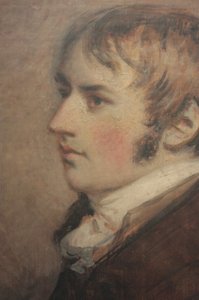
John Constable
1776 - 1837 , Reino Unido
Dados Rápidos
- Artistic Movement Or Style: Romantismo
- Artists Or Movements Influenced By This Artist: ['Barbizon School']
- Artists Who Influenced This Artist:
- Claude Lorrain
- Ruisdael
- Date Of Birth: 11 Jun 1776
- Date Of Death: 31 Mar 1837
- Full Name: John Constable
- Nationality: Britânico
- Notable Artworks:
- The Hay Wain
- Castelo de Hadleigh
- Salisbury Cathedral
- Place Of Birth: East Bergholt, UK
Artigos Relacionados

John Singer Sargent: As 25 Obras-Primas que Definem um Ícone da Arte
Descubra as 25 obras-primas de John Singer Sargent, o mestre do retrato e do impressionismo americano. Explore a história, técnica e beleza atemporal de seus quadros mais famosos. Encontre reproduções de arte exclusivas para decorar sua casa com elegância em OriginalUniqueArt.com.

Os 10 Mestres da Paisagem Romântica: Arte para Inspirar a Sua Casa
Descubra os 10 quadros mais emblemáticos da Paisagem Romântica! Explore a história de Turner, Friedrich e outros mestres. Encontre reproduções de arte exclusivas para inspirar sua decoração em OriginalUniqueArt.com.

Capturing the English Landscape: The Timeless Mastery and Romantic Legacy of John Constable
Explore the profound legacy of John Constable. Discover how his mastery of light, atmosphere, and the English landscape redefined Romanticism through timeless, museum-quality oil reproductions for discerning collectors.

John Constable: As 25 Obras-Primas que Definem o Mestre da Paisagem Inglesa | OriginalUniqueArt
Descubra as 25 obras-primas de John Constable, o mestre da paisagem inglesa! Explore a arte romântica, cores vibrantes e histórias fascinantes por trás de 'Hay Wain' e outras pinturas icônicas. Encontre reproduções de alta qualidade para decorar sua casa com OriginalUniqueArt.com.
John Constable: Nature, Light & the Romantic Vision of Rural England
Explore the life & art of John Constable, the Romantic painter who revolutionized landscape with emotive scenes of rural England. Discover his techniques, legacy, and key works – perfect for collectors & enthusiasts.