Romantic Realism · 1809
Mary Freer (John Constable, 1809)
John Constable (1776–1837) criou Mary Freer. Data de 1809. Pertence ao movimento Romantic Realism. É feito em Acrylic On Canvas. Está conservada no Yale Center for British Art, em New Haven, Estados Unidos da América. Mede 98 × 86 cm.
- 1809
- Acrylic On Canvas
- 98 × 86 cm
- Yale Center for British Art, New Haven

 Visualizar na parede

 Pintura a Óleo Feita à Mão
 Compartilhar
 Compartilhar
 Ficha técnica


 Baixar imagem
 Semelhantes
 Raio X
 Ver diaporama
 Perguntas e Respostas

 Estatísticas
Mary Freer, em resumo
- Título
- Mary Freer
- Artista
- John Constable (1776–1837)
- Artista nascido em
- East Bergholt, Reino Unido
- Data
- 1809
- Técnica
- Acrylic On Canvas
- Dimensões
- 98 × 86 cm
- Onde ver
- Yale Center for British Art, New Haven, Estados Unidos da América
- Movimento
- Romantic Realism
- Tema
- portrait, landscape, emotion, youth, innocence, detail
O que Mary Freer retrata?
Captivating Subject and Emotional Depth
This exquisite portrait captures a young girl with a contemplative, slightly melancholic expression, inviting viewers into her inner world. Her delicate features, expressive eyes, and gentle posture evoke a sense of innocence, vulnerability, and introspection. The subtle emotional tone of the piece resonates deeply, making it a powerful focal point for any refined interior. The subject’s quiet dignity and thoughtful gaze create a timeless connection, inspiring viewers to reflect on themes of youth, innocence, and fleeting moments of life.Elegant Style and Artistic Technique
Created in 1809, this painting exemplifies Romantic realism, blending meticulous detail with emotional authenticity. The artist employs fine brushwork to render soft textures in her skin, hair, and clothing, while expertly manipulating light and shadow to enhance depth and realism. The subtle use of diffused lighting highlights her face and upper body, creating a luminous effect that emphasizes her delicate features. The composition’s focus on the central figure against a dark, understated background draws attention directly to her, fostering an intimate viewing experience. The oil-on-canvas technique ensures rich tonal variations and a luminous quality that elevates the portrait’s visual impact.Historical Context and Artistic Significance
Painted during the early 19th century, this work reflects the Romantic era’s emphasis on individual emotion and natural beauty. The period was marked by a shift away from classical ideals toward more personal and expressive representations. The artist’s focus on realism combined with subtle emotional cues aligns with the broader Romantic movement’s exploration of inner life and human vulnerability. This portrait not only showcases technical mastery but also embodies the era’s fascination with capturing authentic human experience, making it a valuable piece for collectors and art enthusiasts interested in this transformative period.Symbolism and Interpretive Layers
While the portrait’s primary focus is on the girl’s contemplative expression, subtle symbolic elements enhance its depth. Her crossed arms and slightly parted lips suggest introspection, vulnerability, or longing—universal themes that resonate across generations. The dark background serves to isolate her figure, emphasizing her emotional state and creating a sense of timelessness. The gentle color palette, with warm flesh tones and muted whites, underscores innocence and purity, while the soft curls framing her face add a touch of youthful grace.Inspiration and Interior Design Appeal
This high-quality reproduction offers a captivating addition to sophisticated interiors, inspiring both art lovers and interior designers seeking to evoke emotion and elegance. Its intimate scale and detailed execution make it suitable for display in living rooms, studies, or galleries, where it can serve as a centerpiece that sparks conversation and reflection. Whether as a collector’s prized possession or a refined decorative element, this portrait embodies timeless beauty, emotional resonance, and artistic excellence—an enduring testament to the human spirit captured on canvas.Em qual museu se encontra Mary Freer?
Yale Center for British Art
New Haven, Estados Unidos da América
A História do Yale Center for British Art Estabelecido em 1966, o Yale Center for British Art ocupa um lugar de destaque em New Haven, Connecticut, nos Estados Unidos da América. A instituição teve sua origem a partir de uma doação de uma coleção extraordinária reunida por Paul Mellon. Este alicerce transformou o panorama dos estudos da arte britânica na região, proporcionando um lar permanente para obras que traçam a evolução da identidade visual de uma nação.


Imagens em alta resolução de Mary Freer

John Constable, Mary Freer (1809), Yale Center for British Art. Domínio público.
Perguntas sobre Mary Freer respondidas
Onde "Mary Freer", de John Constable está em exibição hoje?
"Mary Freer", de John Constable está em exibição no Yale Center for British Art, New Haven, Estados Unidos da América. A referência ao museu diz respeito à obra original, não a reproduções.
Em que ano foi criada a obra "Mary Freer", de John Constable?
"Mary Freer" data de 1809. A data situa a obra na carreira de John Constable e em sua época.
Qual é a técnica utilizada em "Mary Freer", de John Constable?
John Constable utilizou a técnica de Acrylic On Canvas para "Mary Freer". A técnica define a natureza material da obra original.
Quais são as dimensões da obra original "Mary Freer", de John Constable?
"Mary Freer" mede 98 x 86 cm em sua forma original. As dimensões originais são uma referência útil ao escolher o tamanho de uma reprodução.
Quais temas aparecem em "Mary Freer", de John Constable?
"Mary Freer", de John Constable retrata: portrait, landscape, emotion, youth, innocence, detail, light.
A imagem de "Mary Freer", de John Constable pode ser reproduzida livremente?
Informação de direitos autorais para "Mary Freer", de John Constable: a obra está em em domínio público — seus direitos autorais expiraram. Isso determina se reproduções da imagem podem ser feitas livremente.
A qual artista "Mary Freer" é atribuída?
"Mary Freer" foi criado por John Constable. As informações nesta página descrevem a obra original de John Constable.
A qual movimento artístico "Mary Freer", de John Constable pertence?
"Mary Freer", de John Constable pertence ao movimento Romantic Realism. Este movimento fornece o contexto estilístico da obra.
A que fase da trajetória de John Constable "Mary Freer" pertence?
"Mary Freer" pertence ao Early Romanticism da carreira de John Constable. Esta classificação relaciona a obra ao desenvolvimento do artista.
Sobre o artista, John Constable
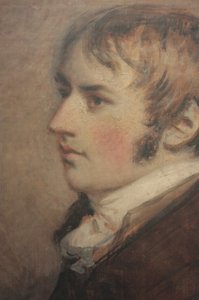
1776–1837, Reino Unido
John Constable
Vida Inicial, Família e Formação John Constable nasceu em 1776 na vila de East Bergholt, em Suffolk. Ele era o segundo filho de Golding e Ann (Watts) Constable. Seu pai era um próspero comerciante de milho e carvão que possuía o Flatford Mill. Essa conexão com o rio e com o comércio local significava que os ritmos das águas e o movimento das mercadorias faziam parte do cotidiano da família.
Também de John Constable
 A Vaia do Maio1821
 Vista da Catedral de Salisbury a partir dos Jardins do Bispo1823
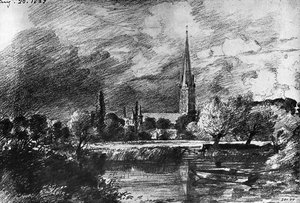 Salisbury catedral
 A Carroça de Feno (detalhe)1821
Ensaios sobre Mary Freer
 Romantic Realism's Finest: 10 Masterpieces for Your Home | OriginalUniqueArtExplore 10 defining masterpieces of Romantic Realism! Discover Courbet, Millet & Daumier's powerful paintings—capturing emotion and social …
 Mastering the English Landscape: The Top 25 John Constable ArtworksImmerse yourself in the soulful landscapes of John Constable. Explore our curated list of 25 iconic masterpieces, from atmospheric skies to…
 Private Gallery: The Connoisseur's Guide to Designing Museum-Quality Art Displays for the HomeElevate your residence with a private gallery. Our expert guide reveals professional techniques for designing museum-quality art displays, …