
 Visualizar em escala
 Enviar
 Compartilhar
 Ver detalhes

 Baixar
 Semelhantes
 Raio X
 Apresentação de slides
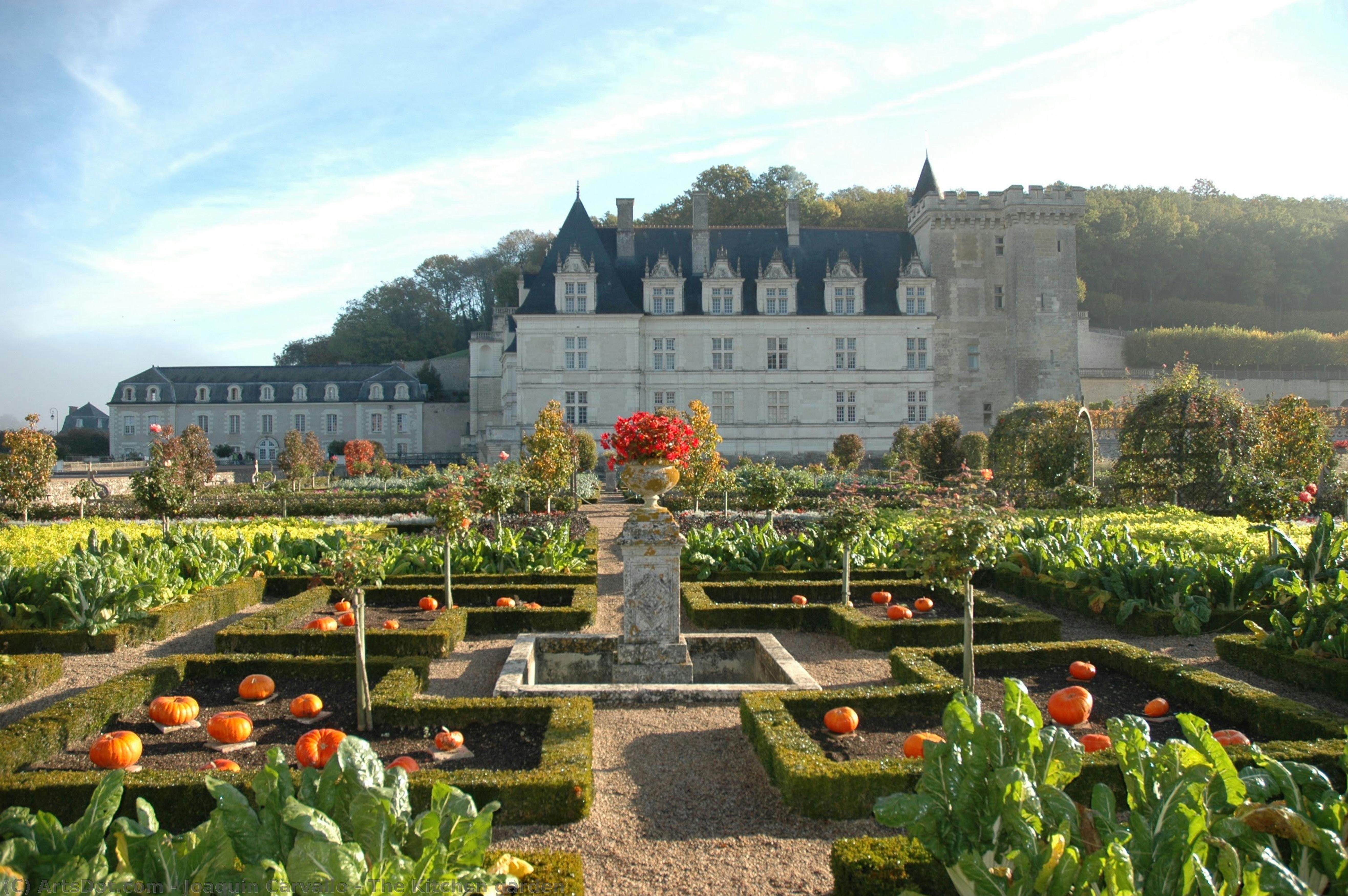
The Kitchen garden

 Ver mais
Reprodução em Óleo Feita à Mão
Óleo sobre tela pintado à mão no seu tamanho e moldura, feito sob encomenda pelos nossos artistas. ( Ver impressão do pedido Baixar imagem em alta resolução)




































Escolha entre os nossos tamanhos pré-definidos que respeitam as proporções originais da obra de arte.

Pode inserir as suas próprias dimensões para se adequar a uma moldura ou espaço específico. Se o tamanho selecionado não corresponder às proporções da imagem original, iremos cortar a obra de arte ou estender a pintura com elementos adicionais pintados à mão. Um esboço digital será enviado para sua aprovação antes do início da produção.
Tenha em atenção que a pré-visualização no ecrã não reflete o corte ou extensão real. Apenas o esboço mostrará com precisão a composição final.
Embora tamanhos personalizados estejam disponíveis, recomendamos selecionar uma dimensão da lista predefinida para preservar as proporções originais.
Após o pedido, a equipa OriginalUniqueArt.com enviará um e-mail ao cliente para solicitar instruções e fornecer uma prévia do esboço.
Entrega mundial () em 3 a 4 semanas, em vez das 5 semanas padrão. (11 Agosto). Sem comprometer a qualidade.

Envio Expresso Gratuito para todo o Mundo

Tela de Linho Premium

Seguro de transporte total

Garantia de Reembolso de Impostos Alfandegários

Garantia de Fidelidade de Cor

Política de Devolução de 60 Dias (Apenas para Defeitos)

Garantia de reembolso de 100%

Desconto para múltiplas unidades
 A opção de vidro está disponível apenas para tamanhos inferiores a 110 cm

The Kitchen garden
Técnica de Reprodução
Dimensões da Reprodução
-


Preço Total
$ 300
Descrição da Obra
Biografia do Artista
Joaquín Carvallo: The Doctor, the Gardener, and the Soul of Villandry
Joaquín Carvallo (1869-1936) was a figure of remarkable duality – a respected Spanish medical doctor and researcher, and an equally passionate, albeit largely unsung, creator of one of France’s most celebrated gardens. Born in Don Benito, Spain, his life unfolded across continents, culminating in the breathtaking restoration of Château de Villandry, transforming it from a crumbling relic into a vibrant testament to French horticultural artistry. Carvallo's story is not simply that of an artist; it’s one of intellectual curiosity, serendipitous encounters, and a profound love for both medicine and beauty.
Carvallo’s early life was marked by academic achievement. He studied at the Universidad Complutense de Madrid, quickly establishing himself as a brilliant physician. His medical career led him to Paris, where he joined the research team of Dr. Charles Richet, a pioneer in physiology and a Nobel laureate (1913). This association exposed Carvallo to cutting-edge scientific inquiry, particularly in the field of digestion – a subject that would later inform his meticulous approach to garden design. However, it was an unexpected meeting that irrevocably altered the course of his life: through a chance encounter with Ann Coleman, an intern from Lebanon, Pennsylvania, he fell deeply in love. Miss Coleman, inheriting a substantial business fortune, shared a keen interest in art and architecture, and together they embarked on a journey far removed from the sterile environment of Parisian laboratories.
A Love Affair and a Dream Takes Root
The couple’s relocation to France was driven by both love and a shared vision. They sought refuge in a peaceful setting, eventually acquiring the dilapidated Château de Villandry in the Loire Valley. The château, originally constructed in 1536, had fallen into disrepair over centuries, its magnificent gardens largely forgotten. Ann Coleman’s considerable wealth provided the means to realize Carvallo's ambitious dream: to restore the château and its gardens to their former glory – a task that would consume much of his remaining years. This wasn’t merely a restoration project; it was an attempt to recapture the essence of French garden design, a deliberate act of cultural revival.
Carvallo's medical background profoundly influenced his approach to gardening. He meticulously studied historical treatises on horticulture, particularly those attributed to André Le Nôtre, the renowned designer of Versailles. He understood that a garden was not simply an arrangement of plants but a carefully orchestrated composition – a reflection of mathematical precision, geometric harmony, and a deep appreciation for natural forms. His work involved painstaking research into ancient techniques, employing innovative irrigation systems, and selecting plants that would thrive in the Loire Valley’s climate.
A Collection of Art and a Legacy of Beauty
Beyond his horticultural endeavors, Carvallo cultivated a remarkable collection of Spanish art from the 17th century. This passion for art mirrored his appreciation for beauty in all its forms – a sensibility that permeated both his medical practice and his garden design. The château’s walls now display works by masters such as Zurbarán, Alonso Cano, Juan de Arellano, and Berruguete, reflecting the couple's refined taste and their commitment to preserving cultural heritage. The collection stands as a testament to their shared love of art and their desire to create a space that embodied both beauty and intellectual curiosity.
Villandry Today: A Living Masterpiece
Today, Château de Villandry remains one of France’s most popular tourist destinations. Its spectacular gardens – a breathtaking display of geometric patterns, water features, and meticulously arranged flowerbeds – continue to captivate visitors from around the world. Henri Carvallo, the doctor's great-grandson, carries on his ancestor’s legacy, diligently maintaining and expanding the gardens while preserving their historical integrity. The work of Joaquín Carvallo is not confined to a single discipline; it represents a harmonious blend of medicine, art, horticulture, and a profound respect for the past – a testament to a life lived with passion, purpose, and an unwavering dedication to beauty.

joaquín carvallo
1869 - 1936 , Spain
Informações Rápidas
- Artistic Movement Or Style: Botanical Art
- Artists Or Movements Influenced By This Artist:
- Zurbarán
- Alonso Cano
- Juan de Arellano
- Berruguete
- Artists Who Influenced This Artist: ['Charles Richet']
- Date Of Birth: 1869
- Date Of Death: 1936
- Full Name: Joaquín Carvallo”
- Nationality: Spanish
- Notable Artworks:
- Aerial view - The Kitchen garden
- French la femme et le
- Place Of Birth: Don Benito, Spain

