Menu
Text size

() ·

A painting made for you, by hand

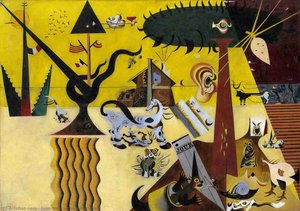
A parede da Lua

Reprodução em Óleo Feita à Mão

Óleo sobre tela pintado à mão no tamanho e moldura de sua escolha, feito sob encomenda pelos nossos artistas. ( Alternar para Impressão Alternar para Imagem Digital)

Descrição do Item

Admire 'A parede da Lua', uma obra abstrata marcante de Joan Miró que captura um ciclo vital em forma de bicicleta, muro amarelo e pássaro voando. Uma explosão de cores e formas catalãs!

Biografia do Artista

Descubra o universo surrealista de Joan Miró! Pinturas abstratas e símbolos catalães em obras-primas que celebram sonhos e beleza artística. Uma figura essencial da arte moderna!

from ·

Chapter 1

How large should it be?

Slide to change the size; the picture on the left shows the frame at its real width. The proportions of the original are kept.

Tamanho padrão
personalizado
CM
INCH

Escolha entre os nossos tamanhos pré-definidos que respeitam as proporções originais da obra de arte.

largura
altura

Insira a largura e a altura desejadas para se ajustarem à sua moldura ou parede. Como esta obra é pintada à mão, para um tamanho com proporções diferentes, o artista poderá pintar um pouco mais ao redor da imagem ou reduzir ligeiramente a composição — você escolhe. Enviamos uma maquete digital para sua aprovação antes de iniciar a pintura. A imagem exibida nesta página não representa o resultado real — apenas a maquete mostra o resultado final.

Chapter 2

How should it arrive?

Choose the edges of the stretched canvas

Choose your frame

Corner sample of the WhiteWrap canvas edge finish, stretched on madeira maciça bars
White €1
Corner sample of the BlurSideWrap canvas edge finish, stretched on madeira maciça bars
Blurside €1
Corner sample of the ExtendedWrap canvas edge finish, stretched on madeira maciça bars
Extended €1
Corner sample of the P118B picture frame: poliestireno moldado, 5 cm wide and 3 cm thick
P118B €10
Corner sample of the P118H picture frame: poliestireno moldado, 5 cm wide and 3 cm thick
P118H €10
Corner sample of the P118W picture frame: poliestireno moldado, 5 cm wide and 3 cm thick
P118W €10
Corner sample of the P438Z picture frame: poliestireno moldado, 5.5 cm wide and 3.5 cm thick
P438Z €10
Corner sample of the P508JH picture frame: poliestireno moldado, 7 cm wide and 3.5 cm thick
P508JH €12
Corner sample of the P508YH picture frame: poliestireno moldado, 7 cm wide and 3.5 cm thick
P508YH €12
Corner sample of the P805H picture frame: poliestireno moldado, 5 cm wide and 3.5 cm thick
P805H €10
Corner sample of the P805Z picture frame: poliestireno moldado, 5 cm wide and 3.5 cm thick
P805Z €10
Corner sample of the P919BZ picture frame: poliestireno moldado, 7 cm wide and 3.5 cm thick
P919BZ €10
Corner sample of the P919G picture frame: poliestireno moldado, 7 cm wide and 3.5 cm thick
P919G €10
Corner sample of the P919XJ picture frame: poliestireno moldado, 7 cm wide and 3.5 cm thick
P919XJ €10
Corner sample of the P959ZH picture frame: poliestireno moldado, 5 cm wide and 3 cm thick
P959ZH €10
Corner sample of the P968JZ picture frame: poliestireno moldado, 6 cm wide and 4 cm thick
P968JZ €12
Corner sample of the W106C picture frame: madeira maciça, 5 cm wide and 3 cm thick
W106C €8
Corner sample of the W218G picture frame: madeira maciça, 5 cm wide and 3 cm thick
W218G €10
Corner sample of the W218JH picture frame: madeira maciça, 5 cm wide and 3 cm thick
W218JH €8
Corner sample of the W218Y picture frame: madeira maciça, 5 cm wide and 3 cm thick
W218Y €10
Corner sample of the W307PJ picture frame: madeira maciça, 6 cm wide and 3 cm thick
W307PJ €10
Corner sample of the W316G picture frame: madeira maciça, 6 cm wide and 3 cm thick
W316G €10
Corner sample of the W316PJ picture frame: madeira maciça, 6 cm wide and 3 cm thick
W316PJ €8
Corner sample of the W316Y picture frame: madeira maciça, 6 cm wide and 3 cm thick
W316Y €10
Corner sample of the W398PJ picture frame: madeira maciça, 5 cm wide and 3 cm thick
W398PJ €8
Corner sample of the W4111J picture frame: madeira maciça, 6.5 cm wide and 3.5 cm thick
W4111J €10
Corner sample of the W500HY picture frame: madeira maciça, 7 cm wide and 5 cm thick
W500HY €15
Corner sample of the W500JH picture frame: madeira maciça, 7 cm wide and 5 cm thick
W500JH €15
Corner sample of the W692G picture frame: madeira maciça, 8 cm wide and 4 cm thick
W692G €12
Corner sample of the W849H picture frame: madeira maciça, 5 cm wide and 3 cm thick
W849H €8
Corner sample of the W940BG picture frame: madeira maciça, 7.5 cm wide and 4.5 cm thick
W940BG €15
Corner sample of the W953PJ picture frame: madeira maciça, 6 cm wide and 3.5 cm thick
W953PJ €8
Corner sample of the H24-GOLD picture frame: madeira entalhada com gesso, 10 cm wide and 6 cm thick
H24-GOLD €30
Corner sample of the H24-SILVER picture frame: madeira entalhada com gesso, 10 cm wide and 6 cm thick
H24-SILVER €30
Corner sample of the H36-GOLD picture frame: madeira entalhada com gesso, 15 cm wide and 6.5 cm thick
H36-GOLD €45
Corner sample of the H36-SILVER picture frame: madeira entalhada com gesso, 15 cm wide and 6.5 cm thick
H36-SILVER €45
Prévia da moldura
Com moldura

Moulding: . Overall size with the frame: .

Chapter 3

Who paints it, and should anything change?

Examples of what can be changed: Replace face with customer photo; Add pet (e.g., replace cat with dog); Include hidden message in background; Change background landscape or elements.
After order, OriginalUniqueArt.com team will email client for instructions and provide a mockup preview

Entrega mundial () em 3 a 4 semanas, em vez das 5 semanas padrão. (29 Outubro). Sem comprometer a qualidade.

Chapter 4

The finishing touches

A nameplate, as in a museum?

Detalhes da Placa de Bronze Gravada

This elegant plaque features the artist's name and the title of the artwork, finely engraved for a timeless presentation.

It is made from bronze with a refined, elegant finish. The text is precisely laser-engraved for a sharp and permanent result. Measuring 9x2 cm, the plaque is compact yet easy to read. It's built to be durable and scratch-resistant, offering a professional, museum-quality look. Mounting is simple thanks to the included adhesive backing.

Detalhes da Placa de Acrílico Transparente

The plaque includes essential engraved details such as the artist's name, the title of the artwork, the date it was created, the type of media used-like oil on canvas or watercolor-a brief description of the piece, and a QR code that links to the complete artwork information.

It is crafted from clear acrylic, offering a sleek, modern appearance. The text is UV-engraved in black to ensure strong visual contrast. With a size of 10x15 cm, it ensures optimal readability. It comes equipped with two metal hooks for secure wall mounting. The plaque is designed to be weather-resistant, making it suitable for various environments, and it includes interactive features that work seamlessly with smartphone scanning.

Detalhes da Placa de Acrílico Preto

This elegant plaque includes engraved information such as the artist's name, the title of the artwork, the date it was created, the type of media used (like oil on canvas or watercolor), a short description of the artwork, and a QR code for quick access to more information.

The plaque itself is made from refined black acrylic with a premium finish. The text is laser-engraved in white for high contrast and readability. Its size is 10x15 cm, designed to be easy to read. It comes with two metal hooks for professional mounting. The design is sleek and fits any interior style. It is also weather-resistant and durable, with built-in digital integration for mobile compatibility.

A protective varnish?

When do you need it?

Chapter 5

Your painting, as you ordered it

A parede da Lua

Técnica de Reprodução

Tamanho da Reprodução

-

Artista Sênior de Elite

Mais detalhes, refinamento e tempo de produção adicional

-

Moldura para Reprodução

-

-

Para obras de arte ou reproduções com mais de 105 cm (aproximadamente 41 polegadas) em qualquer um dos lados, a moldura será enviada como um kit desmontado. Este método garante uma entrega segura e evita danos durante o transporte.

Montagem profissional necessária — este não é um produto DIY (faça você mesmo).
O kit deve ser montado e a tela esticada por um profissional de molduraria experiente, utilizando cola de madeira (não inclusa), um alicate de esticar tela e grampos para manter as travessas alinhadas enquanto a cola seca. A montagem incorreta ou a tensão desigual da tela podem danificar permanentemente a obra de arte e não estão cobertas pela nossa garantia.

  • Todas as barras de madeira maciça estão incluídas, precisamente cortadas ao tamanho certo.

  • Montado com os parafusos fornecidos, além de cola para madeira para as junções dos cantos, que não está inclusa e deve ser providenciada pelo seu moldurista.

  • São necessárias ferramentas profissionais não incluídas: um alicate de estiramento de tela (esticador) e grampos para manter as ripas alinhadas enquanto a cola seca.

Importante:
As junções dos cantos requerem cola para madeira, as ripas devem ser mantidas com grampos até que a cola esteja completamente seca, e o estiramento da tela na moldura montada requer um alicate de esticar tela. Nenhum destes itens está incluído no kit. Por favor, certifique-se de contar com um profissional de molduraria experiente antes de encomendar este tamanho.

Etiqueta de identificação

-

-

Verniz de Proteção

Verniz brilhante (realça as cores e protege contra a luz e a umidade)

-

Personalizar minha obra

Exemplos de alterações possíveis: Substituir o rosto por uma foto do cliente; Adicionar um animal de estimação (ex.: substituir gato por cachorro); Incluir uma mensagem oculta no fundo; Alterar a paisagem ou os elementos do fundo.

-

Urgente

Entrega mundial () em 3 a 4 semanas, em vez das 5 semanas padrão. (29 Outubro). Sem comprometer a qualidade.

-

Envio Expresso

Entrega mundial para em 5 semanas. (5 Novembro).

Com envio incluído

Preço Total

€ 265

Preço Total € 265

A opção de vidro está disponível apenas para tamanhos inferiores a 110 cm

Included with every order

  • Envio expresso gratuito para todo o mundo
  • Tela de Linho de Alta Qualidade
  • Seguro de transporte completo
  • Garantia de Reembolso de Impostos Alfandegários
  • Garantia de Fidelidade Cromática
  • Política de Devolução em 100 Dias (Apenas para Defeitos)
  • Garantia de reembolso de 100%
  • Oferta de desconto por quantidade

Joan Miró e “O Muro da Lua”: Uma Jornada ao Universo Interior

Joan Miró (1893 – 1983), um artista catalão cuja obra transcendeu fronteiras estéticas e culturais, permanece como uma figura central no panorama artístico do século XX. Sua trajetória não foi apenas uma sucessão de estilos, mas sim uma exploração profunda dos próprios mundos internos, traduzindo sonhos, memórias e identidade catalã em telas com uma linguagem visual singularmente poética. Desde humildes origens marcadas pela doença e pelas reservas iniciais dos pais sobre suas ambições artísticas, Miró perseverou, impulsionado por uma necessidade intrínseca de expressar o intangível – as emoções, sensações e correntes subconscientes que residem abaixo da superfície da realidade. Sua vida inicial foi impregnada pelas tradições de Barcelona, uma cidade vibrante graças à arquitetura inovadora de Antoni Gaudí, cujo formas orgânicas influenciaram sutilmente suas obras posteriores. A profissão de joalhiero de seu pai despertou uma apreciação pela meticulosa artesanato, enquanto o agreste cenário catalão tornou-se um tema recorrente e fonte constante de inspiração.
  • Estilo: Miró é considerado um dos principais representantes do Surrealismo, embora ele próprio rejeitasse essa classificação. Sua arte caracteriza-se por uma estética abstrata que combina elementos figurativos e geométricos em uma linguagem simbólica rica e complexa.
  • Técnica: O artista utilizava técnicas diversas como pintura acrílica sobre tela, desenho à mão livre e gravura em cobre, buscando criar obras que transmitissem uma sensação de liberdade e espontaneidade. Sua paleta cromática era marcada por tons vibrantes e contrastantes, especialmente amarelo, vermelho e azul, que evocavam paisagens imaginárias e estados emocionais profundos.
  • Contexto Histórico: Miró viveu em um período marcado pela turbulência política e social da Espanha pós-guerra civil espanhola (1936-1939), o que influenciou sua obra e reforçou seu compromisso com temas como a liberdade, a resistência à opressão e a busca por valores humanos universais.

A Tela Como Espelho da Alma: Uma Análise Simbólica

“O Muro da Lua” exemplifica o espírito inovador de Miró, onde formas geométricas simplificadas e figuras estilizadas dialogam para criar uma composição que desafia a percepção visual convencional. O muro amarelo predominante simboliza luz e calor, elementos frequentemente associados à alegria e à energia vital – características marcantes na obra do artista. As linhas onduladas e curvas evocam movimentos naturais e ritmo orgânico, refletindo o desejo de Miró por capturar a beleza da natureza em sua forma mais pura e abstrata. O pássaro que voa acima do ciclista representa liberdade e esperança, elementos importantes para compreender a mensagem artística da obra. Além disso, os pequenos personagens presentes na tela podem ser interpretados como símbolos da consciência humana e da capacidade de transformação interior.

Uma Influência Gaudí: A Busca pela Forma Orgânica

A influência do arquiteto Antoni Gaudí é evidente nas obras de Miró, especialmente em sua atenção aos detalhes e à busca por formas orgânicas que imitam os padrões naturais. Gaudí acreditava que a arquitetura deveria estar em harmonia com o ambiente e inspirar emoções positivas nos observadores – uma filosofia que encontrou eco na estética de Miró. Como Gaudí utilizava materiais como pedra e vidro para criar estruturas inovadoras e surpreendentes, Miró explorava diferentes técnicas artísticas para transmitir uma sensação de movimento e transformação. Essa busca pela forma orgânica é um elemento fundamental para entender o universo artístico do pintor catalão.

Inspiração e Elegância: Uma Escolha Ideal Para Ambientes Contemporâneos

Uma reprodução meticulosa de “O Muro da Lua” pode trazer beleza e sofisticação para qualquer espaço interior, criando uma atmosfera calma e inspiradora que celebra a liberdade artística e a riqueza da imaginação humana. Sua composição equilibrada e cores vibrantes proporcionam um contraste interessante com outras obras de arte ou elementos decorativos, agregando personalidade e originalidade à decoração. Uma obra como essa é mais do que apenas uma imagem; é uma janela para o universo criativo de Joan Miró e uma homenagem à beleza da arte abstrata.

Perguntas e Respostas

Qual técnica e estilo caracterizam "A parede da Lua", de Joan Miró?

Em "A parede da Lua", a técnica de Acrílico sobre tela encontra o movimento Abstract Expressionism.

Que tipo de obra é "A parede da Lua"?

"A parede da Lua" é uma obra de Arte de Parede.

Posso ver "A parede da Lua" como um slideshow em tela cheia?

Um slideshow está disponível: a página Apresentação de imagens de "A parede da Lua", de Joan Miró.

More about this painting

Visualizar na parede Visualizar em RA Alternar para Impressão Alternar para Imagem Digital Compartilhar
Detalhes Guia Adicionar aos favoritos Baixar imagem Semelhantes Raio X Ver diaporama Q&A Estatísticas

In numbers

  • 29frames to choose from
  • standard sizes, in its own proportions
  • 5weeks to paint and deliver it

About the original

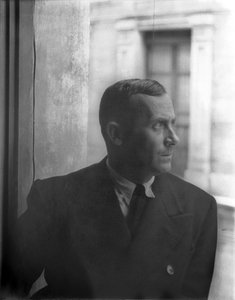
Joan Miró

Joan Miró

1893 - 1983, Espanha

Quick facts about Joan Miró

  • Artistic Movement Or Style: Surrealismo
  • Artists Who Influenced This Artist:
    • Pablo Picasso
    • Van Gogh
  • Date Of Birth: 20 Abril 1893
  • Date Of Death: 25 Dezembro 1983
  • Full Name: Joan Miró i Ferrà
  • Nationality: Espanhol
  • Notable Artworks:
    • A Fazenda
    • La Poetisa
    • Dutch Interiors
  • Place Of Birth: Barcelona, Espanha

Biografia do Artista

A Catalan Visionary: The Life and Art of Joan Miró

Joan Miró i Ferrà, born in Barcelona in 1893, stands as one of the most significant figures in 20th-century art. His journey was not merely a progression through styles but an exploration of inner worlds, translating dreams, memories, and Catalan identity onto canvas with a uniquely poetic visual language. From humble beginnings marked by illness and initial parental reservations about his artistic pursuits, Miró persevered, driven by an innate need to express the intangible—the emotions, sensations, and subconscious currents that lie beneath the surface of reality. His early life was steeped in the traditions of Barcelona, a city brimming with architectural marvels thanks to Antoni Gaudí, whose organic forms would subtly influence Miró’s later abstractions. The goldsmithing profession of his father instilled an appreciation for meticulous craftsmanship, while the rugged Catalan landscape became a recurring motif and source of inspiration throughout his career.

Early Influences and the Path to Surrealism

Miró's formal artistic training began at La Llotja in Barcelona, where he honed his skills in traditional techniques. However, it was exposure to the avant-garde movements sweeping through Paris that truly ignited his creative evolution. The vibrant colors of Fauvism and the fragmented forms of Cubism resonated deeply, prompting him to move to Paris in 1920. This period proved pivotal as he encountered artists like Pablo Picasso and began experimenting with increasingly abstract compositions. Yet, Miró didn’t simply adopt these styles; he synthesized them, forging a path toward his own distinctive aesthetic. He sought to distill forms to their essence, stripping away representational details in favor of symbolic shapes and evocative colors. This exploration led him to the Surrealist group in 1924, aligning him with artists such as Max Ernst and Salvador Dalí. While embracing the Surrealist interest in the subconscious, Miró maintained a unique sensibility—his work was less about shocking imagery or Freudian symbolism than it was about creating a world of playful forms and poetic suggestion. He believed that art should be free from rational constraints, allowing for spontaneous expression and imaginative exploration.

The Language of Symbols: Key Works and Artistic Innovations

Throughout the 1920s and 30s, Miró developed his signature visual vocabulary—a universe populated by biomorphic shapes, floating forms, and vibrant colors. The Farm (1922), often considered a cornerstone of his oeuvre, exemplifies this transition. It’s not merely a depiction of rural life but an evocation of Catalan identity and a symbolic representation of the natural world. The painting utilizes earthy tones contrasted with bursts of crimson and yellow—colors that mirror the vibrancy of the Catalan countryside and imbue the scene with a sense of primal energy. His collaborative spirit led to innovative techniques like *grattage*, pioneered with Max Ernst in 1926 for designs intended for Sergei Diaghilev's ballet, where textures were revealed by scraping paint across canvas. This technique allowed Miró to liberate forms from conventional representation, emphasizing surface qualities and creating a tactile experience for the viewer. The Dutch Interiors (1928) series demonstrated his ability to reinterpret the Old Masters through a distinctly modern lens, transforming domestic scenes into dreamlike abstractions. He approached Rembrandt’s portraits with an eye attuned to the subtleties of emotion and gesture, distilling them into simplified geometric shapes—a bold departure from traditional portraiture. Painting (1933), with its striking palette and dynamic composition, encapsulates Miró’s exploration of the subconscious and his rejection of conventional artistic boundaries. The painting's swirling lines and amorphous forms convey a sense of movement and disorientation, mirroring the anxieties of the era while simultaneously celebrating the boundless potential of imagination. Beyond painting, Miró fearlessly experimented with sculpture, ceramics, and printmaking, expanding his creative horizons and demonstrating a remarkable versatility.

Legacy and Enduring Influence

Joan Miró's impact on 20th-century art is undeniable. He wasn’t simply a painter; he was a visionary who challenged the very definition of artistic expression. His work paved the way for abstract expressionism and continues to inspire artists across disciplines. He established two foundations—the Fundació Joan Miró in Barcelona (1975) and the Fundació Pilar i Joan Miró in Palma de Mallorca (1981)—ensuring that his legacy would endure, providing spaces for artistic exploration and education. Throughout his long career, he remained committed to pushing boundaries, questioning conventions, and exploring the depths of human imagination. Miró’s art is a testament to the power of abstraction, symbolism, and poetic expression—a vibrant celebration of life, dreams, and the enduring spirit of Catalan culture. His work continues to resonate with audiences worldwide, inviting us to enter a world where anything is possible and the boundaries between reality and fantasy blur into a captivating dance of color and form. He died in Palma de Mallorca in 1983, leaving behind an unparalleled body of work that remains a beacon of creativity and innovation.

Informações Rápidas

  • Dimensions: 70 x 98 cm
  • Subject or theme: Landscape; Dreamlike imagery
  • Year: 1965
  • Notable elements or techniques: Geometric abstraction; Color field painting
  • Location: Museo Nacional Centro de Arte Reina Sofía, Madrid
  • Artistic style: Organic Surrealism

Quiz de Arte

Cada pergunta possui apenas uma resposta correta.

Pergunta 1:
¿Quem es Joan Miró?
Pergunta 2:
O estilo artístico predominante na obra é:
Pergunta 3:
Qual elemento figurativo importante aparece na pintura?
Pergunta 4:
Em que cidade nasceu Joan Miró?
Pergunta 5:
A pintura utiliza uma paleta de cores caracterizada por: