Tamanho do texto

() ·

Uma pintura feita para você, à mão

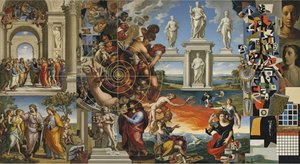
A Batalha de Cristo

Reprodução em Óleo Feita à Mão

Óleo sobre tela pintado à mão no tamanho e moldura de sua escolha, feito sob encomenda pelos nossos artistas. ( Alternar para Impressão Alternar para Imagem Digital)

Descrição do Item

Joachim Patinir: Um mestre da paisagem atmosférica e cenas fantásticas. Explore suas vistas dramáticas, influência na arte flamenga e colaborações com Dürer. Uma obra-prima do Kunsthistorisches Museum.

Biografia do Artista

Joachim Patinir: A master of atmospheric landscapes & fantastical scenes. Explore his dramatic vistas, influence on Netherlandish art, & collaborations with Dürer.

de ·

Capítulo 1

Qual deve ser o tamanho?

Deslize para alterar o tamanho; a imagem à esquerda mostra a moldura em sua largura real. As proporções originais são mantidas.

Tamanho padrão
personalizado
CM
INCH

Escolha entre os nossos tamanhos pré-definidos que respeitam as proporções originais da obra de arte.

largura
altura

Insira a largura e a altura desejadas para se ajustarem à sua moldura ou parede. Como esta obra é pintada à mão, para um tamanho com proporções diferentes, o artista poderá pintar um pouco mais ao redor da imagem ou reduzir ligeiramente a composição — você escolhe. Enviamos uma maquete digital para sua aprovação antes de iniciar a pintura. A imagem exibida nesta página não representa o resultado real — apenas a maquete mostra o resultado final.

Capítulo 2

Como deve chegar?

Escolha as bordas da tela esticada

Escolha sua moldura

Corner sample of the WhiteWrap canvas edge finish, stretched on madeira maciça bars
Branco €1
Corner sample of the BlurSideWrap canvas edge finish, stretched on madeira maciça bars
Bordas esfumaçadas €1
Corner sample of the ExtendedWrap canvas edge finish, stretched on madeira maciça bars
Bordas estendidas €1
Corner sample of the P118B picture frame: poliestireno moldado, 5 cm wide and 3 cm thick
P118B €10
Corner sample of the P118H picture frame: poliestireno moldado, 5 cm wide and 3 cm thick
P118H €10
Corner sample of the P118W picture frame: poliestireno moldado, 5 cm wide and 3 cm thick
P118W €10
Corner sample of the P438Z picture frame: poliestireno moldado, 5.5 cm wide and 3.5 cm thick
P438Z €10
Corner sample of the P508JH picture frame: poliestireno moldado, 7 cm wide and 3.5 cm thick
P508JH €12
Corner sample of the P508YH picture frame: poliestireno moldado, 7 cm wide and 3.5 cm thick
P508YH €12
Corner sample of the P805H picture frame: poliestireno moldado, 5 cm wide and 3.5 cm thick
P805H €10
Corner sample of the P805Z picture frame: poliestireno moldado, 5 cm wide and 3.5 cm thick
P805Z €10
Corner sample of the P919BZ picture frame: poliestireno moldado, 7 cm wide and 3.5 cm thick
P919BZ €10
Corner sample of the P919G picture frame: poliestireno moldado, 7 cm wide and 3.5 cm thick
P919G €10
Corner sample of the P919XJ picture frame: poliestireno moldado, 7 cm wide and 3.5 cm thick
P919XJ €10
Corner sample of the P959ZH picture frame: poliestireno moldado, 5 cm wide and 3 cm thick
P959ZH €10
Corner sample of the P968JZ picture frame: poliestireno moldado, 6 cm wide and 4 cm thick
P968JZ €12
Corner sample of the W106C picture frame: madeira maciça, 5 cm wide and 3 cm thick
W106C €8
Corner sample of the W218G picture frame: madeira maciça, 5 cm wide and 3 cm thick
W218G €10
Corner sample of the W218JH picture frame: madeira maciça, 5 cm wide and 3 cm thick
W218JH €8
Corner sample of the W218Y picture frame: madeira maciça, 5 cm wide and 3 cm thick
W218Y €10
Corner sample of the W307PJ picture frame: madeira maciça, 6 cm wide and 3 cm thick
W307PJ €10
Corner sample of the W316G picture frame: madeira maciça, 6 cm wide and 3 cm thick
W316G €10
Corner sample of the W316PJ picture frame: madeira maciça, 6 cm wide and 3 cm thick
W316PJ €8
Corner sample of the W316Y picture frame: madeira maciça, 6 cm wide and 3 cm thick
W316Y €10
Corner sample of the W398PJ picture frame: madeira maciça, 5 cm wide and 3 cm thick
W398PJ €8
Corner sample of the W4111J picture frame: madeira maciça, 6.5 cm wide and 3.5 cm thick
W4111J €10
Corner sample of the W500HY picture frame: madeira maciça, 7 cm wide and 5 cm thick
W500HY €15
Corner sample of the W500JH picture frame: madeira maciça, 7 cm wide and 5 cm thick
W500JH €15
Corner sample of the W692G picture frame: madeira maciça, 8 cm wide and 4 cm thick
W692G €12
Corner sample of the W849H picture frame: madeira maciça, 5 cm wide and 3 cm thick
W849H €8
Corner sample of the W940BG picture frame: madeira maciça, 7.5 cm wide and 4.5 cm thick
W940BG €15
Corner sample of the W953PJ picture frame: madeira maciça, 6 cm wide and 3.5 cm thick
W953PJ €8
Corner sample of the H24-GOLD picture frame: madeira entalhada com gesso, 10 cm wide and 6 cm thick
H24-GOLD €30
Corner sample of the H24-SILVER picture frame: madeira entalhada com gesso, 10 cm wide and 6 cm thick
H24-SILVER €30
Corner sample of the H36-GOLD picture frame: madeira entalhada com gesso, 15 cm wide and 6.5 cm thick
H36-GOLD €45
Corner sample of the H36-SILVER picture frame: madeira entalhada com gesso, 15 cm wide and 6.5 cm thick
H36-SILVER €45
Prévia da moldura
Com moldura

Moldura: . Dimensões totais com a moldura: .

Capítulo 3

Quem o pinta, e deveria algo mudar?

Exemplos do que pode ser alterado: Substituir o rosto pela foto do cliente; Adicionar um animal de estimação (ex: substituir gato por cachorro); Incluir uma mensagem oculta no fundo; Alterar a paisagem ou elementos do fundo.
Após o pedido, a equipe da OriginalUniqueArt.com enviará um e-mail ao cliente para instruções e fornecerá uma prévia da montagem

Entrega mundial () em 3 a 4 semanas, em vez das 5 semanas padrão. (8 Novembro). Sem comprometer a qualidade.

Capítulo 4

Os retoques finais

Uma placa de identificação, como em um museu?

Detalhes da Placa de Bronze Gravada

This elegant plaque features the artist's name and the title of the artwork, finely engraved for a timeless presentation.

It is made from bronze with a refined, elegant finish. The text is precisely laser-engraved for a sharp and permanent result. Measuring 9x2 cm, the plaque is compact yet easy to read. It's built to be durable and scratch-resistant, offering a professional, museum-quality look. Mounting is simple thanks to the included adhesive backing.

Detalhes da Placa de Acrílico Transparente

The plaque includes essential engraved details such as the artist's name, the title of the artwork, the date it was created, the type of media used-like oil on canvas or watercolor-a brief description of the piece, and a QR code that links to the complete artwork information.

It is crafted from clear acrylic, offering a sleek, modern appearance. The text is UV-engraved in black to ensure strong visual contrast. With a size of 10x15 cm, it ensures optimal readability. It comes equipped with two metal hooks for secure wall mounting. The plaque is designed to be weather-resistant, making it suitable for various environments, and it includes interactive features that work seamlessly with smartphone scanning.

Detalhes da Placa de Acrílico Preto

This elegant plaque includes engraved information such as the artist's name, the title of the artwork, the date it was created, the type of media used (like oil on canvas or watercolor), a short description of the artwork, and a QR code for quick access to more information.

The plaque itself is made from refined black acrylic with a premium finish. The text is laser-engraved in white for high contrast and readability. Its size is 10x15 cm, designed to be easy to read. It comes with two metal hooks for professional mounting. The design is sleek and fits any interior style. It is also weather-resistant and durable, with built-in digital integration for mobile compatibility.

Um verniz protetor?

Para quando você precisa?

Capítulo 5

A sua pintura, conforme encomendada

A Batalha de Cristo

Técnica de Reprodução

Tamanho da Reprodução

-

Artista Sênior de Elite

Mais detalhes, refinamento e tempo de produção adicional

-

Moldura para Reprodução

-

-

Para obras de arte ou reproduções com mais de 105 cm (aproximadamente 41 polegadas) em qualquer um dos lados, a moldura será enviada como um kit desmontado. Este método garante uma entrega segura e evita danos durante o transporte.

Montagem profissional necessária — este não é um produto DIY (faça você mesmo).
O kit deve ser montado e a tela esticada por um profissional de molduraria experiente, utilizando cola de madeira (não inclusa), um alicate de esticar tela e grampos para manter as travessas alinhadas enquanto a cola seca. A montagem incorreta ou a tensão desigual da tela podem danificar permanentemente a obra de arte e não estão cobertas pela nossa garantia.

  • Todas as barras de madeira maciça estão incluídas, precisamente cortadas ao tamanho certo.

  • Montado com os parafusos fornecidos, além de cola para madeira para as junções dos cantos, que não está inclusa e deve ser providenciada pelo seu moldurista.

  • São necessárias ferramentas profissionais não incluídas: um alicate de estiramento de tela (esticador) e grampos para manter as ripas alinhadas enquanto a cola seca.

Importante:
As junções dos cantos requerem cola para madeira, as ripas devem ser mantidas com grampos até que a cola esteja completamente seca, e o estiramento da tela na moldura montada requer um alicate de esticar tela. Nenhum destes itens está incluído no kit. Por favor, certifique-se de contar com um profissional de molduraria experiente antes de encomendar este tamanho.

Etiqueta de identificação

-

-

Verniz de Proteção

Verniz brilhante (realça as cores e protege contra a luz e a umidade)

-

Personalizar minha obra

Exemplos de alterações possíveis: Substituir o rosto por uma foto do cliente; Adicionar um animal de estimação (ex.: substituir gato por cachorro); Incluir uma mensagem oculta no fundo; Alterar a paisagem ou os elementos do fundo.

-

Urgente

Entrega mundial () em 3 a 4 semanas, em vez das 5 semanas padrão. (8 Novembro). Sem comprometer a qualidade.

-

Envio Expresso

Entrega mundial para em 5 semanas. (15 Novembro).

Com envio incluído

Preço Total

€ 268

Preço Total € 268

A opção de vidro está disponível apenas para tamanhos inferiores a 110 cm

Incluído em todos os pedidos

  • Envio expresso gratuito para todo o mundo
  • Tela de Linho de Alta Qualidade
  • Seguro de transporte completo
  • Garantia de Reembolso de Impostos Alfandegários
  • Garantia de Fidelidade Cromática
  • Política de Devolução em 100 Dias (Apenas para Defeitos)
  • Garantia de reembolso de 100%
  • Oferta de desconto por quantidade

Joachim Patinir: Um Pioneiro da Paisagem Renascentista Flamenga

Joachim Patinir, também conhecido como patenier joachim d. patinier, o "D" em sua assinatura significando Dionantensis ("da Dinant"), refletindo seu lugar de origem. O ano de nascimento é estimado em 1483 e faleceu em 1524, deixando um legado artístico que permanece fascinante até hoje. Sua vida foi marcada por uma profunda ligação com o ambiente artístico dinâmico da região flamenga do século XVI, onde colaborou frequentemente com artistas renomados como Quentin Metsys e Albrecht Dürer, consolidando seu lugar entre os principais representantes da época.
  • Origem e Formação: Patinir nasceu em Dinant ou Bouvignes, na atual Bélgica, região que influenciou profundamente sua visão estética e artística. Embora informações detalhadas sobre sua formação inicial sejam escassas, é sabido que ele estudou em Bruges com Gerard David, um encontro crucial que estabeleceu uma parceria colaborativa que enriqueceria o panorama artístico da época.
  • Estilo e Técnica: Patinir revolucionou a pintura flamenga ao adotar uma abordagem inovadora: a paisagem como gênero independente. Diferentemente de muitos artistas contemporâneos que focavam em figuras religiosas ou retratos, Patinir dedicava-se exclusivamente à criação de vistas panorâmicas impressionantes, caracterizadas por uma composição rigorosa e pela ausência de elementos figurativos tradicionais. Sua técnica meticulosa empregou uma paleta de cores frias e tons suaves para transmitir uma sensação de serenidade e contemplação, buscando capturar a beleza da natureza com uma precisão surpreendente.
  • O Mundo Paisagístico: O estilo único de Patinir, conhecido como "mundo paisagístico", influenciou toda a pintura flamenga posterior. Sua obra é marcada por formações rochosas bizarras e impossíveis geologicamente, iluminadas por uma luz difusa que cria atmosferas dramáticas e evocativas. Essas cenas inspiradas na natureza não apenas exibem um domínio excepcional da perspectiva e da composição espacial, mas também carregam consigo uma profunda carga simbólica relacionada à busca pela ordem divina e à contemplação do universo.
  • Influências e Legado: Patinir encontrou inspiração em artistas como Hieronymus Bosch e adaptou obras de Gerard David para suas próprias criações. Sua obra é considerada um marco na história da arte, estabelecendo novos padrões de beleza estética e técnica que continuam a inspirar artistas contemporâneos. Sua influência pode ser observada no trabalho de Herri met de Bles, considerado seu sucessor direto e um dos principais representantes do mundo paisagístico flamengo.

A Pintura "Baptismo de Cristo": Uma Sinfonia de Luz e Cor

A obra mais famosa de Patinir, "Baptismo de Cristo", exemplifica o estilo único do artista e sua capacidade de integrar elementos religiosos e naturais em uma composição harmoniosa. O quadro apresenta uma cena bíblica que retrata o momento da iniciação cristã por João Batista no rio Jordão, com figuras religiosas cuidadosamente posicionadas em meio a uma paisagem deslumbrante. A luz suave e difusa que permeia a pintura cria uma atmosfera de reverência e contemplação, enquanto as cores frias dominantes reforçam a sensação de tranquilidade e beleza estética. Fonte: Kunsthistorisches Museum, Vienna 2010

Perguntas e Respostas

Qual o tamanho e a orientação de impressão sugeridos para "A Batalha de Cristo", de Joachim Patinir?

Recomenda-se uma impressão de "A Batalha de Cristo", de Joachim Patinir no tamanho Grande formato com orientação Paisagem.

"A Batalha de Cristo", de Joachim Patinir é uma obra de tons claros ou escuros?

"A Batalha de Cristo" apresenta um brilho geral de sombras profundas, com uma luminância de Escura.

Qual é a técnica utilizada em "A Batalha de Cristo", de Joachim Patinir?

Joachim Patinir utilizou a técnica de Óleo sobre tela para "A Batalha de Cristo". A técnica define a natureza material da obra original.

Saiba mais sobre esta pintura

Visualizar na parede Visualizar em RA Alternar para Impressão Alternar para Imagem Digital Compartilhar
Detalhes Guia Adicionar aos favoritos Baixar imagem Semelhantes Raio X Ver diaporama Perguntas e Respostas Estatísticas

Em números

  • 1520o ano em que foi pintada
  • 29molduras para escolher
  • tamanhos padrão, em suas próprias proporções
  • 5semanas para pintar e entregar
Joachim Patinir

Joachim Patinir

1483 - 1524

Informações rápidas sobre Joachim Patinir

  • Full Name: Joachim Patinir
  • Nationality: Flemish
  • Date Of Birth: 1483
  • Date Of Death: 1524
  • Place Of Birth: Dinant, Belgium
  • Notable Artworks:
    • The Temptation of St Anthony
    • Landscape with the Flight into Egypt
    • St. Christopher
    • The Penitence of Saint Jerome
  • Artistic Movement Or Style: Renaissance Landscape
  • Artists Who Influenced This Artist:
    • Gerard David
    • Hieronymus Bosch
  • Artists Or Movements Influenced By This Artist:
    • Albrecht Altdorfer
    • Herri met de Bles

Biografia do Artista

A Pioneer of the Northern Renaissance Landscape

Joachim Patinir, a name often whispered alongside that of Albrecht Altdorfer as a foundational figure in landscape painting, emerged from the artistic milieu of the Low Countries during the early 16th century. Born around 1480, likely in either Bouvignes or Dinant – towns nestled within present-day Belgium’s Wallonia region – Patinir's life remains shrouded in a degree of mystery. What is certain is that he established himself as a prominent artist in Antwerp by 1515, becoming a member of the Guild of Saint Luke and dedicating his career to a genre previously relegated to background detail. He died before October 5th, 1524, leaving behind a legacy that would fundamentally alter the course of Western art. Patinir wasn’t merely depicting landscapes; he was inventing a way of *seeing* them, imbuing them with narrative power and symbolic depth previously unseen.

Early Influences and Artistic Development

The artistic currents flowing through the Low Countries at the turn of the 16th century profoundly shaped Patinir's early development. While concrete details about his training are scarce, scholars suggest a possible apprenticeship under Gerard David in Bruges. David’s meticulous realism and attention to detail undoubtedly left an impression on the young artist. However, it was the fantastical world-building of Hieronymus Bosch that arguably exerted the most significant influence. Patinir absorbed Bosch's penchant for imaginative landscapes populated with peculiar creatures and symbolic motifs, but he steered away from the moralizing allegories that characterized Bosch’s work. Instead, Patinir began to explore landscape as an independent entity, capable of conveying meaning in its own right. His early works demonstrate a clear understanding of naturalistic detail, combined with a growing lyrical fantasy—a unique blend that would become his signature style. A journey to Genoa in 1511 alongside David and Adrien Ysenbrandt likely broadened his artistic horizons, exposing him to different visual traditions and further refining his observational skills.

Collaboration and the Birth of the “World Landscape”

Patinir’s career flourished within a collaborative environment. He forged close relationships with other leading Antwerp painters, most notably Quentin Metsys. Their joint masterpiece, *The Temptation of St Anthony* (c. 1520-1524), exemplifies their working dynamic: Patinir crafted the expansive and dramatic landscape, while Metsys populated it with figures depicting the saint’s trials. This collaboration highlights a common practice in the Low Countries at the time—the specialization of artistic skills. However, Patinir's contribution transcended mere technical execution; he was actively shaping the narrative through his landscapes. It was during this period that he truly pioneered what Ludwig von Baldass later termed the “Weltlandschaft,” or "world landscape." This style is characterized by panoramic vistas, high viewpoints offering a sweeping perspective, and an intricate layering of natural elements—mountains, forests, rivers, and plains—creating a sense of boundless space. The larger scale of his works, reminiscent of those by Bosch, further emphasized the immersive quality of these landscapes.

Symbolism and the Pilgrimage of Life

Patinir’s landscapes were not simply representations of physical places; they were imbued with profound symbolic meaning. While often featuring religious subjects—the Flight into Egypt, the Baptism of Christ, the Penance of Saint Jerome—these narratives were frequently dwarfed by the grandeur of the surrounding environment. Scholars have interpreted these vast vistas as allegories of life’s pilgrimage, drawing parallels to biblical passages that describe humanity as wanderers on Earth, seeking spiritual communion with God. The steep mountains might represent obstacles and challenges, while winding rivers symbolize the journey itself. The distant horizons evoke a sense of longing for an ultimate destination—a heavenly realm beyond earthly concerns. This subtle yet powerful symbolism elevates Patinir’s landscapes beyond mere scenery, transforming them into meditations on faith, mortality, and the human condition. His use of color also played a crucial role; brown tones in the foreground suggest immediacy and physicality, while blues and greens recede into the distance, creating an illusion of depth and vastness.

Legacy and Historical Significance

Joachim Patinir’s impact on the development of landscape painting is undeniable. He was the first Netherlandish artist to prioritize landscape as a primary subject, effectively establishing it as an independent genre. His innovative techniques—the high viewpoint, panoramic vistas, and symbolic use of natural elements—would influence generations of artists. Albrecht Dürer, who visited Patinir in 1521 and painted his portrait, famously dubbed him “der gute landschaftsmaler” (“the good painter of landscapes”), a testament to his growing reputation. Patinir’s work also paved the way for other landscape pioneers, such as Herri met de Bles, who further refined the world landscape style. While his career was relatively short, Patinir left an indelible mark on the art world, transforming the way artists and viewers perceived the natural environment. He wasn't just painting landscapes; he was creating a new visual language—a language that continues to resonate with audiences today, inviting us to contemplate the beauty, mystery, and spiritual significance of the world around us.

Informações Rápidas

  • Dimensions: 763 x 597 cm
  • Title: A Baptismo de Cristo
  • Location: Kunsthistorisches Museum, Viena
  • Year: 1520
  • Artistic style: Paisagem monumental
  • Notable elements or techniques: Perspectiva atmosférica; Paisagens fantásticas

Quiz de Arte

Cada pergunta possui apenas uma resposta correta.

Pergunta 1:
¿Cuál fue una de las principales influencias en el estilo artístico de Joachim Patinir?
Pergunta 2:
¿Quién mencionó a Patinir como "el buen pintor de paisaje"?
Pergunta 3:
¿Qué característica distintiva distingue los paisajes de Patinir?
Pergunta 4:
¿Cómo se describe el uso del color en los paisajes de Patinir?
Pergunta 5:
¿Qué elemento arquitectónico se utiliza en la composición del cuadro para crear una estructura axial?
Explore obras de arte organizadas por temas, estilos e características.