 Visualizar em escala
 Enviar
 Compartilhar
 Ver detalhes
 Guia de Obras do Aluno

 Baixar imagem
 Semelhantes
 Raio X
 Apresentação de slides
 Estatísticas
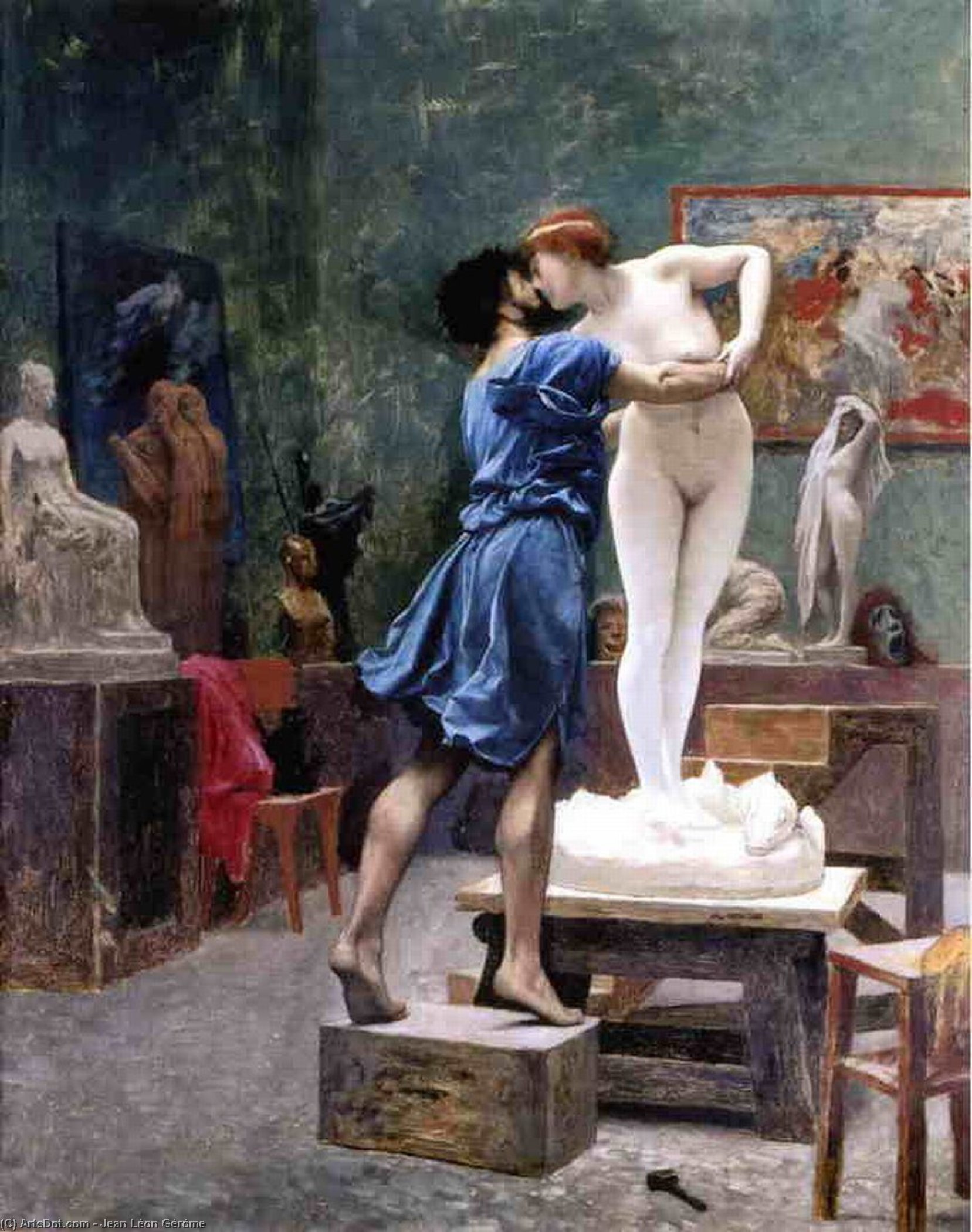
Pygmalion and Galatea (study)


 Ver mais
Giclée / Impressão de Arte
Impressão giclée ou em tela de qualidade de museu, com produção rápida e opções flexíveis de acabamento. ( Encomendar reprodução pintada à mão Ver Imagem Digital)




P118B €10

P118H €10

P118W €10

P438Z €10

P508JH €12

P508YH €12

P805H €10

P805Z €10

P919BZ €10

P919G €10

P919XJ €10

P959ZH €10

P968JZ €12

W106C €8

W218G €10

W218JH €8

W218Y €10

W307PJ €10

W316G €10

W316PJ €8

W316Y €10

W398PJ €8

W4111J €10

W500HY €15

W500JH €15

W692G €12

W849H €8

W940BG €15

W953PJ €8




Escolha entre os nossos tamanhos pré-definidos que respeitam as proporções originais da obra de arte.

Digite a largura e a altura de que necessita, para se ajustar à sua moldura ou à sua parede. Uma impressão só pode ser cortada, nunca ampliada além da imagem original, pelo que um tamanho com uma proporção diferente perderá parte da imagem. Enviamos-lhe uma maquete digital para aprovação antes de imprimirmos qualquer coisa. A imagem apresentada nesta página não mostra o corte real — apenas a maquete o faz.
Entrega mundial () em 2 semanas, em vez das 4/5 semanas padrão. (22 Outubro)

Envio expresso gratuito para todo o mundo

Tela de Linho Premium

Seguro de transporte total

Garantia de Reembolso de Impostos Alfandegários

Garantia de Fidelidade de Cor

Política de Devolução em 100 Dias (Apenas para Defeitos)

Garantia de reembolso de 100%

Desconto para múltiplas unidades
 A opção de vidro está disponível apenas para tamanhos inferiores a 110 cm

Pygmalion and Galatea (study)
Giclée / Impressão de Arte
Dimensões da Reprodução
-


Preço Total
€ 70
A Moment Frozen in Marble and Desire: Jean-Léon Gérôme’s *Pygmalion and Galatea (Study)*
Jean-Léon Gérôme's *Pygmalion and Galatea (Study)*, painted in 1890, isn’t merely a depiction of a classical myth; it’s an exquisitely rendered tableau of longing, creation, and the potent magic of transformation. This intimate study, measuring a modest 94 x 74 cm, offers a rare glimpse into Gérôme's meticulous process – a testament to his dedication to capturing not just the likeness of figures but also the very essence of their emotions. The painting immediately draws the viewer in with its carefully orchestrated composition: a man, presumably Pygmalion himself, kneeling before a statue of Galatea, poised on a simple stool, and initiating a tender kiss. The scene unfolds within a studio setting, subtly suggesting the artist’s own fascination with the act of artistic creation and the blurring lines between reality and imagination.
The Narrative of Myth and Mastery
The story behind *Pygmalion and Galatea* is one of enduring appeal – a tale of a sculptor who, captivated by his own artistry, breathes life into a marble figure. Gérôme masterfully translates this narrative onto canvas, capturing the pivotal moment when Galatea awakens to Pygmalion’s touch. The painting avoids grand theatricality, instead favoring a quiet intimacy that underscores the profound emotional shift occurring within the scene. Gérôme's skill lies not just in his ability to accurately portray the human form – evident in the delicate musculature of Pygmalion and the graceful curve of Galatea’s pose – but also in his capacity to imbue these figures with a palpable sense of vulnerability and nascent joy. The inclusion of the simple chair and table, along with the vase, adds layers of realism and anchors the fantastical narrative within a believable domestic setting.
Technique and the Language of Detail
Gérôme was renowned for his painstaking attention to detail, a hallmark of the academic style he championed. *Pygmalion and Galatea (Study)* exemplifies this approach perfectly. Executed in oil on canvas, the painting boasts a rich, textured surface achieved through countless layers of glazing – a technique that allows Gérôme to build up subtle gradations of light and shadow, creating an astonishingly lifelike effect. Observe how he renders the marble statue itself; it’s not simply painted white but infused with veins and imperfections, suggesting its inherent materiality while simultaneously hinting at its potential for animation. The careful placement of folds in fabric, the sheen on Galatea's skin, and the subtle play of light across Pygmalion’s face all contribute to a remarkable sense of realism that belies the mythological subject matter. The use of warm earth tones – ochres, browns, and reds – further enhances the painting’s depth and richness.
Symbolism and Emotional Resonance
Beyond its narrative power, *Pygmalion and Galatea (Study)* is rich in symbolic meaning. The statue represents not just a creation but also the artist's own idealized vision – a projection of his desires and aspirations. The kiss itself symbolizes the merging of creator and creation, the transcendence of earthly limitations, and the birth of something new. The setting within a studio subtly elevates the work beyond a simple mythological scene; it speaks to the very process of artistic endeavor, highlighting the transformative power of imagination. Ultimately, Gérôme’s painting resonates with viewers on an emotional level, evoking feelings of wonder, longing, and the enduring human fascination with beauty, creation, and the possibility of bringing dreams to life.
A hand-painted reproduction of *Pygmalion and Galatea (Study)* offers a stunning opportunity to bring this captivating artwork into your home or office. Its rich detail and evocative imagery will serve as a constant reminder of the power of art to inspire, move, and transform our understanding of the world.
Perguntas e Respostas
Quem vende cópias pintadas à mão de "Pygmalion and Galatea (study)" de Jean-Léon Gérôme?
Você pode encomendar uma reprodução pintada à mão de "Pygmalion and Galatea (study)" de Jean-Léon Gérôme diretamente em sua página de Reprodução Pintada à Mão: uma reprodução a óleo pintada à mão sobre tela de linho, feita sob encomenda.
Existem obras semelhantes a "Pygmalion and Galatea (study)"?
Obras semelhantes a "Pygmalion and Galatea (study)" estão listadas na página de Semelhantes da obra.
Qual era a idade de Jean-Léon Gérôme ao criar "Pygmalion and Galatea (study)" em 1890?
Jean-Léon Gérôme criou "Pygmalion and Galatea (study)" aos 66 anos. O artista nasceu em 1824 e a obra data de 1890.
Biografia do Artista
A Master of Narrative Detail: The Life and Art of Jean-Léon Gérôme
Jean-Léon Gérôme, um nome sinônimo da pintura académica francesa do século XIX, foi muito mais do que apenas um habilidoso técnico; ele era um contador de histórias que cativava o público com cenas meticulosamente detalhadas, repletas de drama e fascínio exótico. Nascido em Vesoul em 1824, sua jornada artística começou sob a orientação do artista local Claude-Basile Cariage, lançando as bases para uma carreira que o veria se tornar, sem dúvida, um dos pintores mais celebrados da época. Mudando-se para Paris aos dezesseis anos, ele inicialmente estudou sob Paul Delaroche, um mestre na pintura histórica, e posteriormente frequentou a École des Beaux-Arts, absorvendo os princípios do treinamento clássico. No entanto, Gérôme rapidamente se distinguiu não apenas por imitação servil, mas por uma combinação inovadora de realismo meticuloso e narrativa dramática – uma combinação que definiria seu estilo único. Seu sucesso precoce com *The Cock Fight* em 1847 catapultou-o para a fama, estabelecendo-o como uma figura líder no movimento Neo-Grec, que buscava reviver temas clássicos com uma atenção renovada ao detalhe arqueológico.Da Grandiosidade Histórica às Visões Orientais
A amplitude artística de Gérôme era notavelmente vasta. Ele abordou temas históricos com um toque quase cinematográfico, imbuindo-os com um senso de imediatismo e profundidade psicológica. Sua monumental obra mural, *The Age of Augustus, the Birth of Christ*, encomendada como uma alegoria favorável para Napoleão III, demonstrou sua capacidade de lidar com composições complexas e narrativas grandiosas. Contudo, foi talvez em suas pinturas orientais que Gérôme realmente capturou a imaginação do público. Inspirado por viagens à Turquia, Egito e Norte da África, ele retratava cenas de harems, mercados movimentados e paisagens desérticas com um exotismo que fascinava e, sob uma ótica moderna, às vezes perpetuava estereótipos problemáticos. Pinturas como *Harem Women Feeding Pigeons in a Courtyard* tornaram-se enormemente populares, oferecendo ao público europeu um vislumbre de um mundo percebido como misterioso e sensual. Essas obras não eram meras cópias do que ele via; eram construções cuidadosamente elaboradas, combinando observação com imaginação para criar narrativas visuais convincentes. Ele não estava simplesmente documentando o Oriente; ele estava *criando*-o para o consumo ocidental, uma prática que, posteriormente, geraria críticas, mas inegavelmente contribuiu para seu amplo apelo.Um Pedagogo e Influenciador
Além de sua própria produção artística, Gérôme exerceu uma influência considerável como professor na École des Beaux-Arts. Seu ateliê tornou-se um terreno fértil para as futuras gerações de artistas, atraindo estudantes de toda a Europa e América. Entre seus alunos mais notáveis estavam Thomas Eakins, John Singer Sargent e Mary Cassatt – artistas que moldaram suas próprias trajetórias distintas, mas cujas bases foram inegavelmente influenciadas pelos princípios rigorosos de Gérôme e sua ênfase na habilidade técnica. Ele inculcou neles uma dedicação ao desenho, composição e à importância de estudar a vida. Embora suas visões artísticas conservadoras tenham por vezes entrado em conflito com os movimentos vanguardistas emergentes, seu impacto no desenvolvimento da arte americana, em particular, foi profundo. Seus alunos levaram seus princípios para o outro lado do Atlântico, estabelecendo seus próprios ateliês e perpetuando a tradição académica.Momentos Chave em uma Carreira Notável
- 1824: Nasce em Vesoul, França.
- 1840: Muda para Paris para estudar sob Paul Delaroche.
- 1847: Alcança reconhecimento precoce com *The Cock Fight* no Salão de Paris.
- 1852-1854: Recebe uma encomenda para *The Age of Augustus, the Birth of Christ* e viaja para Constantinopla, Grécia e Turquia.
- Final da Carreira: Transita para a escultura, criando obras policromas inspiradas na antiguidade clássica.
- 1904: Morre em Paris, deixando para trás um significativo legado artístico.
Influências e Legado
A obra de Gérôme foi profundamente influenciada pela pintura académica do século XIX, que valorizava a precisão técnica, o realismo detalhado e a representação idealizada da história e da mitologia. Delaroche, seu mentor inicial, desempenhou um papel fundamental na formação do estilo de Gérôme, ensinando-o a dominar as técnicas tradicionais de pintura a óleo e a criar obras que fossem ao mesmo tempo visualmente impressionantes e historicamente precisas. Além disso, suas viagens à Itália e ao Oriente Médio forneceram-lhe uma rica fonte de inspiração para suas pinturas orientais, que retratavam cenas da vida cotidiana, costumes e paisagens desses países com um olhar atento aos detalhes e uma sensibilidade artística refinada. Apesar das críticas que recebeu por sua representação estereotipada do Oriente e por sua adesão a convenções artísticas consideradas ultrapassadas, Gérôme é reconhecido como um dos pintores mais importantes do século XIX. Suas obras continuam a ser estudadas e admiradas por sua beleza técnica, seu drama narrativo e sua capacidade de transportar o espectador para outros tempos e lugares. Ele deixou uma marca indelével na história da arte, influenciando gerações de artistas e contribuindo para a formação do cânone académico da pintura. Sua habilidade em combinar realismo meticuloso com narrativa dramática estabeleceu um novo padrão para a representação histórica e exótica, e seu legado continua a ser debatido e reinterpretado até hoje.
Jean-Léon Gérôme
1824 - 1904 , França
Informações Rápidas
- Artistic Movement Or Style: Academicismo, Orientalismo
- Artists Or Movements Influenced By This Artist: ['Neo-Grec']
- Artists Who Influenced This Artist: ['Paul Delaroche']
- Date Of Birth: 11 Maio 1824
- Date Of Death: 10 Jan 1904
- Full Name: Jean-Léon Gérôme
- Nationality: Francês
- Notable Artworks:
- The Cock Fight
- Pollice Verso
- Snake Charmer
- Place Of Birth: Vesoul, França
Artigos Relacionados

Jean-Léon Gérôme: Academic Rigor & Orientalist Visions Shaping 19th-Century French Painting
Explore the captivating world of Jean-Léon Gérôme, a master of 19th-century academic painting & orientalism. Discover his historical works, artistic techniques, and lasting influence on art history.

The Enduring Form: Sculpture Across History, Technique & Emotional Resonance
Explore the rich history of sculpture with OriginalUniqueArt. Discover key techniques, influential artists & investment potential for discerning collectors. Expert insights into valuing and collecting timeless masterpieces.

The Enduring Form: Exploring Themes & Techniques in Sculpture Across Historical Periods
Explore the rich history of sculpture from ancient masterpieces to contemporary innovations. Discover key techniques, influential artists & investment potential for discerning art collectors.

As 10 Obras em Bronze Mais Icônicas que Transformaram a História da Arte | OriginalUniqueArt
Descubra as 10 esculturas em bronze mais influentes da história! Explore a arte de Rodin, Michelangelo e outros mestres. Reproduções de alta qualidade para decorar sua casa com elegância. OriginalUniqueArt.

Esculturas em Bronze Icônicas: 10 Obras que Revolucionaram a Arte | OriginalUniqueArt
Descubra as 10 esculturas em bronze mais icônicas da história! Explore a arte de Rodin, Michelangelo e outros mestres. Encontre reproduções de alta qualidade para sua casa em OriginalUniqueArt.com.